
Same curriculum. Built around what your child already loves.
Materials that match the curriculum you chose — not the one a publisher chose for you — plus group tools for co-op days.
Get started freeSee co-op plans
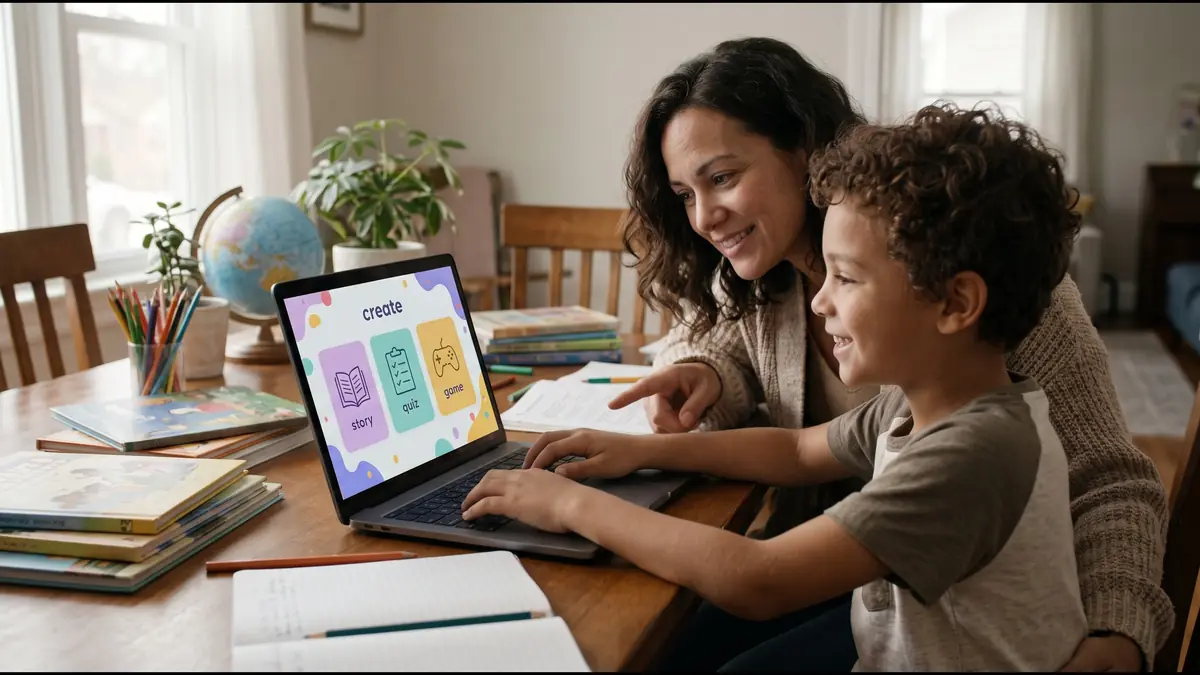
Homeschooling families rarely follow one publisher end to end, which is exactly where packaged curriculum software breaks down. Remee does not have a curriculum — it builds material from what you describe. Classical, Charlotte Mason, unit studies, unschooling, a stack of library books, or a mix that changes by subject: you describe the topic, you get the material.
It is the Remee Approach applied to the curriculum you chose: the Interest-First Method starts from what your child already loves and rebuilds the subject around it.
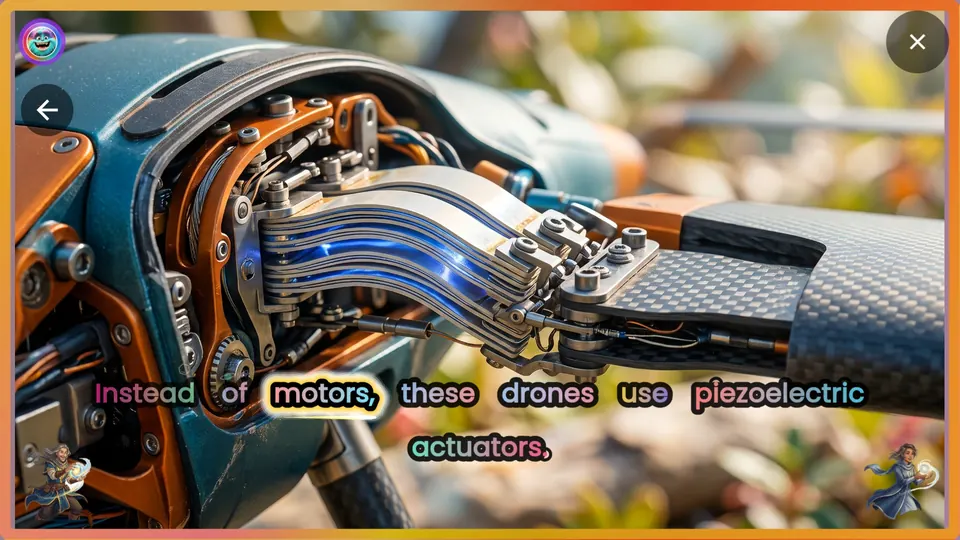 A narrated science lesson
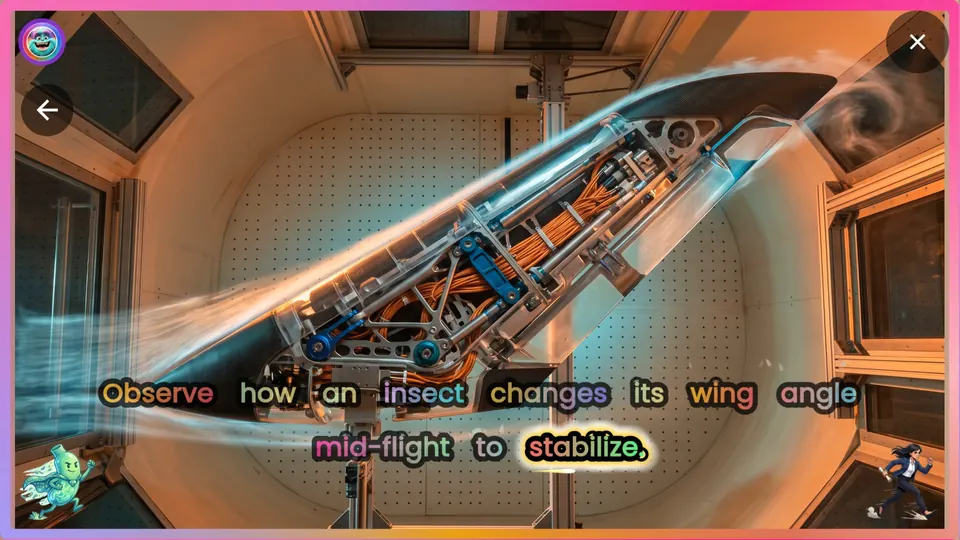 A wing changing angle mid-flight
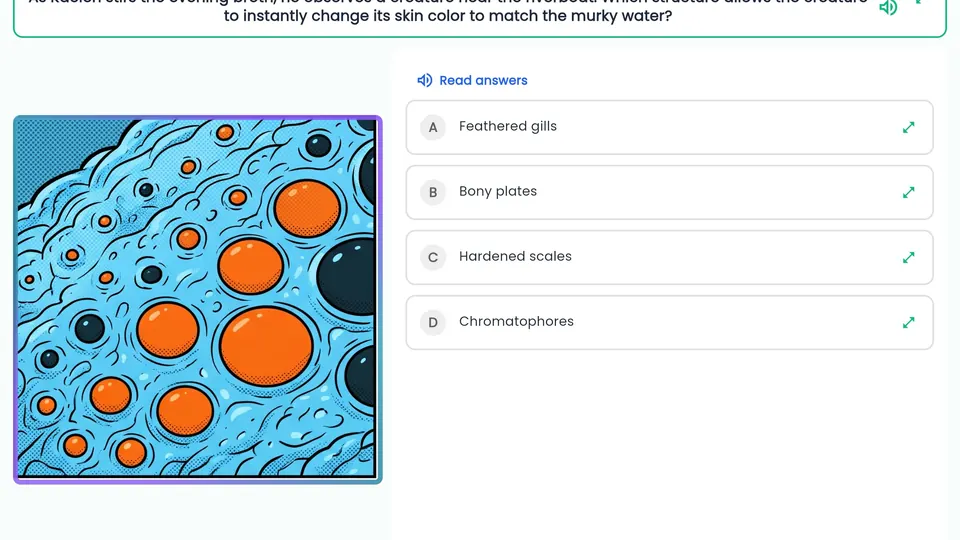 How an octopus changes colour
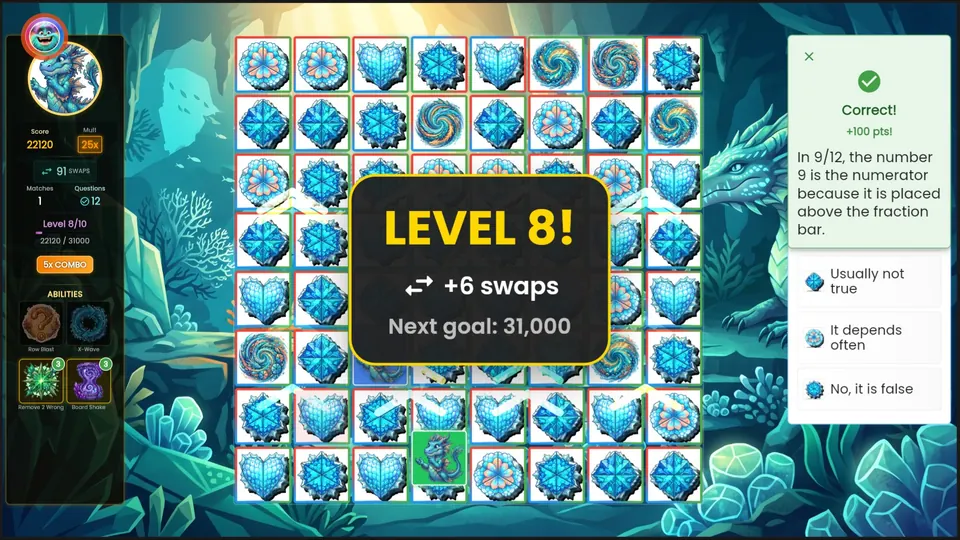 Level 8 in a fractions game
 The immune system holds the gate
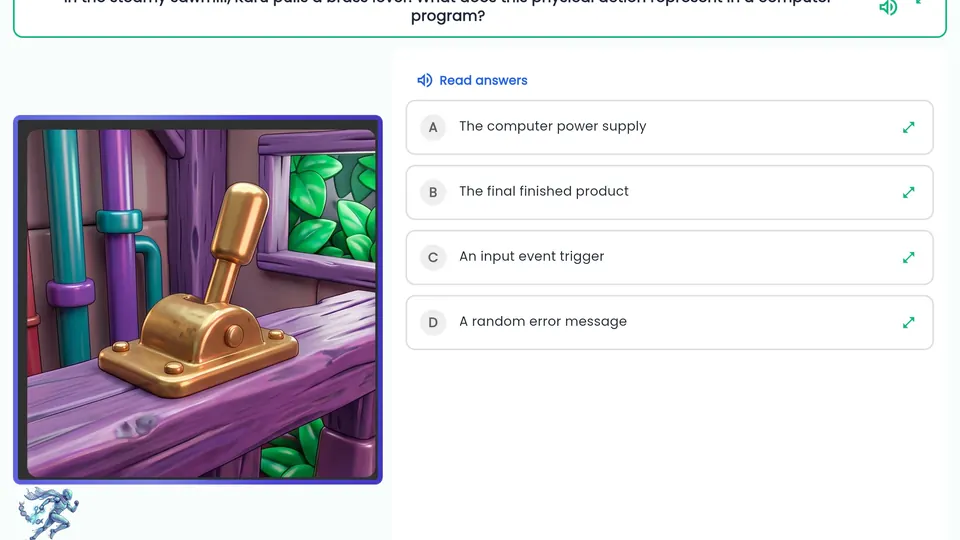 Coding logic in a steam mill

Narrated, illustrated lessons on the topic you are covering.

Six quiz formats for drilling and for checking retention.

16 games, 8 Basic and 8 Advanced, built around the subject at hand.
Ask questions out loud and get explanations that adapt.
Watch parties and multiplayer games, so a co-op meeting has something everyone joins at once.
A calendar, task lists and focus timers for keeping a term's worth of work moving.

Group days are where a homeschool needs classroom tools without becoming a classroom. Live Quiz runs up to 35 participants, watch parties play a lesson to the group in sync, and multiplayer games handle 1–8 players so a co-op can run several at once.
Co-op plans cover 2 to 30 seats. The base covers the first two members and additional seats are added at a per-seat rate, so a co-op of nine pays for nine. Annual billing costs considerably less than monthly.
A single family is usually better served by a family plan, which covers 2 to 10 seats at a lower base. Both are on the plans page.
Three principles sit under everything Remee makes.

People remember what they create. Their own ideas are in the lesson, so they stay longer and learn more.
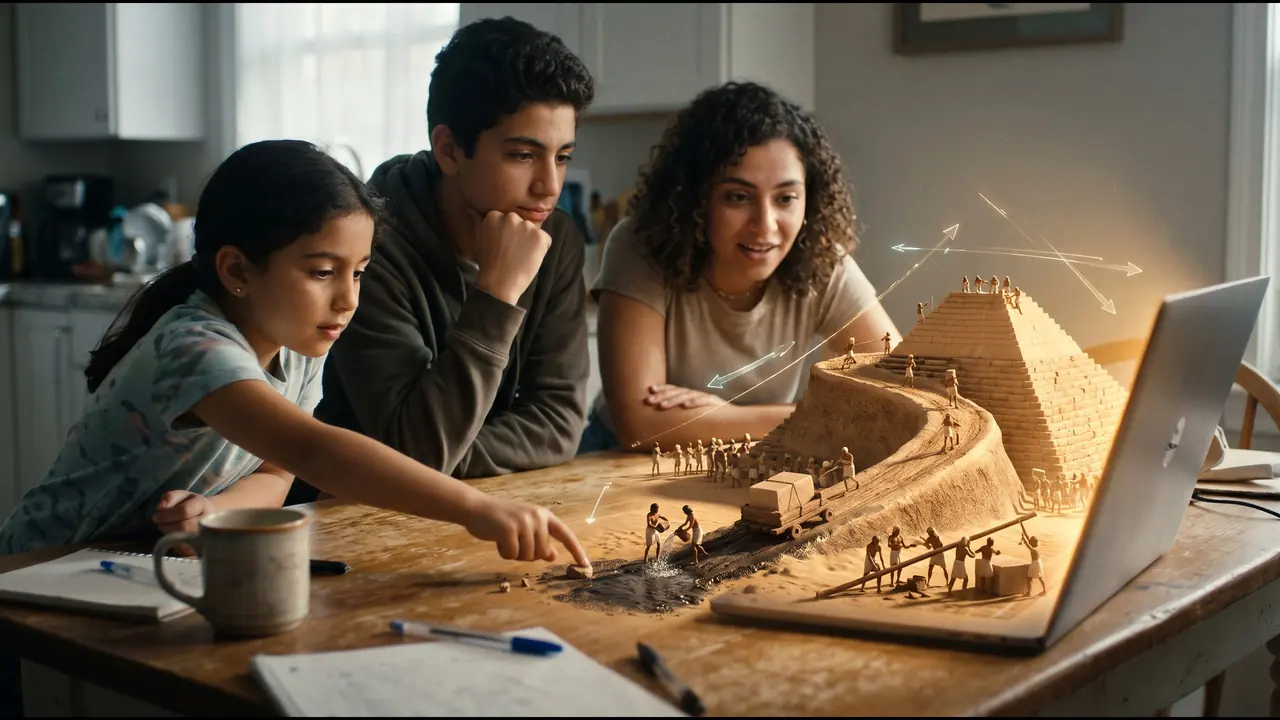
Ten things learned in a ten-minute game, day after day, adds up. What they use, they keep.

A story, a game, a talk, a quiz, then the misses fixed. Each step a little more familiar and a little harder.

“Every week I sit with a bright kid who cannot get through the sheet of paper his school handed him, and I watch him decide he is stupid. He is not. The paper is wrong.”
Luke Goldberg, founder, works as a learning specialist with neurodivergent children. He holds a PhD in Biomedical Physics from UCLA and still teaches college physics every summer. More about us →
No. Remee has no curriculum of its own — it builds material from the topic you describe, so it fits whatever approach and resources you already use.
Between 2 and 30. The base covers the first two members and further seats are added individually.
Usually not — a family plan covers 2 to 10 seats at a lower base price. Co-op plans exist for groups of families sharing one plan.
Yes. Live Quiz and watch parties hold up to 35 participants, and multiplayer games run 1 to 8 players per session.
Yes. Every new account gets 3 free days with no card: 200 voice turns and one creation of your own. Using anything shared publicly is always free and unlimited.
Take whatever you are covering this week and make one lesson and one quiz from it. That is the honest test of whether it fits how you teach.