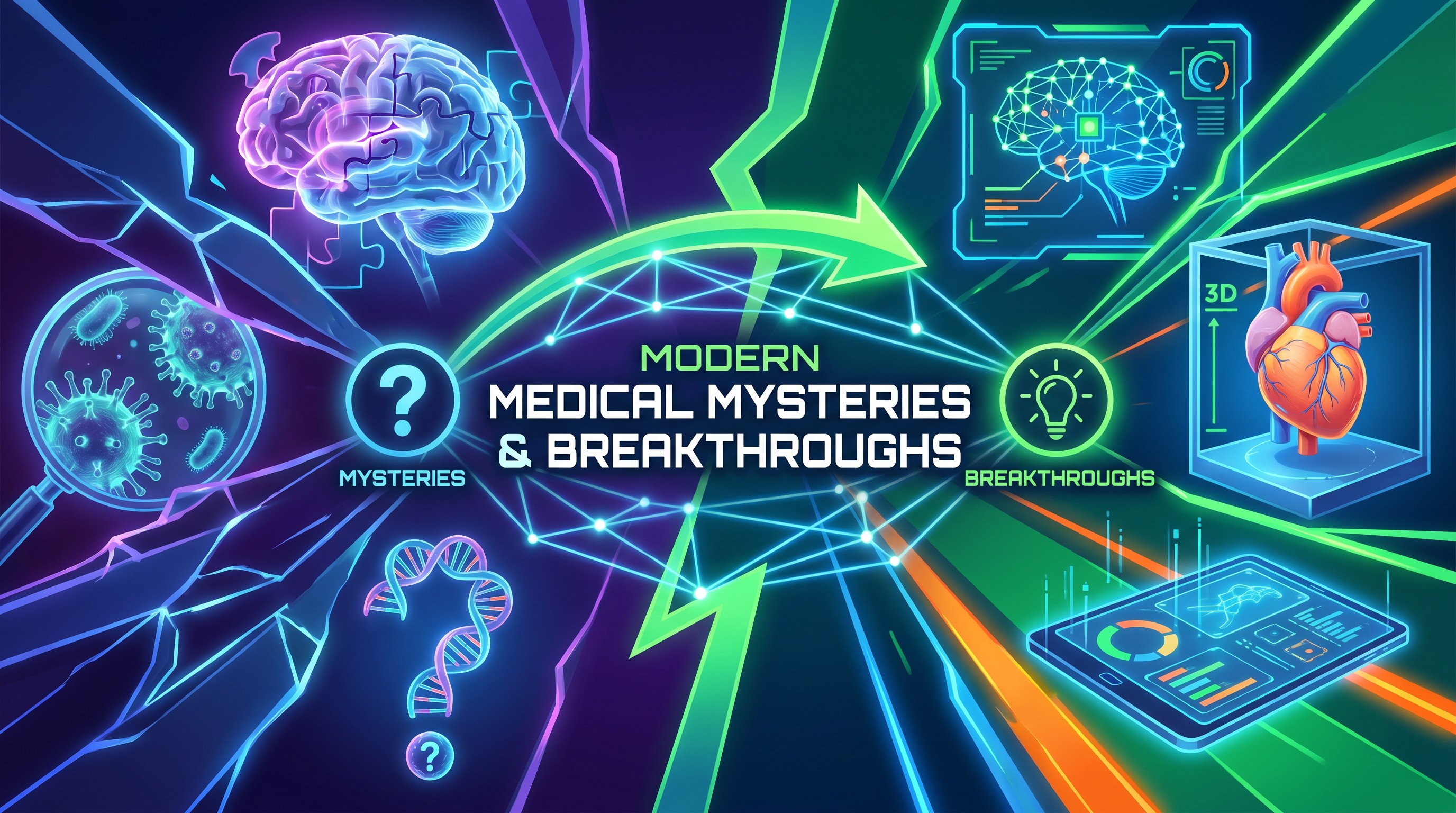
Modern Medical Frontiers
About this quiz
Decoding complex pathologies and cures
What this quiz asks
- Match the fundamental components of Genomic Sequencing to their primary function in diagnostic medicine.
- Connect the specific Genomic Sequencing technology breakthrough to the modern medical mystery it helped solve.
- Match the advanced Genomic Sequencing analytical framework to its specific clinical application challenge.
- Align the following Genomic Sequencing methodologies with their respective roles in deciphering complex polygenic medical conditions.
- Match the fundamental mechanisms and triggers associated with Autoimmune Pathogenesis to their descriptive characteristics.
- Connect specific autoimmune conditions to the primary immunological breakdown identified in modern medical research.
- Match the advanced diagnostic and therapeutic biomarkers used to study Autoimmune Pathogenesis to their clinical utility.
- Analyze the complex interplay between environmental factors and internal regulatory failures in the context of Autoimmune Pathogenesis.
- Match the following protein aggregates associated with Neurodegenerative Mechanisms to their corresponding primary anatomical or cellular location of deposition.
- Connect these key molecular pathways or cellular processes to their specific role in the progression of Neurodegenerative Mechanisms.
- Pair these advanced diagnostic or experimental techniques with their specific utility in investigating complex Neurodegenerative Mechanisms.
- Match these therapeutic strategies to the specific aspect of Neurodegenerative Mechanisms they are designed to mitigate or reverse.
- Match the fundamental components and definitions essential for understanding the mechanism of action in Viral Vector Therapeutics.
- Connect the specific types of viral vectors used in modern medical breakthroughs with their primary biological characteristics.
- Analyze the challenges and mitigation strategies associated with the clinical implementation of Viral Vector Therapeutics.
- Synthesize the application of Viral Vector Therapeutics by matching the specific therapeutic goals with the corresponding viral vector design principles.
- Match the fundamental terminology used in Precision Oncology to their corresponding definitions, establishing the basis for targeted therapeutic strategies.
- Match the following molecular mechanisms to the specific clinical challenges they address within the framework of modern Precision Oncology.
- Match the diagnostic and analytical techniques to their role in the Precision Oncology pipeline for identifying patient-specific treatment vulnerabilities.
- Match the complex clinical scenarios to the advanced Precision Oncology interventions that represent the current state of breakthrough cancer research.
- Match the fundamental synthetic biology terminology with its definition in the context of engineering biological systems for therapeutic breakthroughs.
- Connect these modern synthetic biology interventions to the specific medical problem they are designed to solve or mitigate.
- Pair the complex synthetic biology mechanism with its functional role in advanced therapeutic application.
- Match the Synthetic Biology Intervention strategy with the analytical challenge it addresses in modern precision medicine.
Answer choices and explanations are shown when you take the quiz.
Topics
Genomic SequencingAutoimmune PathogenesisNeurodegenerative MechanismsViral Vector TherapeuticsPrecision OncologySynthetic Biology Interventions
Make your own quiz free
Describe any idea in a sentence and Remee builds it for you — stories, games and
quizzes on whatever you or your class are working on. Free to start, no card needed,
and everything you make gets a link you can share anywhere.
Create a free accountSee it for classrooms
Quizzes on Remee
Remee quizzes come in six formats — including image questions, matching,
drag-and-drop and branching — and can be played live with up to 35 people at once,
which makes them work as easily in a classroom as they do on your own.
 Quiz
Quiz