 Lesson
This lesson explores the process of Extreme Ultraviolet lithography, detailing how light is used to etch microscopic patterns onto silicon wafers.
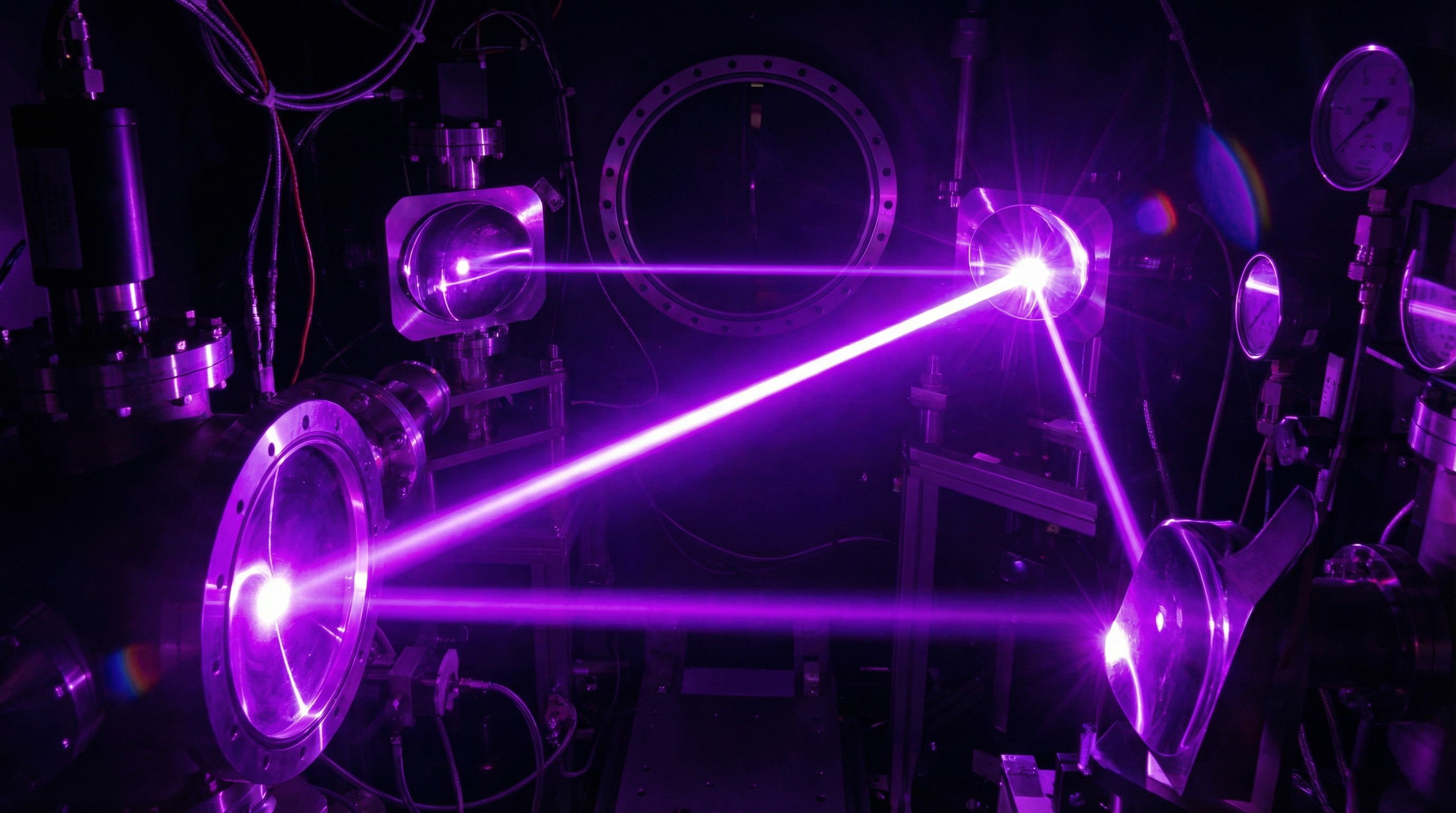
Have you ever wondered how your phone fits billions of tiny switches onto a chip the size of a fingernail? It starts with a beam of light smaller than anything visible.
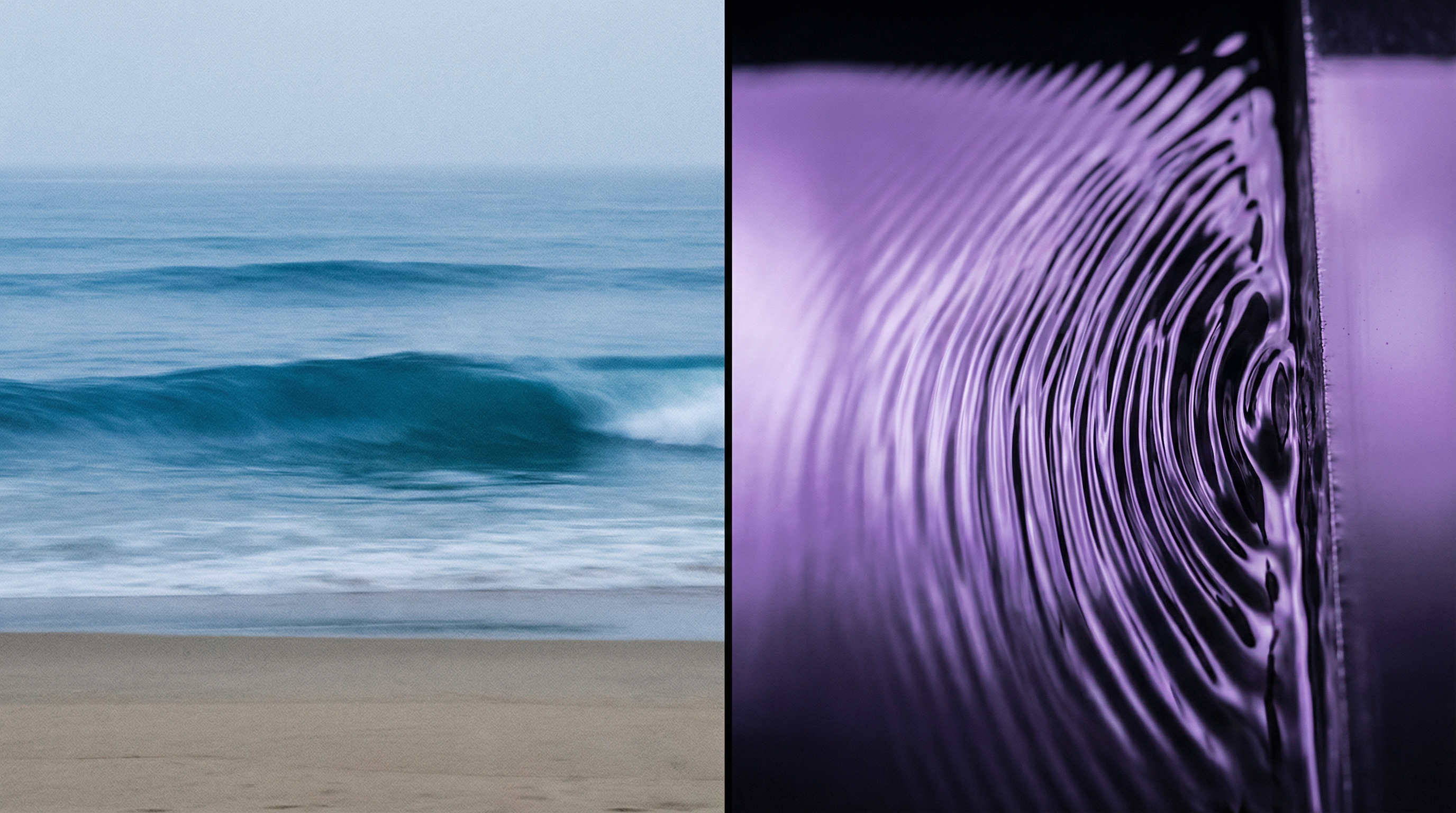
Standard light is too wide to carve such small details. EUV machines use Extreme Ultraviolet light, which has a very short wavelength, allowing for incredible precision on the silicon wafer.
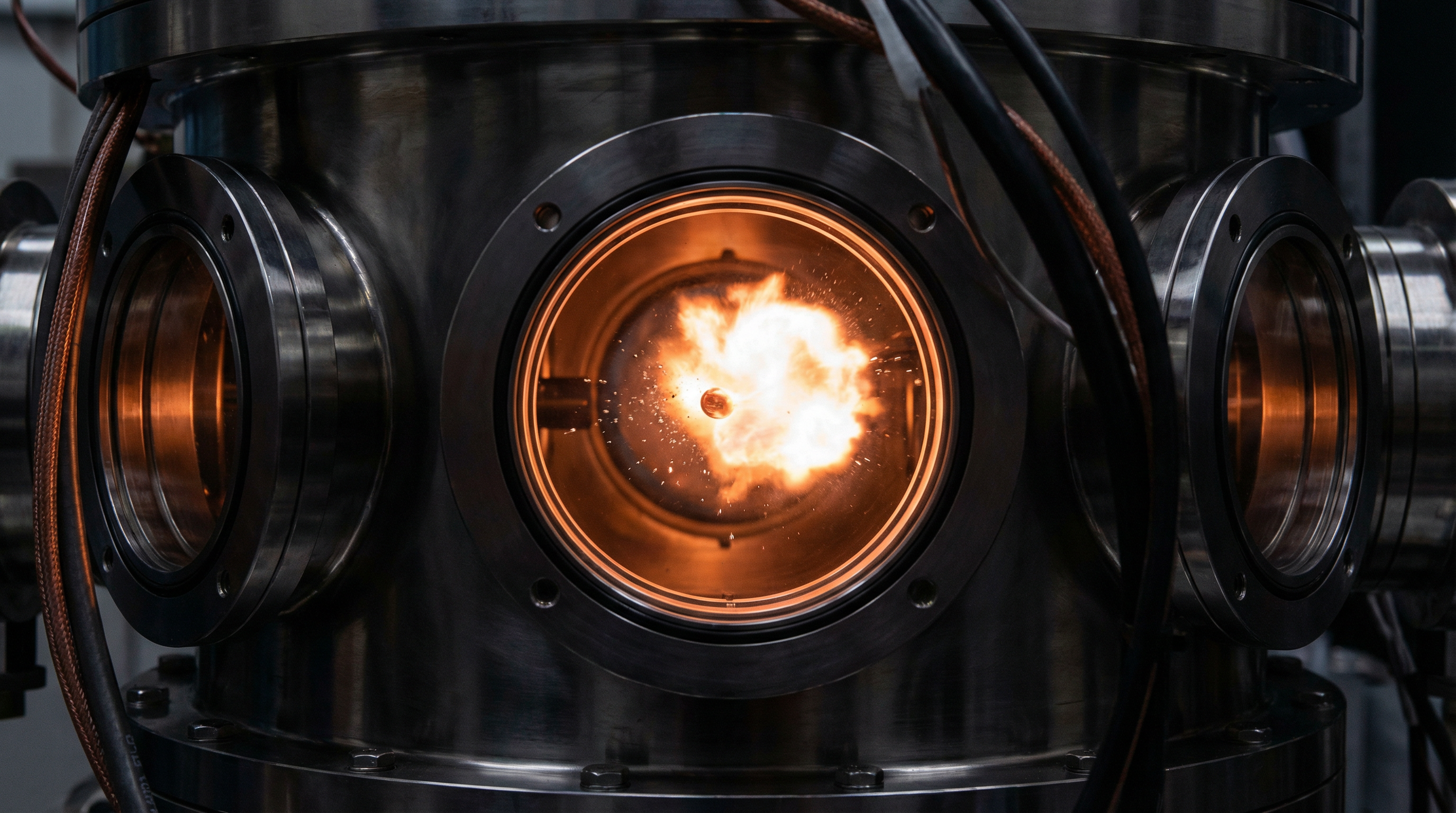
To get this light, lasers fire at droplets of molten tin. This creates a hot plasma that emits the specific EUV light needed to etch the complex patterns onto the chip.
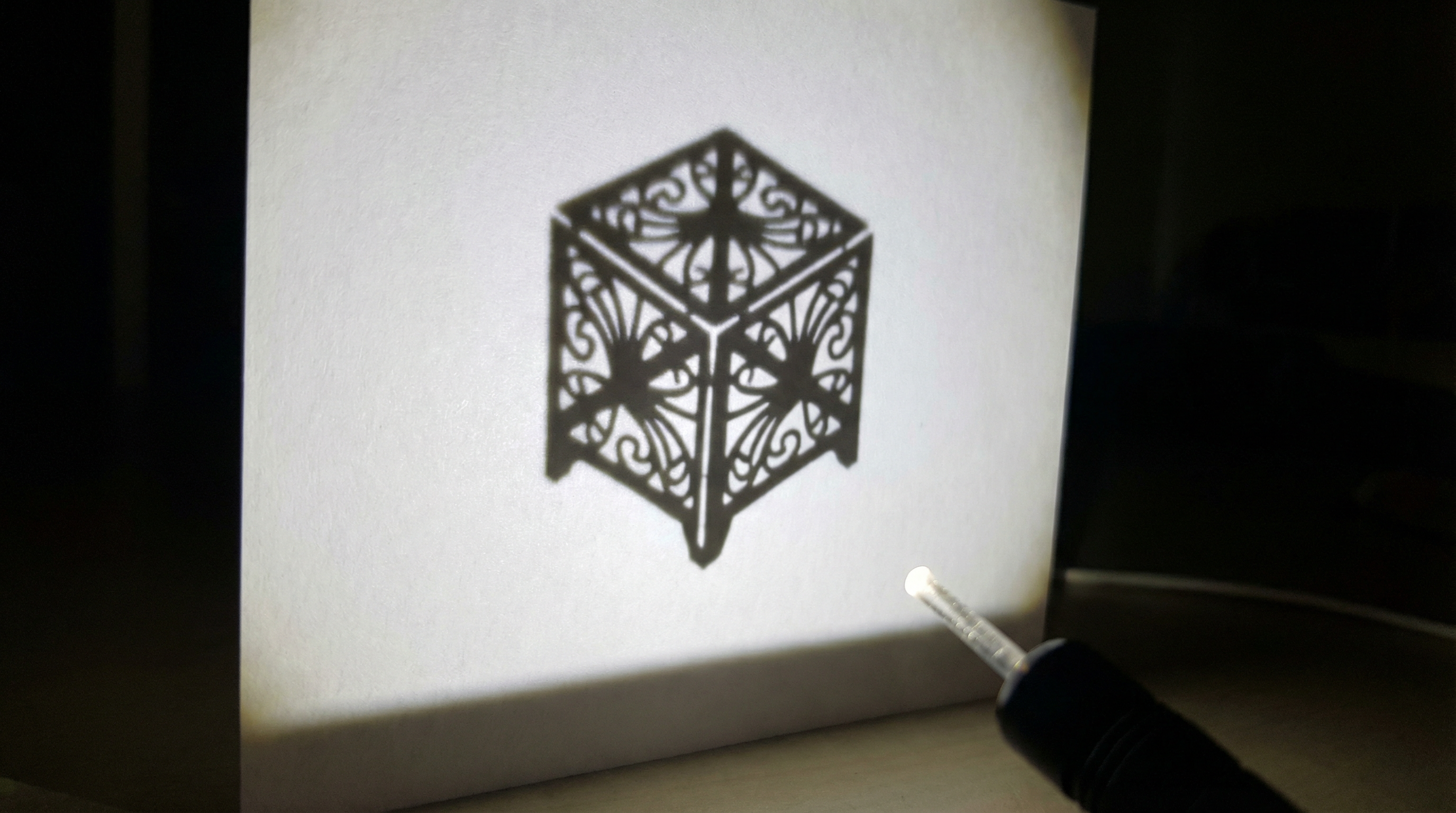
Think about how shadows work. If you hold a pen closer to a wall, the shadow is sharper. How might using a shorter light wavelength create sharper edges than visible light?
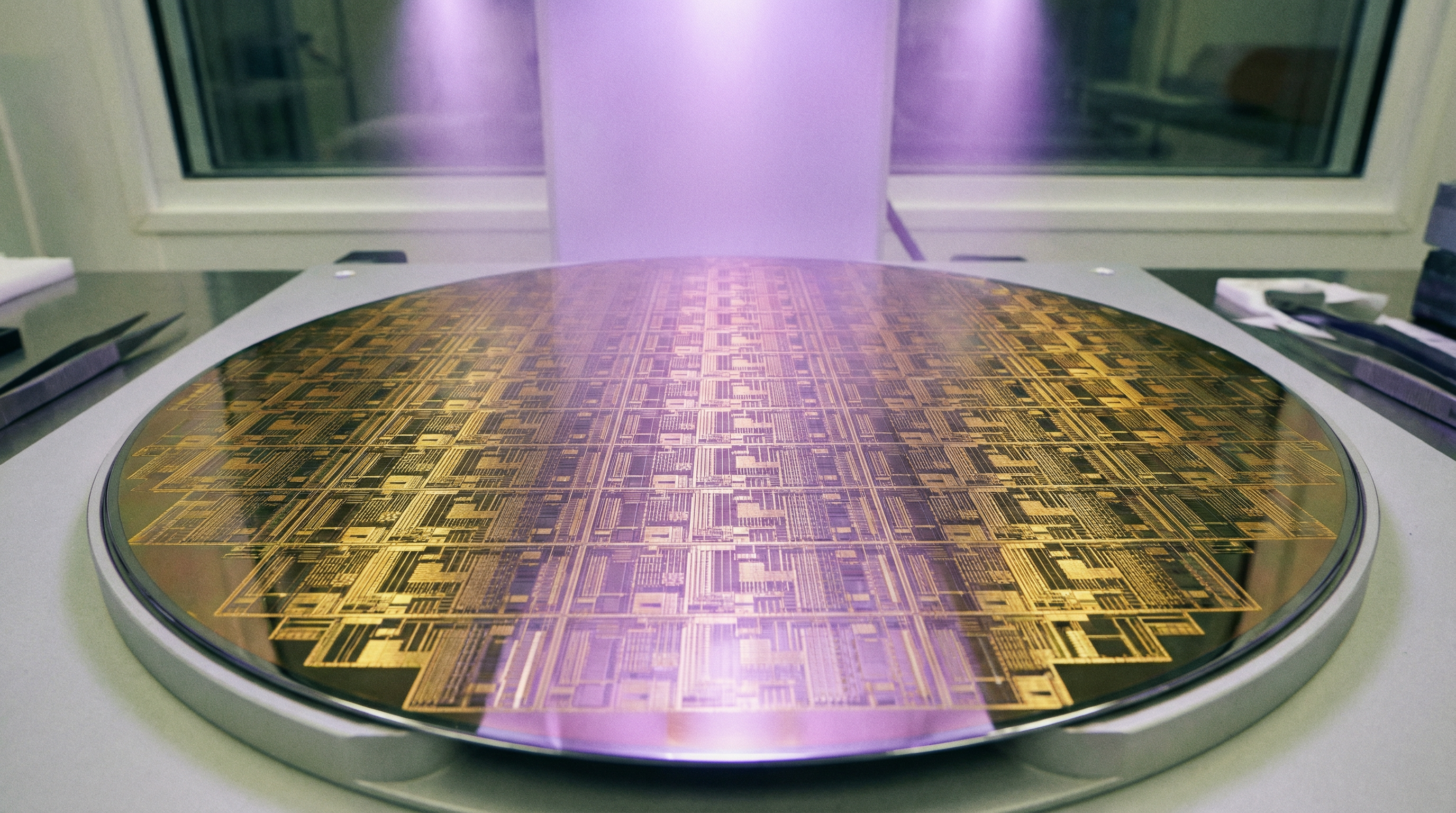
This light reflects off masks that act like stencils. The patterned light then hits a silicon wafer coated in photoresist, hardening the material to form the chip's intricate circuit pathways.
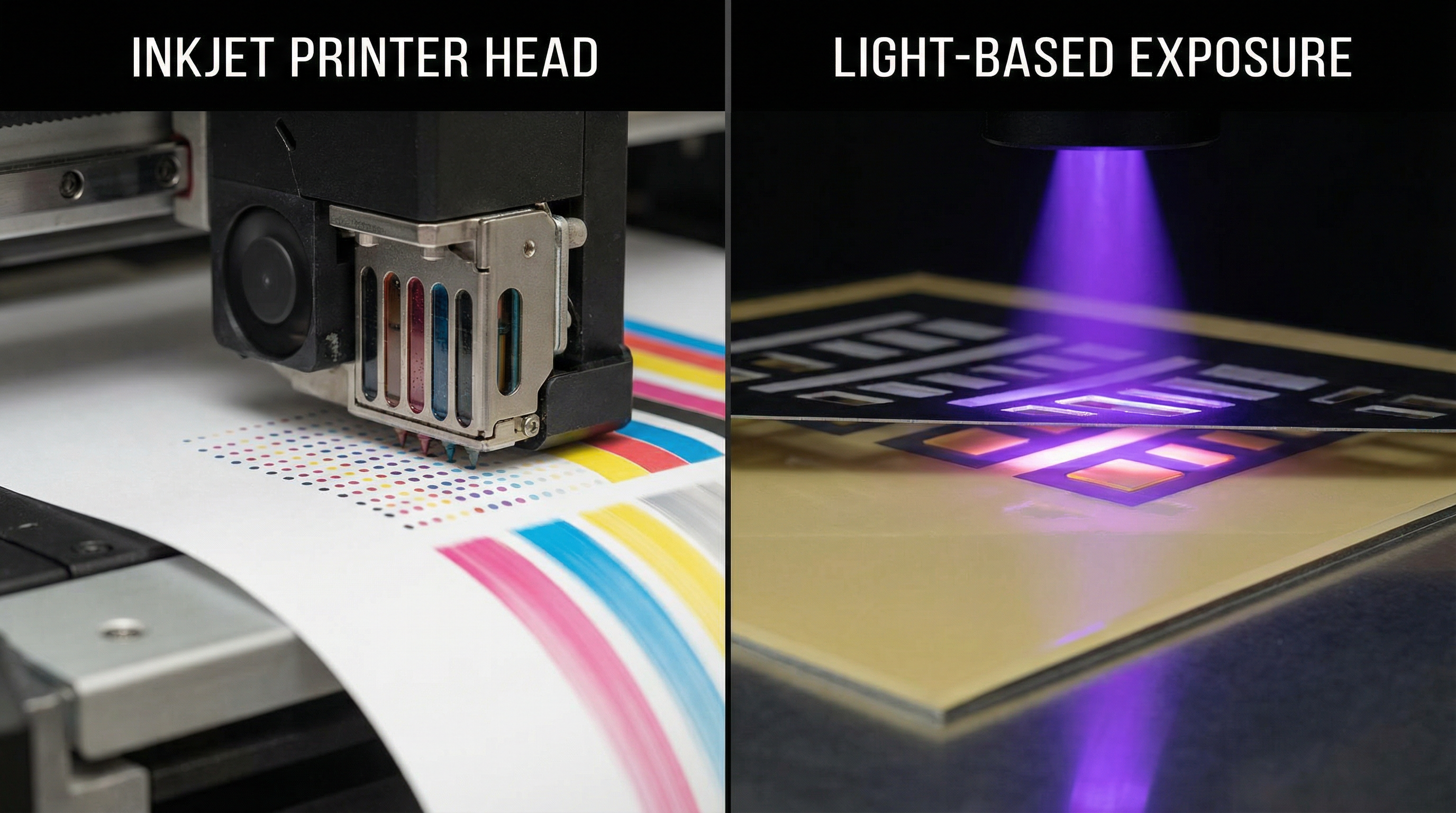
It is a common mistake to think the machine 'prints' the chip like an inkjet printer. Instead, it uses light to chemically change a surface, which is then etched away later.

You have learned that EUV uses short-wavelength light to etch nanometer-scale chips. But if we reach the limit of how small we can etch, what comes after silicon transistors?
Describe any idea in a sentence and Remee builds it for you — stories, games and quizzes on whatever you or your class are working on. Free to start, no card needed, and everything you make gets a link you can share anywhere.
Remee turns any idea into an illustrated story, a playable game, or an interactive quiz — at home or in the classroom.