 Lesson
This lesson explores the science of false memory, showing how our brains reconstruct past events rather than playing back recorded video files.
Have you ever been certain about a memory, only to find out you were wrong? Our brains are not video cameras; they are active builders that reconstruct our past every day.
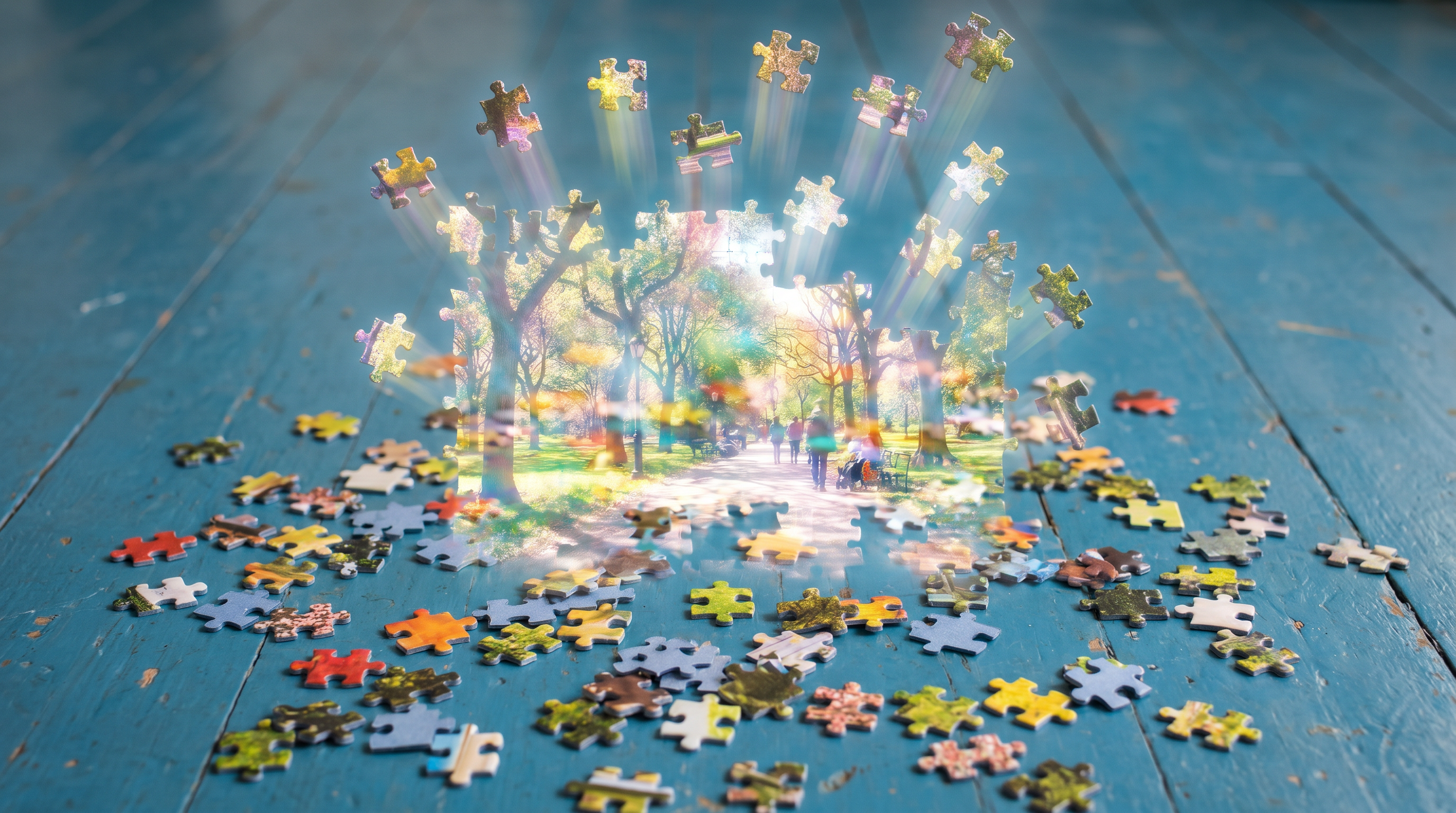
When we recall an event, we pull pieces of information from different areas of the brain. We then weave these fragments together, often filling in gaps with our current knowledge.

Scientists discovered that by using careful, suggestive language, they can guide someone to 'remember' details that never happened. This is called the misinformation effect, and it happens quite easily.
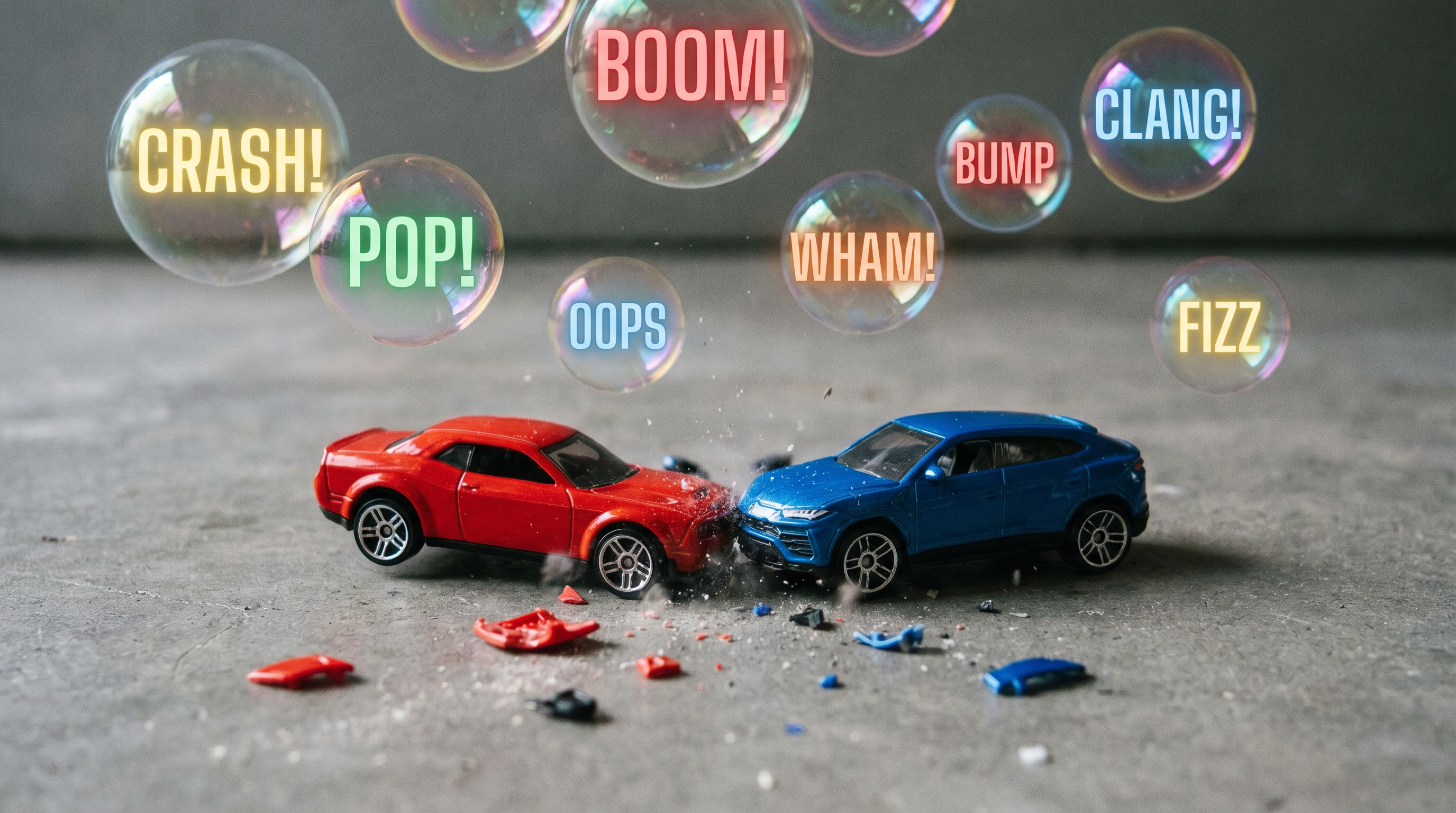
Consider this: If you watch a video of a car crash and I ask, 'How fast were the cars going when they smashed together?' versus 'hit,' what happens to your memory?
In legal settings, this is why eyewitness testimony is often unreliable. Even an honest person can unknowingly incorporate new, false information into their memory of a real-world crime scene.
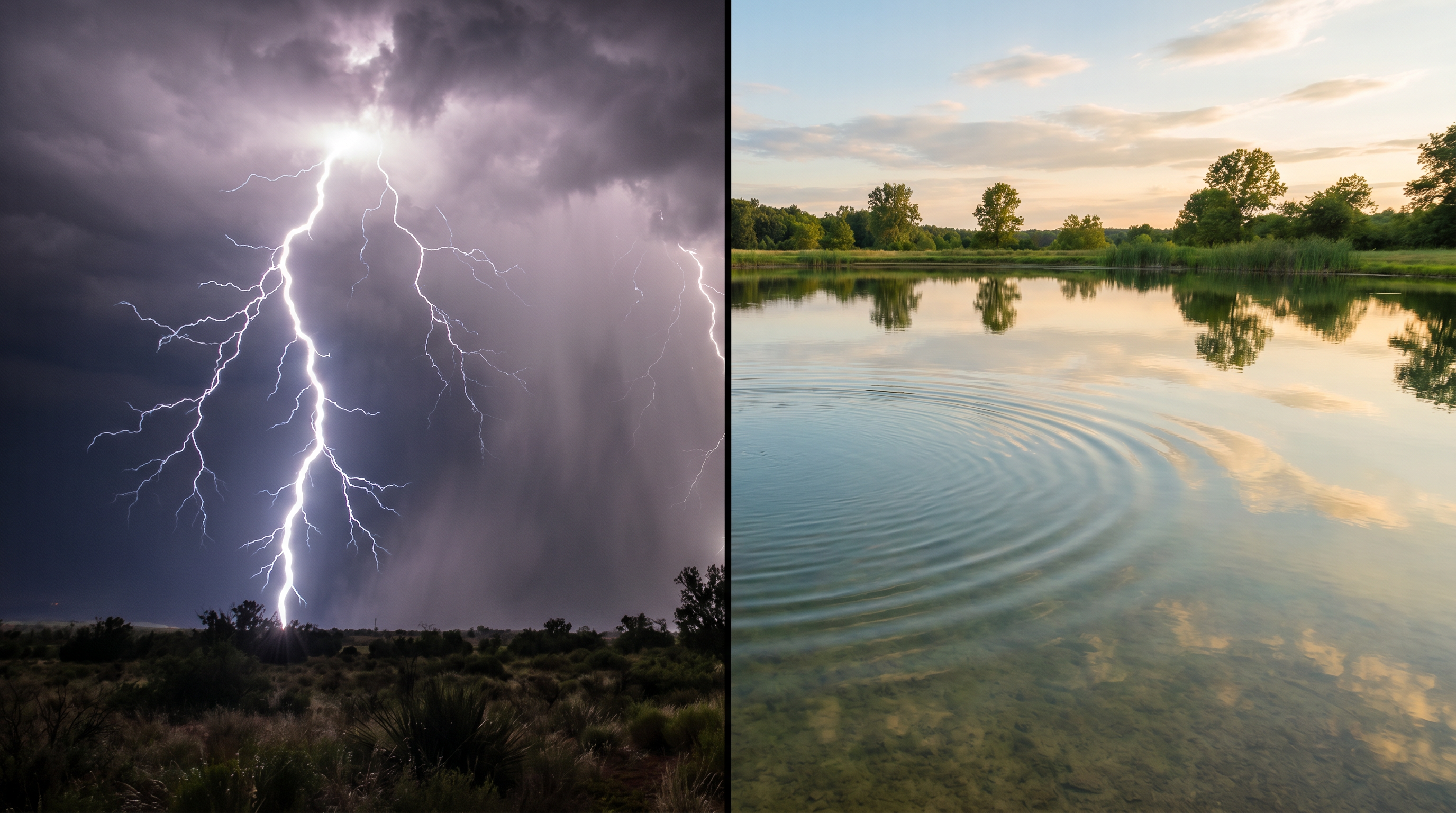
Many believe that if a memory feels vivid and emotional, it must be accurate. Actually, science shows that strong emotions can make a memory feel clearer, but not more correct.
Your memory is a reconstruction, not a recording. While this helps us learn, it leaves us open to suggestion. But if our minds change the past, how do we define our true selves?
Describe any idea in a sentence and Remee builds it for you — stories, games and quizzes on whatever you or your class are working on. Free to start, no card needed, and everything you make gets a link you can share anywhere.
Remee turns any idea into an illustrated story, a playable game, or an interactive quiz — at home or in the classroom.