 Lesson
This lesson explores the origin of the World Cup and its role as a global platform for diplomacy, cultural exchange, and international cooperation.

Did you know the World Cup began nearly a century ago? It started as a small gathering but grew into the most-watched sporting event on Earth, connecting billions of people globally.

At its core, the tournament is a celebration of human skill and dedication. It provides a neutral stage where athletes from diverse backgrounds share the same field and rules.

Beyond the goals, the event acts as a bridge. Countries build new infrastructure, improve transportation, and welcome visitors from every corner of the globe to share their unique cultures.
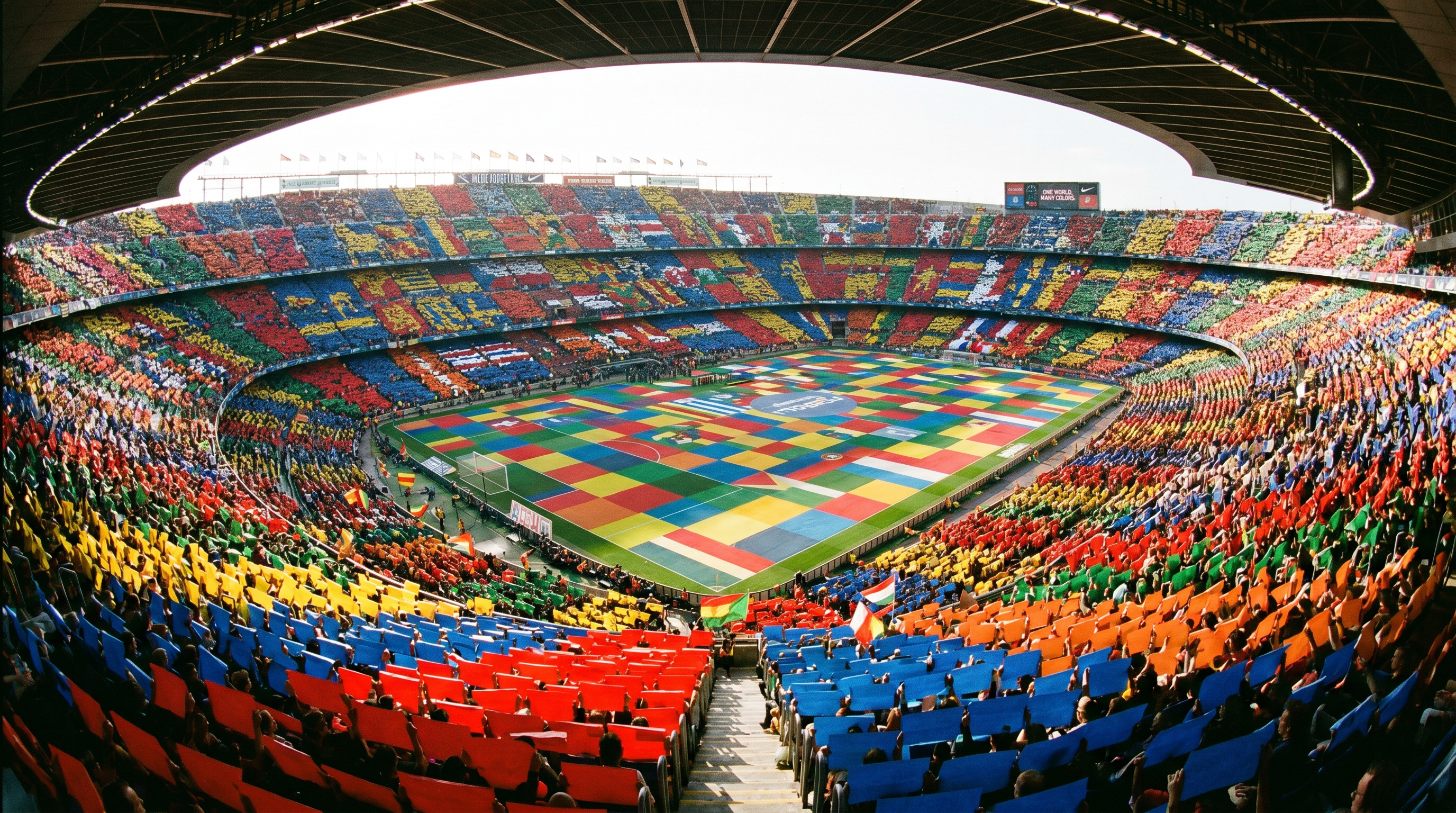
Think about this: how do millions of people who speak different languages manage to communicate and cheer together during a match? What non-verbal cues allow fans to share excitement?

The event fosters collaboration through 'cultural diplomacy.' By hosting, nations invite the world to learn about their history, food, and traditions, breaking down stereotypes through shared positive experiences.

Some think the event is only about winning. In reality, the lasting impact is the economic growth and international relationships built long after the final whistle has been blown.

The World Cup proves that despite differences, we can unite for a common goal. But as technology advances, how will the way we experience these global events evolve next?
Describe any idea in a sentence and Remee builds it for you — stories, games and quizzes on whatever you or your class are working on. Free to start, no card needed, and everything you make gets a link you can share anywhere.
Remee turns any idea into an illustrated story, a playable game, or an interactive quiz — at home or in the classroom.