 Lesson
This lesson explores the biological mechanisms behind the adolescent sleep phase delay and the physiological consequences of waking up before the brain is ready.

Have you ever wondered why it feels physically impossible to fall asleep at ten o'clock, yet waking up at six feels like a struggle? Your biology is working against the clock.
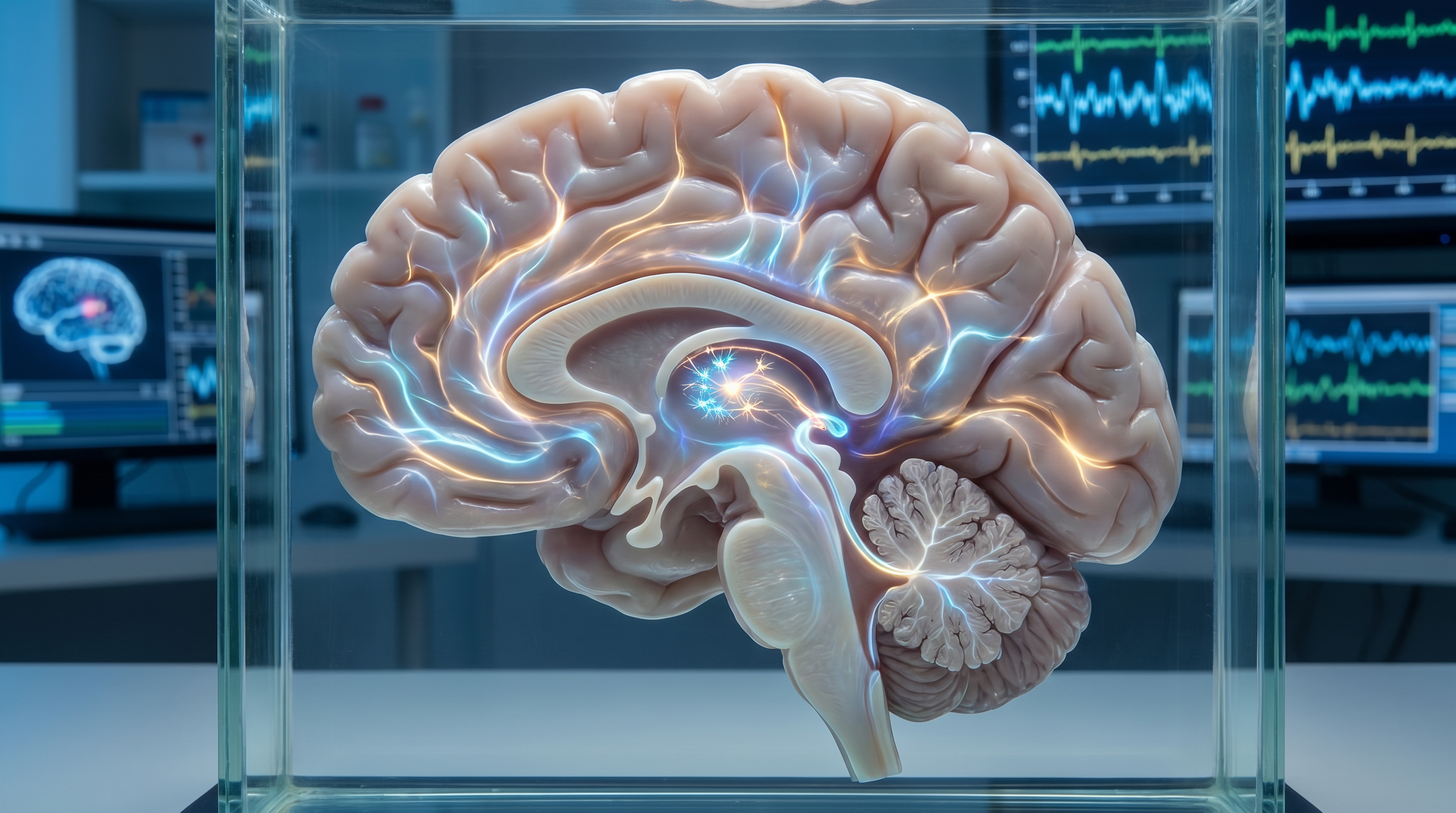
This is called the circadian phase delay. During adolescence, your internal biological clock shifts, pushing your natural bedtime and wake-up time significantly later than in childhood or adulthood.

Melatonin, the hormone that signals sleep, is released later in the evening for teens. This chemical shift effectively pushes your sleep window forward by about two full hours.
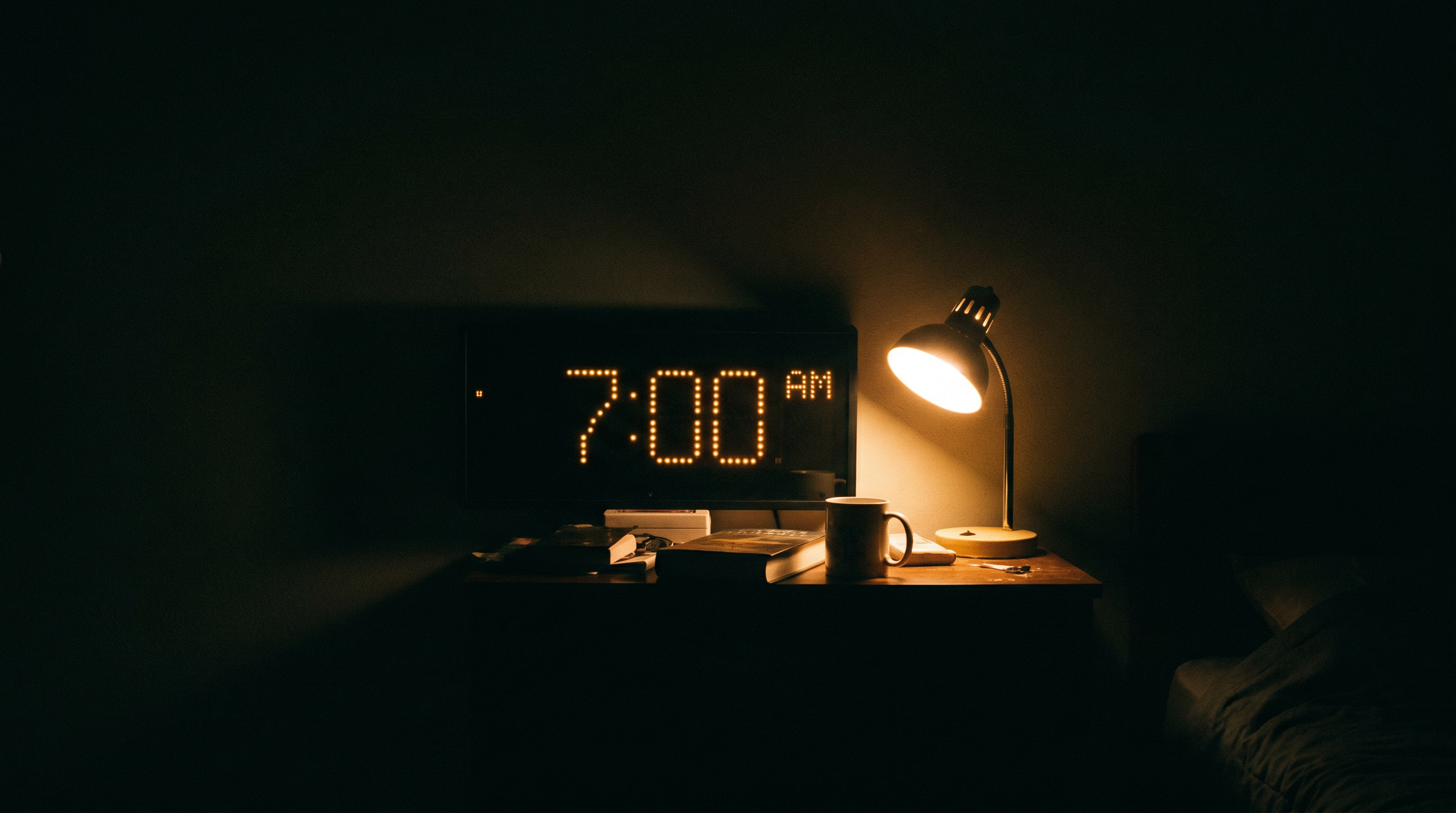
Observe your own energy levels: do you feel most alert and creative in the late evening hours while struggling to focus during the first period of your school day?
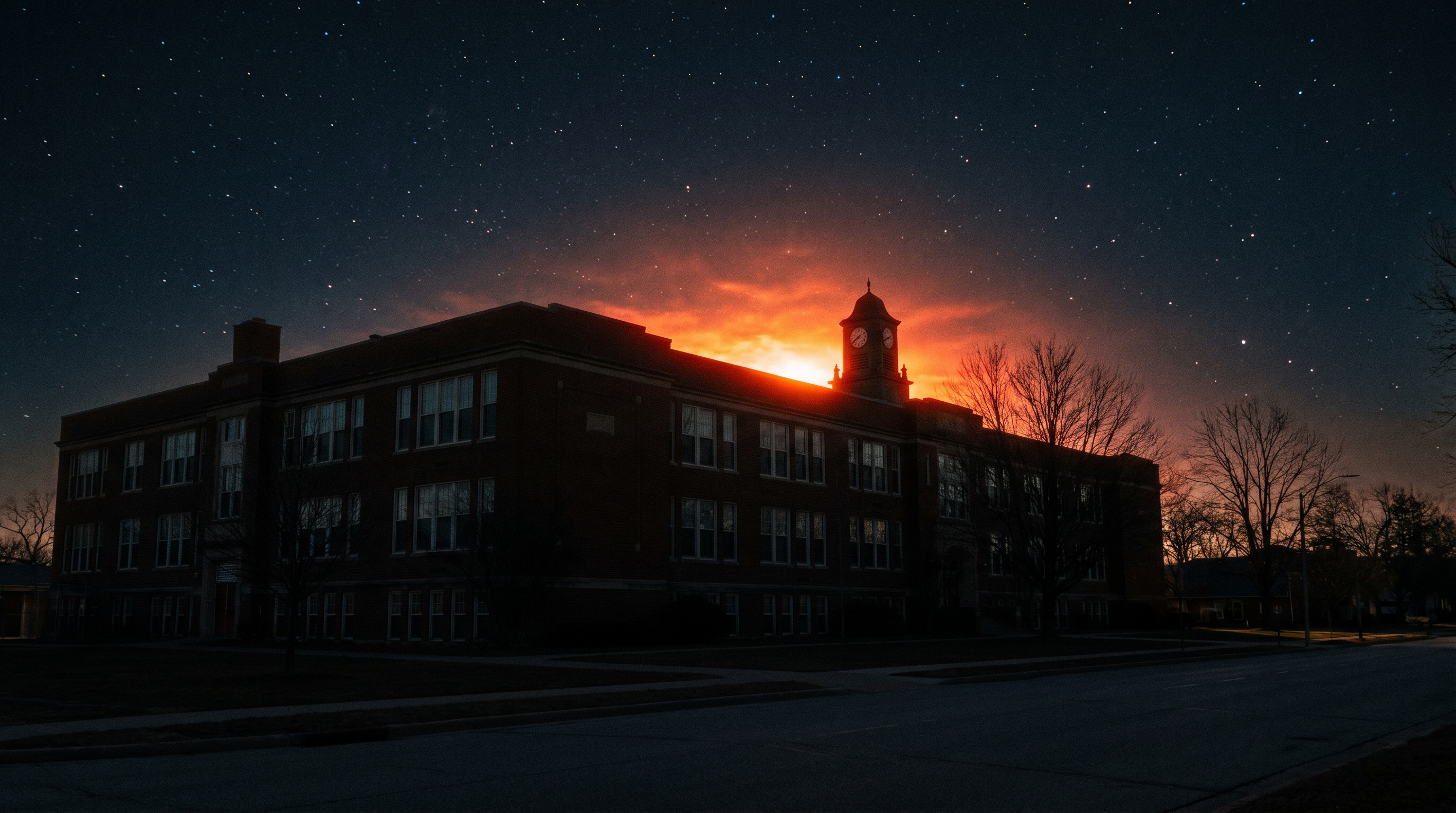
When school starts at eight, your brain is often still in its natural sleep phase. This mismatch prevents you from accessing the restorative REM sleep needed for memory consolidation.

It is a misconception that teens are just lazy or addicted to screens. While screens don't help, the primary driver is a deep-seated biological shift in your neural timing.
You have learned that your sleep cycle is a biological adaptation, not a choice. But if your brain is wired for this shift, what does that mean for our societal structures? Could we evolve to match our biology?
Describe any idea in a sentence and Remee builds it for you — stories, games and quizzes on whatever you or your class are working on. Free to start, no card needed, and everything you make gets a link you can share anywhere.
Remee turns any idea into an illustrated story, a playable game, or an interactive quiz — at home or in the classroom.