 Lesson
This lesson explores the mathematical landscape of machine learning, illustrating how parameters navigate error surfaces to reach optimal states.

Have you ever wondered how a machine actually learns? It begins with a massive landscape of potential solutions, where the goal is to find the lowest point of error possible.

Gradient descent is the engine of this process. It calculates the slope of the error surface at any given point, telling the system exactly which direction leads toward better accuracy.

As the system adjusts its parameters, it takes tiny steps downhill. Each adjustment is a calculated effort to reduce the distance between the model's current output and the correct result.
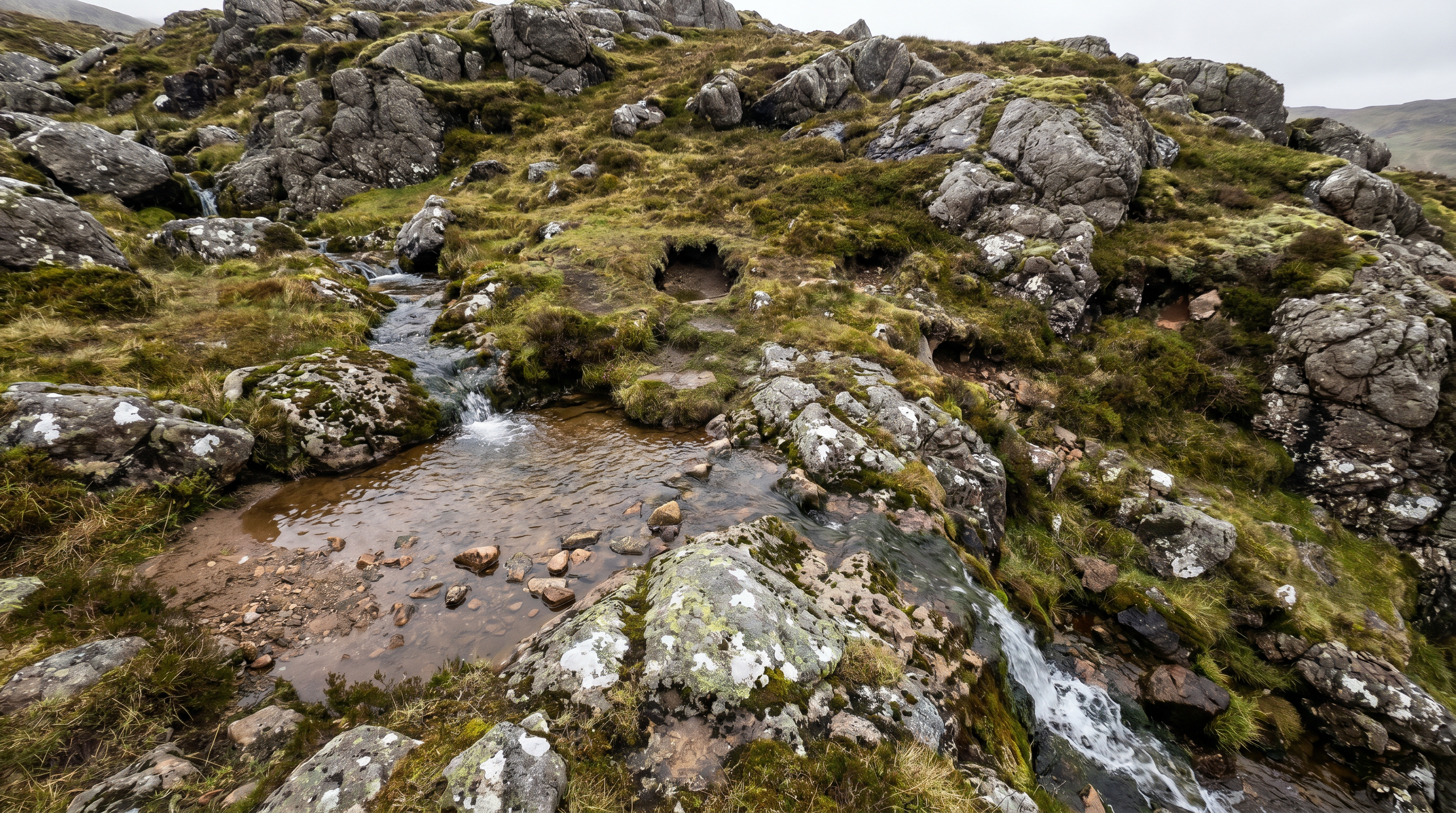
Consider how water flows down a bumpy hillside. Does it always reach the absolute lowest point, or can it get trapped in small, shallow depressions along the way? What happens?

In practice, this is how neural networks train. By processing millions of data points, the model iteratively tunes its billions of internal connections to minimize its overall error rate.
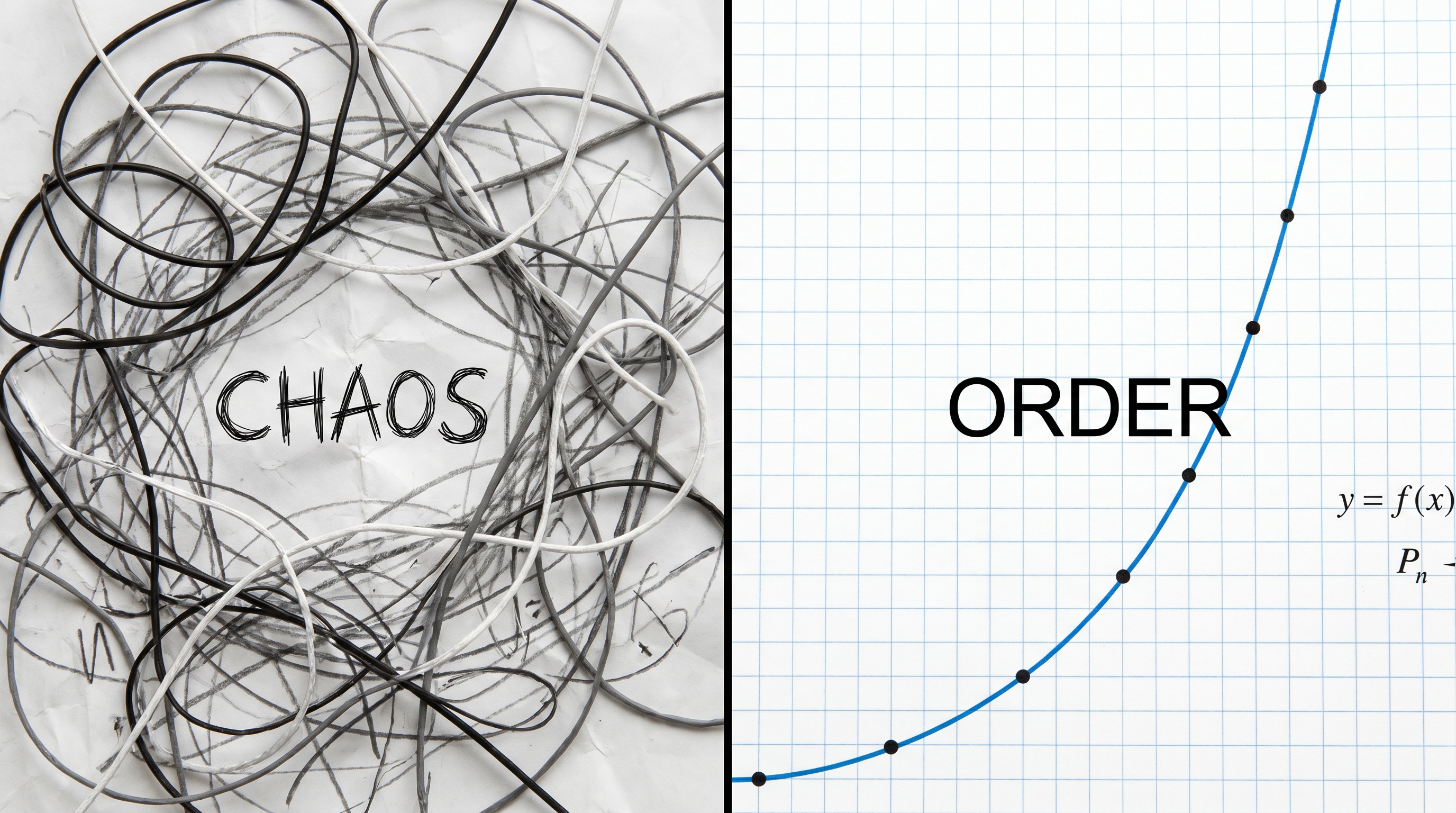
A common misconception is that AI simply 'memorizes' data. In reality, it is finding a general mathematical path, avoiding simple memorization to handle new, unseen information effectively.

You have learned how gradient descent navigates the error landscape. But what happens when the landscape itself changes? How does a model adapt when the data evolves over time?
Describe any idea in a sentence and Remee builds it for you — stories, games and quizzes on whatever you or your class are working on. Free to start, no card needed, and everything you make gets a link you can share anywhere.
Remee turns any idea into an illustrated story, a playable game, or an interactive quiz — at home or in the classroom.