 Lesson
This lesson explores the biological distinctions between protozoans, bacteria, and viruses, while examining specific protozoans that interact with human biology.
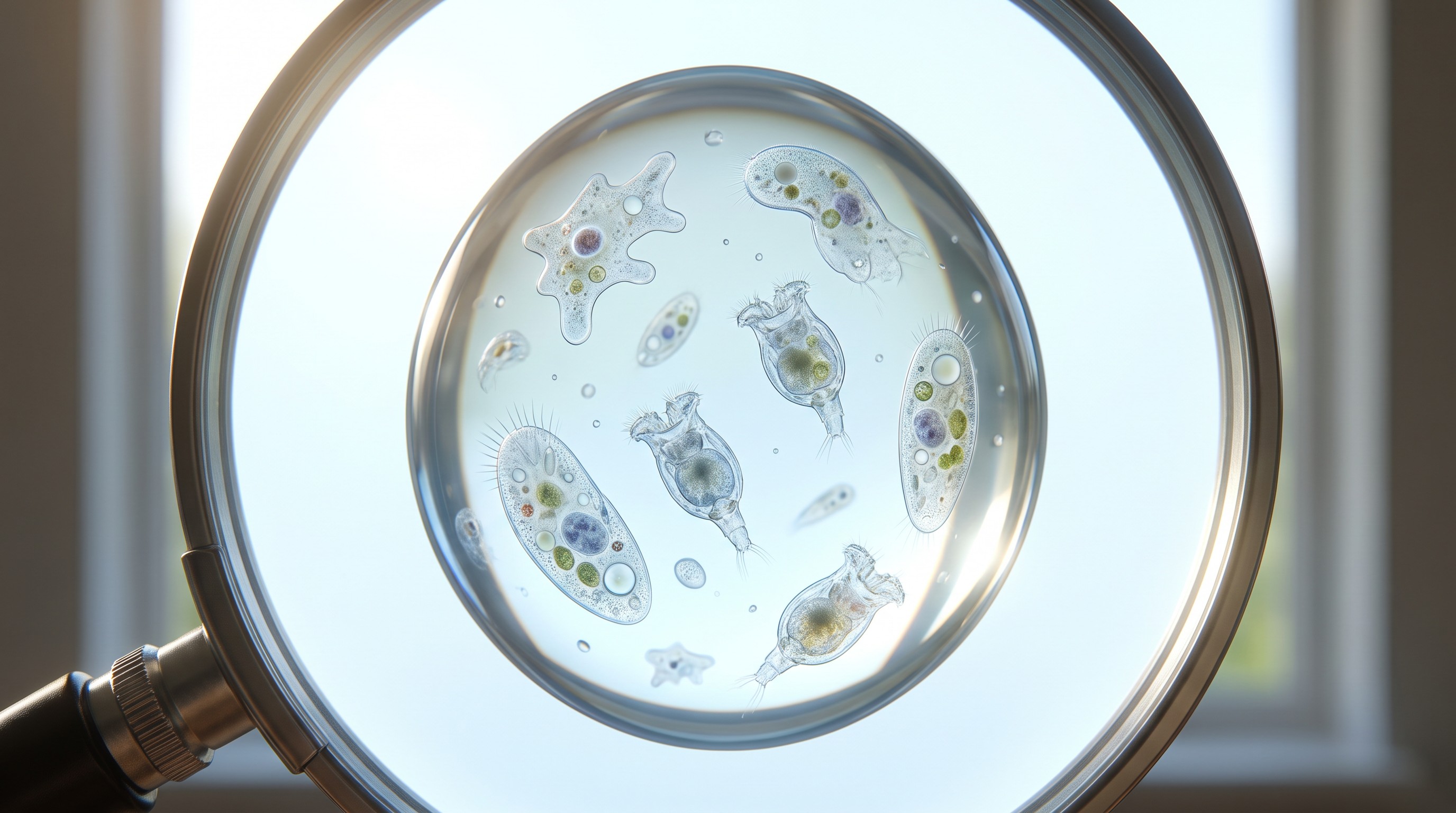
Have you ever wondered what lives in a single drop of pond water? Beyond what your eyes can see, a complex world of tiny, mobile organisms called protozoans is constantly moving.
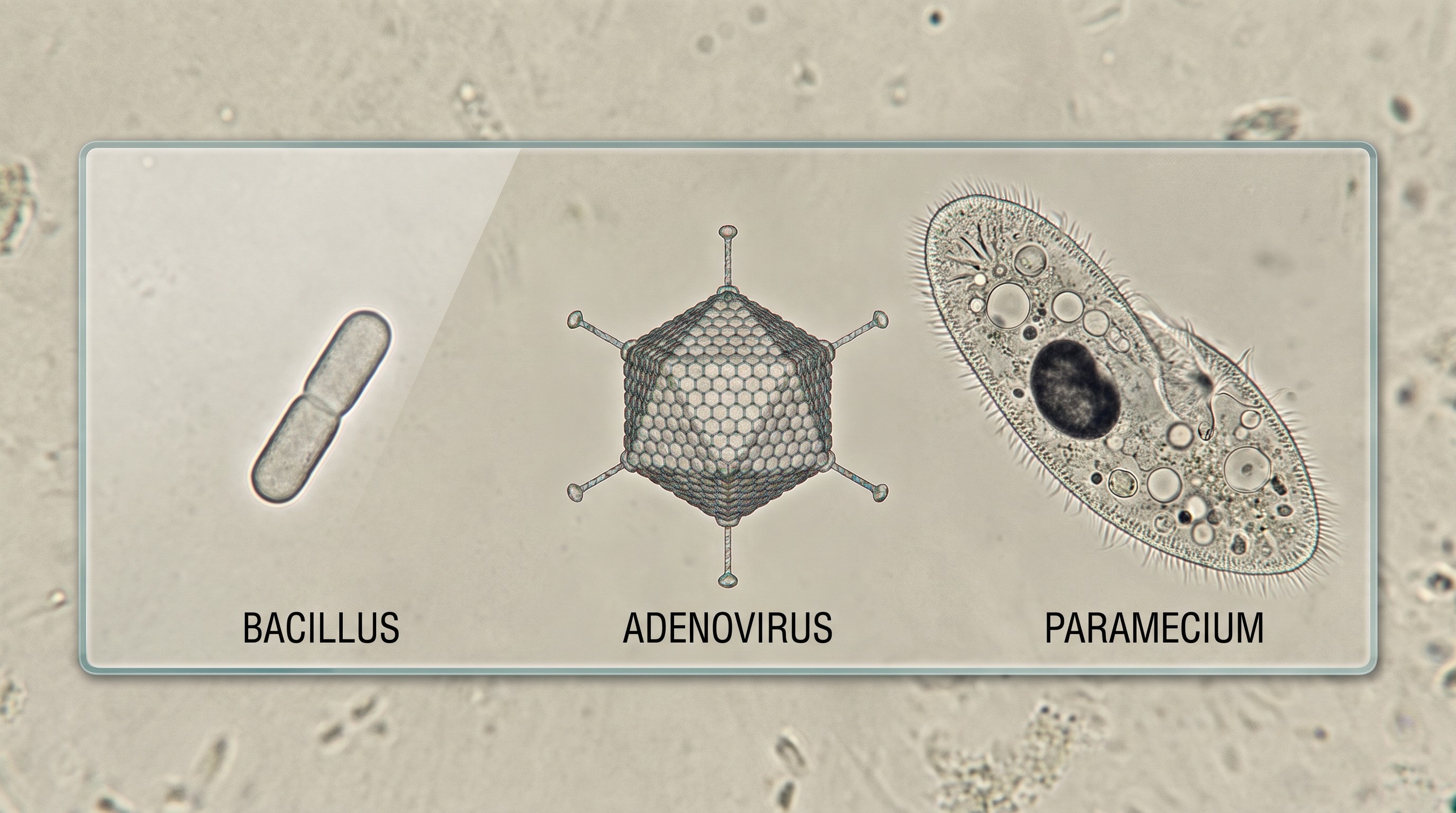
Unlike bacteria, which are simple prokaryotes, or viruses, which are non-living genetic particles, protozoans are complex eukaryotic cells. They possess a defined nucleus and specialized internal organelles for movement.
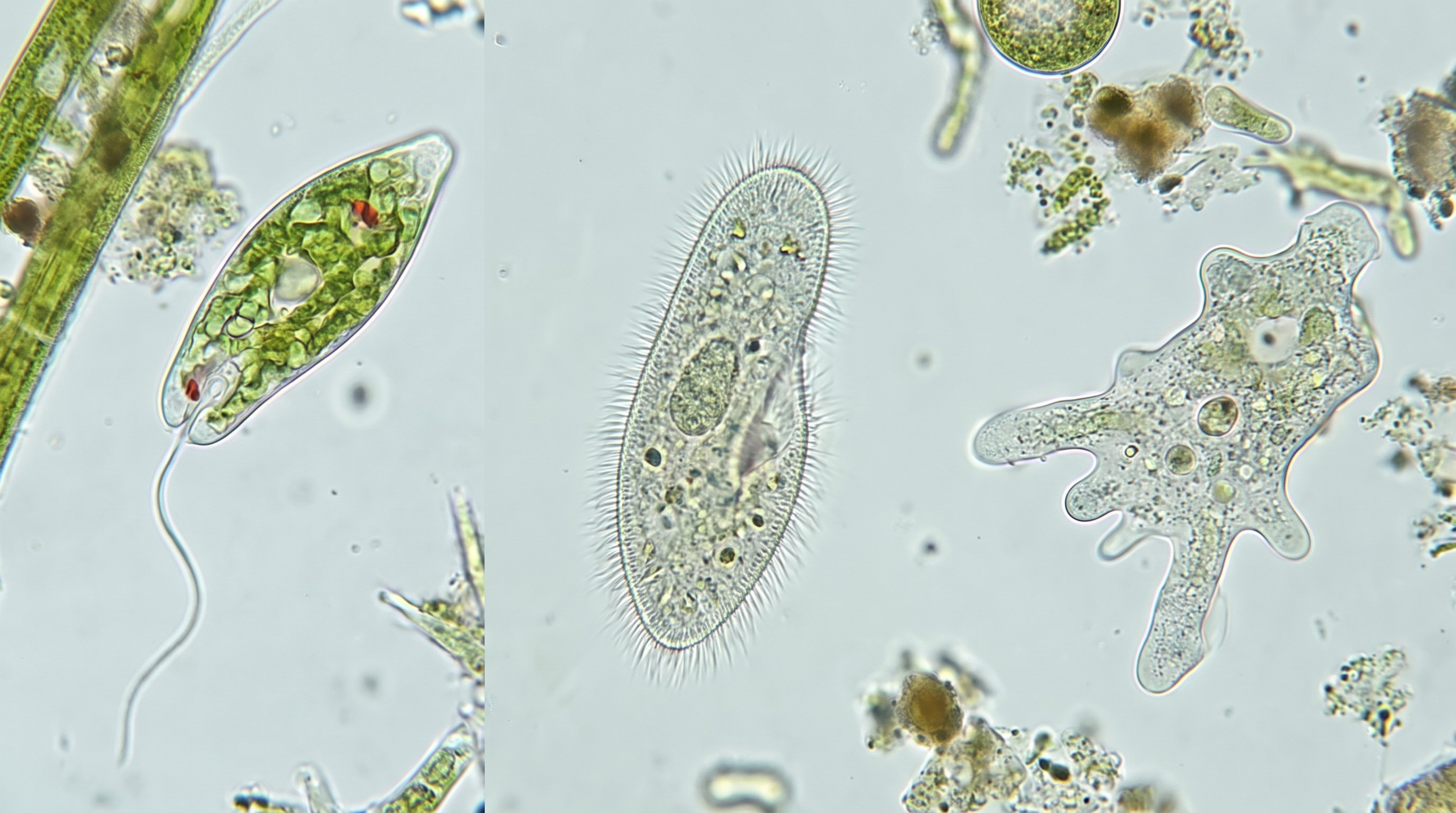
Protozoans move in ingenious ways. Some use whip-like tails called flagella, others use tiny hair-like cilia, and some use temporary, flowing extensions of their cell body called pseudopodia to crawl.
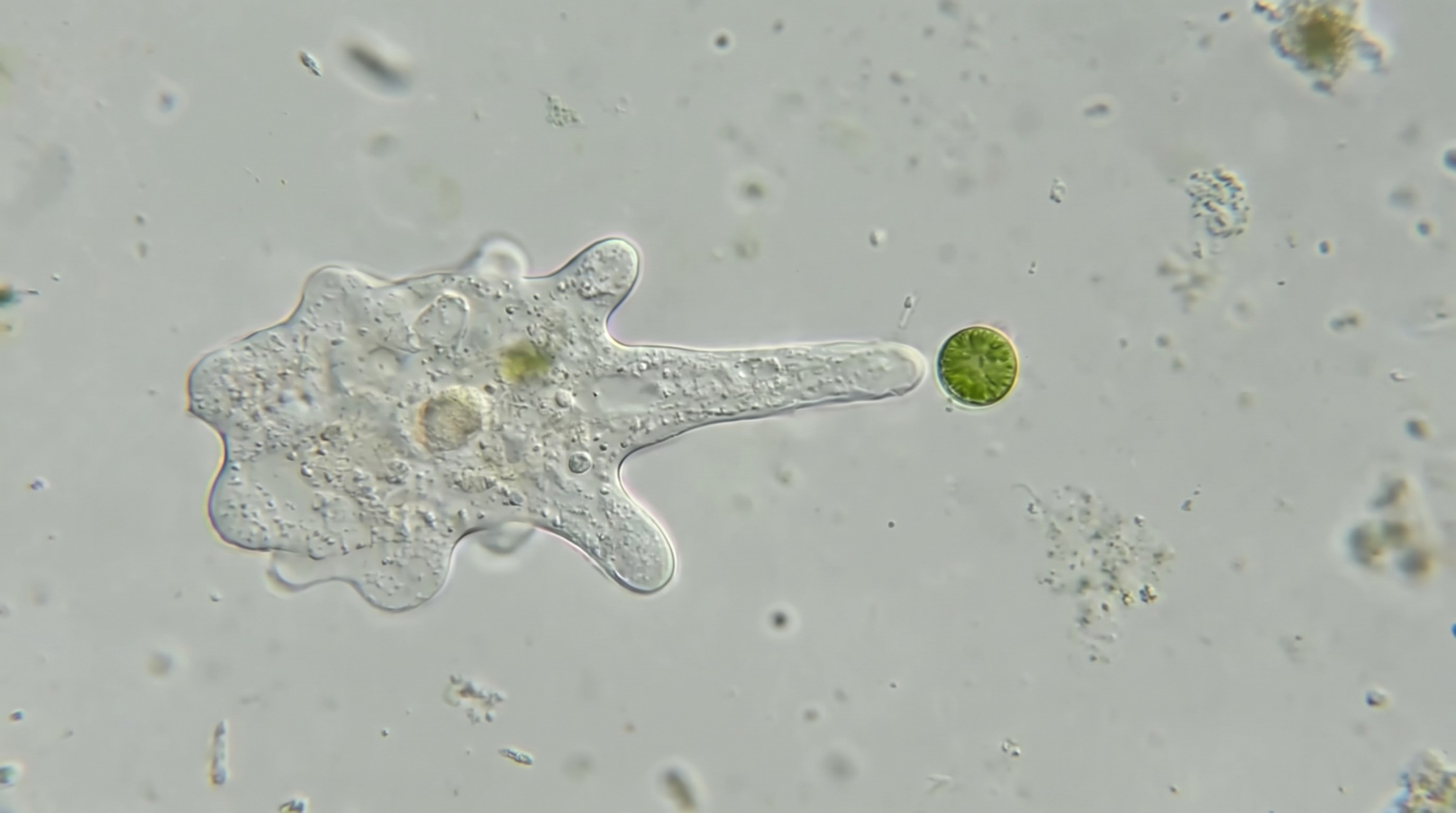
Observe a sample of pond water under a microscope. If you see an organism rapidly changing shape while moving, how might that movement help it capture food in its environment?
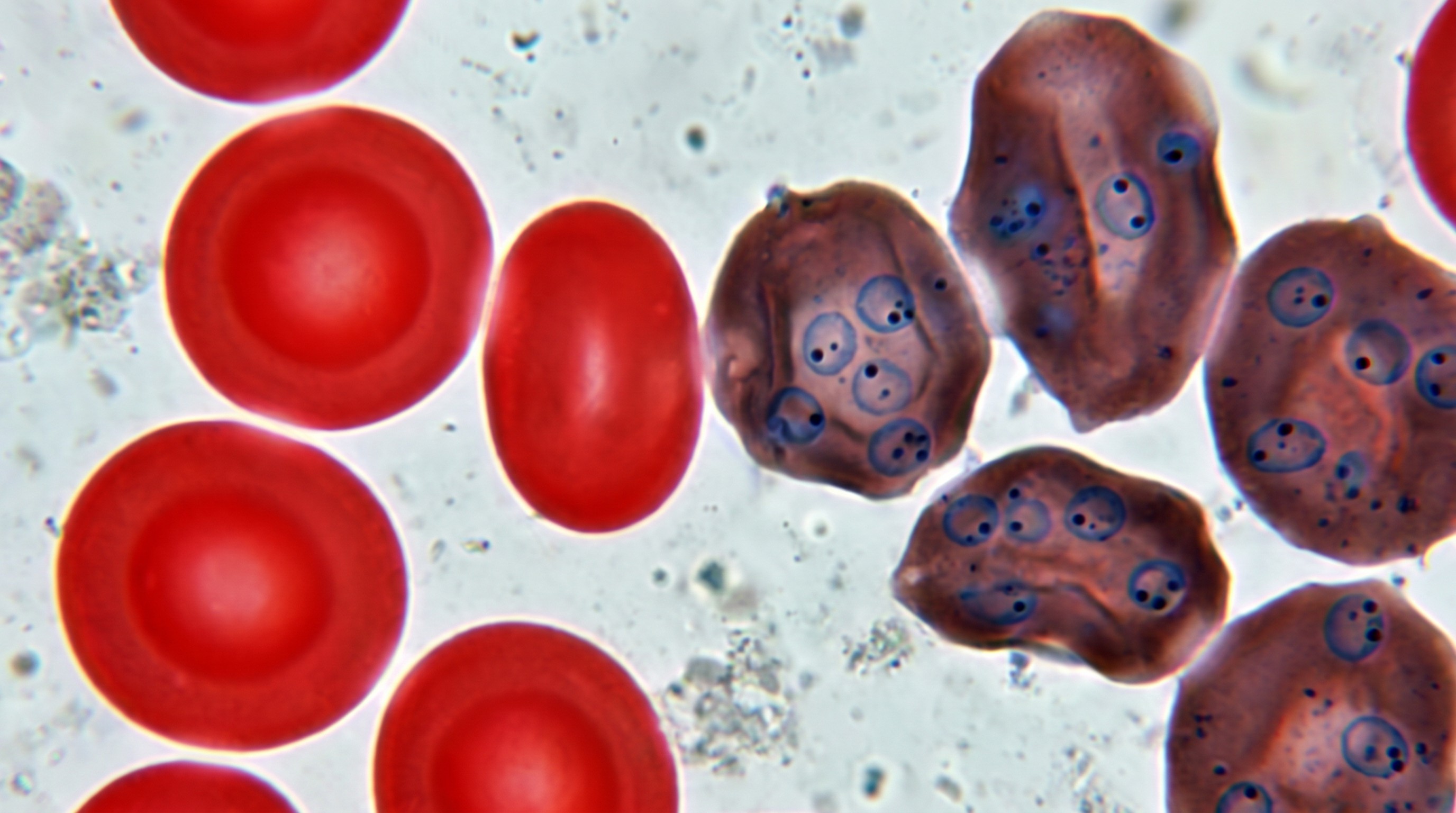
While many live freely in water, some protozoans are parasites. Species like Plasmodium enter human blood, while others like Giardia can inhabit the digestive tract, affecting human health worldwide.
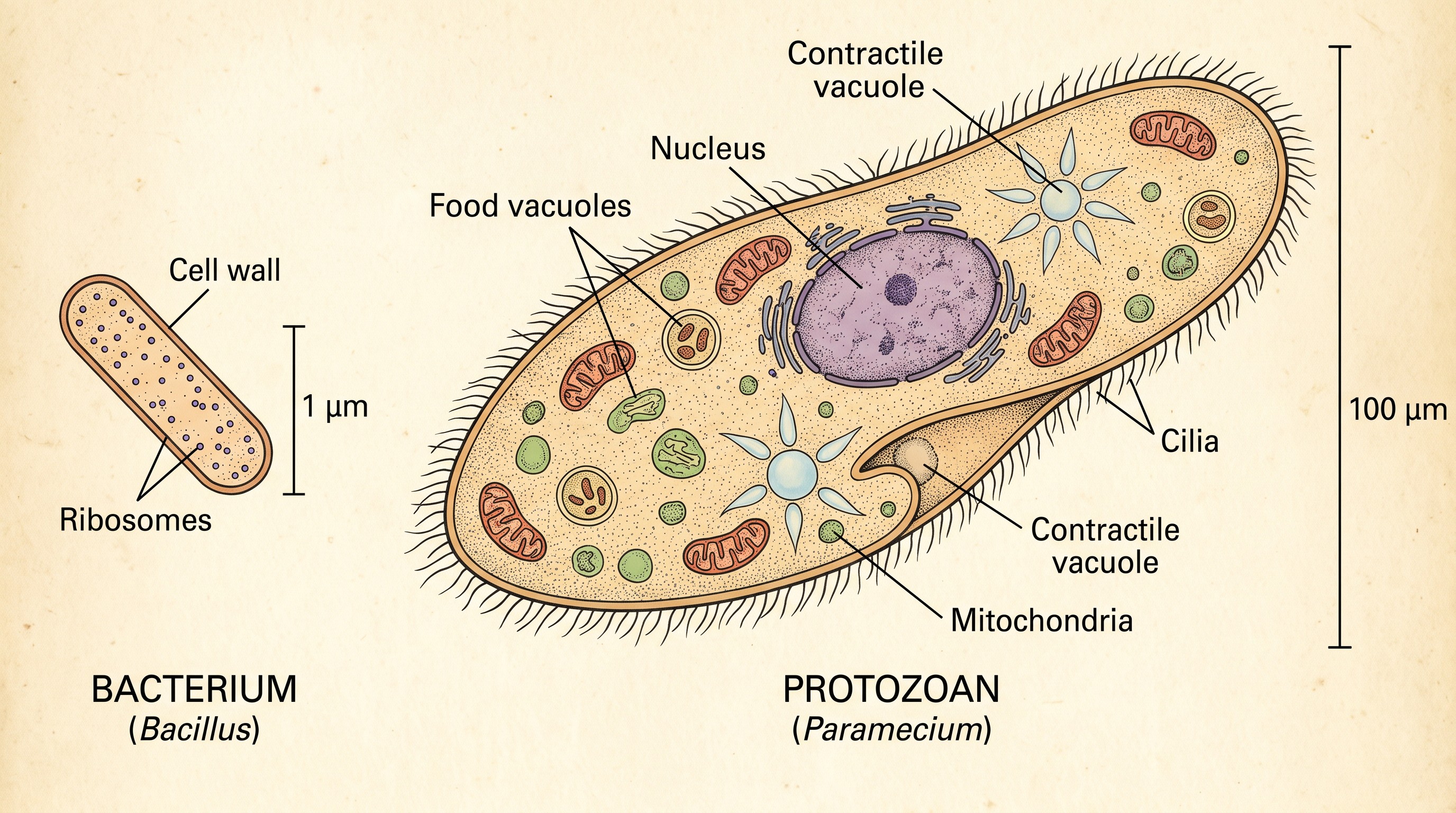
A common mistake is thinking all microbes are bacteria. Remember: protozoans are much larger and more complex than bacteria, and antibiotics that kill bacteria often have no effect on protozoans.
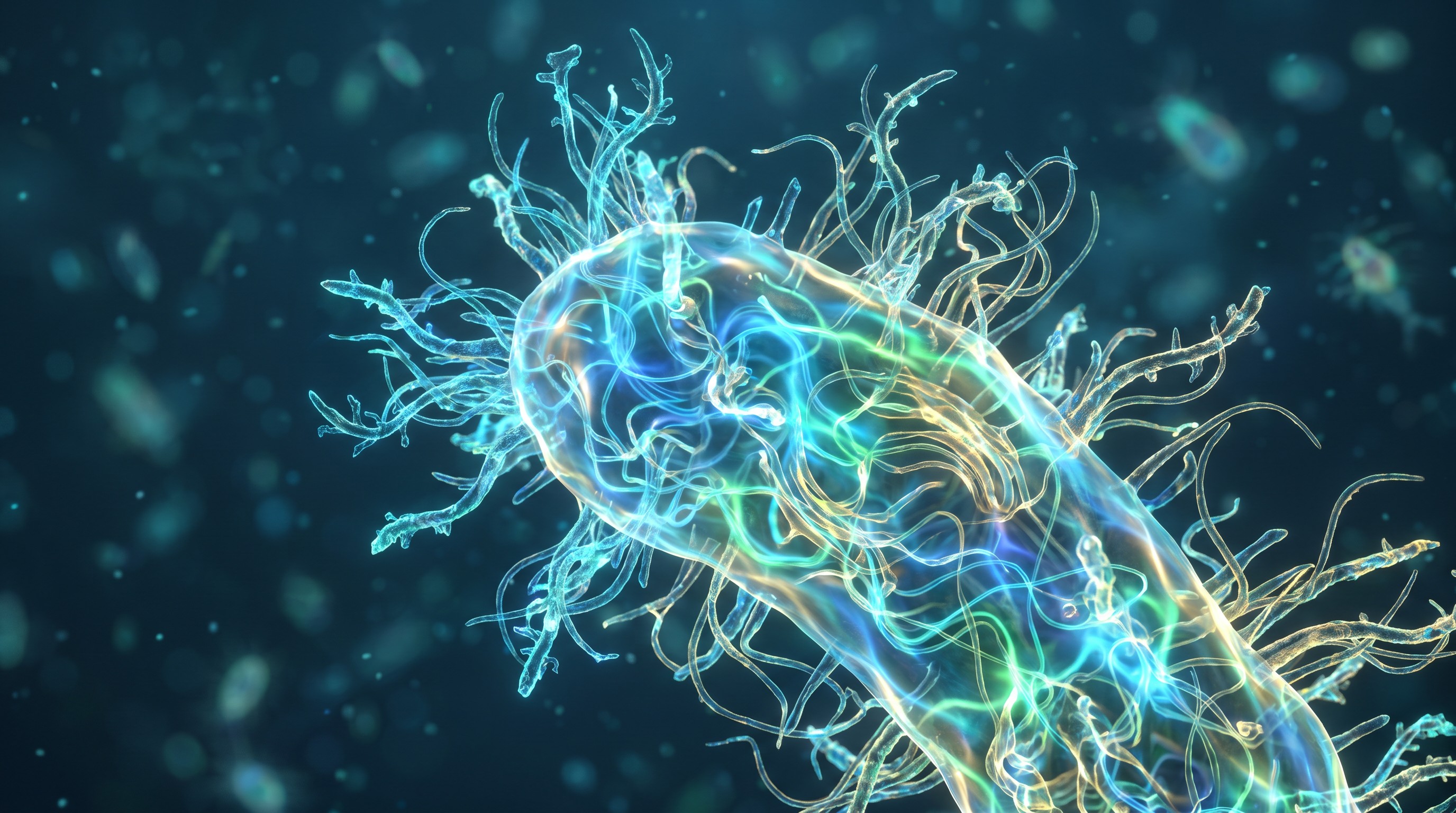
You have learned that protozoans are complex, mobile eukaryotes distinct from bacteria and viruses. But if these organisms have been evolving for billions of years, what new defenses might they develop?
Describe any idea in a sentence and Remee builds it for you — stories, games and quizzes on whatever you or your class are working on. Free to start, no card needed, and everything you make gets a link you can share anywhere.
Remee turns any idea into an illustrated story, a playable game, or an interactive quiz — at home or in the classroom.