 Lesson
This lesson explores how clouds build up static electricity to create lightning and explains the physics behind the delay of thunder.

Have you ever felt a tiny zap after rubbing your socks on a carpet? That is static electricity! Imagine that same power, but on a massive scale inside a dark storm cloud.
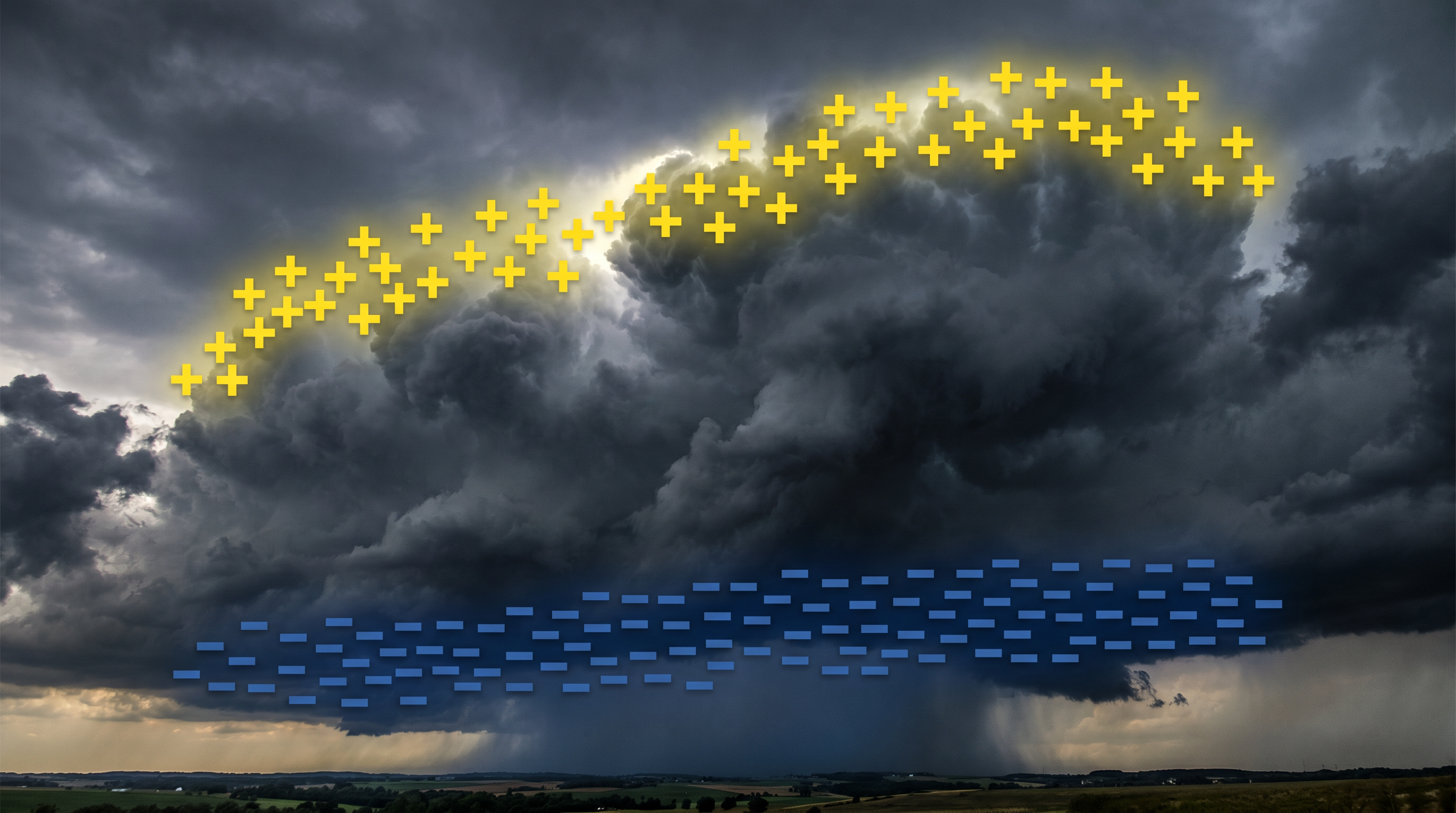
Inside thunderclouds, ice crystals and water droplets bump into each other. This movement creates a buildup of electrical charges, with positive charges at the top and negative at the bottom.
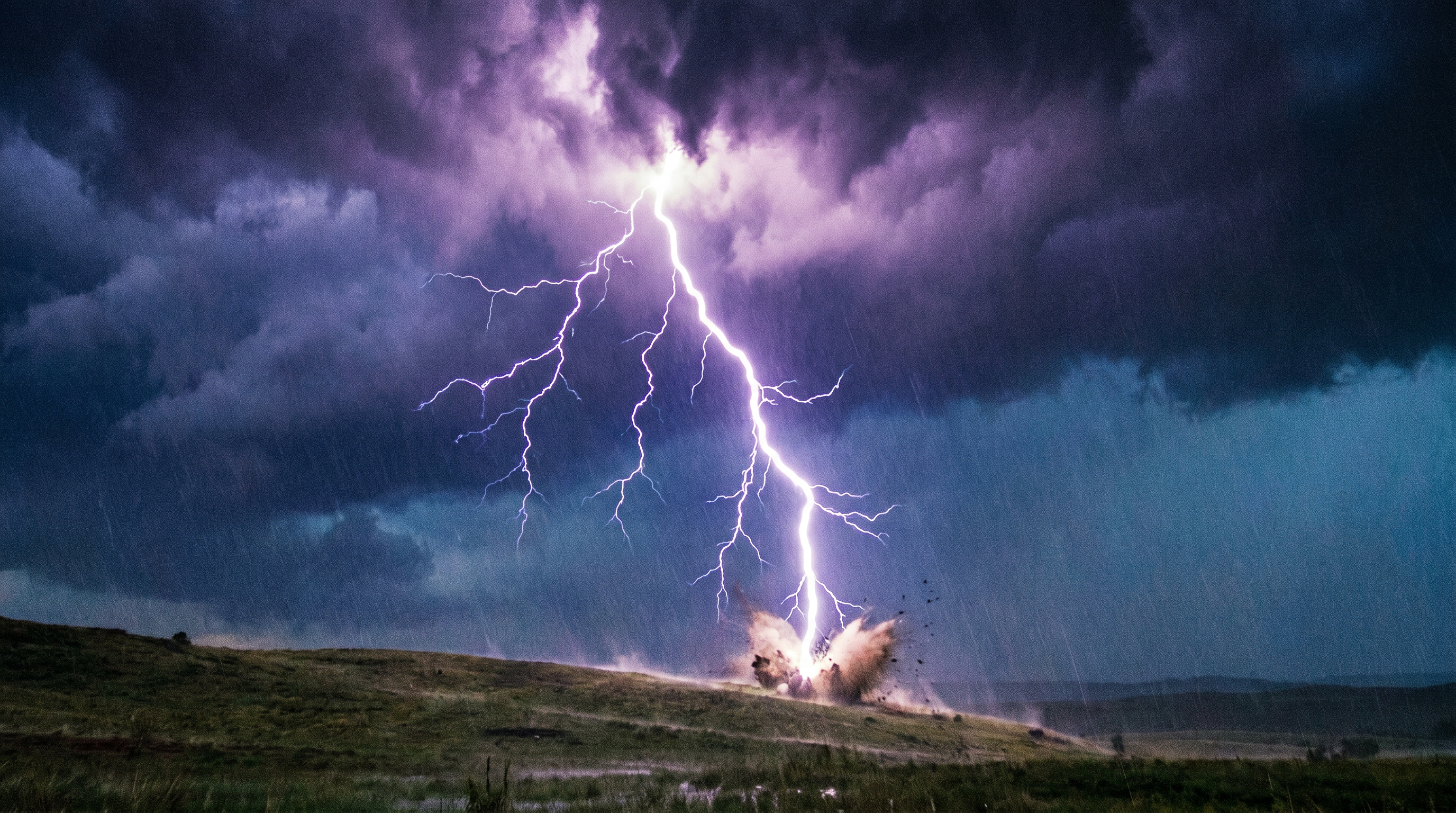
When the negative charges in the cloud become too strong, they look for a path to the positive charges on the ground. A giant, jagged spark jumps down. This is lightning!

Lightning is so hot it makes the air explode outward, creating a sound wave. If you see a flash, can you guess why the boom of thunder always arrives a few seconds later?

Light travels incredibly fast, reaching your eyes almost instantly. Sound, however, travels much slower. Because the light arrives first, we see the flash long before we hear the boom.
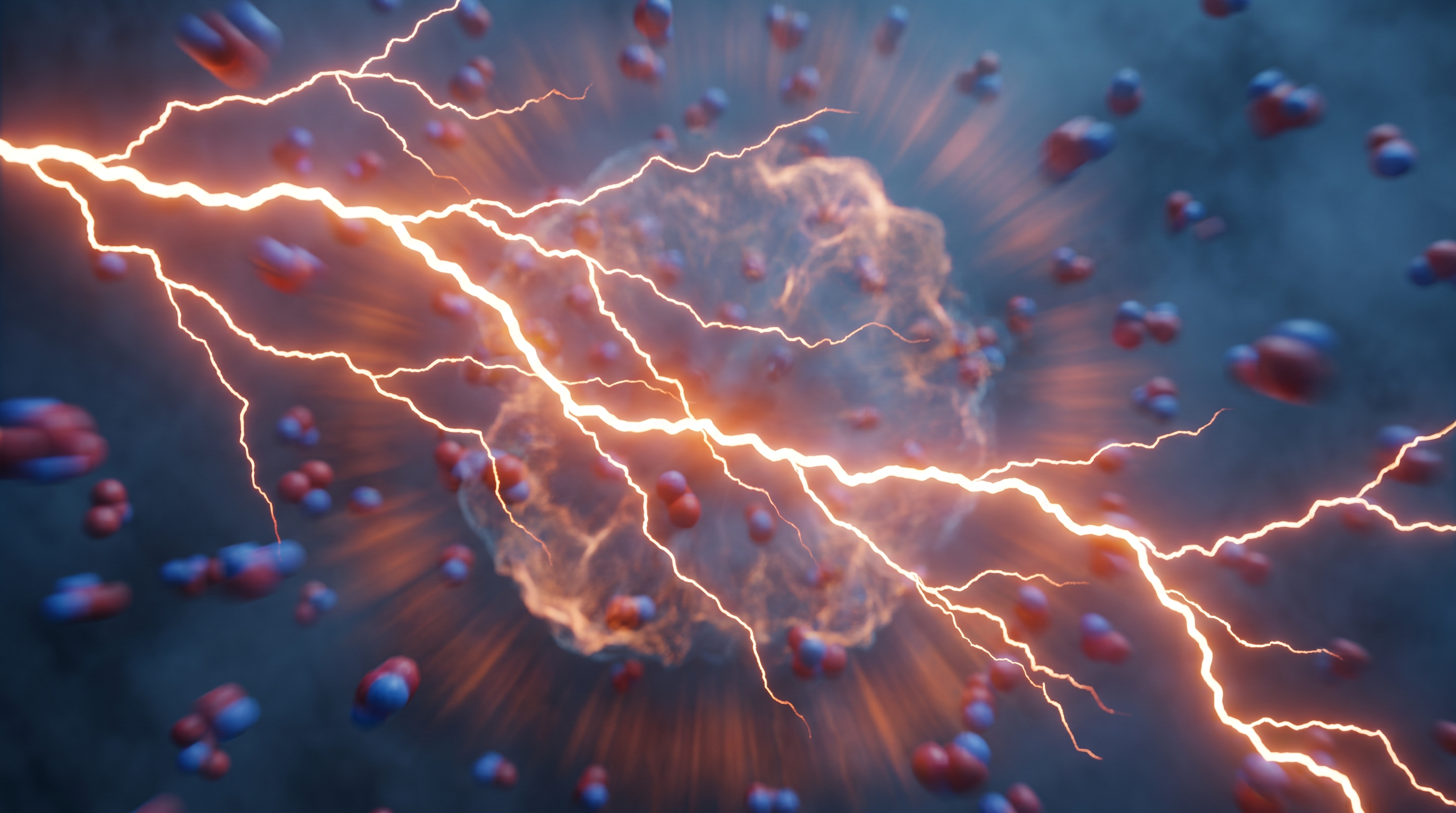
Some people think thunder is just clouds bumping together, but that is a myth! Thunder is actually the sound of the air heating up and expanding rapidly because of the lightning.

You have learned that lightning is a giant static spark and thunder is the sound of expanding air. But did you know that lightning can also jump between clouds? What causes that?
Describe any idea in a sentence and Remee builds it for you — stories, games and quizzes on whatever you or your class are working on. Free to start, no card needed, and everything you make gets a link you can share anywhere.
Remee turns any idea into an illustrated story, a playable game, or an interactive quiz — at home or in the classroom.