 Lesson
This lesson explores the biological mechanisms of aging and the potential impact of increased research funding on human health.
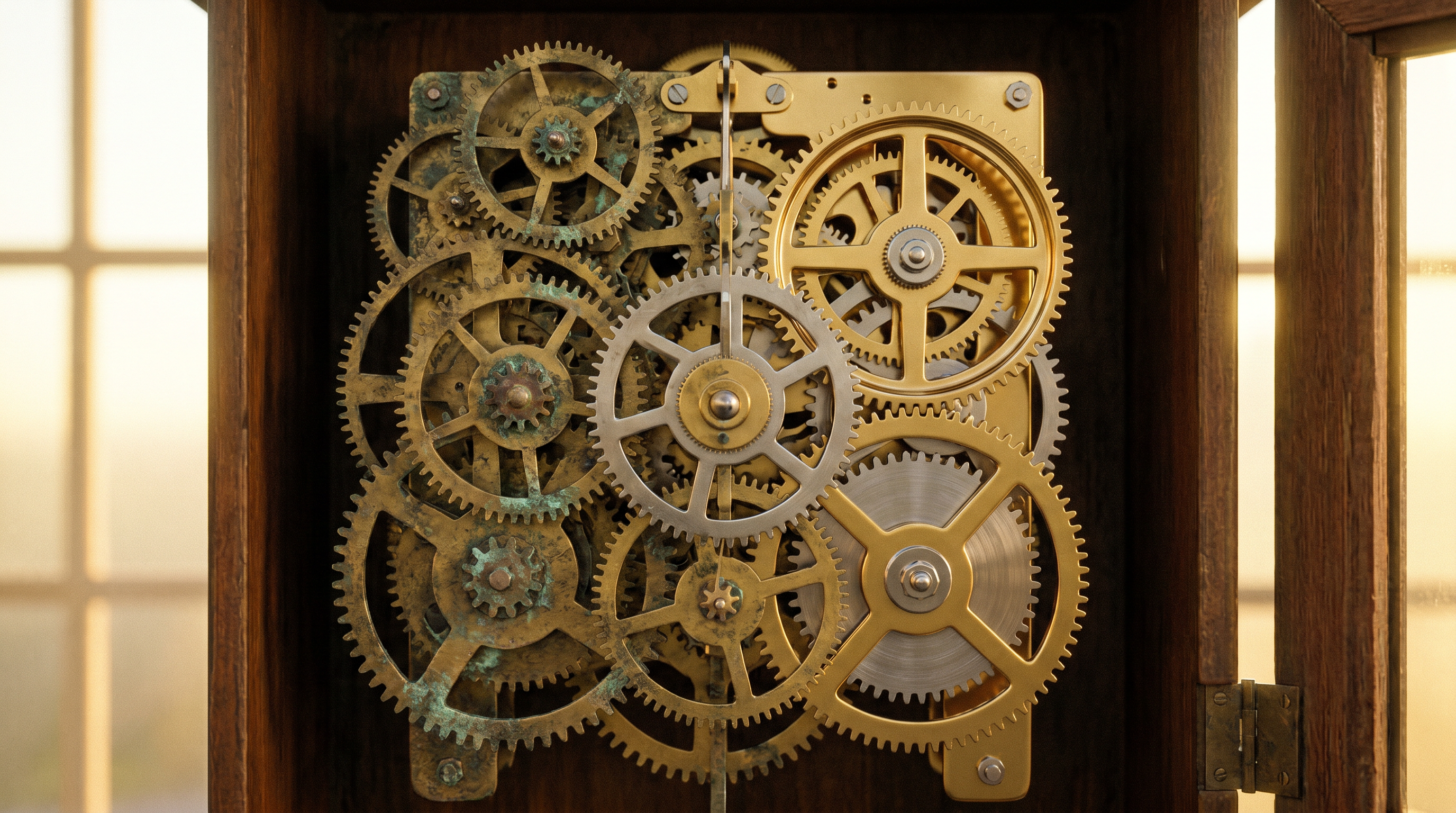
Did you know that aging is a biological process? Just like a machine wears down over time, our cells accumulate damage, leading to the health challenges we see in older age.
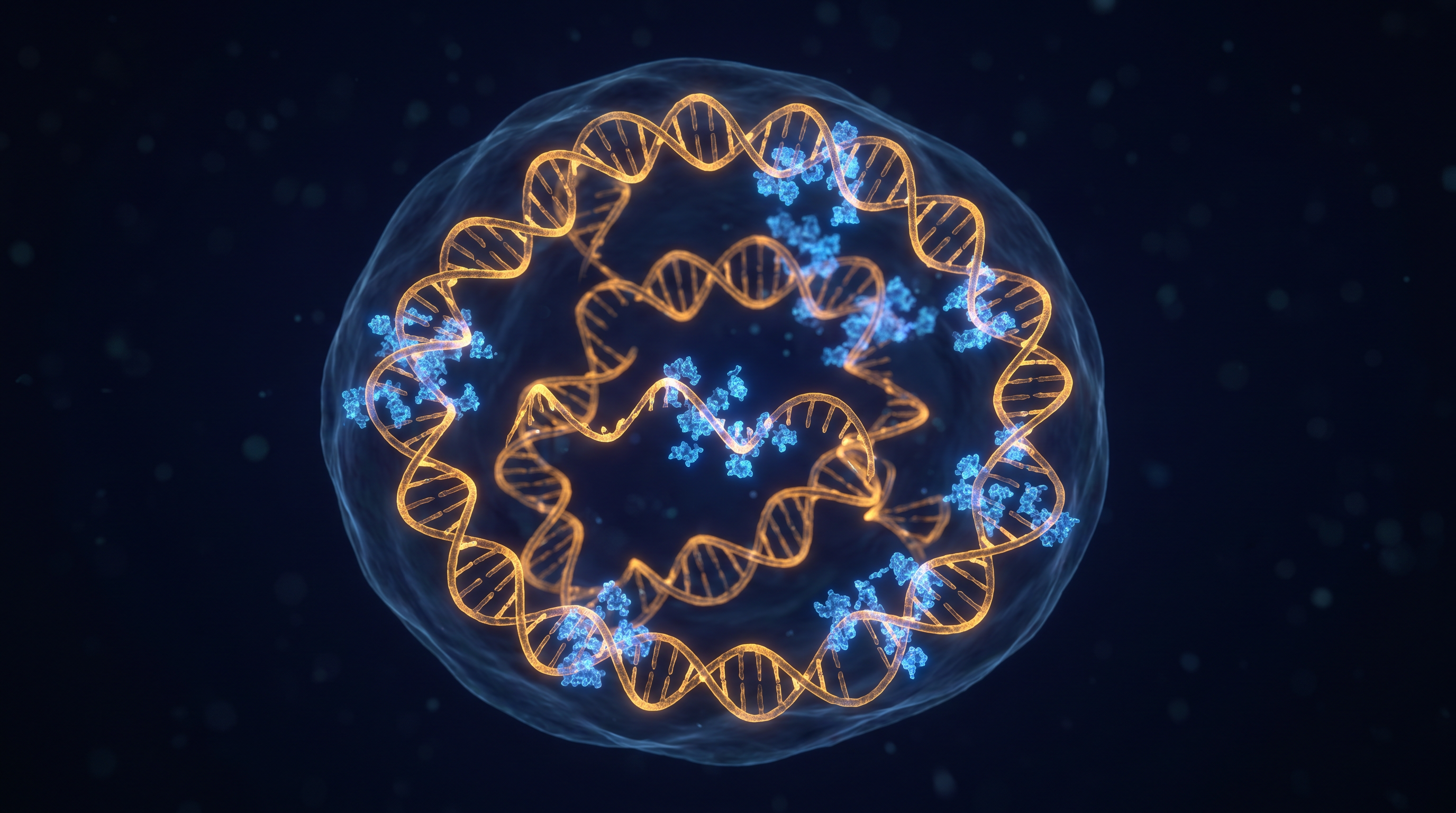
Aging happens because our cells stop repairing themselves as effectively. By studying these cellular repairs, scientists aim to keep our bodies functioning at their best for much longer periods.

Currently, research is scattered. If we increased resources by one hundred times, we could coordinate global labs to target specific aging markers simultaneously, speeding up discoveries for everyone everywhere.
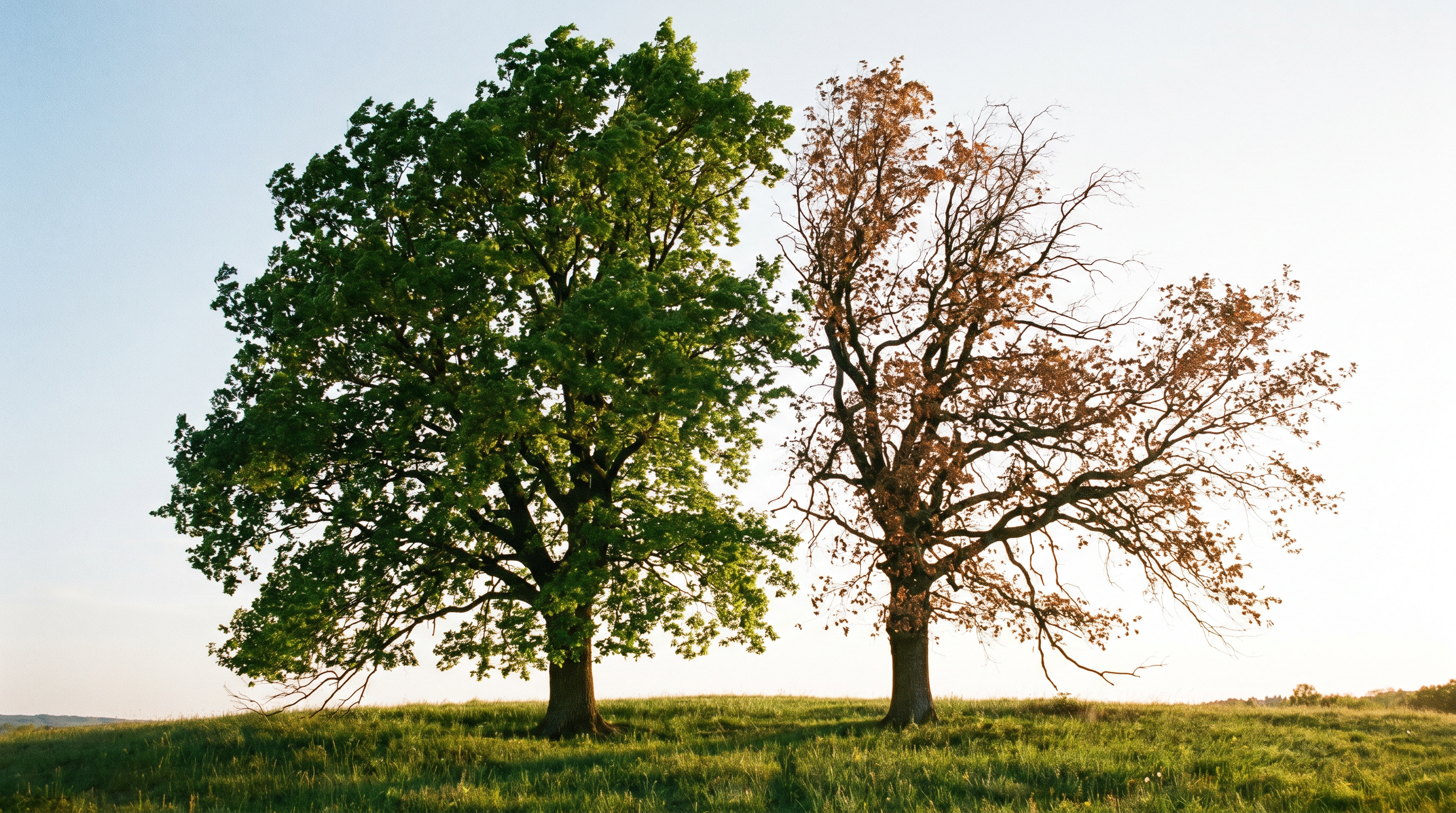
Think about your own life: have you noticed how some people stay active well into their eighties while others struggle? What environmental or genetic factors do you think cause this difference?
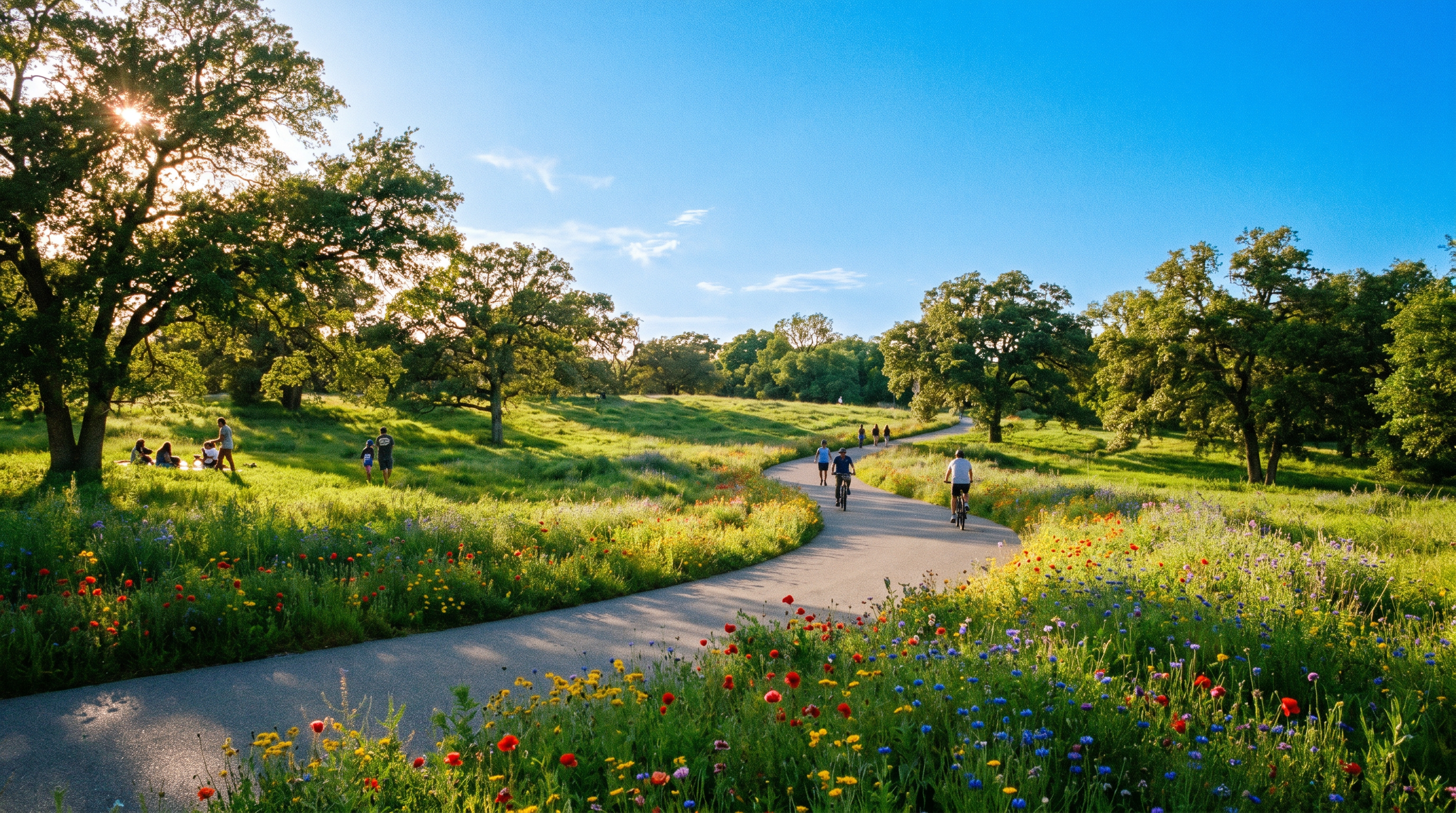
When we invest in aging research, we aren't just adding years; we are improving health. This means spending less time being sick and more time living life to the fullest.
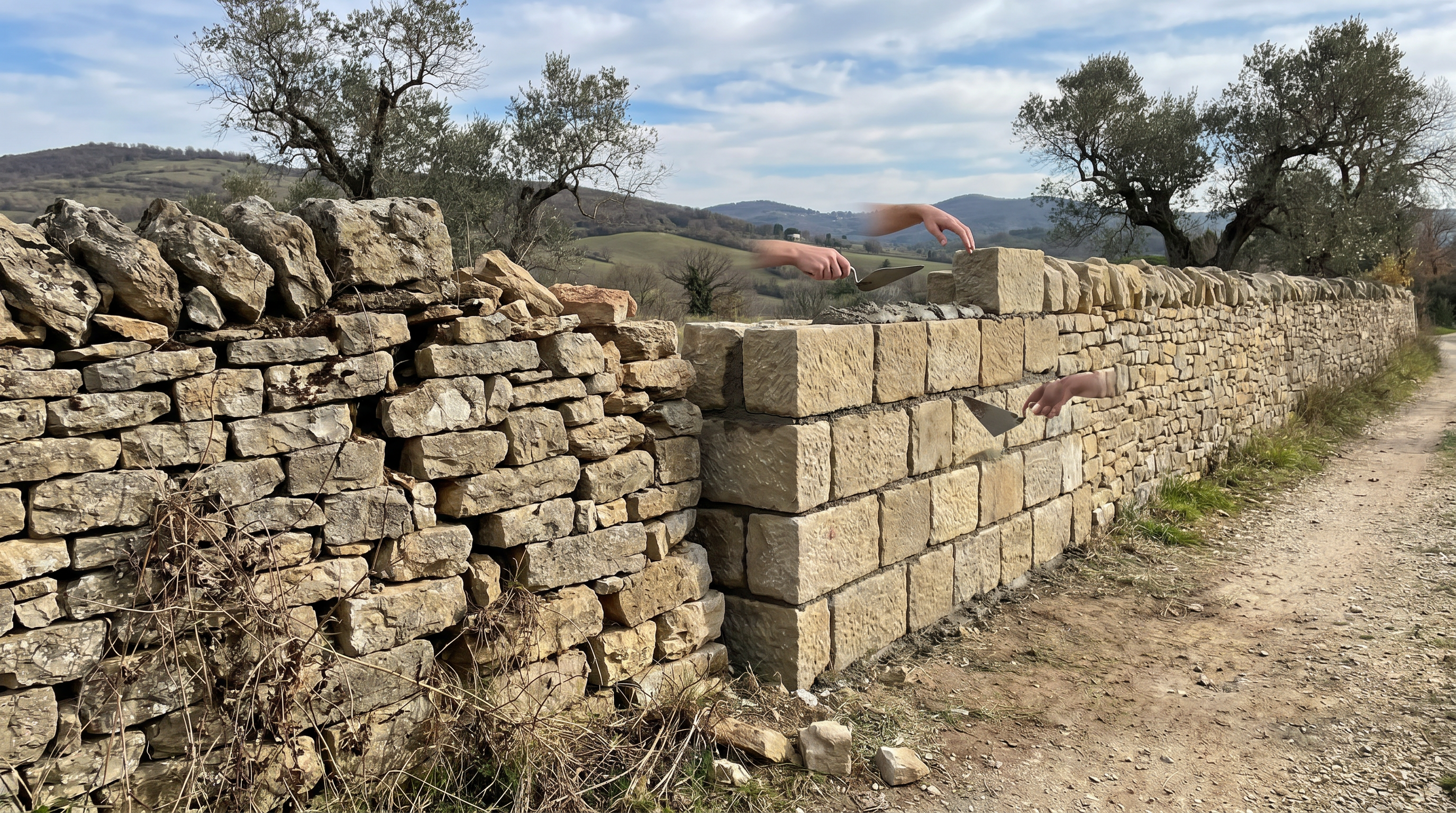
A common misconception is that aging is an unstoppable fate. Actually, science shows that many aging factors are biological processes that can be slowed or even repaired through advanced research.
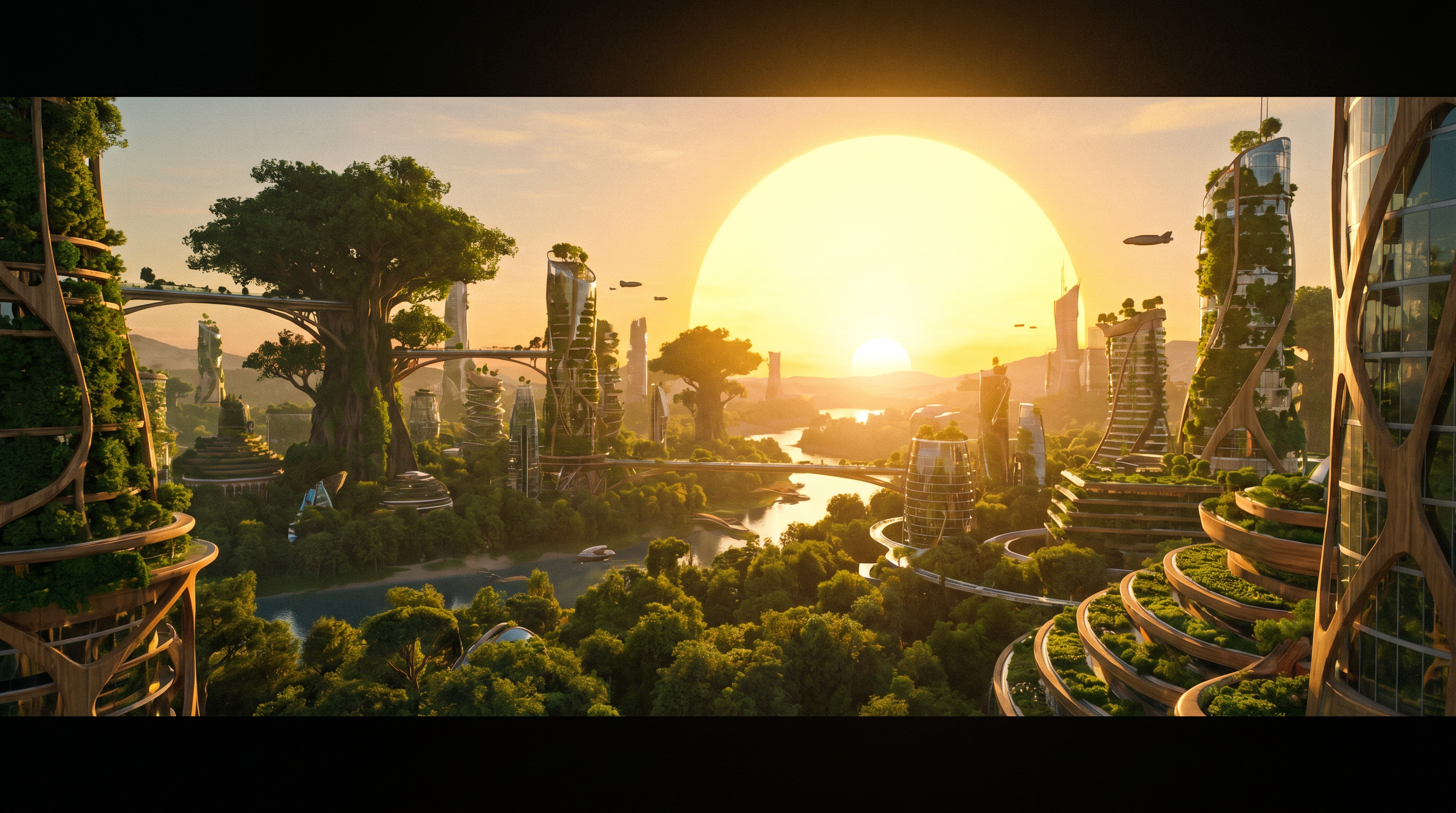
We have learned that aging is a manageable biological process. But here is a mystery: if we could successfully slow aging, how would that change the way our society functions? That is worth exploring.
Describe any idea in a sentence and Remee builds it for you — stories, games and quizzes on whatever you or your class are working on. Free to start, no card needed, and everything you make gets a link you can share anywhere.
Remee turns any idea into an illustrated story, a playable game, or an interactive quiz — at home or in the classroom.