 Lesson
This lesson walks through the immune system's detection of pathogens and the specific biological process of matching antibodies to antigens.
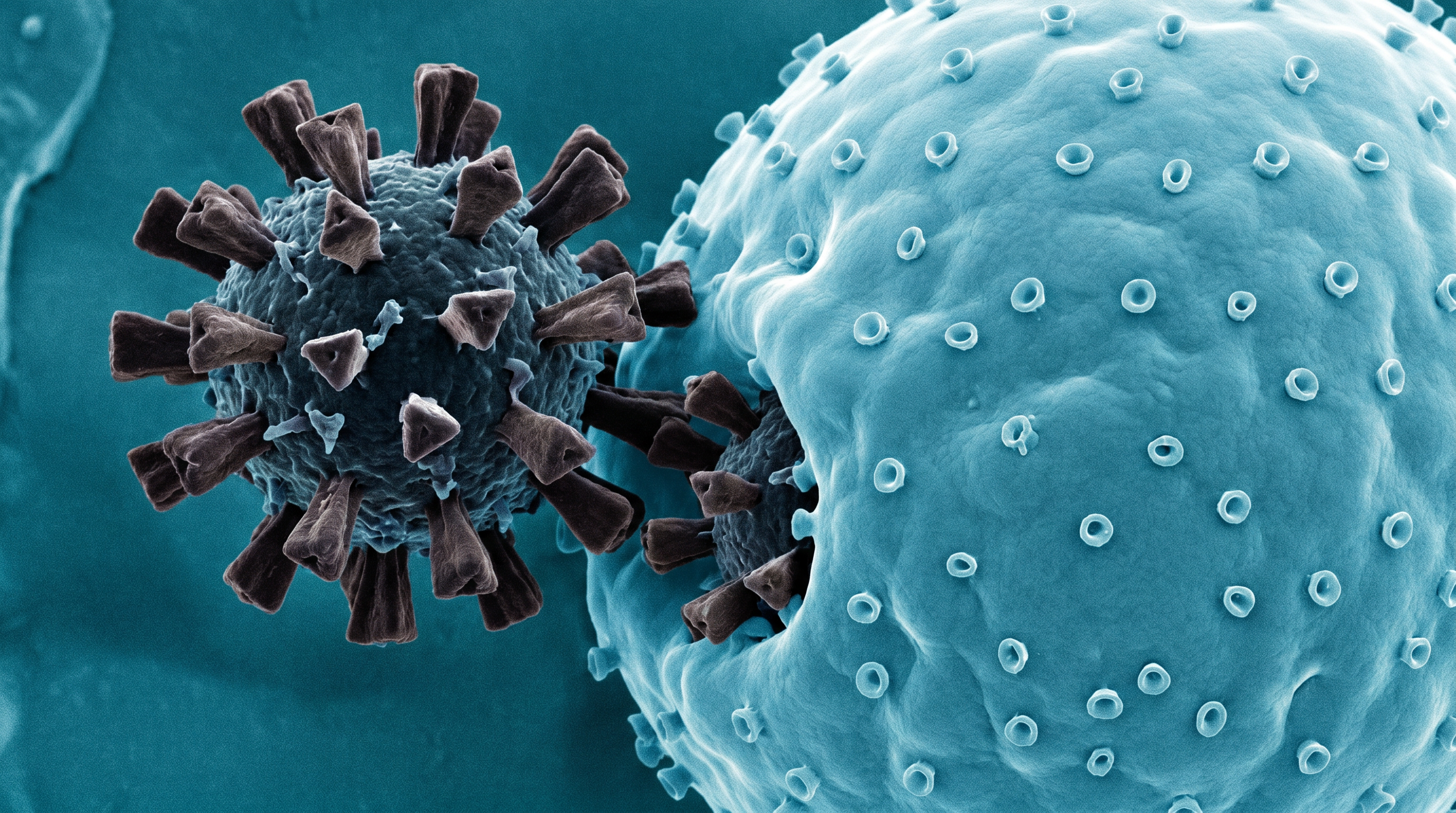
Have you ever wondered how your body knows exactly which germ is invading? It starts with a microscopic game of tag, where your immune cells scan for unique chemical signatures on pathogens.
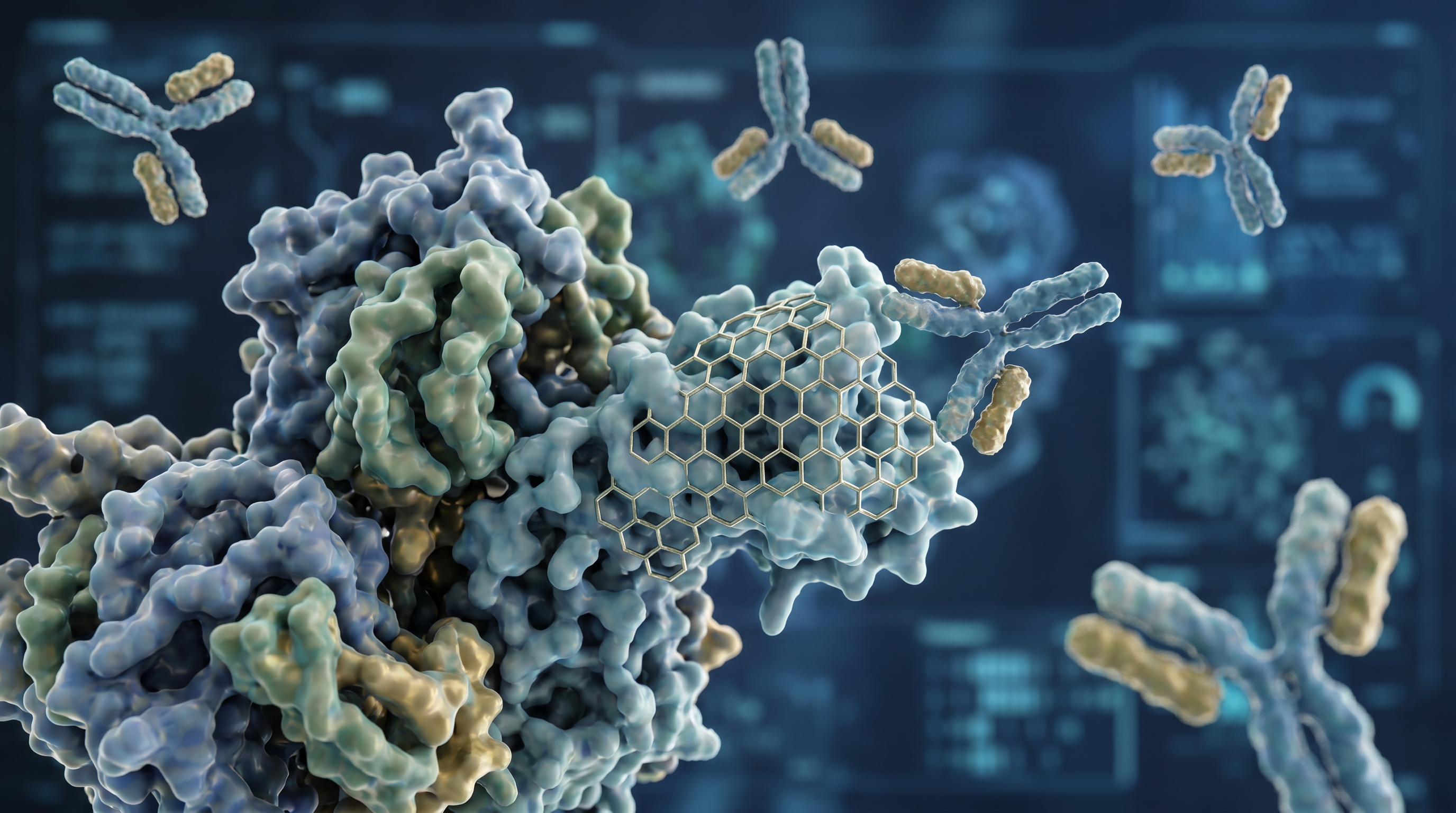
Every invader has unique markers called antigens. Your immune system acts like a master locksmith, constantly creating new shapes until it finds the perfect key to fit that specific antigen.
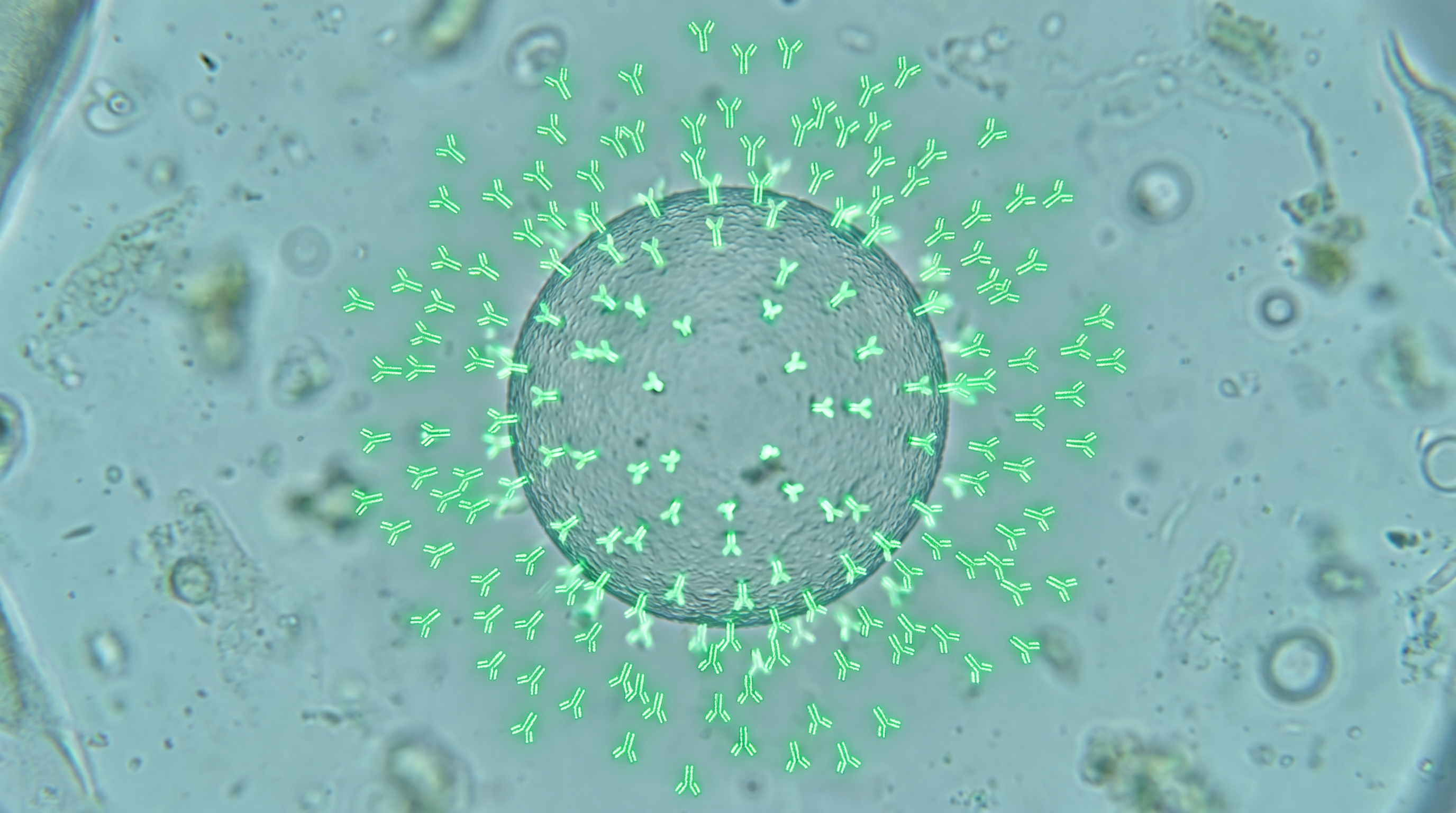
Once a match is found, specific immune cells called B-cells begin a massive production line. They mass-produce millions of Y-shaped antibodies that are custom-built to latch onto that specific invader.
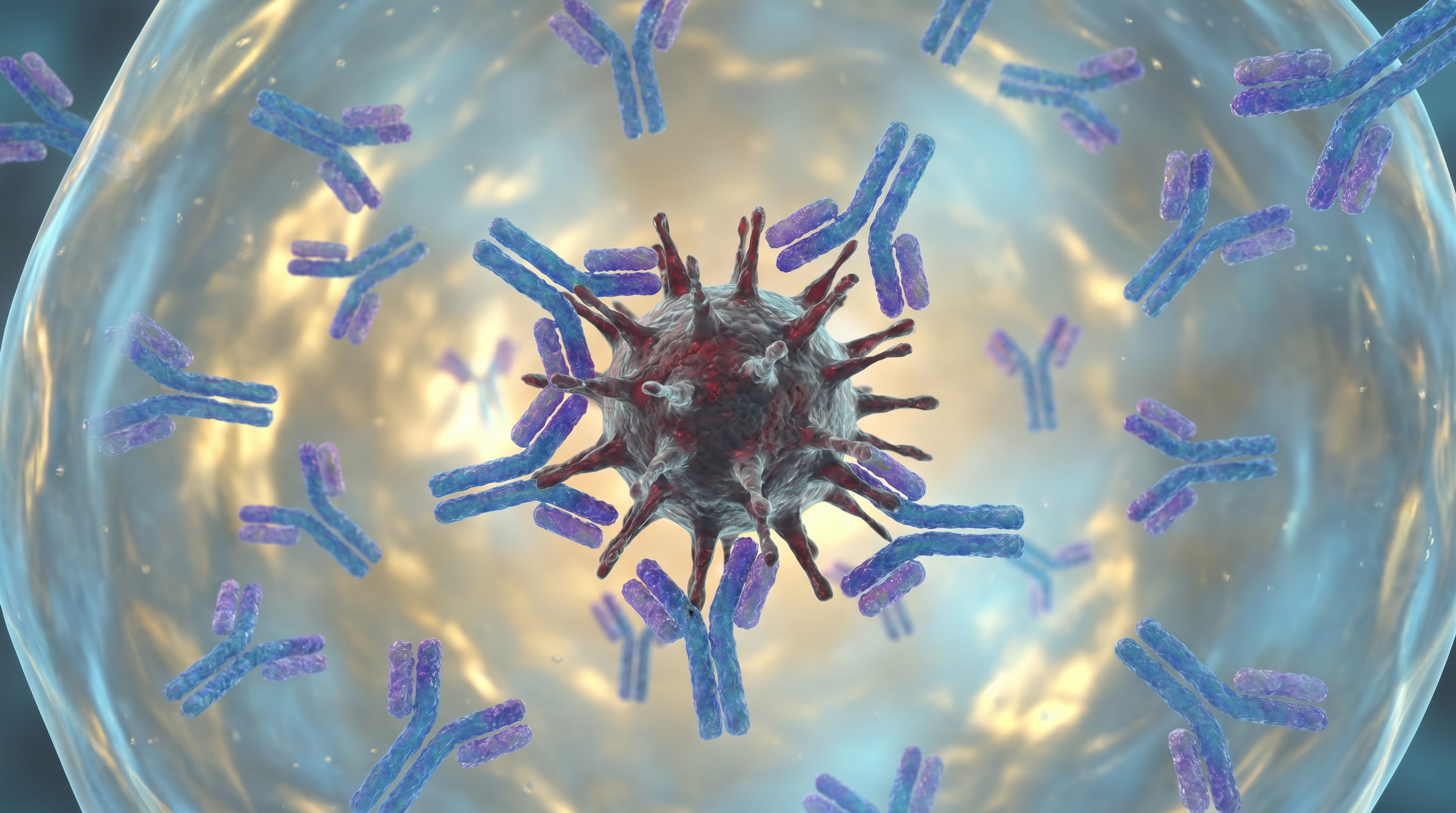
If an antibody latches onto a pathogen, it neutralizes it by blocking its movement. Can you imagine why it is more effective for the body to create custom keys rather than generic ones?
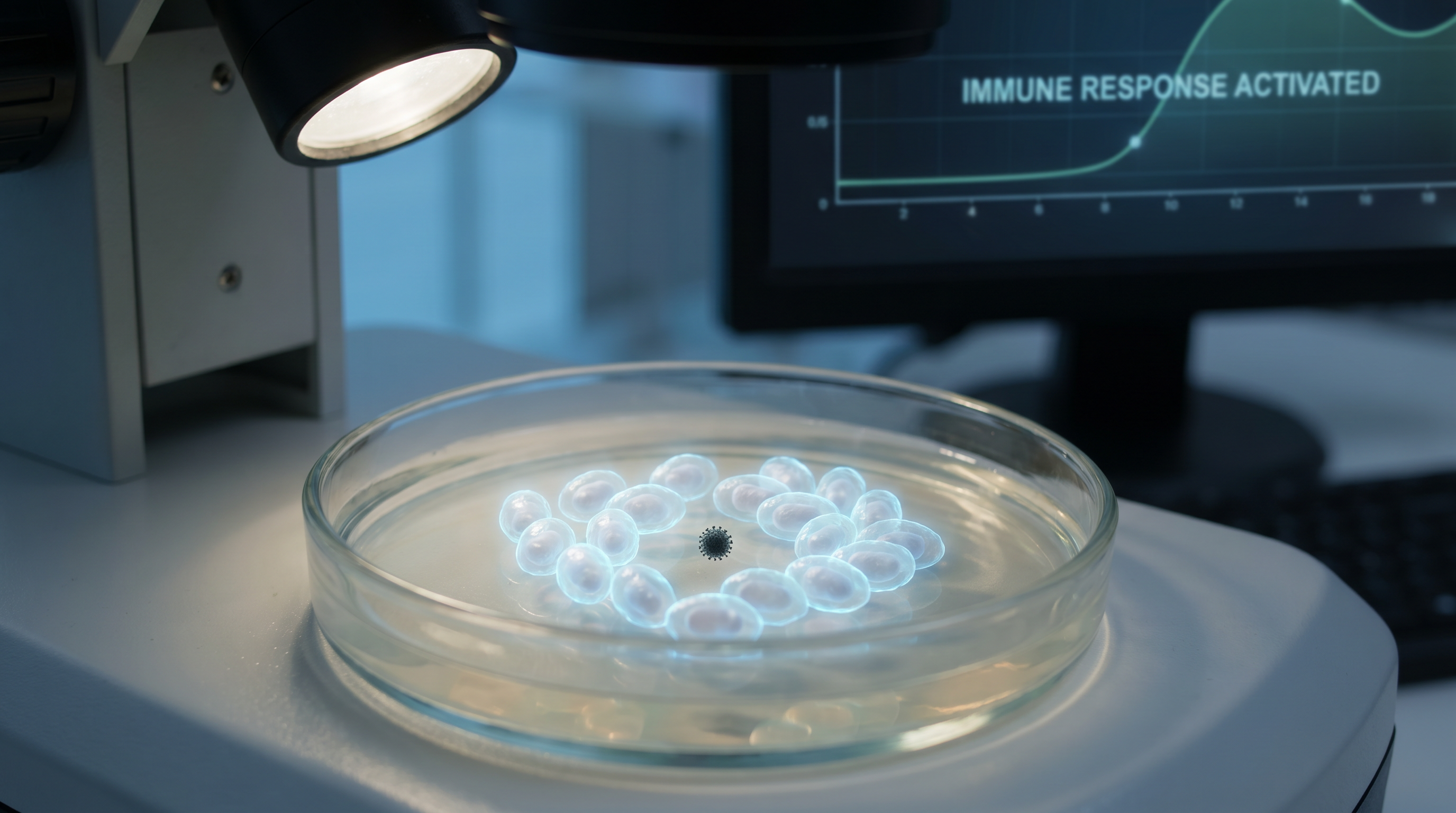
This process is why vaccines work! By showing your body a harmless version of an antigen, you train your immune system to create the right 'keys' before a real threat ever arrives.
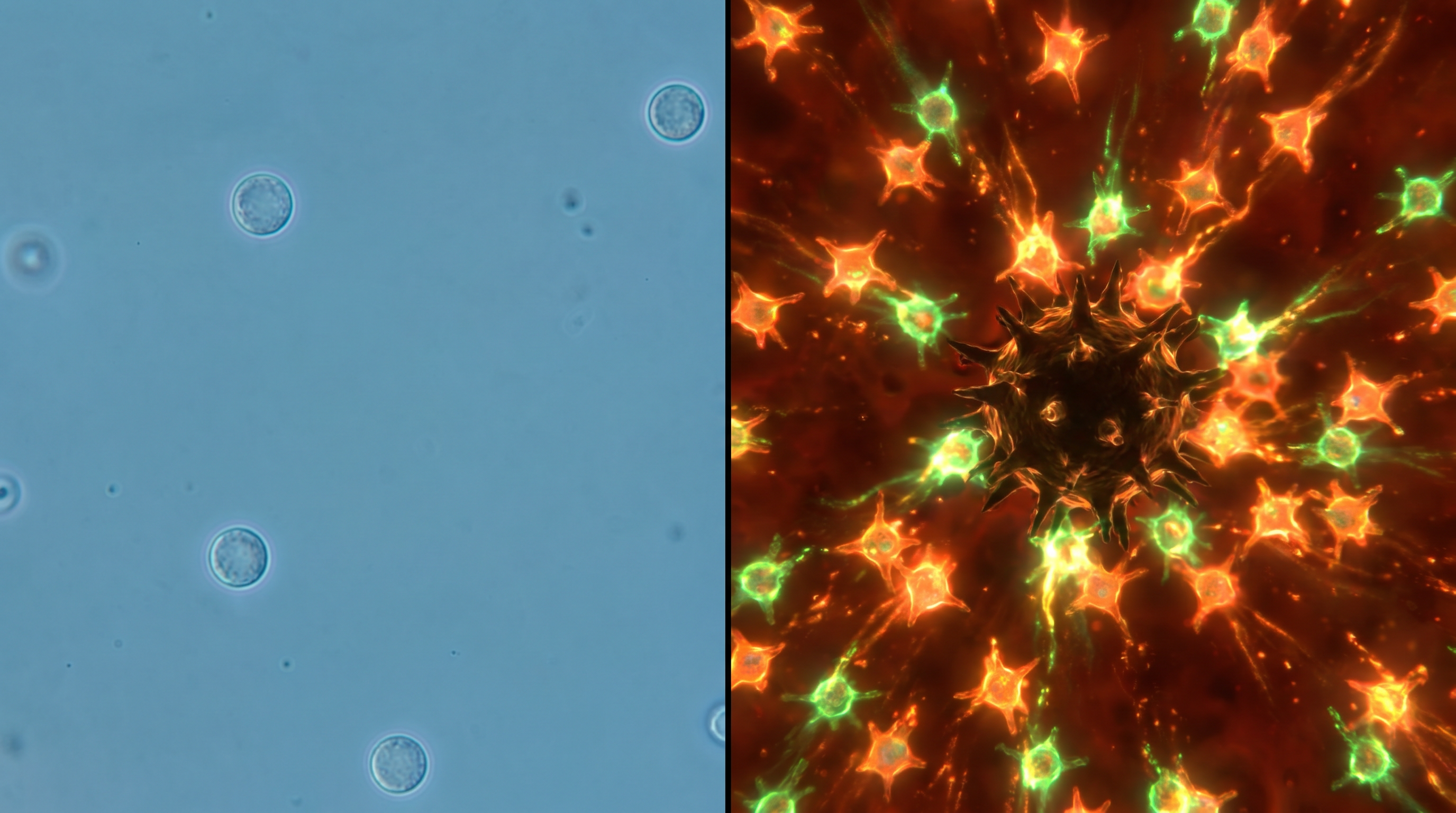
Some think our immune system is always 'on' and fighting. In reality, it stays quiet until it detects a specific threat, then ramps up production only for the exact enemy it sees.
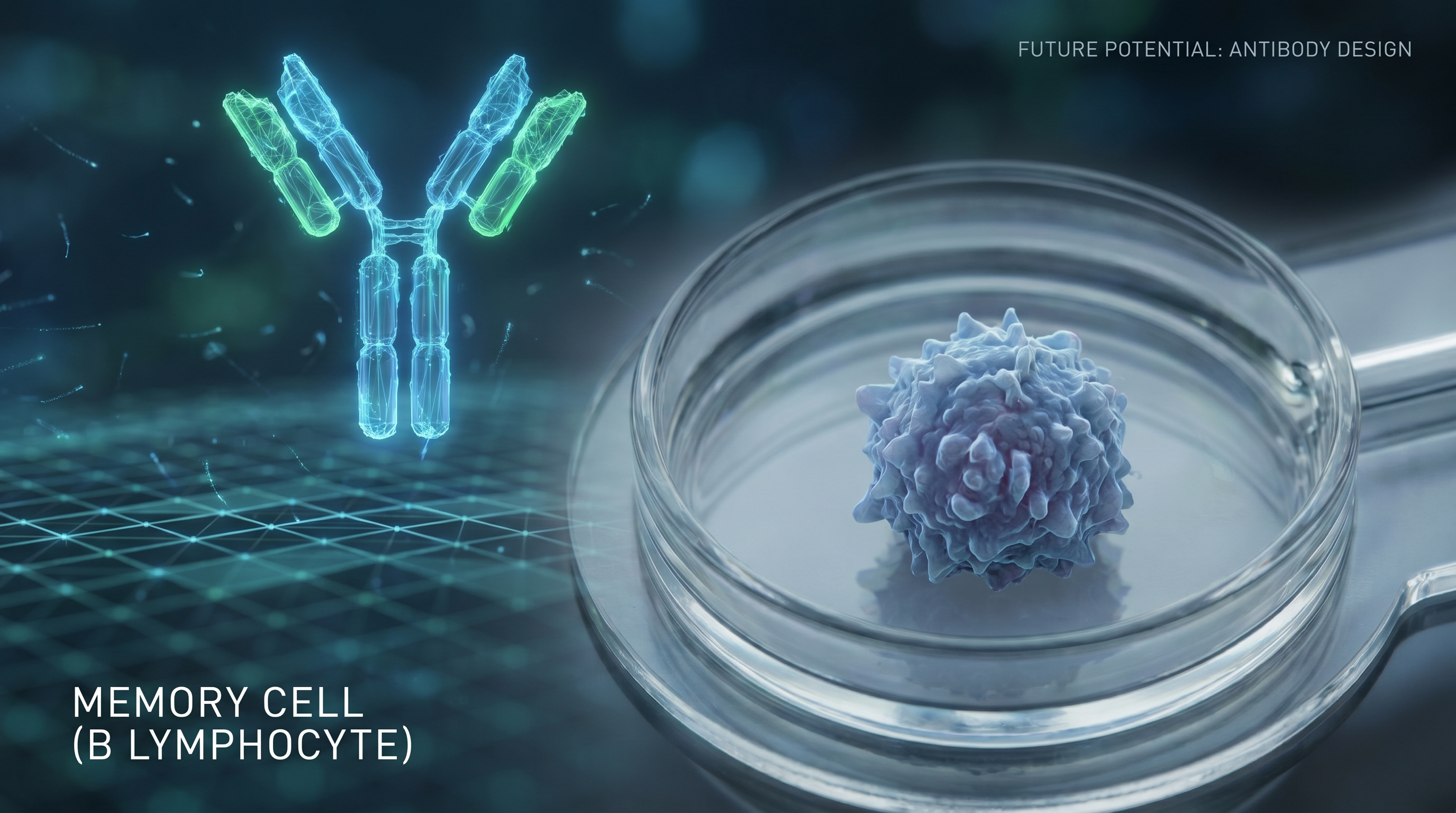
Your body maintains a 'memory' of these threats to defend you faster next time. But how does the body decide when to stop the production line? That is a mystery for our next adventure.
Describe any idea in a sentence and Remee builds it for you — stories, games and quizzes on whatever you or your class are working on. Free to start, no card needed, and everything you make gets a link you can share anywhere.
Remee turns any idea into an illustrated story, a playable game, or an interactive quiz — at home or in the classroom.