 Lesson
This lesson guides students through the layers of the deep ocean, explaining how bioluminescence works and correcting myths about deep-sea survival.
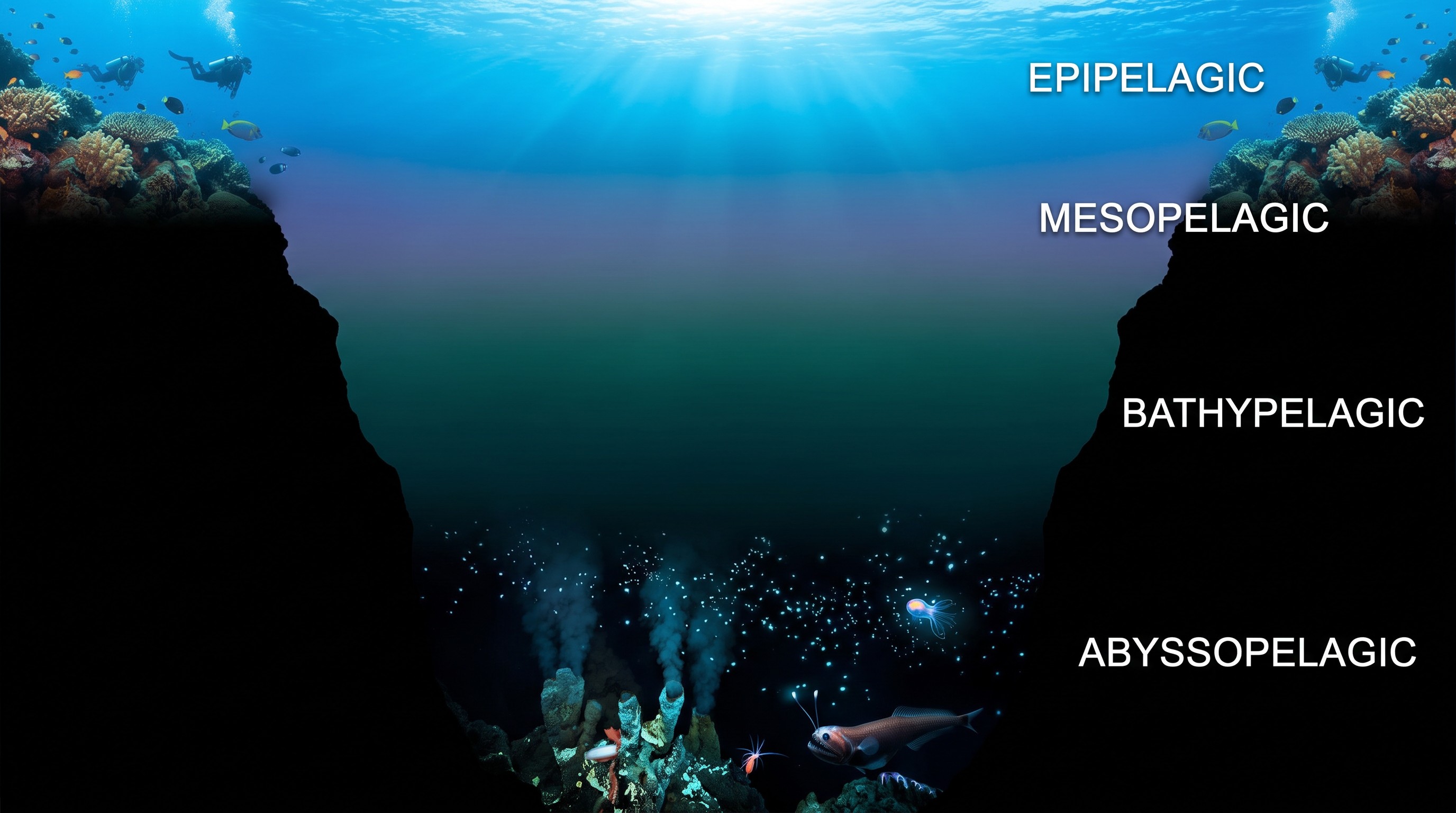
Did you know that the largest habitat on Earth is the deep ocean? Below the reach of sunlight, an entire world thrives in total darkness, home to creatures unlike any others.
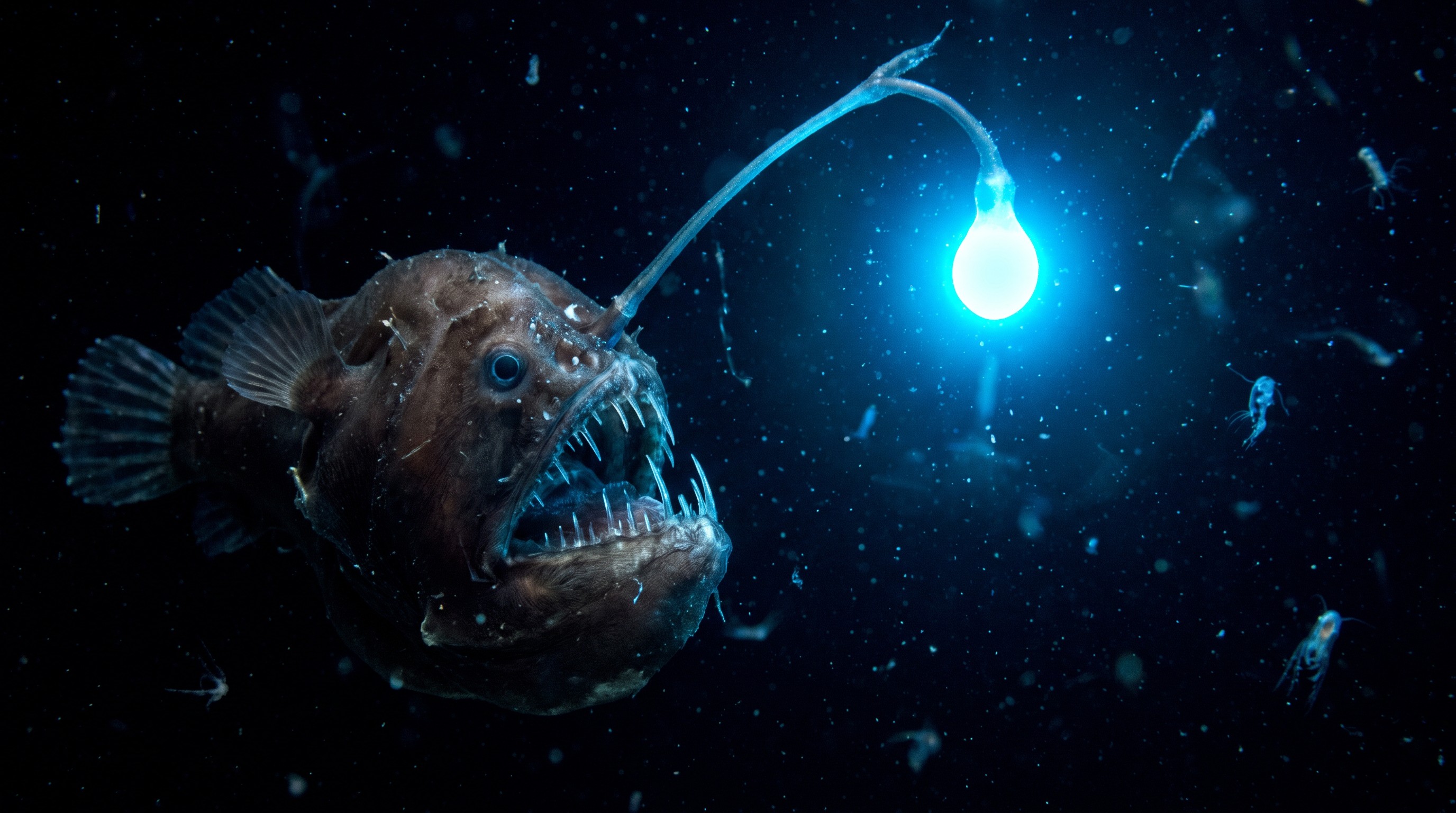
In the midnight zone, sunlight cannot penetrate. Here, bioluminescence is the primary light source. Many species produce their own light through chemical reactions within their bodies to find food.
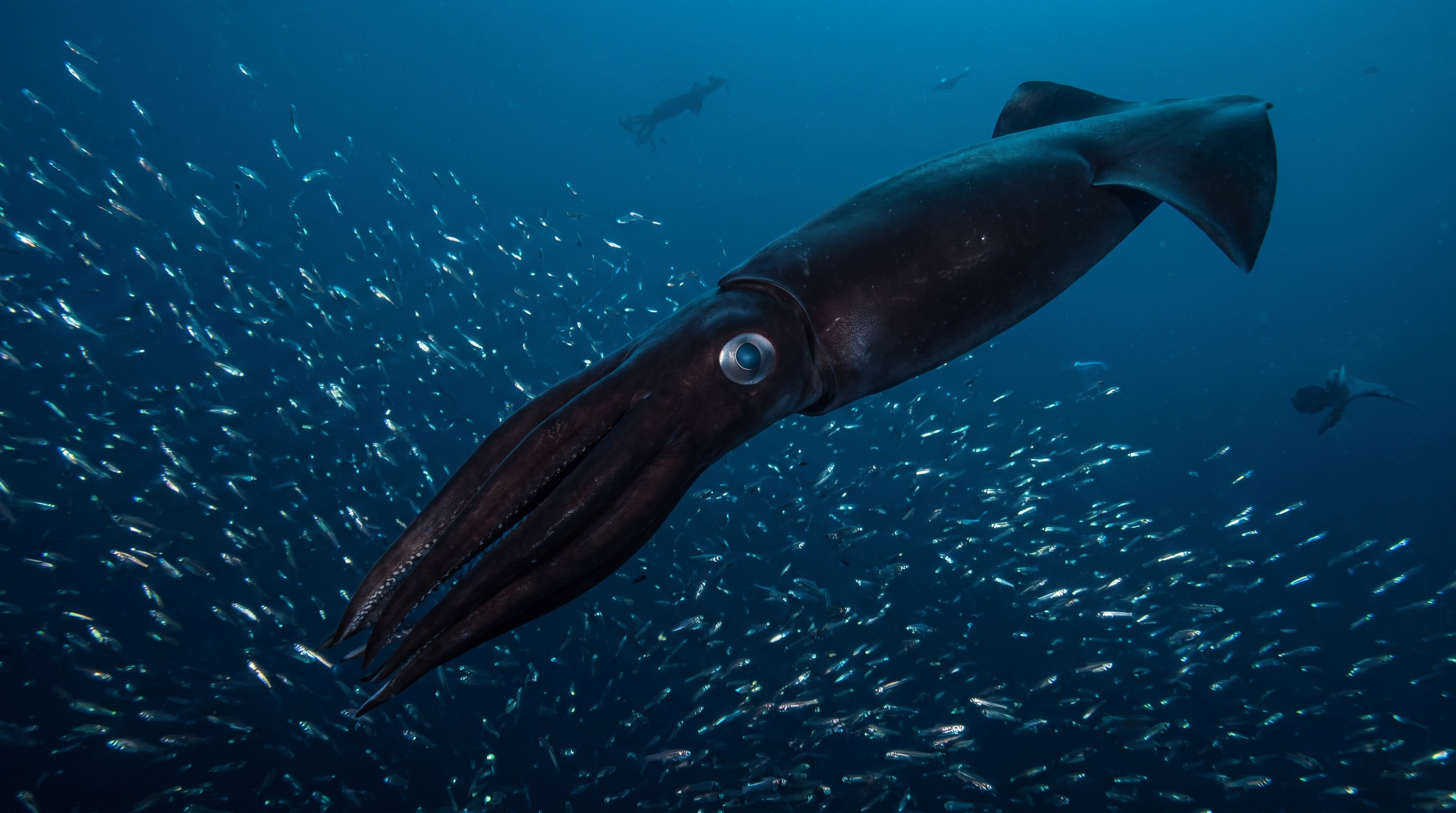
Deep-sea creatures vary greatly in size. Some, like the giant squid, reach massive lengths, while others, like the tiny lanternfish, are no larger than your hand, yet they all survive.
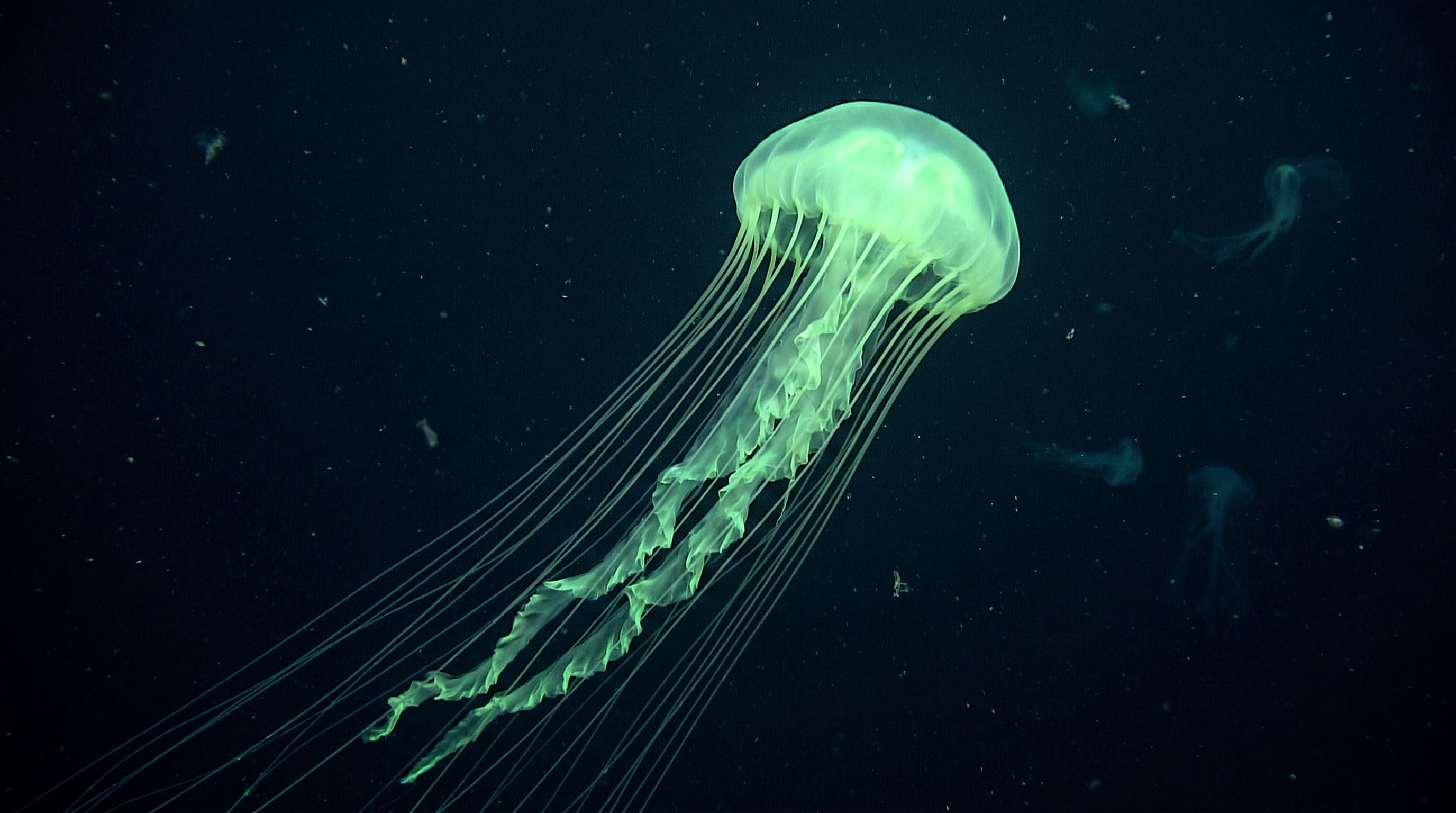
Think about how light behaves in the dark. If you were a predator in the deep, would glowing help you find prey or reveal your own location to something else?
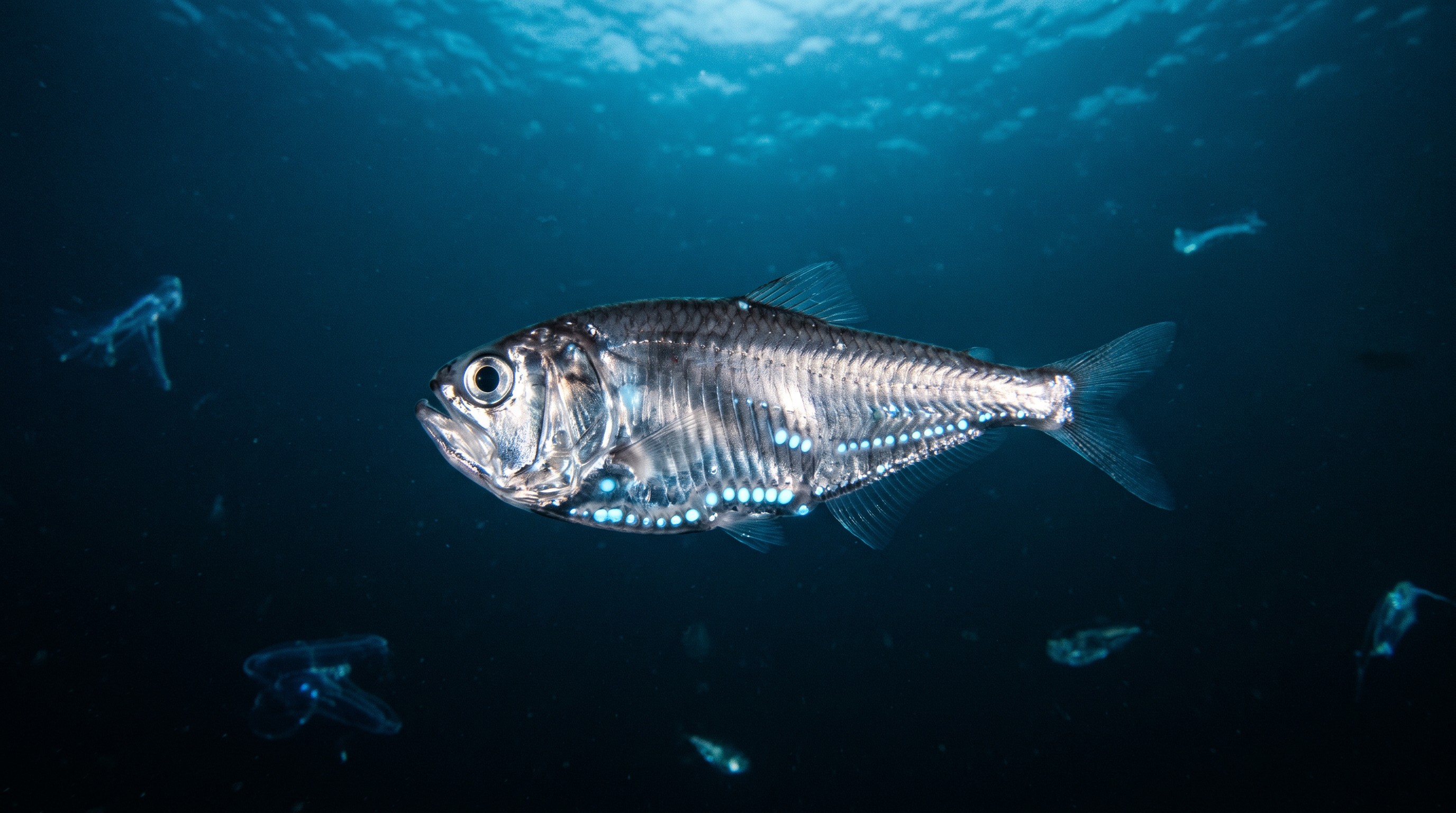
Many deep-sea animals use counter-illumination. By glowing on their undersides, they blend in with the faint light coming from the surface, hiding their silhouettes from predators swimming below them.
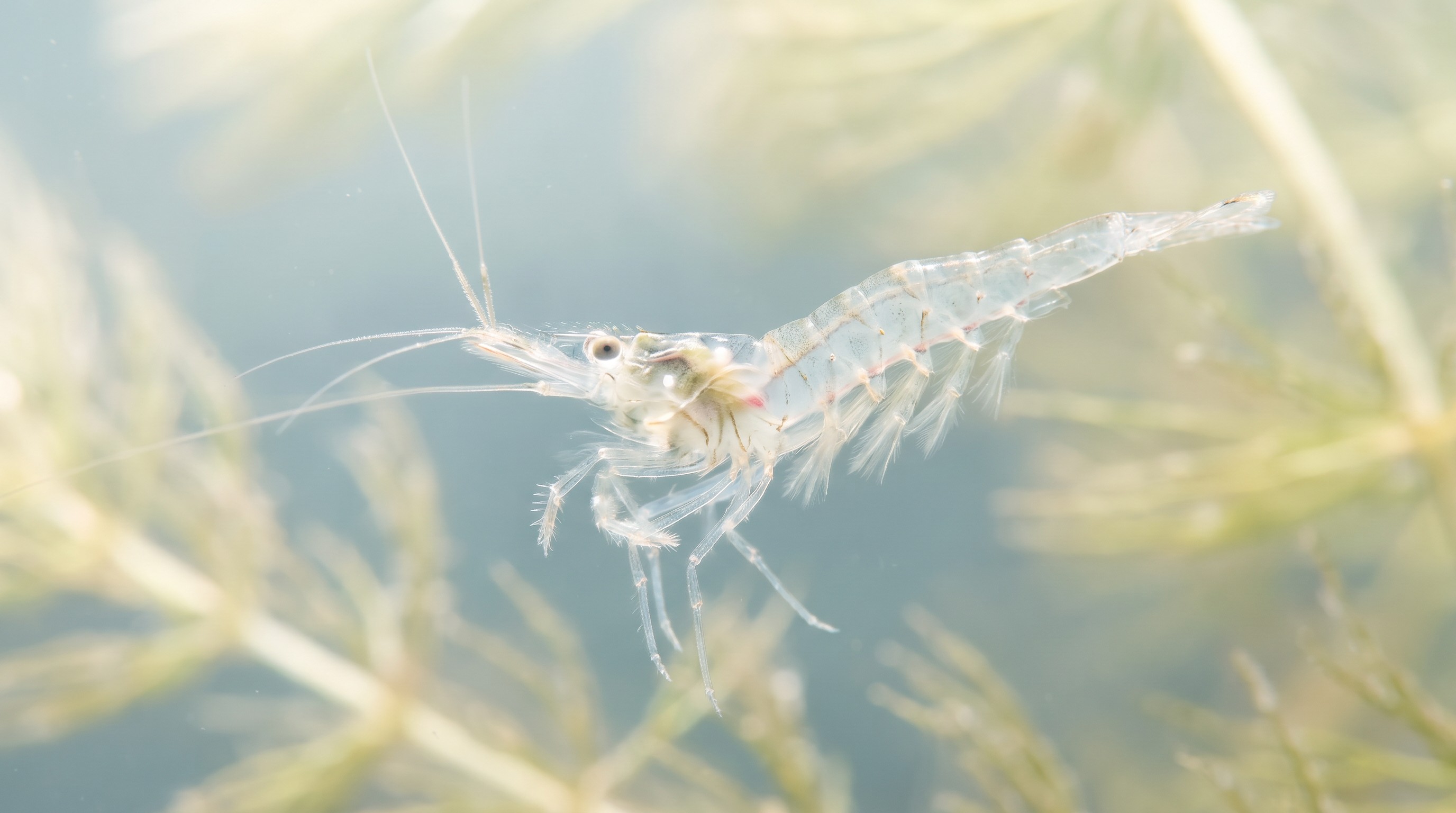
A common myth is that all deep-sea creatures are monsters with giant teeth. In reality, most are small, delicate animals that have evolved efficient ways to save energy in the cold.
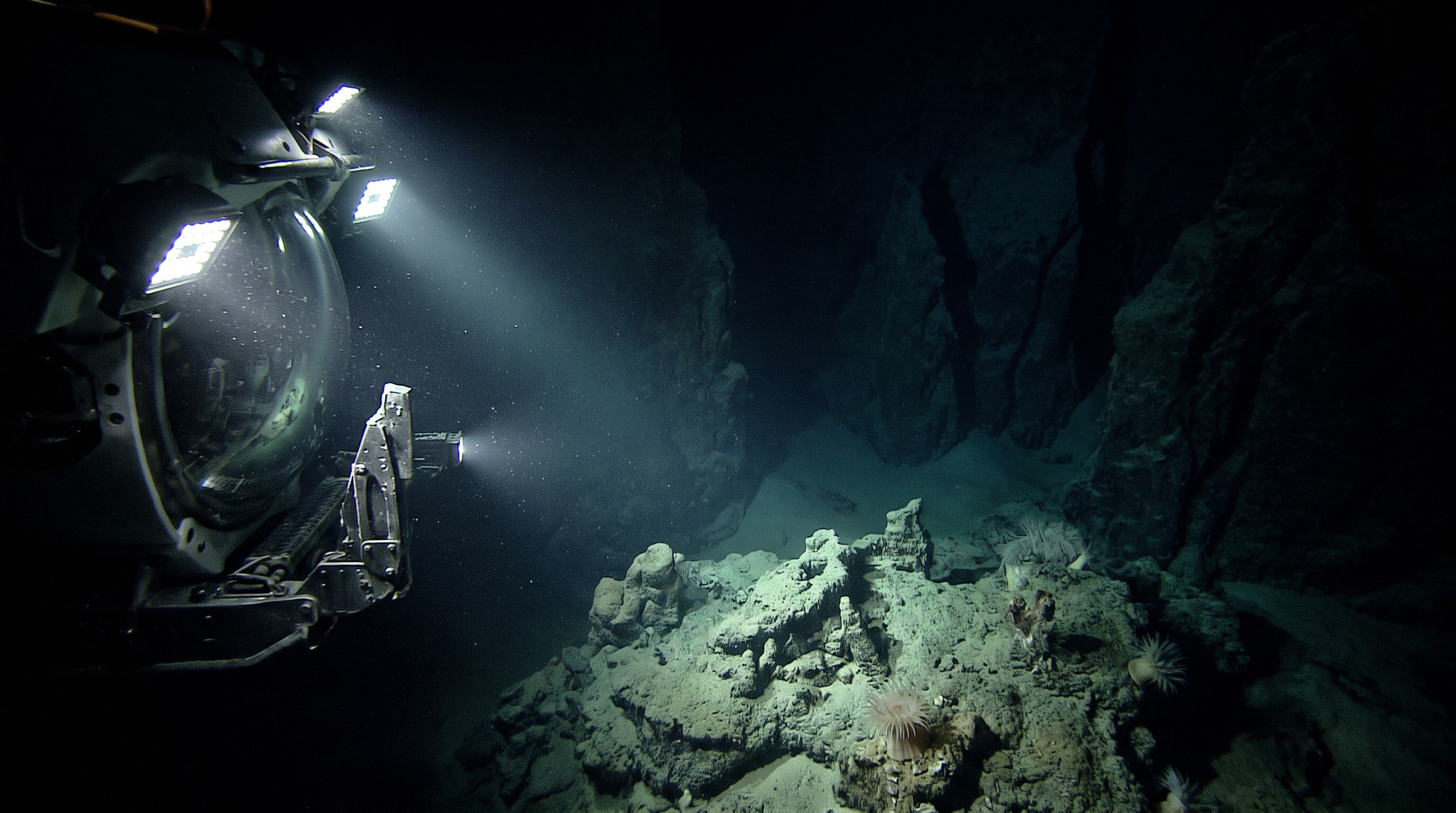
We have learned how bioluminescence supports life in the deep. But if the ocean is so vast, how much of it have we actually explored? What mysteries lie in the unexplored trenches?
Describe any idea in a sentence and Remee builds it for you — stories, games and quizzes on whatever you or your class are working on. Free to start, no card needed, and everything you make gets a link you can share anywhere.
Remee turns any idea into an illustrated story, a playable game, or an interactive quiz — at home or in the classroom.