 Lesson
This lesson explores the physics of stealth by examining radar reflection, angled surfaces, radar-absorbent materials, and flight path geometry.
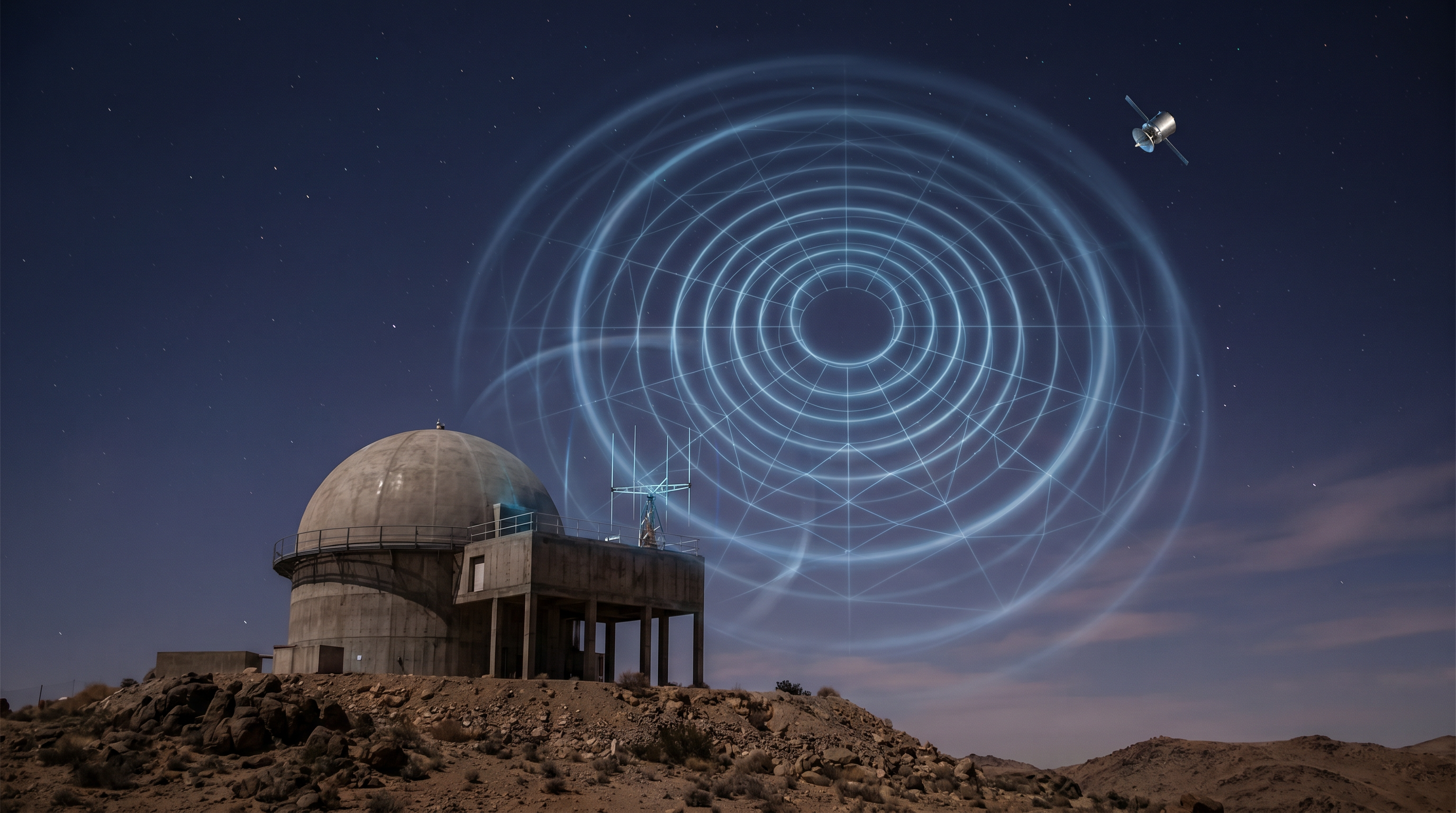
Have you ever wondered how a massive jet stays invisible to radar? It is not magic; it is physics! Radar relies on bouncing radio waves off objects to track their location.

Stealth jets use angled surfaces to deflect radar waves away from the receiver. Instead of bouncing waves back to the source, the flat, tilted panels scatter them in different directions.
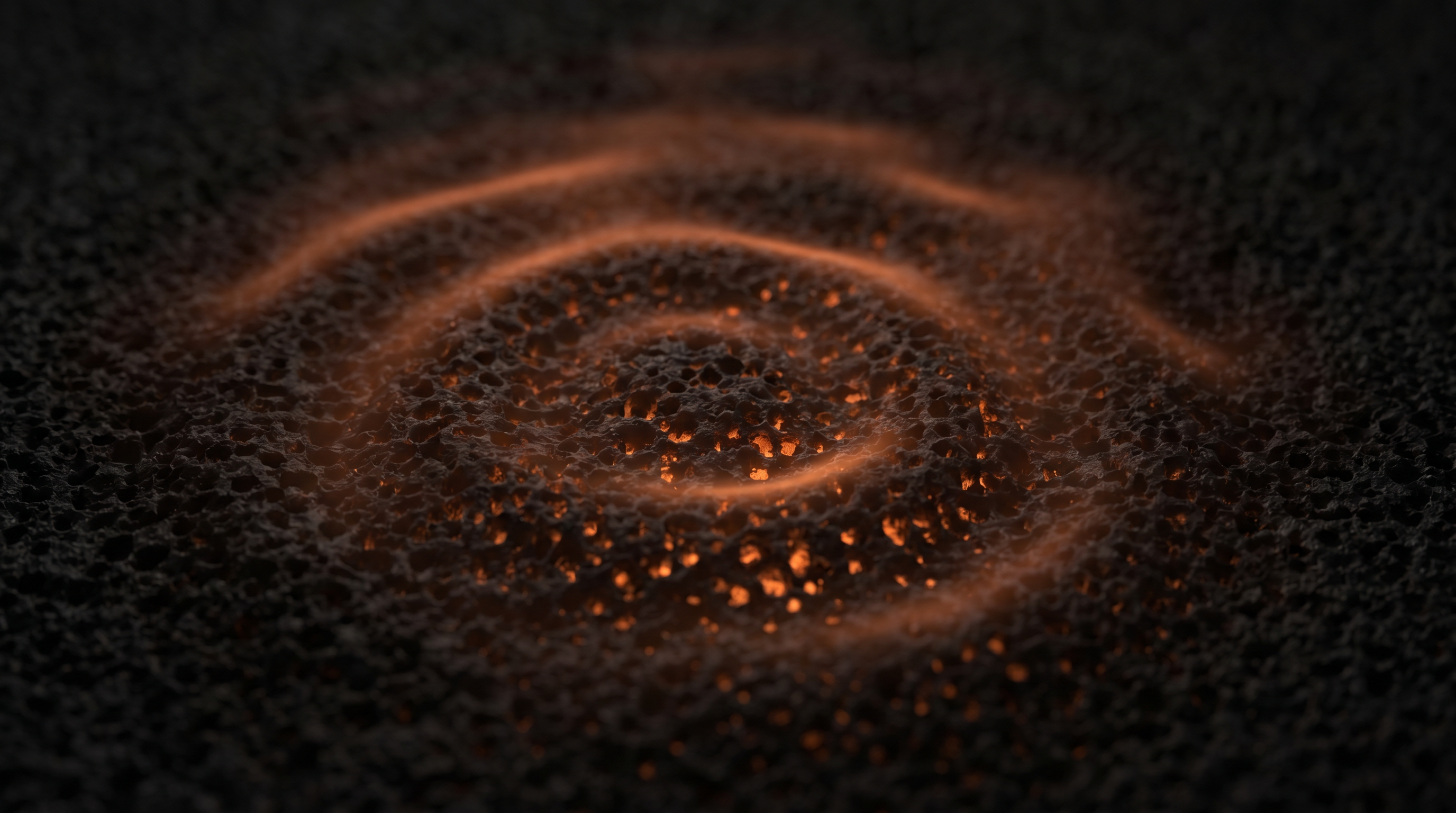
Engineers coat these jets in special radar-absorbent materials. These substances act like a sponge for radio energy, converting the radar waves into tiny amounts of heat instead of reflection.
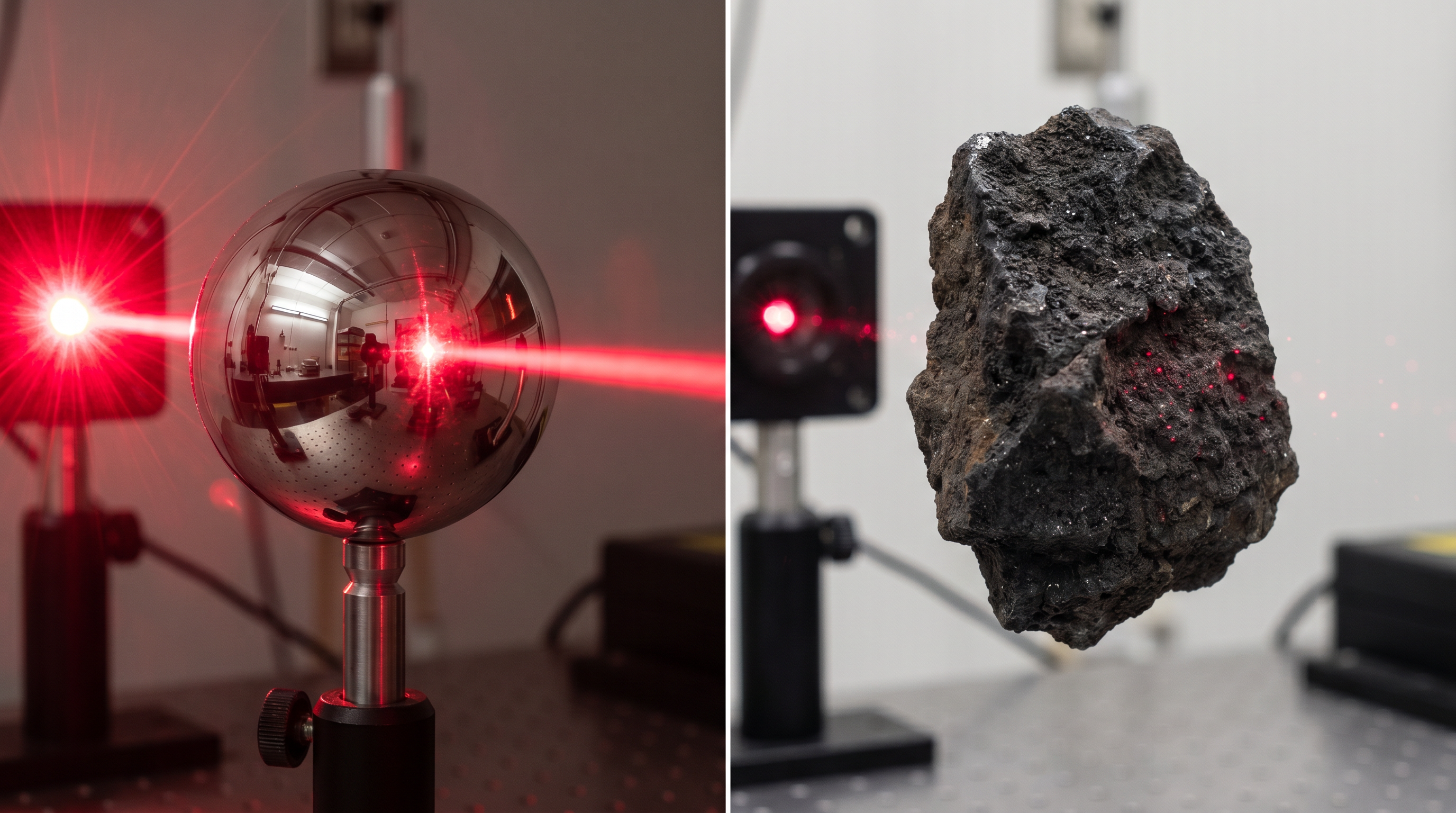
If you shine a flashlight at a mirror, the light reflects back. If you shine it at a bumpy, dark wall, it scatters. Based on this, why do stealth jets avoid smooth, round shapes?
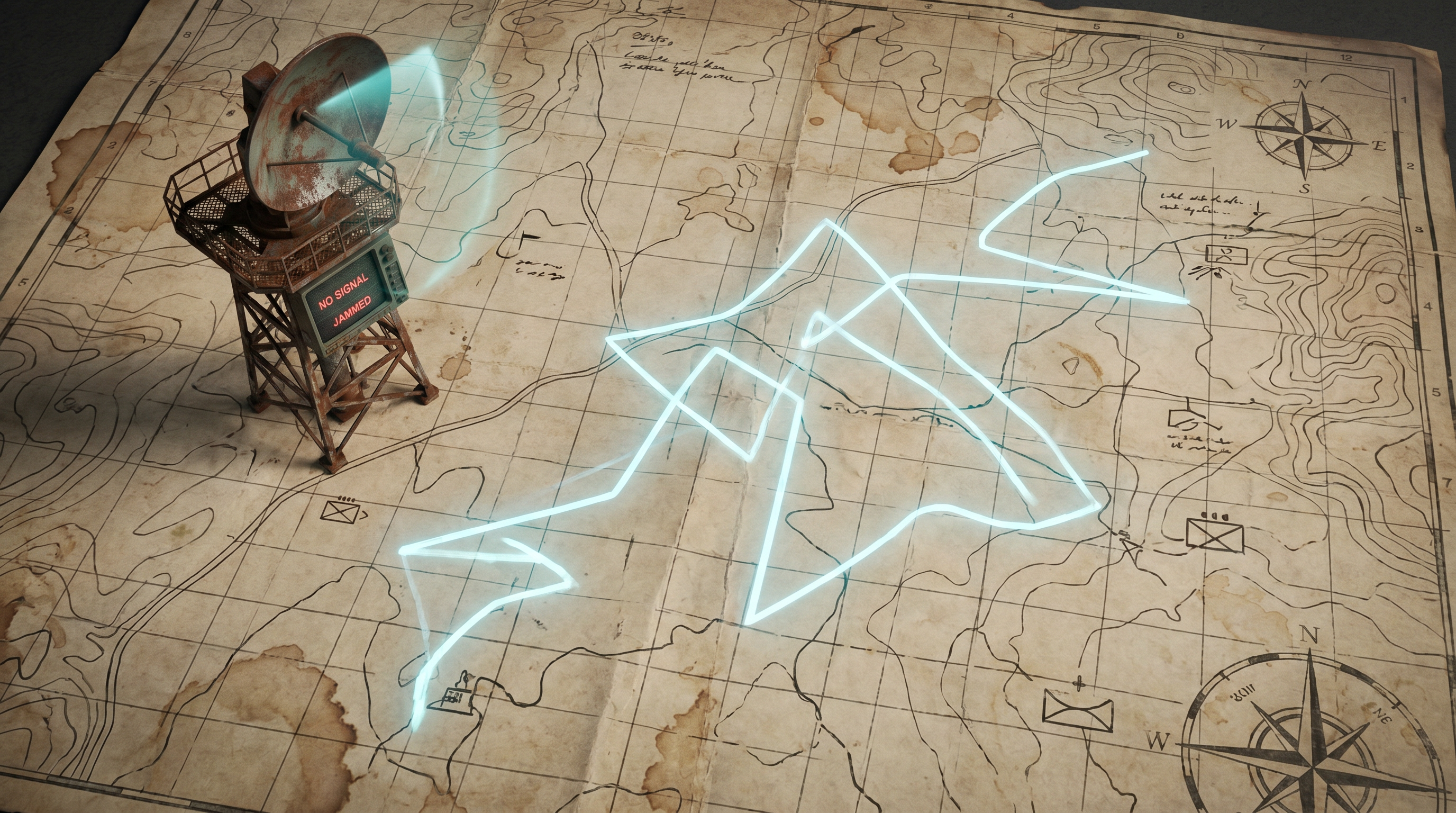
Pilots also use zigzag flight paths. By constantly changing their angle relative to the radar station, they make it harder for tracking systems to build a consistent, locked-on target image.
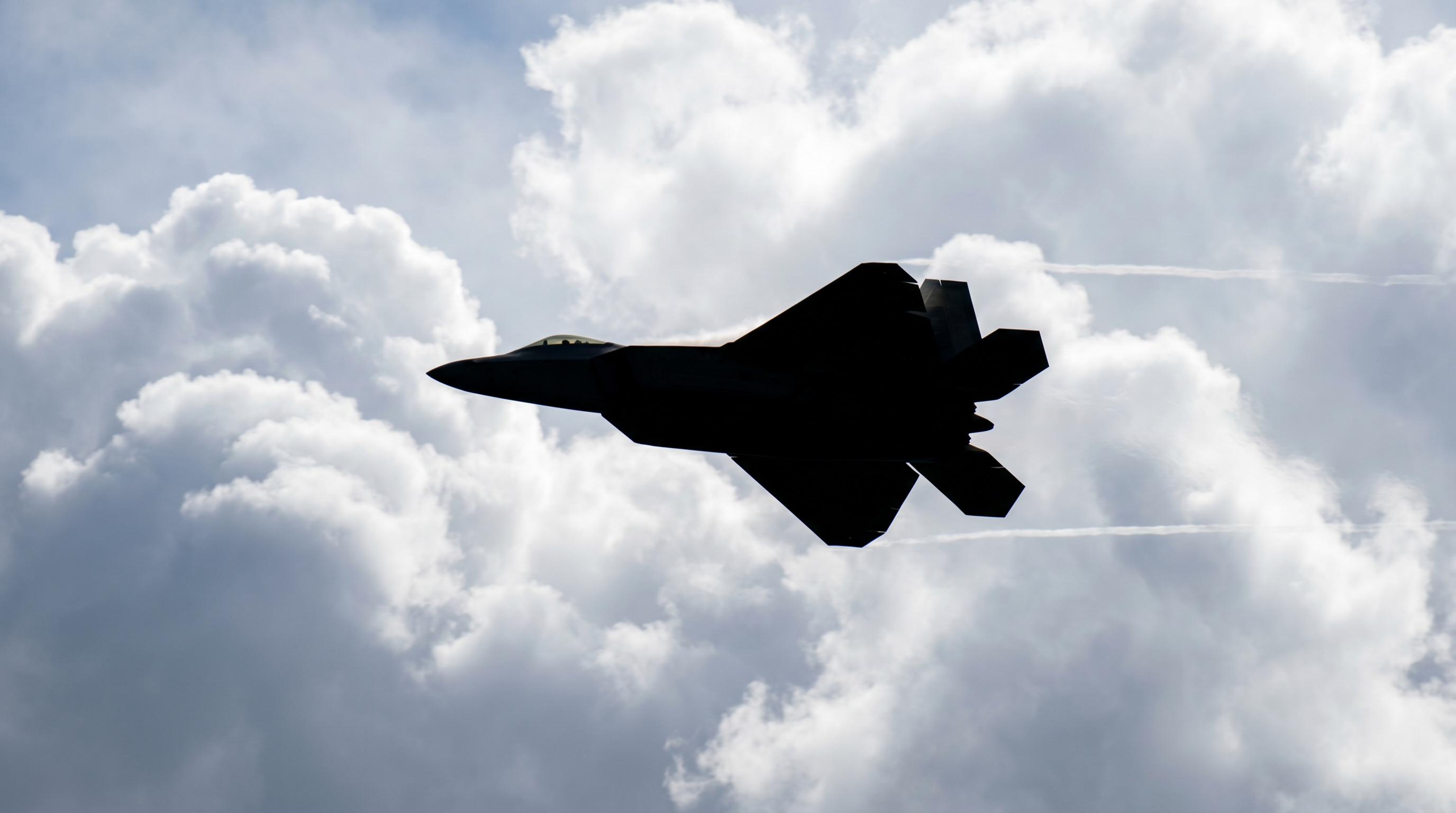
Many think stealth jets are completely invisible to the human eye, but that is a misconception. They are designed only to hide from radar, not to be transparent like a window.

You have learned how shapes, coatings, and flight paths create stealth. But here is a mystery: what happens when radar frequencies change? Could a jet ever be invisible to everything?
Describe any idea in a sentence and Remee builds it for you — stories, games and quizzes on whatever you or your class are working on. Free to start, no card needed, and everything you make gets a link you can share anywhere.
Remee turns any idea into an illustrated story, a playable game, or an interactive quiz — at home or in the classroom.