 Lesson
This lesson explores the physiological basis of lucid dreaming, explains how self-awareness can be trained, and provides practical reality-check rituals.
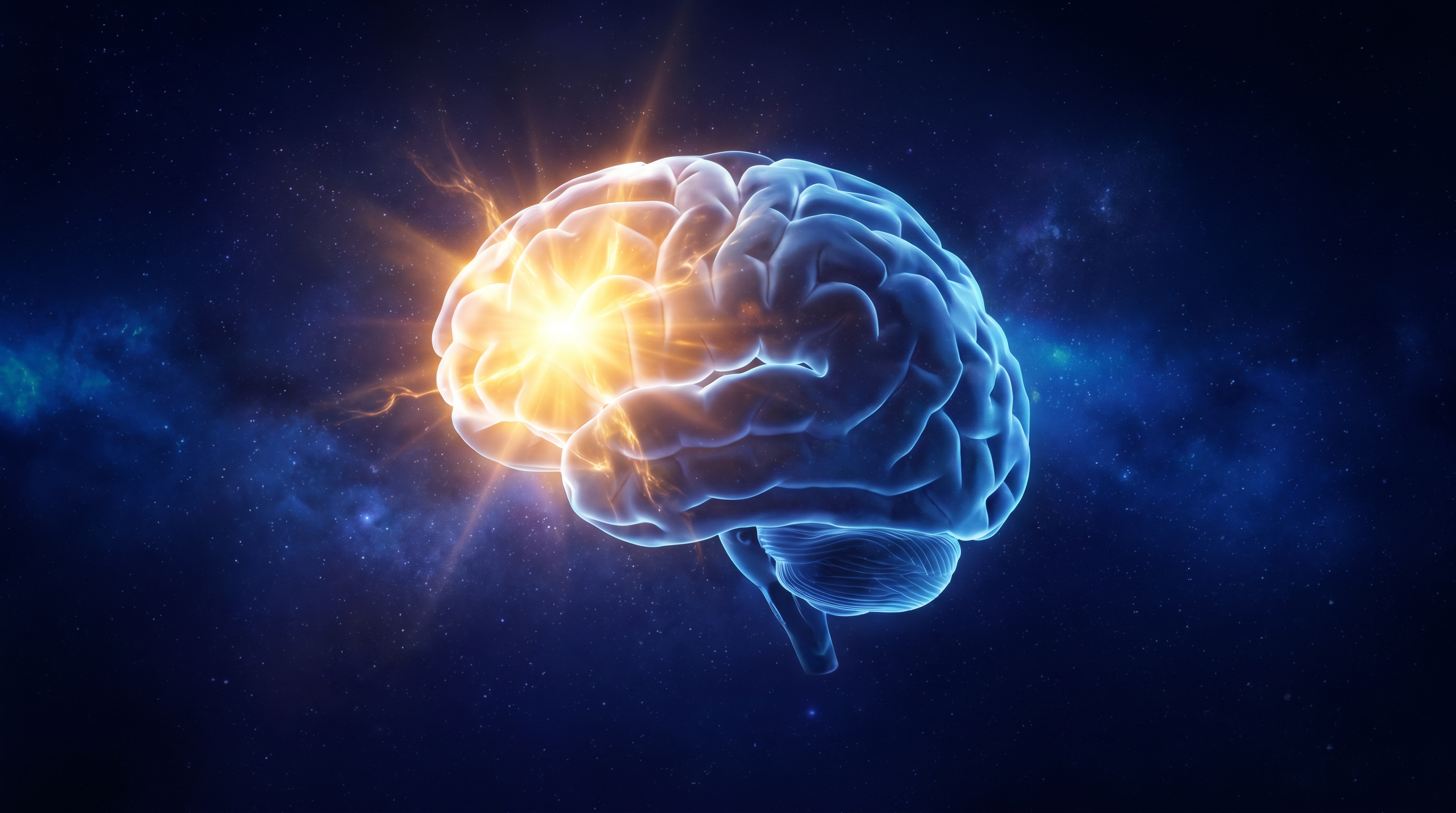
Have you ever realized you were dreaming while deep in sleep? Lucid dreaming occurs when the prefrontal cortex, the area responsible for self-awareness, activates during the rapid eye movement sleep cycle.

Lucidity is a state of hybrid consciousness. Your brain remains in a sleep state, but your executive functions re-engage, allowing you to observe the dream environment as a conscious participant instead.

Training your mind involves building 'prospective memory.' By repeatedly questioning your state during the day, you create a neural habit that eventually triggers the same inquiry while you are asleep.
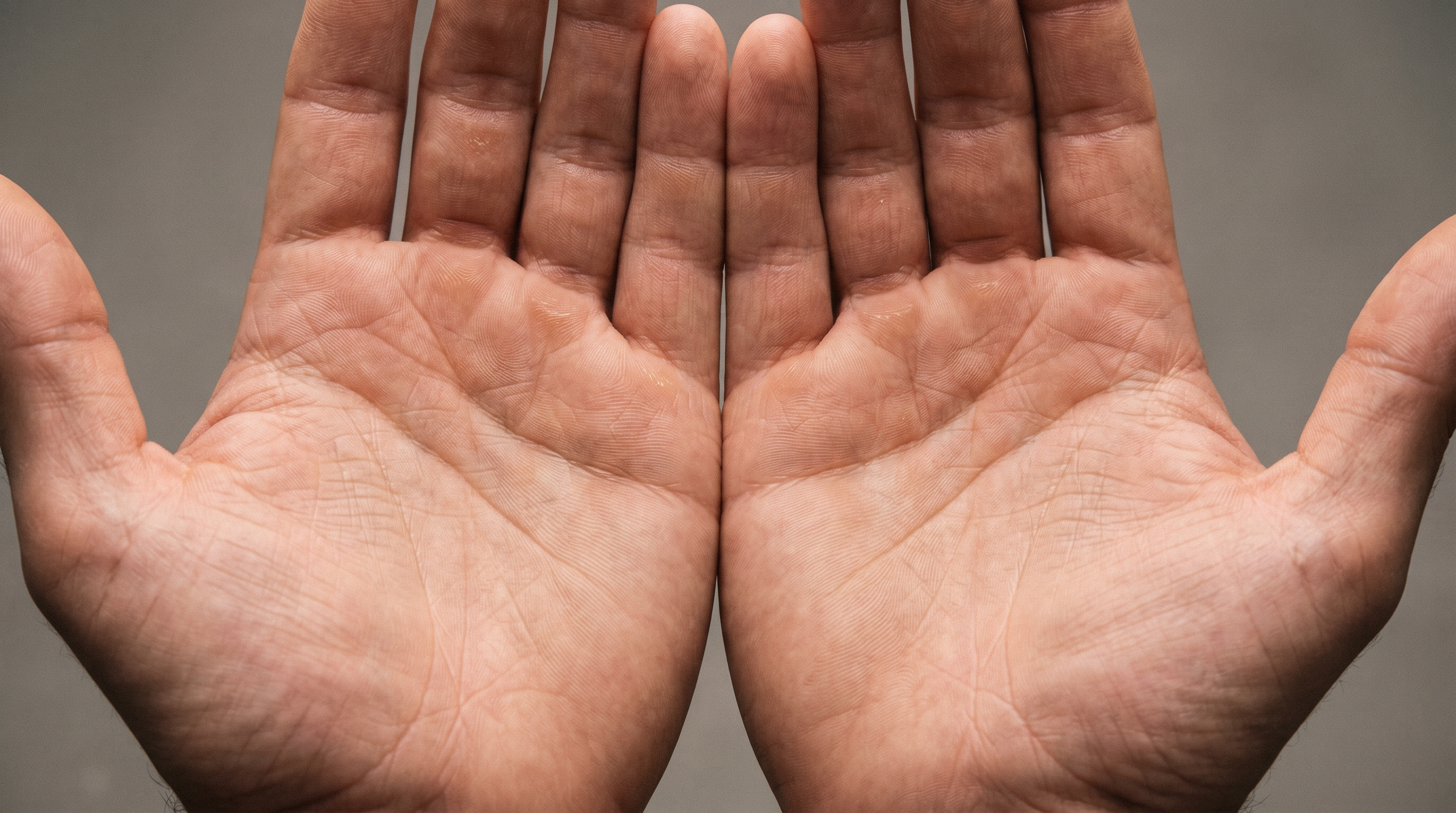
Try this: look at your hands throughout the day and ask, 'Am I dreaming?' Look closely at the textures and lines. If you do this enough, your brain will mimic this check while dreaming. What happens to your hands in a dream?
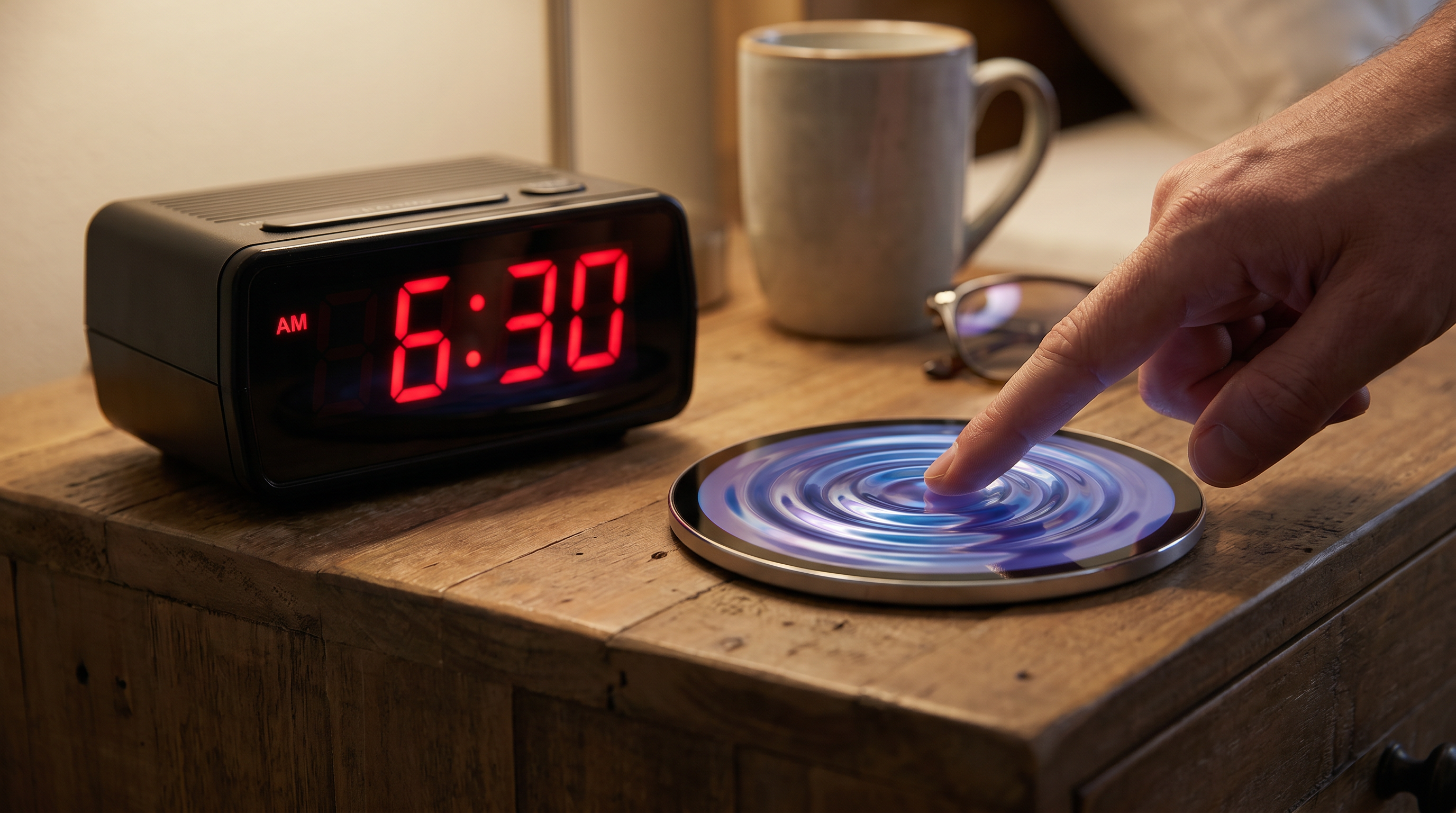
Reality checks are your anchor. Whether it is reading a line of text, checking a digital clock, or pushing a finger against your palm, these actions help verify your current state of consciousness.

A common misconception is that lucid dreaming ruins sleep quality. Research shows that lucidity does not disrupt the restorative stages of sleep, as the brain remains firmly within the REM cycle.

You have learned the basics of self-awareness training. But here is a mystery: if we can control our dream environments, could we potentially use this state to master physical skills? Let us explore.
Describe any idea in a sentence and Remee builds it for you — stories, games and quizzes on whatever you or your class are working on. Free to start, no card needed, and everything you make gets a link you can share anywhere.
Remee turns any idea into an illustrated story, a playable game, or an interactive quiz — at home or in the classroom.