 Lesson
This lesson explores the fundamental laws of thermodynamics and quantum resonance, demonstrating how systems maintain order against the constant increase of entropy.

Did you know that the universe naturally trends toward disorder? This process, called entropy, is a fundamental law. But how do some systems manage to sustain complex, organized structures instead?
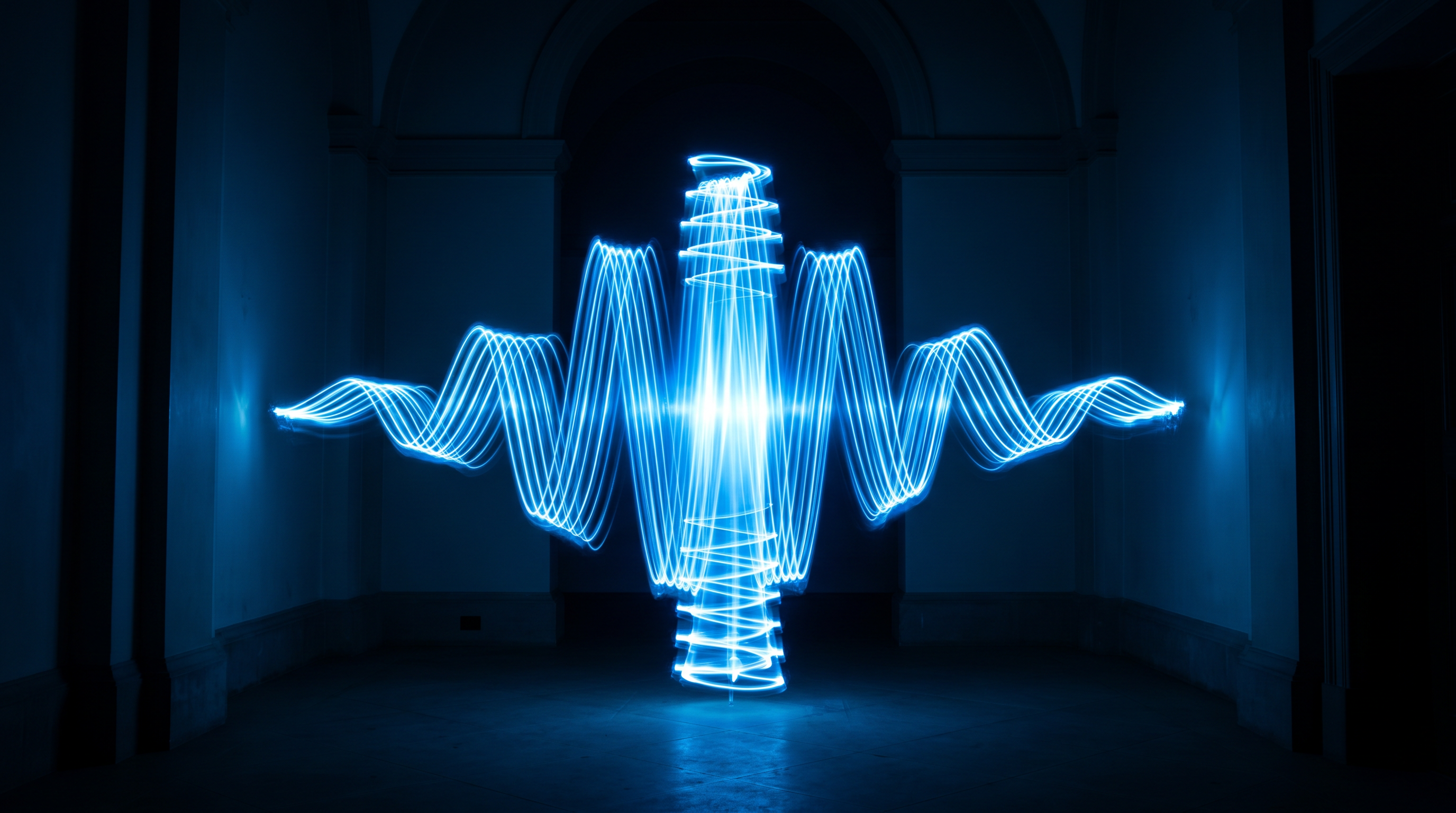
Quantum resonance occurs when a system absorbs energy at its natural frequency. This alignment allows particles to vibrate in harmony, creating stable states that resist the chaotic pull of entropy.
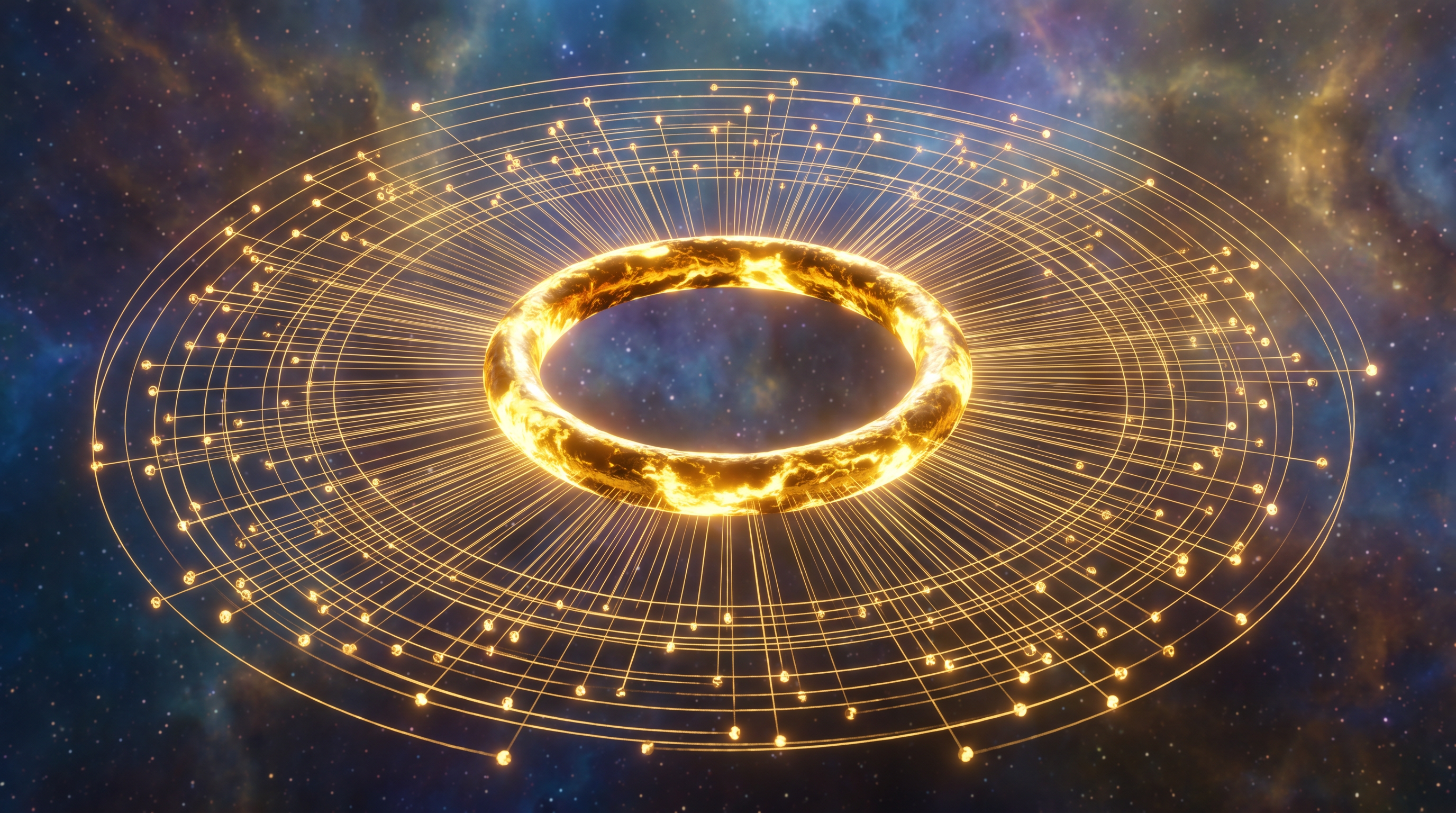
When energy input matches a system's resonance, it creates a feedback loop. This maintains structural integrity, effectively pushing back against the decay that otherwise consumes isolated, unpowered physical systems.
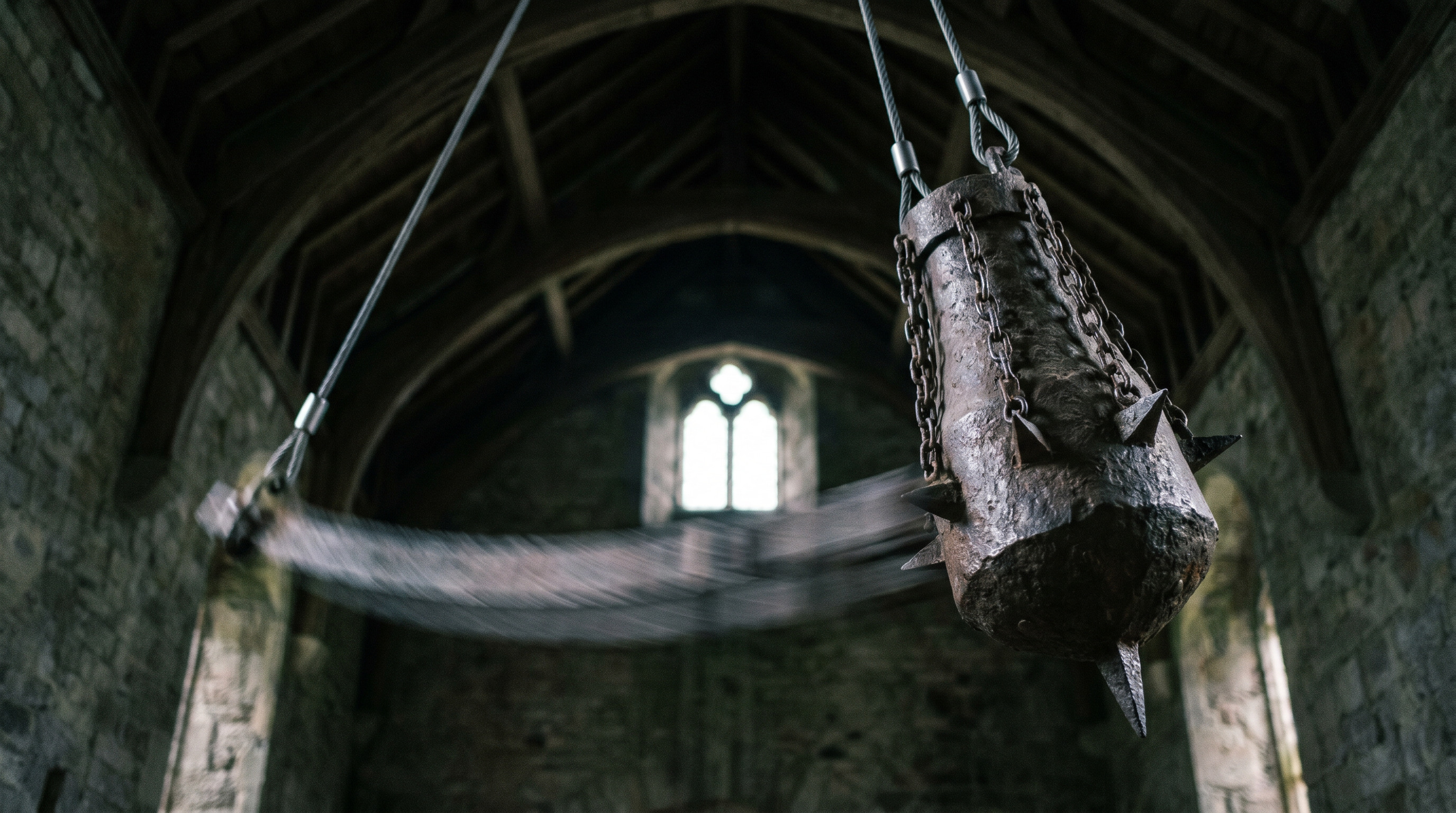
Think about a swinging pendulum. If you push it at the right moment, it goes higher. Can you observe this in your daily life? Where else do you see resonance creating stability?
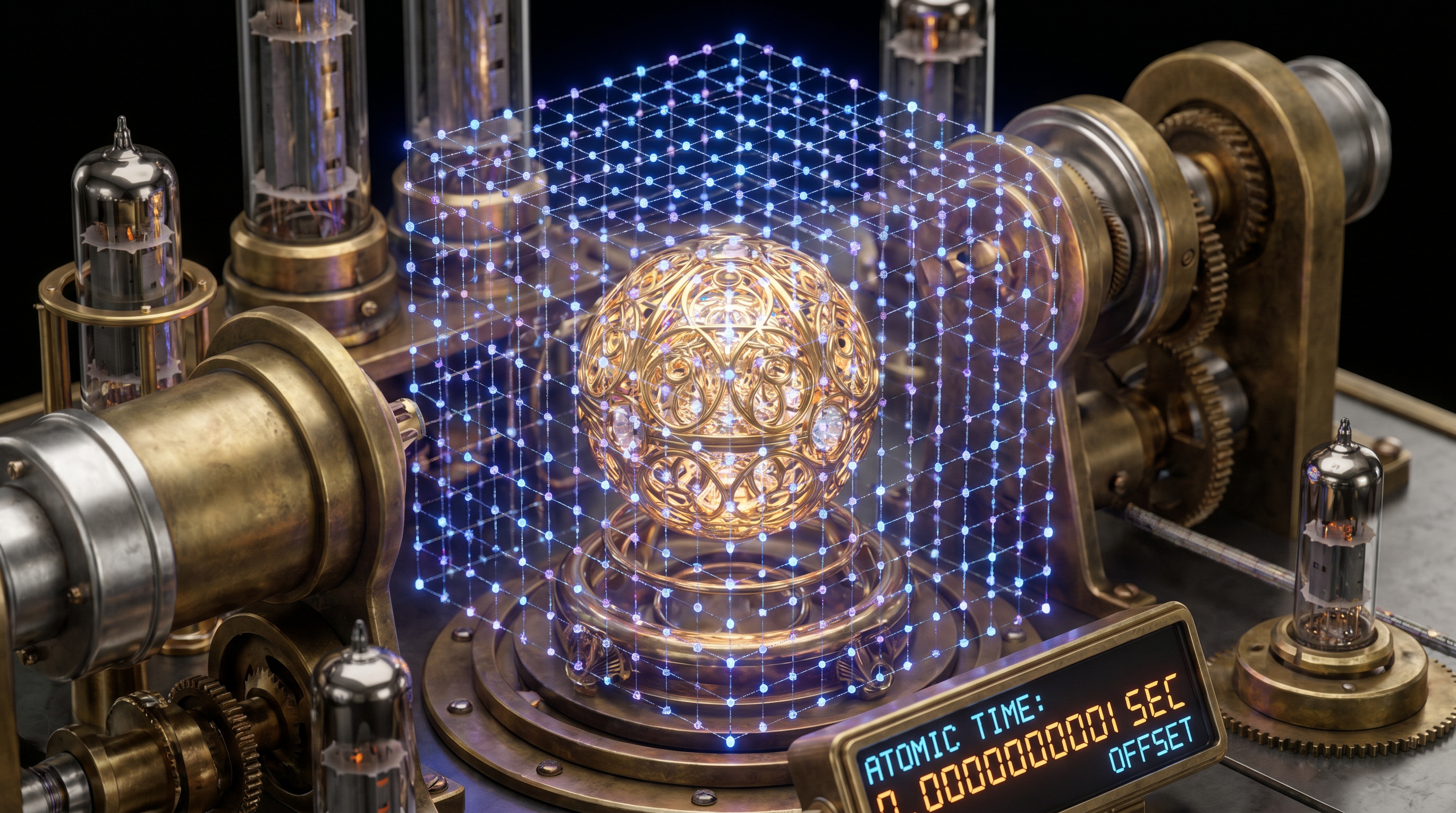
In modern technology, quantum resonance is used in atomic clocks. These devices maintain extreme precision by locking onto the natural vibration of cesium atoms, keeping time stable across our global networks.
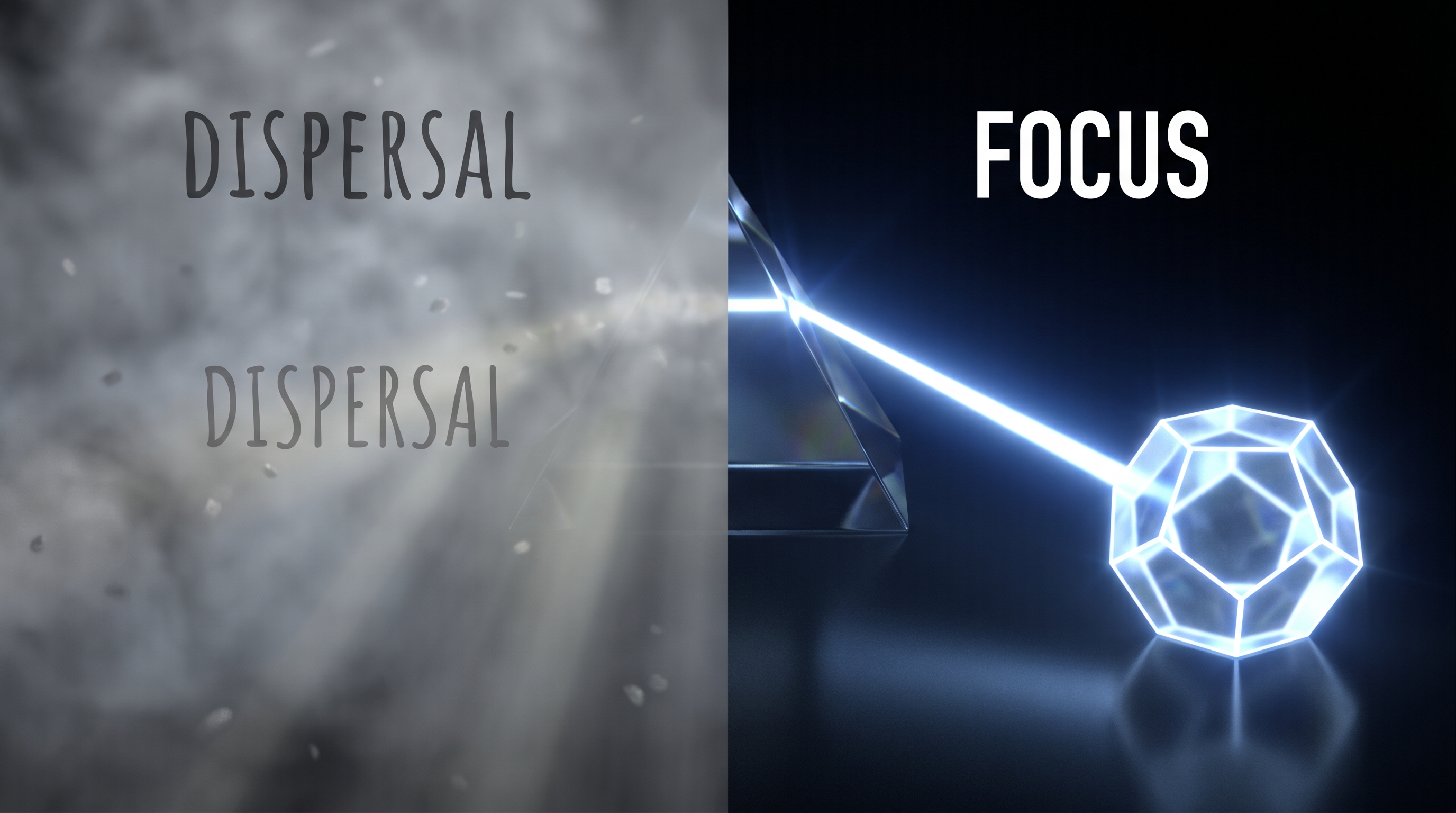
A common misconception is that entropy means things simply disappear. In reality, entropy is the dispersal of energy. Resonance doesn't stop entropy; it localizes energy to maintain order within a system.

We have learned that resonance creates order through frequency alignment. But if the universe is always moving toward higher entropy, what happens when a system runs out of energy to resonate? That is a mystery.
Describe any idea in a sentence and Remee builds it for you — stories, games and quizzes on whatever you or your class are working on. Free to start, no card needed, and everything you make gets a link you can share anywhere.
Remee turns any idea into an illustrated story, a playable game, or an interactive quiz — at home or in the classroom.