 Lesson
This lesson explores how encryption transforms information using mathematics, ensuring privacy in a digital world and protecting data from unauthorized access.

Have you ever wondered how your private messages stay hidden while traveling across the globe? It is not magic; it is a brilliant mathematical dance that turns your words into unreadable code.
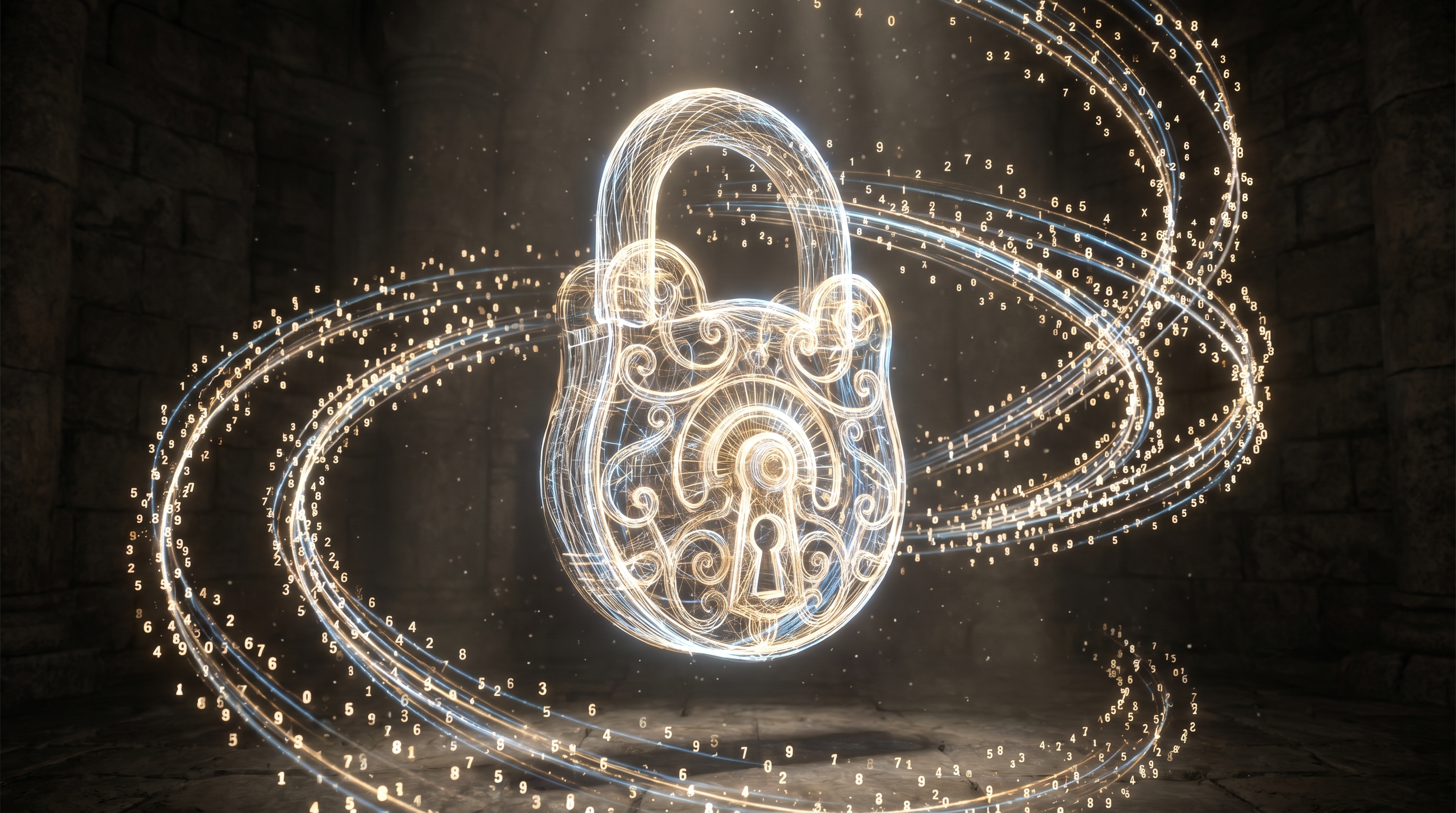
Encryption works by applying a complex mathematical formula to your data. Think of it like a lock that requires a specific digital key to turn the scrambled mess back into readable text.
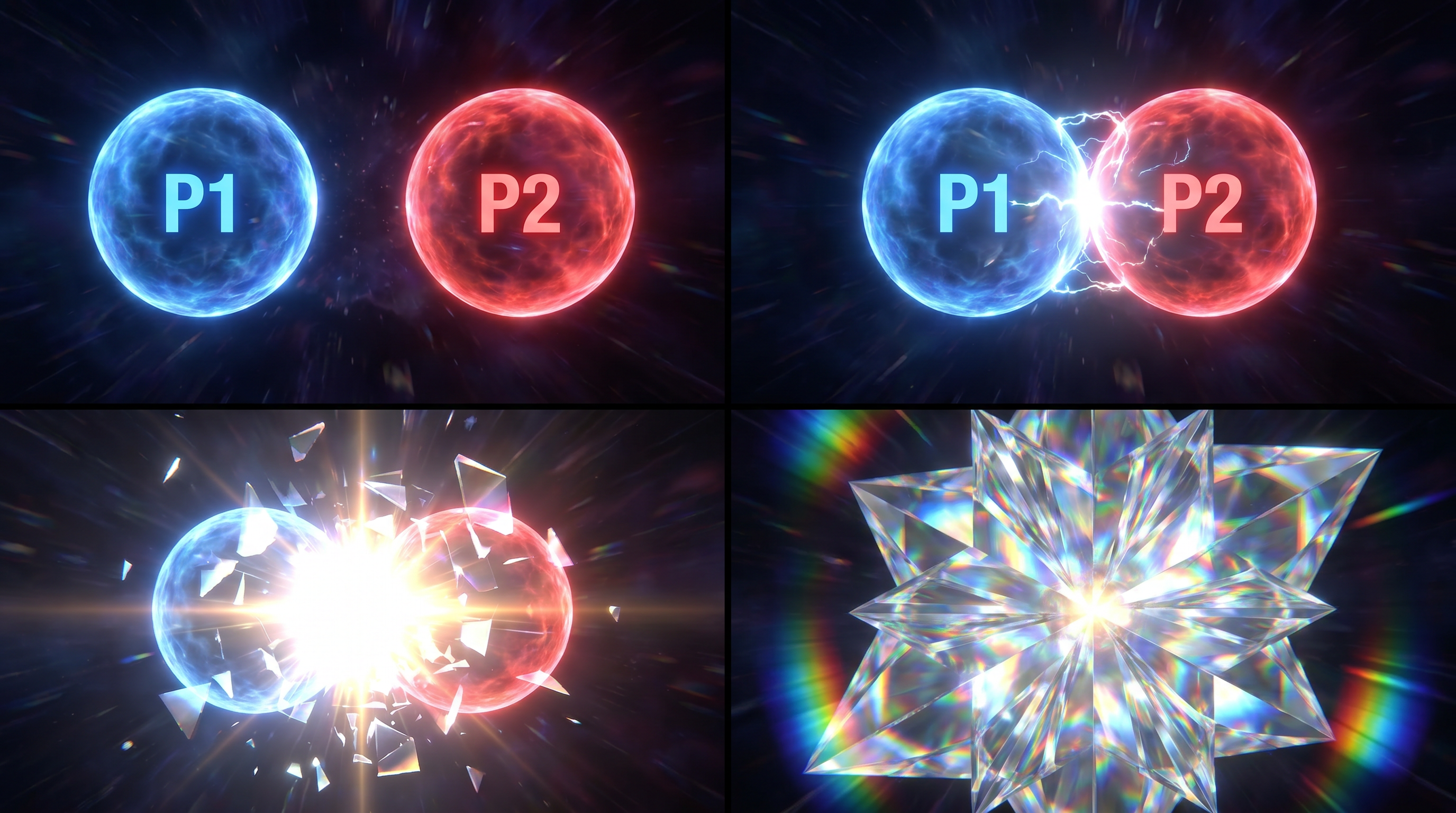
The secret ingredient is prime numbers. Computers can easily multiply two huge prime numbers together, but working backward to find those original numbers from the result is incredibly difficult and slow.

If you multiply two prime numbers that are hundreds of digits long, could a supercomputer guess them both by trial and error? What happens to the time required as the numbers grow?

This math is used everywhere, from securing your online bank account to protecting government secrets. It ensures that only the intended recipient, who holds the matching key, can unlock the message.

A common mistake is thinking encryption is just about hiding a message. It is actually about mathematical certainty: even if a spy intercepts the data, they cannot solve the math without the key.

Encryption keeps our digital world private by turning math into a shield. But what happens when quantum computers arrive, capable of solving these math problems instantly? That is the next great mystery.
Describe any idea in a sentence and Remee builds it for you — stories, games and quizzes on whatever you or your class are working on. Free to start, no card needed, and everything you make gets a link you can share anywhere.
Remee turns any idea into an illustrated story, a playable game, or an interactive quiz — at home or in the classroom.