 Lesson
This lesson guides students through the practical, step-by-step integration of robotics into society, emphasizing safety, collaboration, and evidence-based implementation strategies.
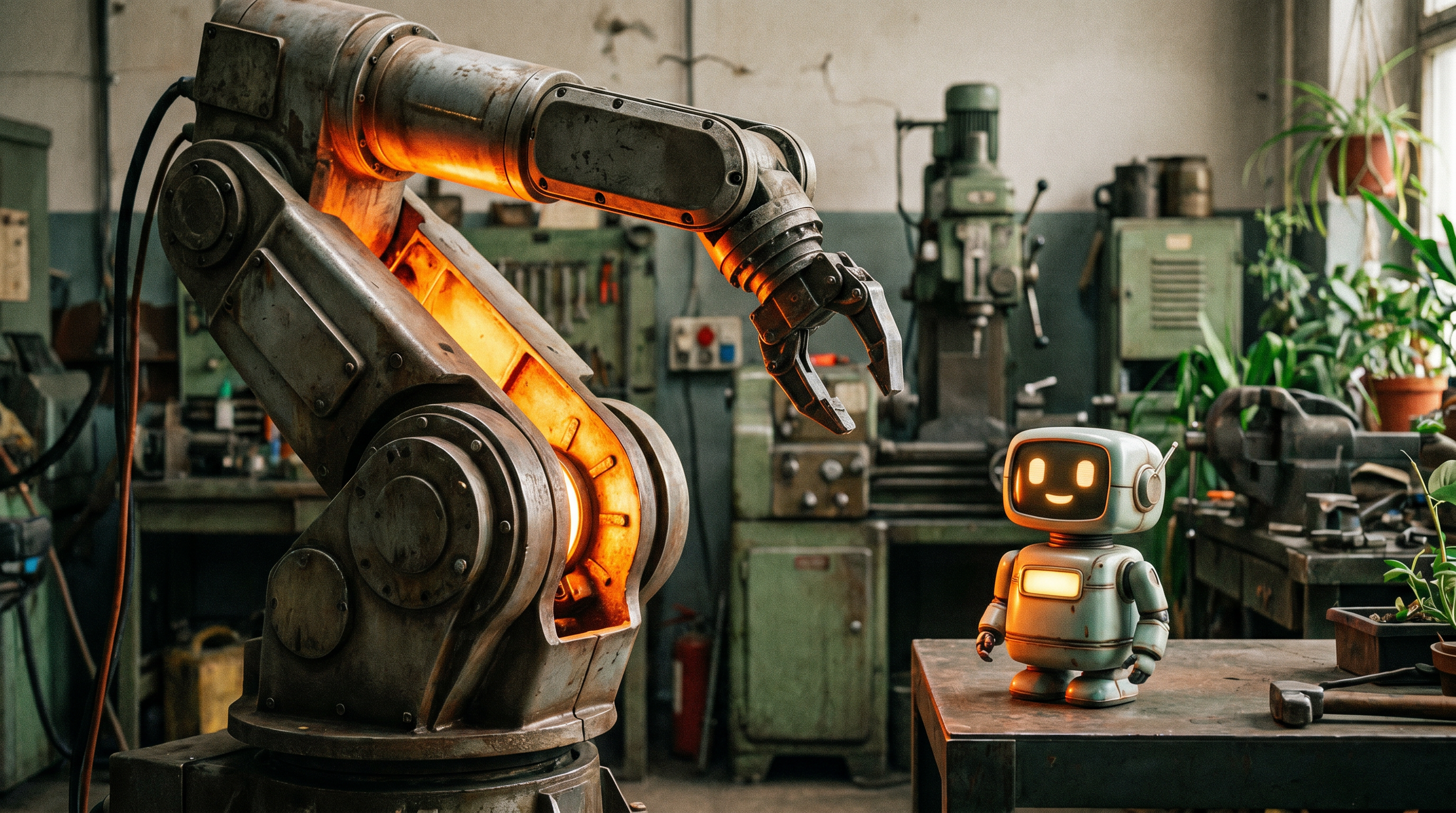
Robots are increasingly moving from factory floors into our shared spaces. How can we ensure these machines work safely and effectively alongside us in our schools and daily lives?
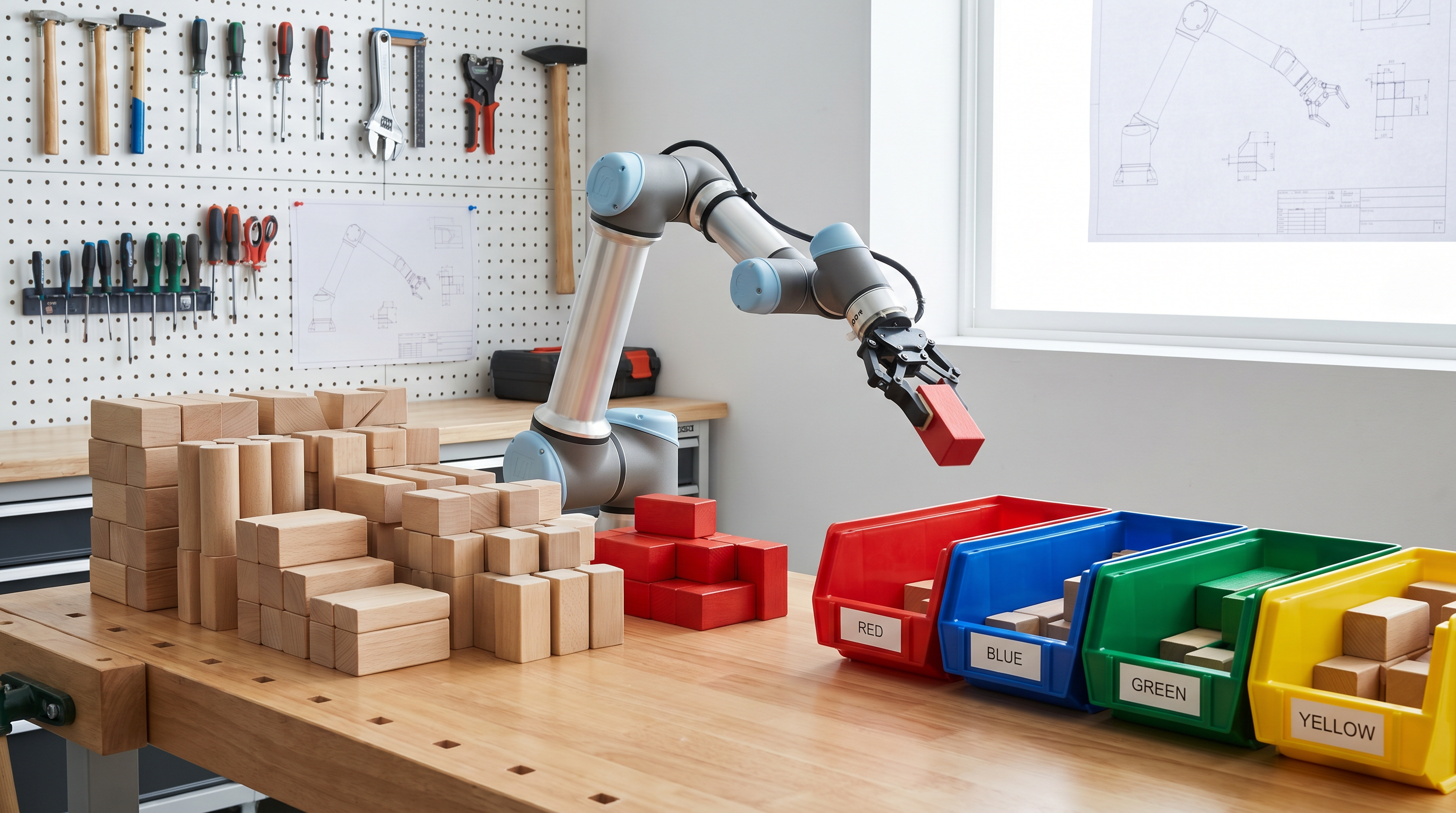
Integration starts with clear roles. Robots excel at repetitive tasks like sorting materials or organizing data, allowing us to focus on creative problem-solving and complex social interactions.
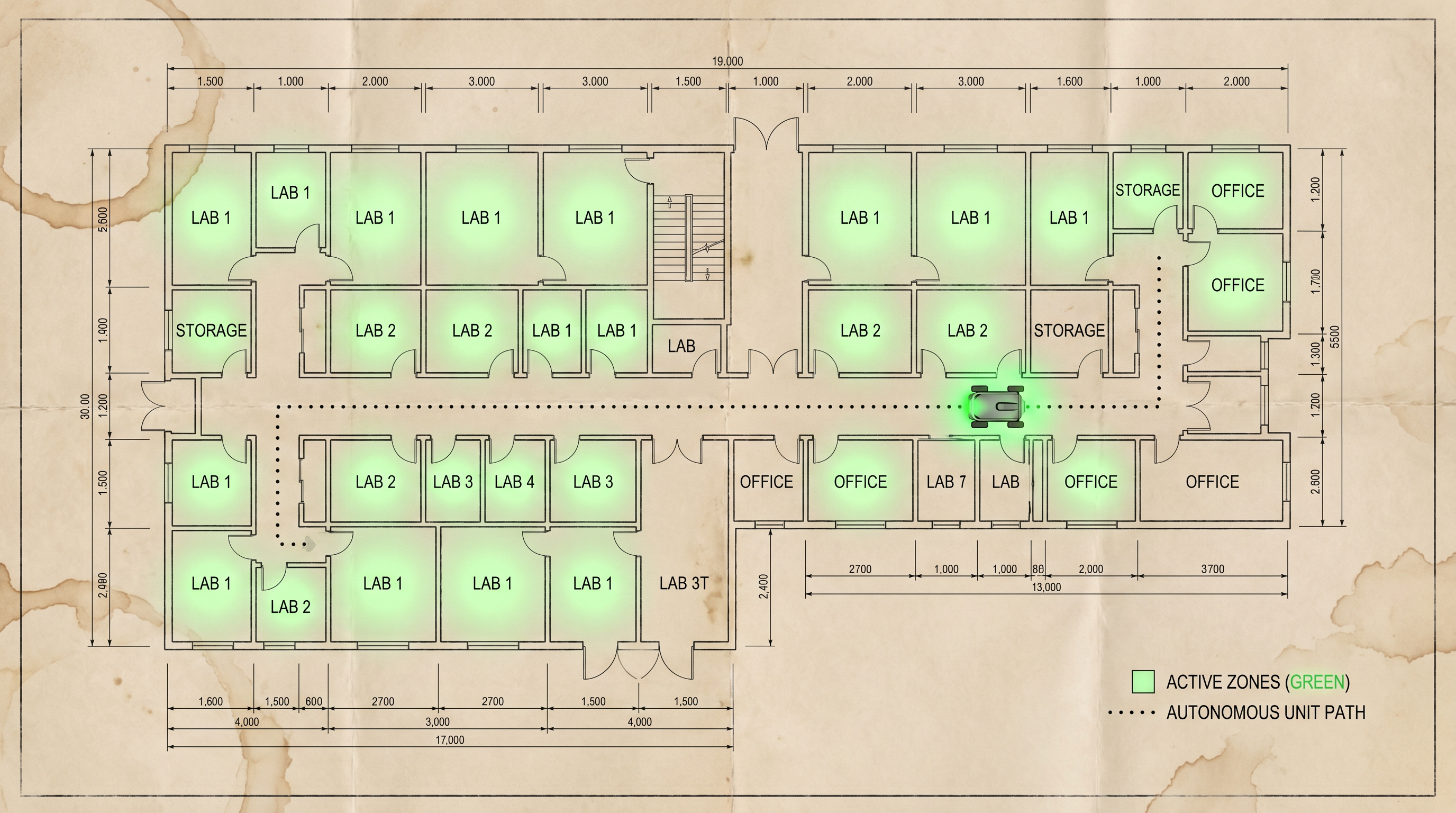
To start small, we identify specific, low-risk tasks. By testing robots in controlled environments like libraries or storage rooms, we observe their performance before expanding to larger public areas.
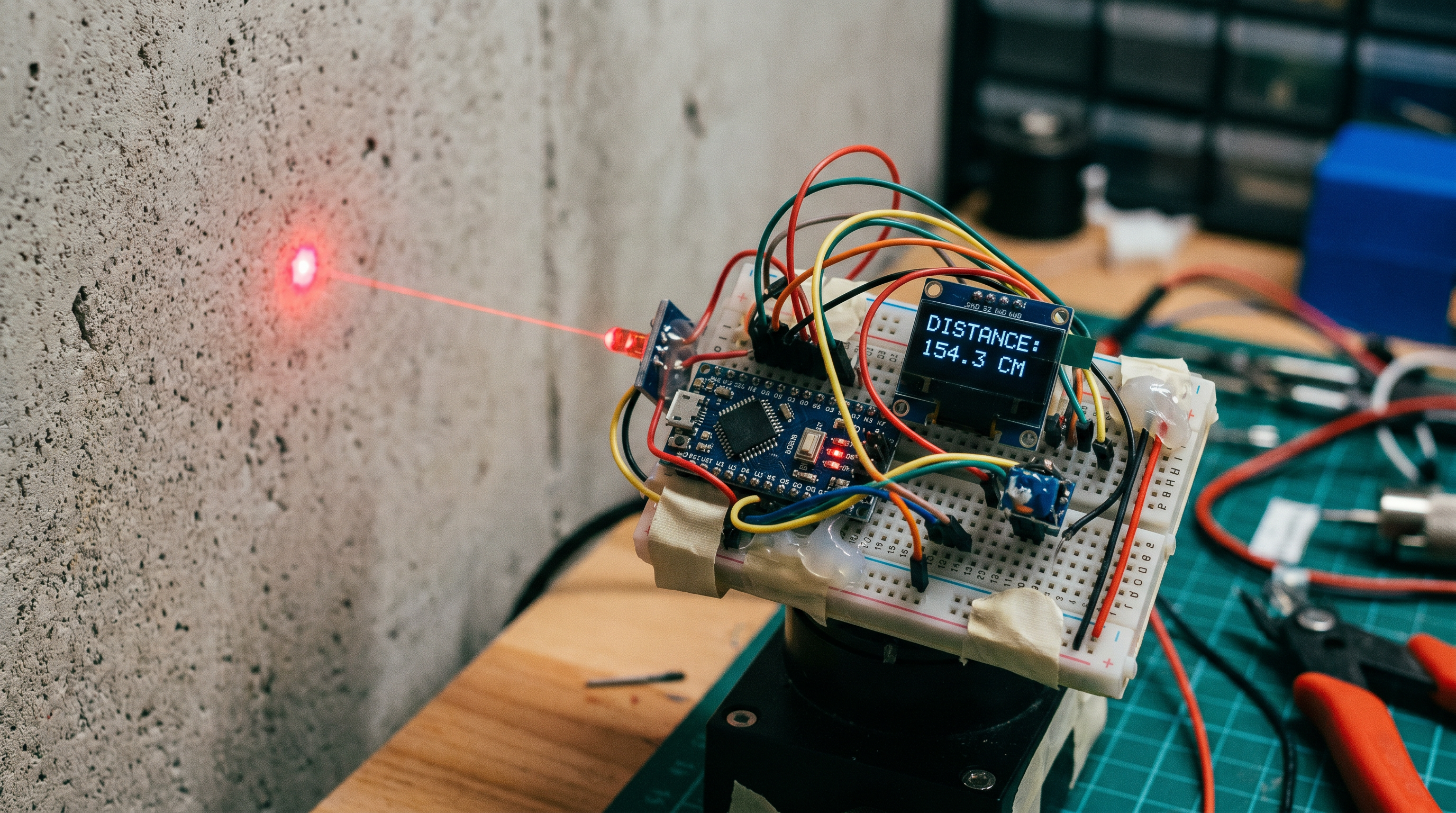
Think about your own school: which tasks are repetitive and could potentially be automated? If a robot could assist, what specific safety sensor would it need to avoid bumping into things?

Successful integration relies on human-robot collaboration, or 'cobotics.' In modern hospitals, robots transport supplies, while staff focus entirely on patient care, creating a highly efficient, supportive team environment.
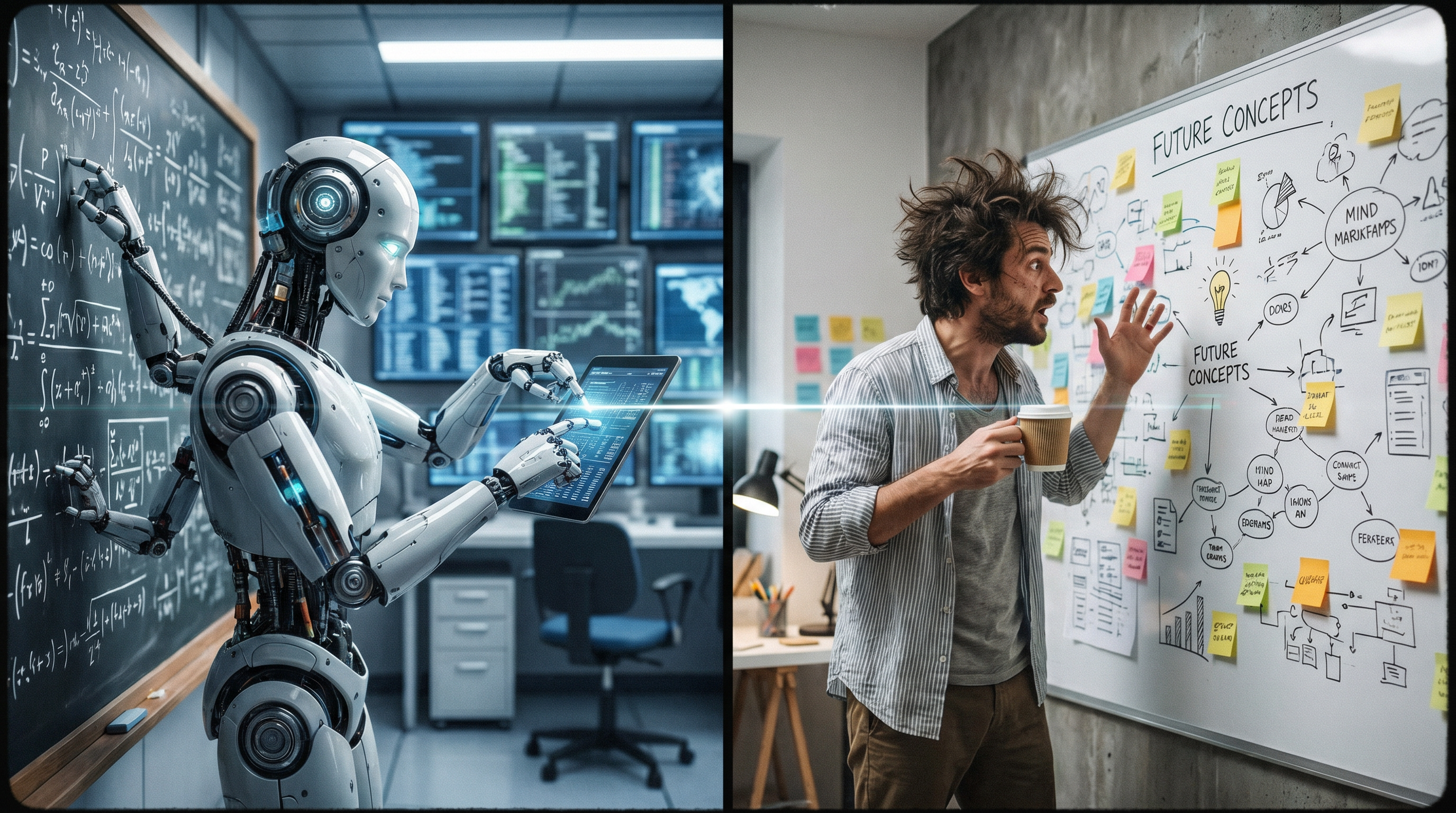
Many believe robots will replace all human roles, but this is a misconception. Robots lack empathy and judgment; they are designed to augment human potential, not to fully replace it.

We have learned that integration requires planning, safety, and clear roles. But as robots learn to adapt to our emotions, where do we draw the line between tool and companion?
Describe any idea in a sentence and Remee builds it for you — stories, games and quizzes on whatever you or your class are working on. Free to start, no card needed, and everything you make gets a link you can share anywhere.
Remee turns any idea into an illustrated story, a playable game, or an interactive quiz — at home or in the classroom.