 Lesson
This lesson explores how migratory birds utilize the sun, magnetic fields, and internal biological sensors to navigate accurately across vast distances during their seasonal journeys.

Have you ever wondered how a tiny bird finds its way across thousands of miles to reach the exact same backyard each year? It is not magic; it is incredible biology!

Birds use the sun as a giant clock and compass. By tracking the sun's position throughout the day, they keep their flight path steady, even when traveling over long distances.
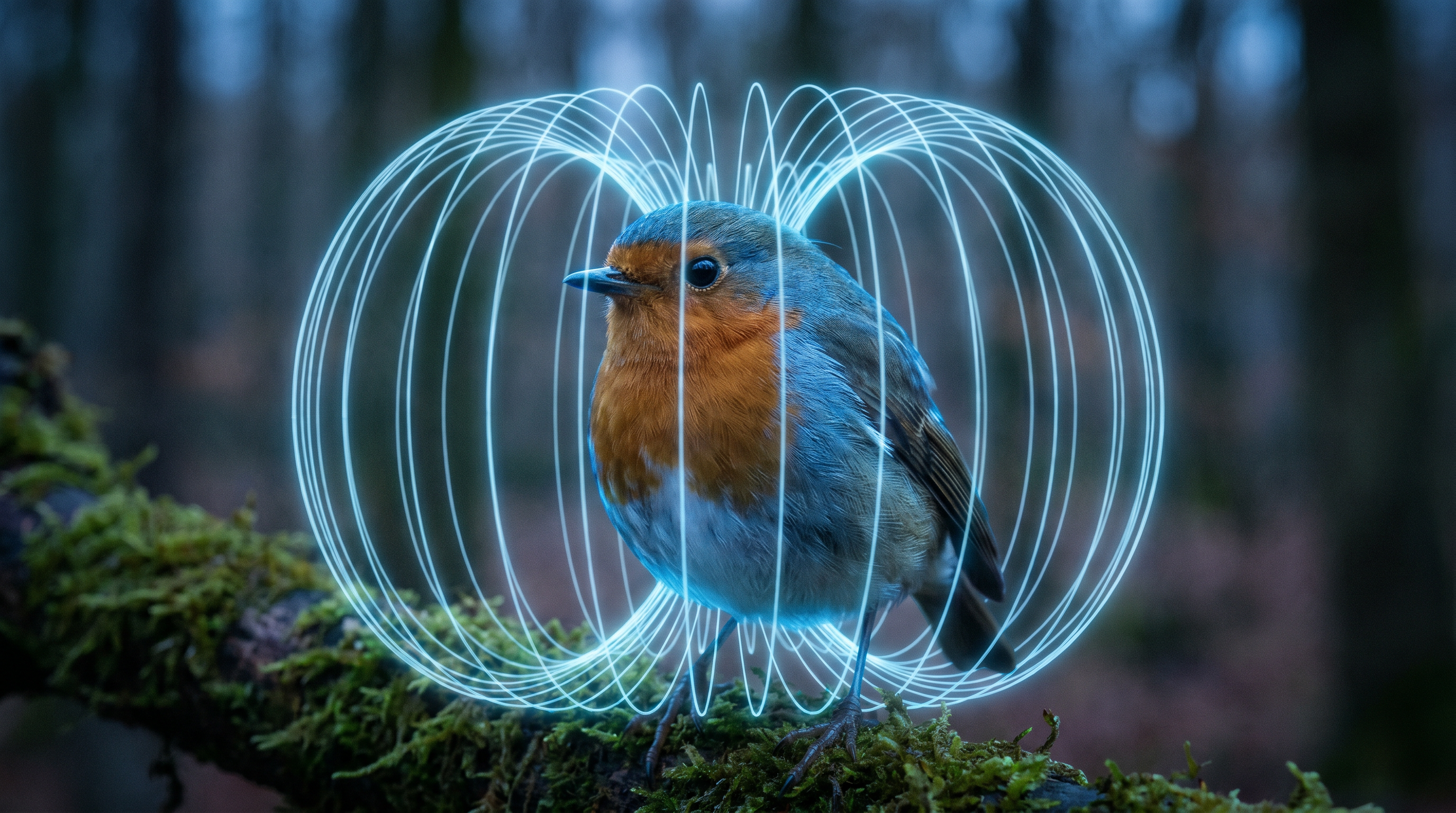
Deep inside a bird's body, there is a tiny built-in compass. It senses Earth's invisible magnetic field, which acts like a giant, natural map guiding them safely toward home.

If you watch birds on a cloudy day, they might change their route. Why do you think they might struggle to find their way when the sun is hidden?

Many birds also follow landmarks like coastlines and mountain ranges. They combine their magnetic sense with these visual clues to confirm they are on the right path every time.

Some people think birds just follow older birds, but even young birds migrating for the first time know exactly where to go. They are born with this amazing internal map.

Birds use the sun, magnetic fields, and landmarks to navigate perfectly. But scientists still wonder: how do they 'see' these magnetic fields? Could they actually perceive light differently?
Describe any idea in a sentence and Remee builds it for you — stories, games and quizzes on whatever you or your class are working on. Free to start, no card needed, and everything you make gets a link you can share anywhere.
Remee turns any idea into an illustrated story, a playable game, or an interactive quiz — at home or in the classroom.