 Lesson
This lesson explores the Second Law of Thermodynamics and information theory, illustrating how structured data naturally tends toward disorganized noise over time.
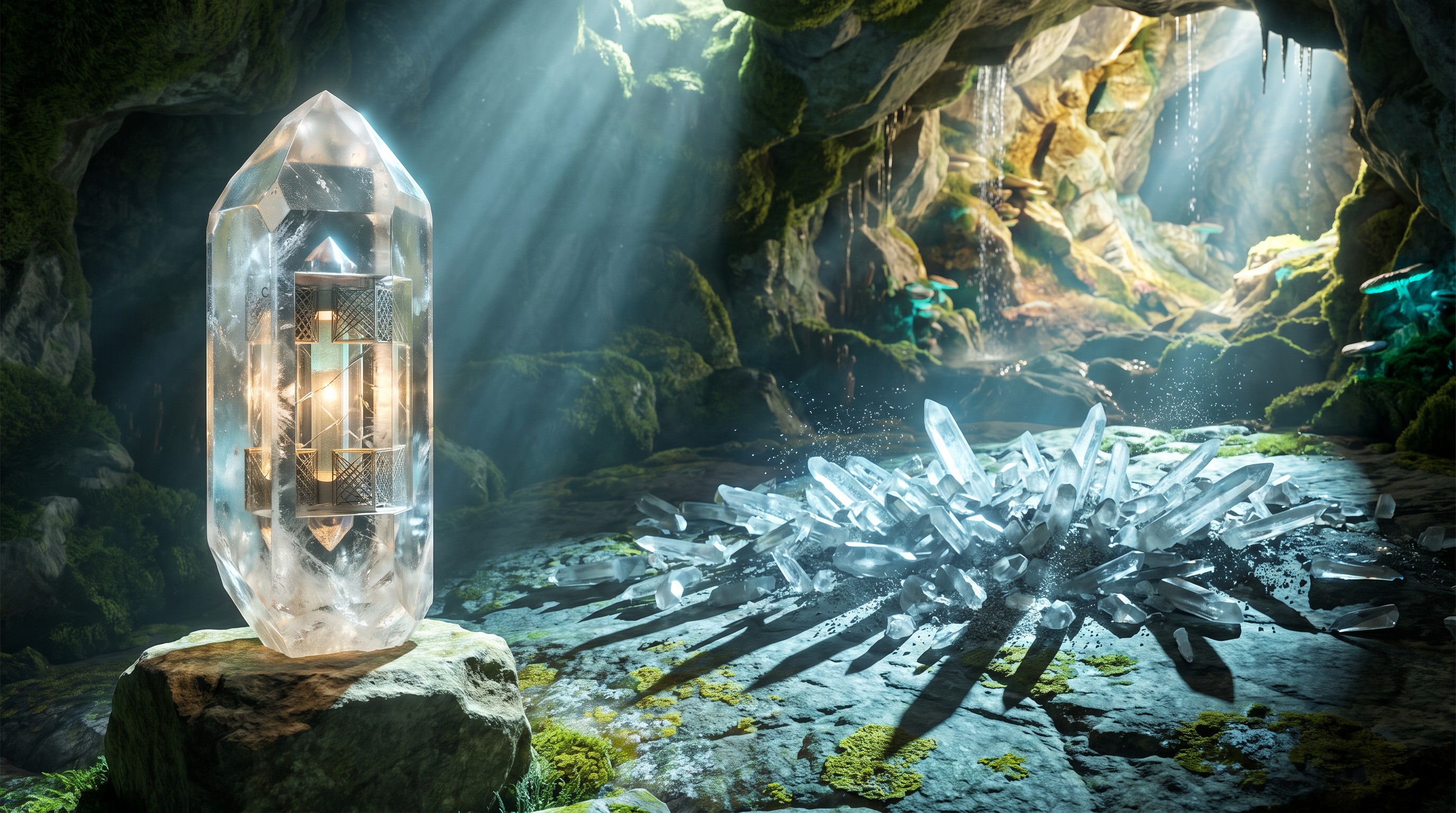
In physics, systems naturally move from order to disorder. This process, called entropy, explains why a perfectly arranged library eventually becomes a chaotic pile of scattered, unreadable pages.
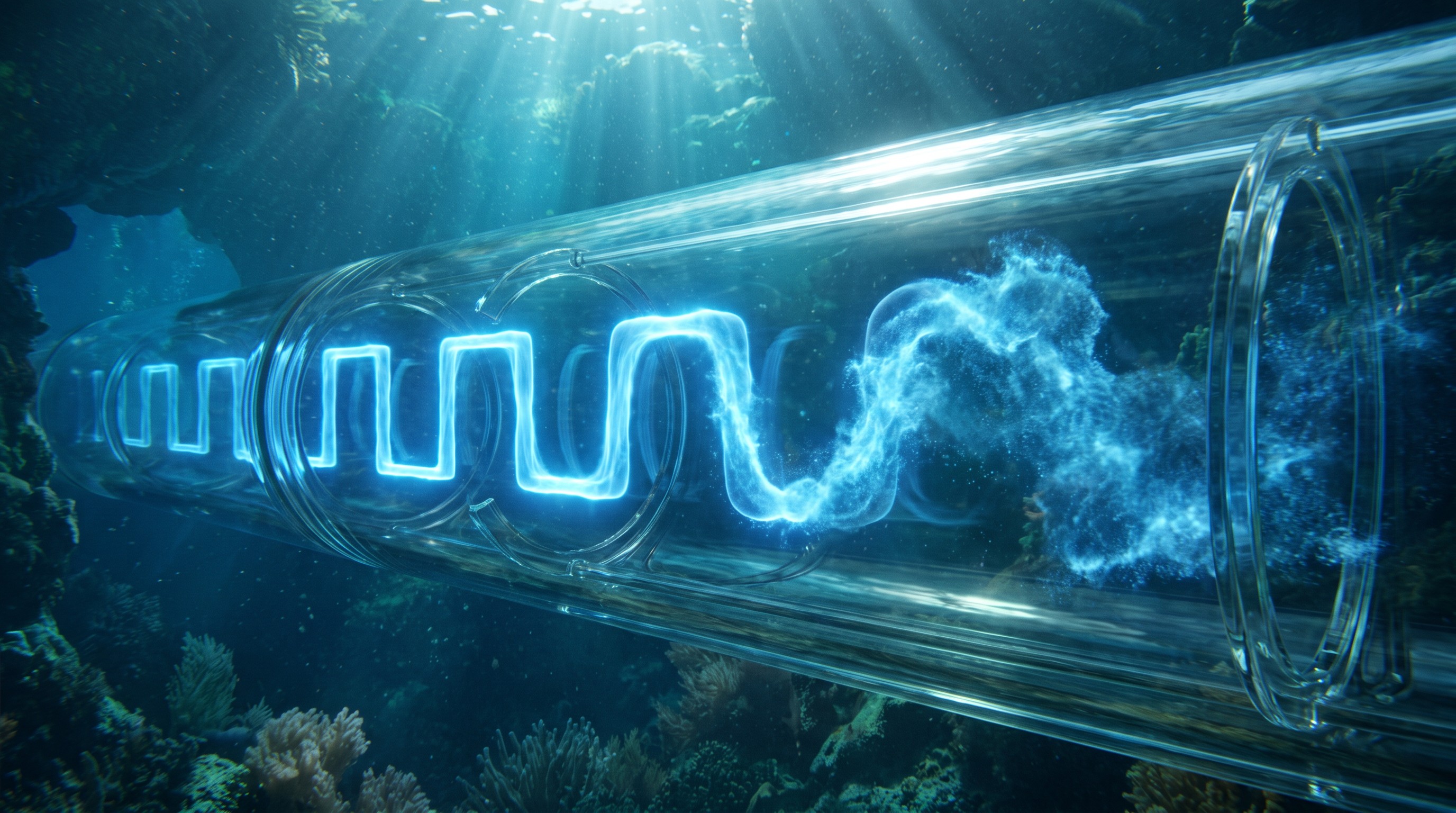
Information behaves similarly to physical matter. A digital signal starts as a crisp, square wave, carrying precise instructions. Over time, interference turns that sharp, defined pulse into blurred, static noise.

When energy or data is transferred, it inevitably loses cohesion. We see this as 'bit-rot' or transmission loss, where the original signal's distinct peaks are eroded by environmental interference and thermal fluctuations.
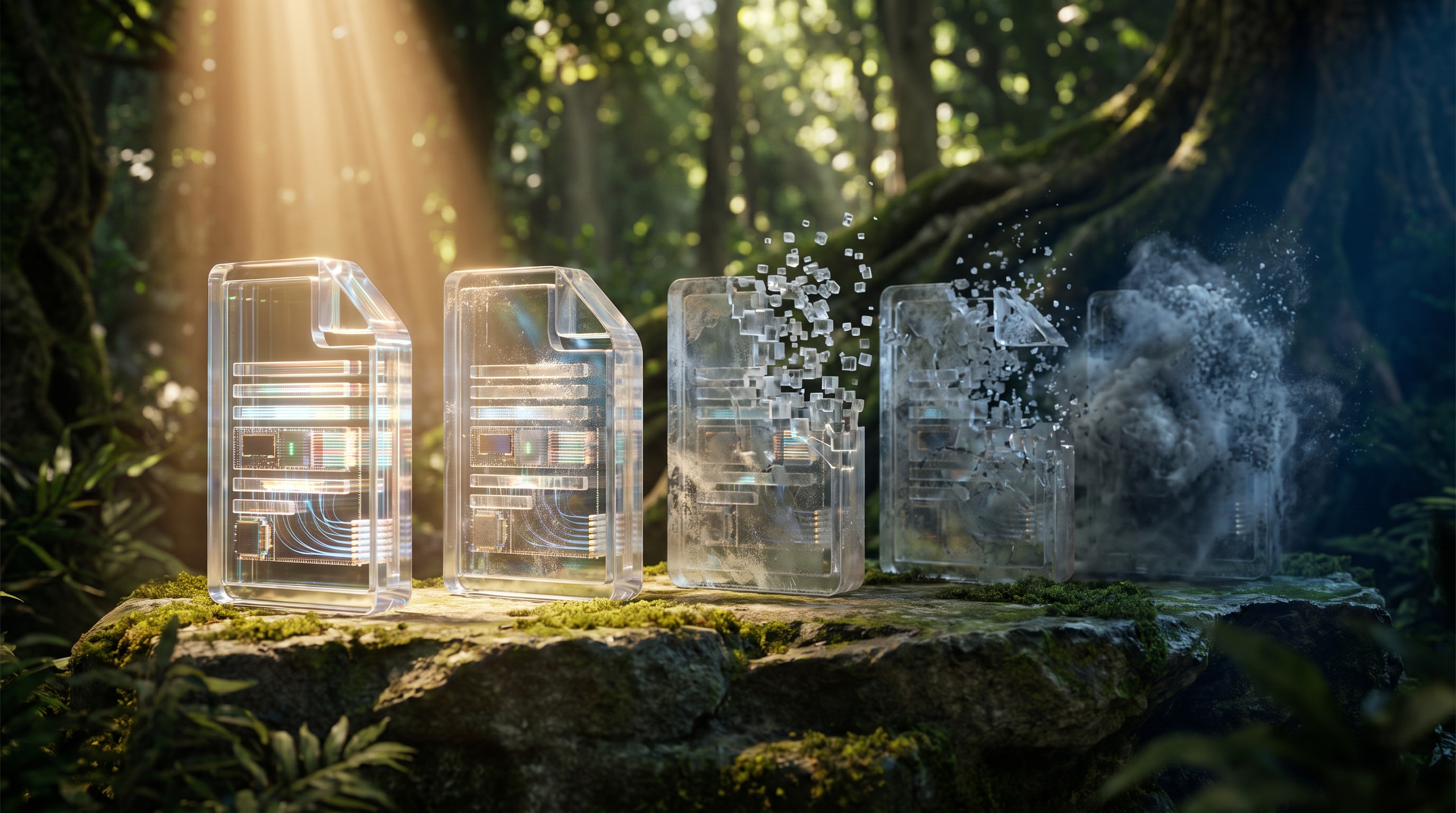
Consider this: if you copy a digital file a thousand times, does it remain identical to the original? Why do we observe subtle, permanent errors creeping into the data with every single iteration?
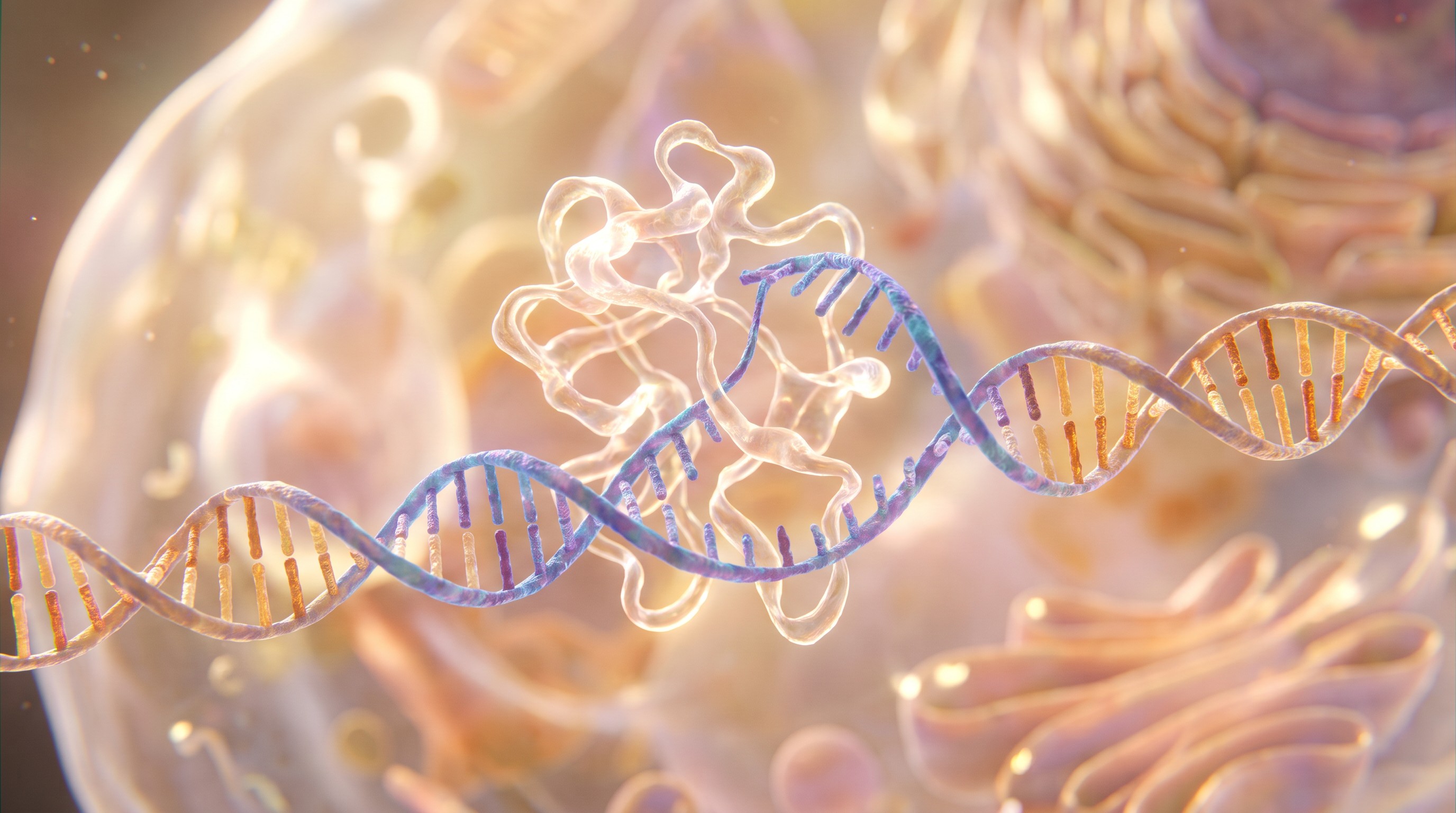
This is not just digital; it is universal. In biology, DNA replication follows these same rules, requiring constant error-correction mechanisms to prevent the 'entropy' of mutations from destroying the organism's genetic code.
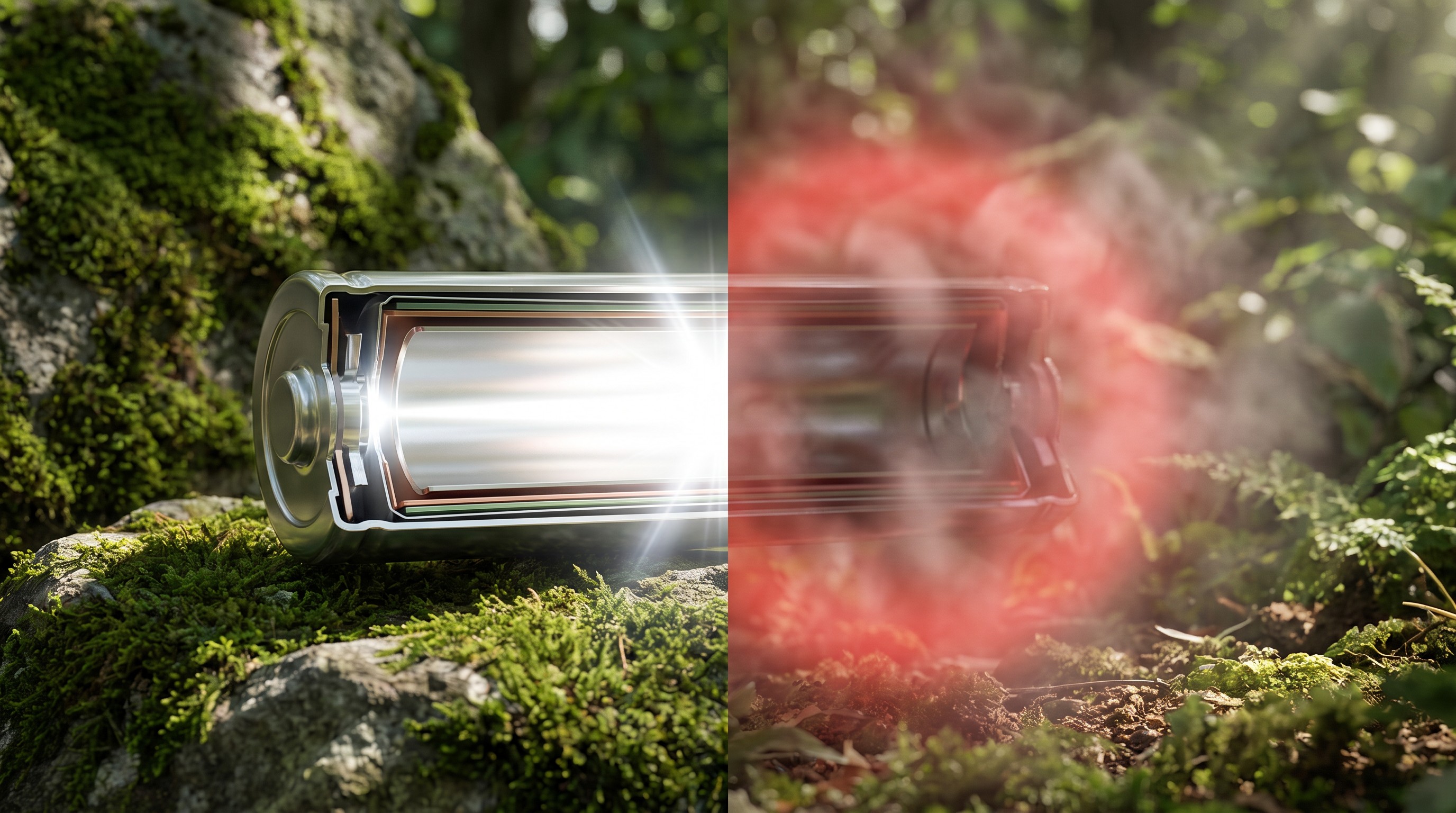
A common misconception is that energy is destroyed during this process. In reality, it is simply transformed into less useful forms, like heat, which increases the total entropy of the surrounding environment.
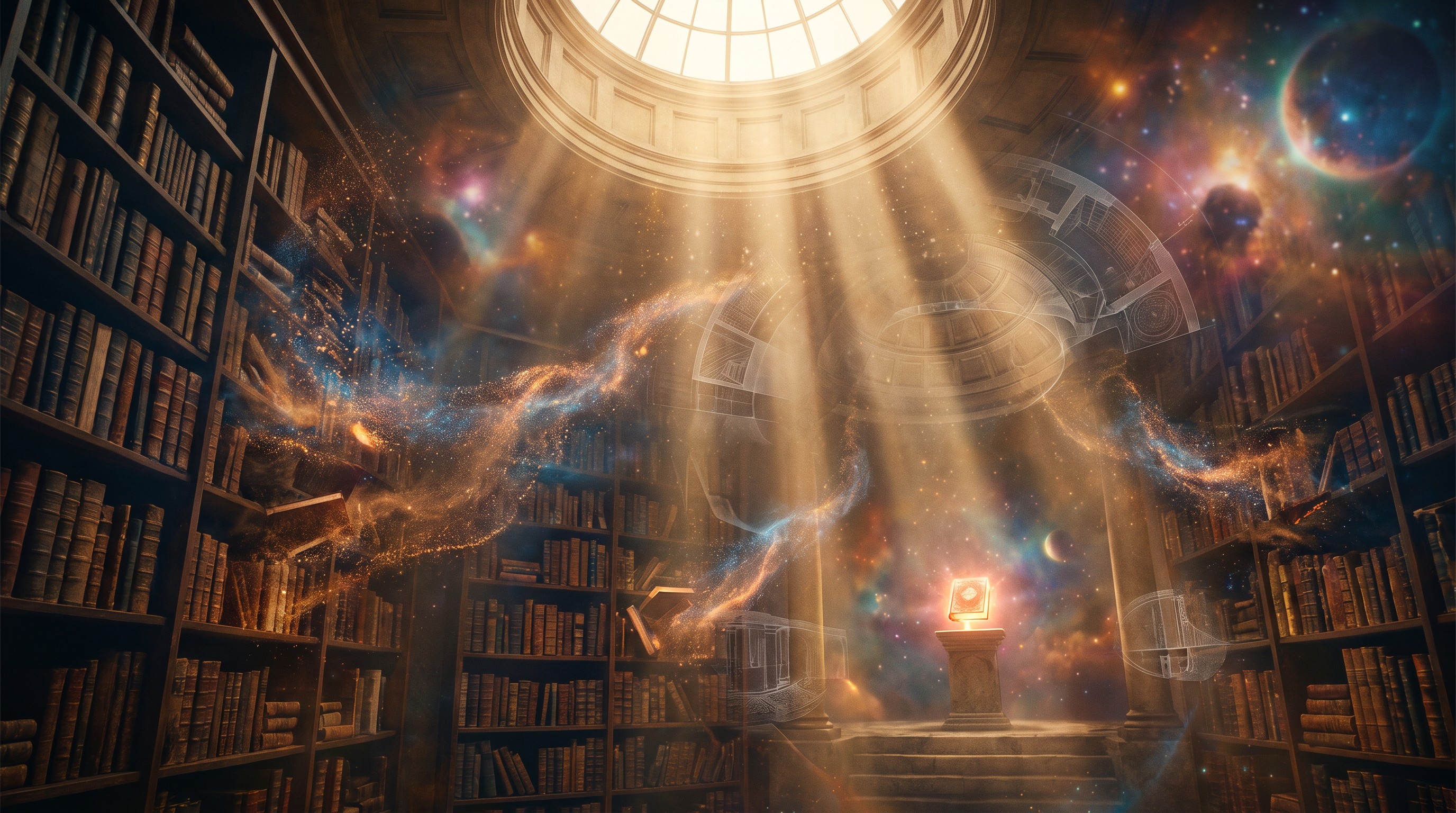
We have learned that entropy is the inevitable drift toward disorder. While we can slow it with error correction, the universe demands a cost. Could there be a way to reverse entropy entirely?
Describe any idea in a sentence and Remee builds it for you — stories, games and quizzes on whatever you or your class are working on. Free to start, no card needed, and everything you make gets a link you can share anywhere.
Remee turns any idea into an illustrated story, a playable game, or an interactive quiz — at home or in the classroom.