 Lesson
This lesson explores how scientists transfer specific genes into crops to improve their nutritional value, correcting common myths and opening doors to future innovations.
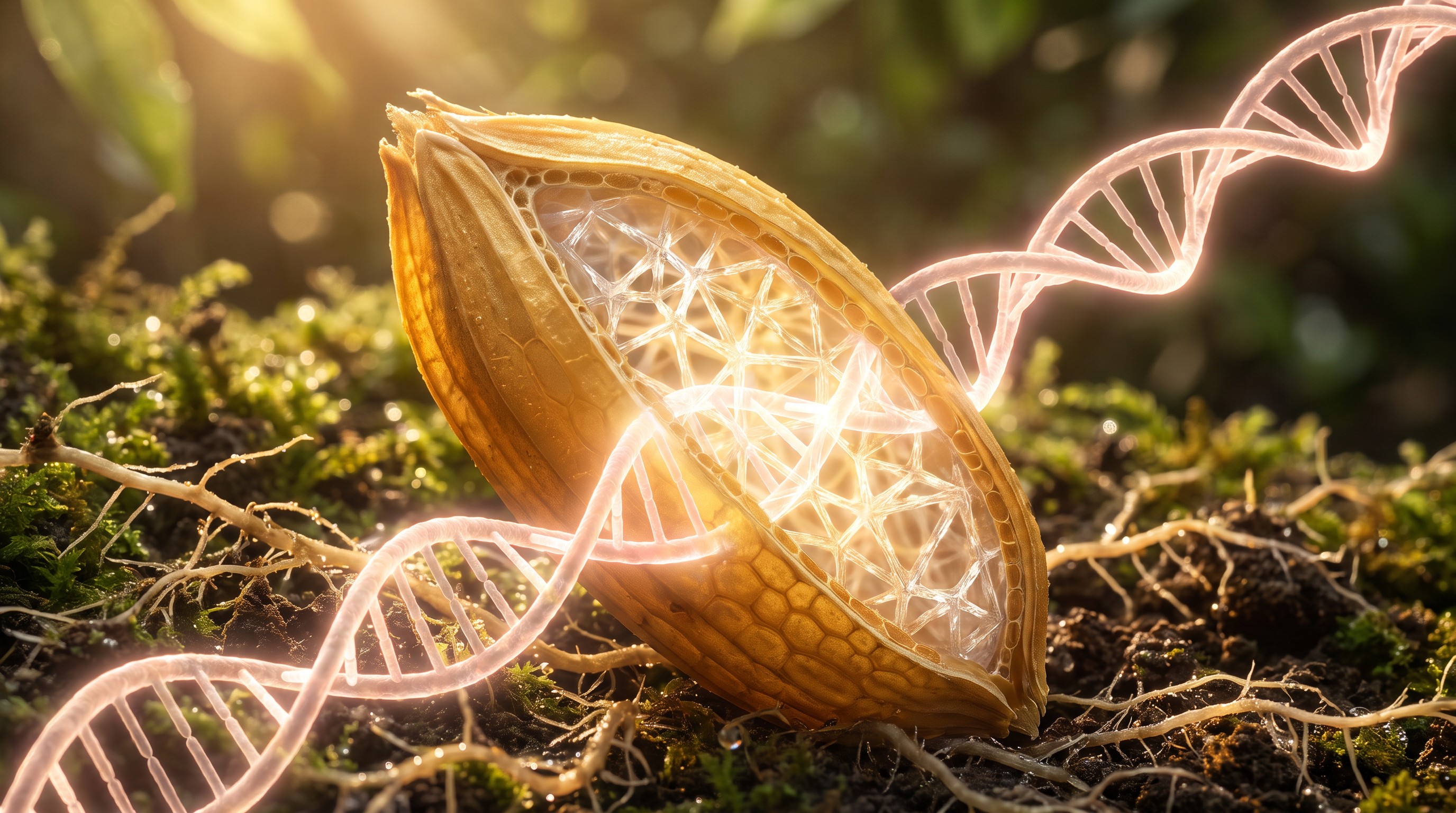
Did you know we can edit the blueprints of plants? By carefully inserting new genetic instructions into a crop, scientists can teach plants to produce extra vitamins or essential nutrients.

Every plant has a genome, which acts like a massive instruction manual. To make a crop healthier, scientists identify a specific gene, a tiny segment of code, that carries a trait.

Scientists use biological tools to cut the DNA strand and paste in the new gene. This process creates a 'recombinant' sequence, which tells the plant to build new proteins.
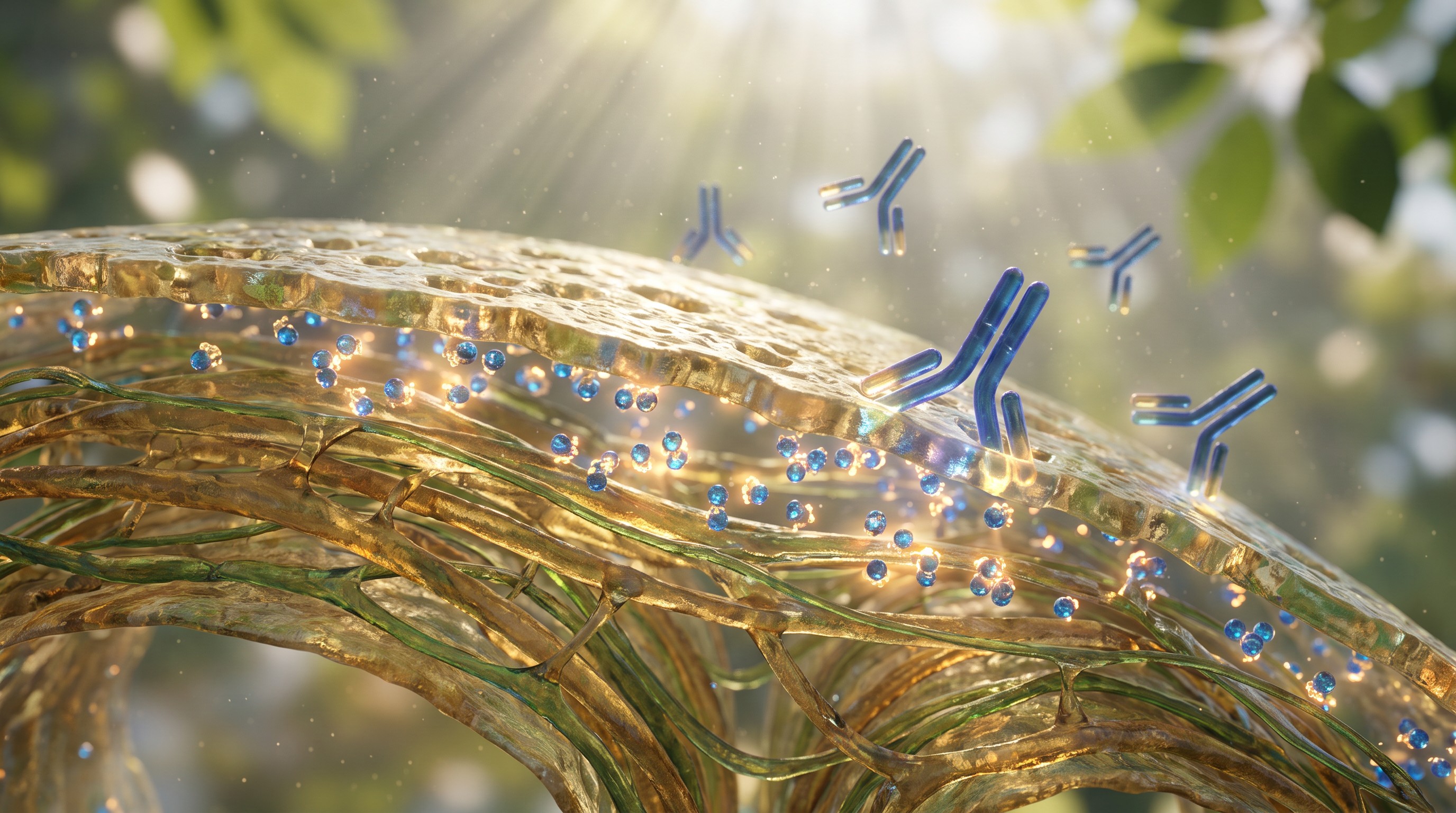
If we modify a plant to produce its own vaccine proteins, how do you think our bodies would react when we eat it? Consider how the digestive system might encounter these proteins.
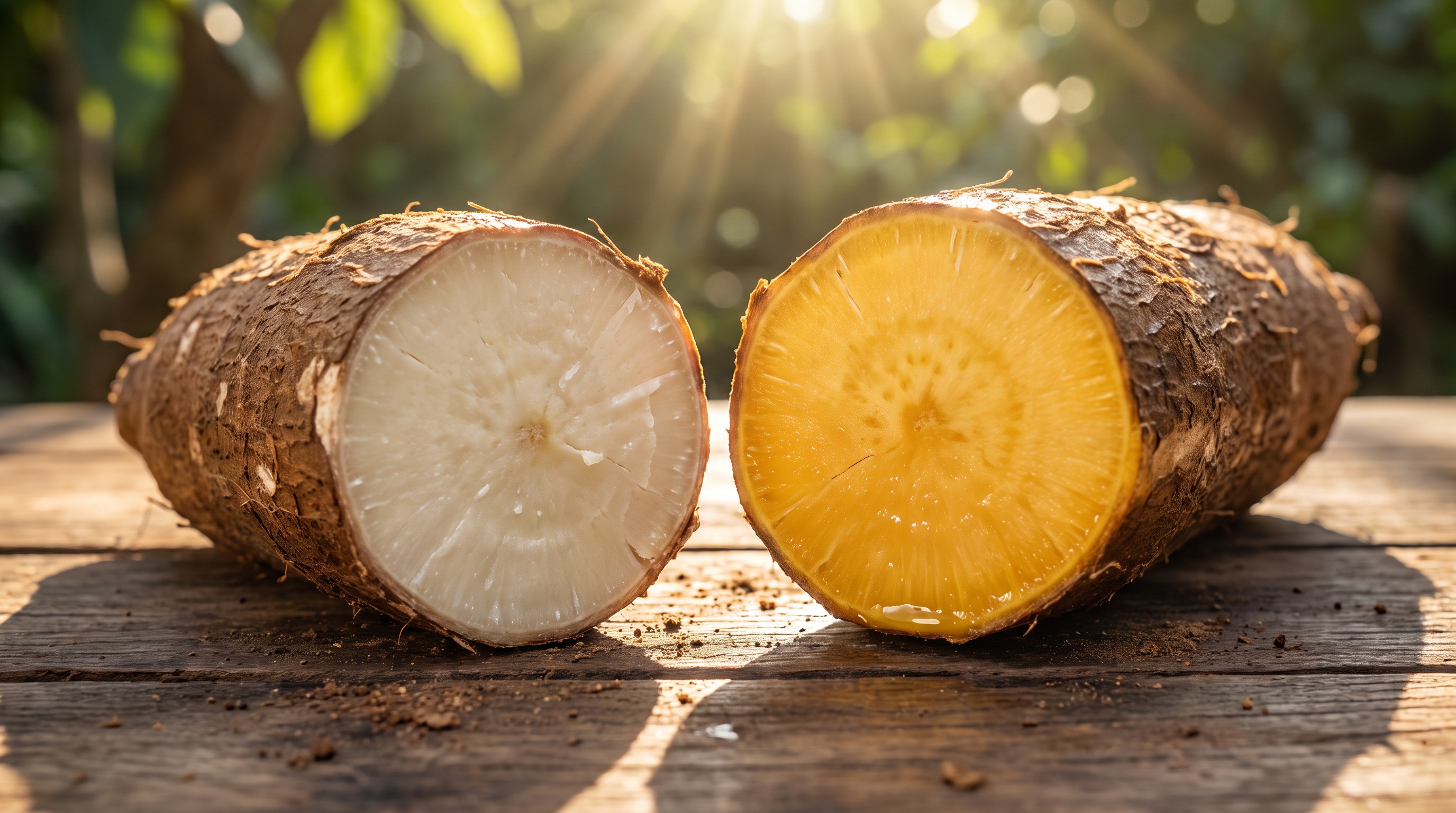
This technology is already at work in fields today. Farmers grow biofortified crops like vitamin-enriched cassava, designed specifically to provide more nutrients to communities with limited food variety.
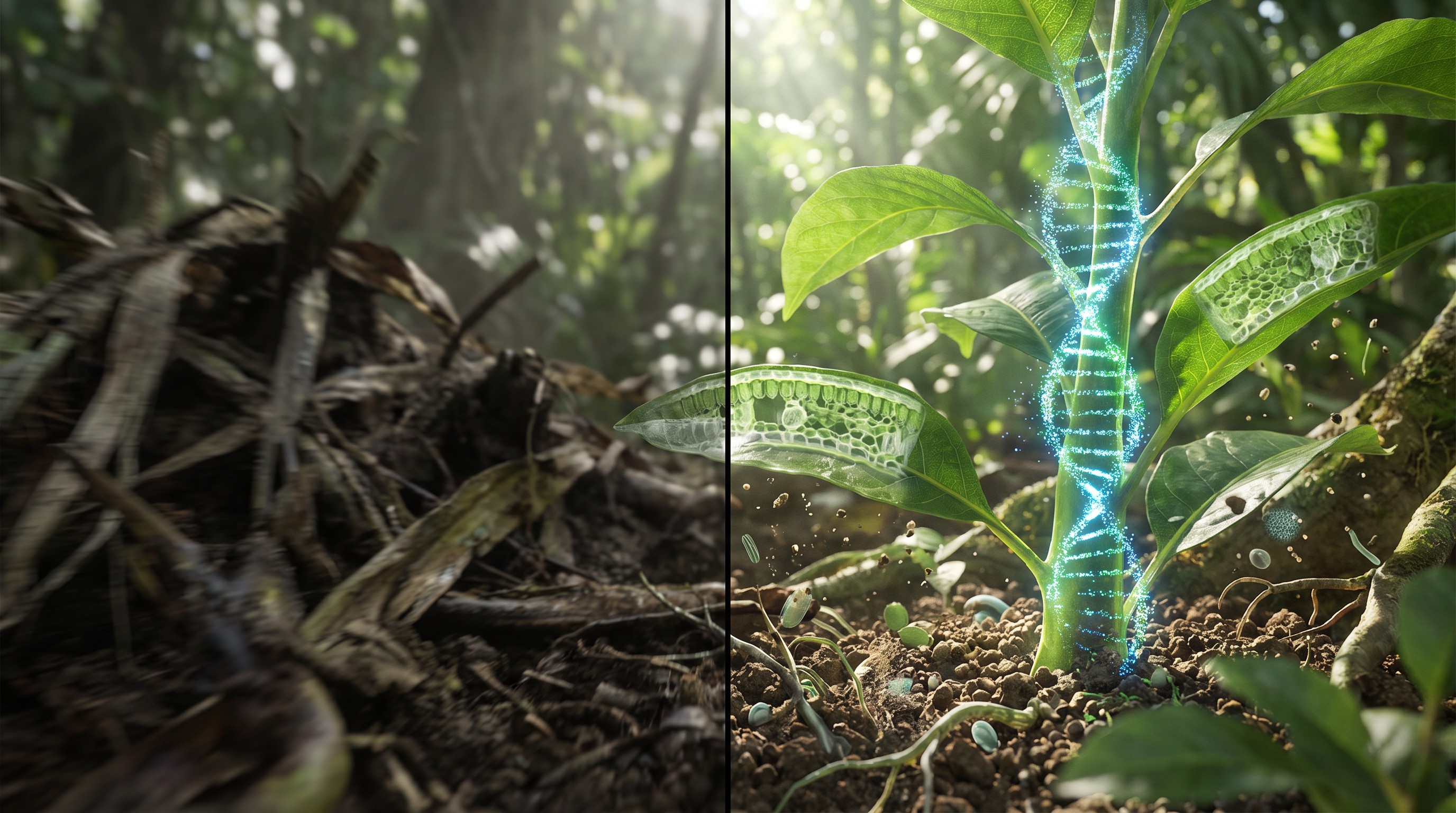
Some worry that these crops are 'unnatural' or harmful, but science shows they are strictly tested for safety. They are not 'Franken-foods,' but simply plants with one or two precise, beneficial edits.

We have learned how genes are edited to boost nutrition. But here is the mystery: could we one day edit crops to thrive in extreme space environments? That is the next frontier.
Describe any idea in a sentence and Remee builds it for you — stories, games and quizzes on whatever you or your class are working on. Free to start, no card needed, and everything you make gets a link you can share anywhere.
Remee turns any idea into an illustrated story, a playable game, or an interactive quiz — at home or in the classroom.