 Lesson
This lesson explores how digital agents function as specialized, goal-oriented tools. It moves from basic definitions to real-world applications and future possibilities.

Have you ever wondered how a computer can complete a complex task all on its own? It is not magic; it is the work of a specialized tool called an agent.

An agent is a program designed to achieve a specific goal. It perceives information from its surroundings and then takes action to solve a problem or finish a task.

Agents vary in size and complexity. Some are small and focused on one simple job, while others are large and capable of handling many different types of requests simultaneously.
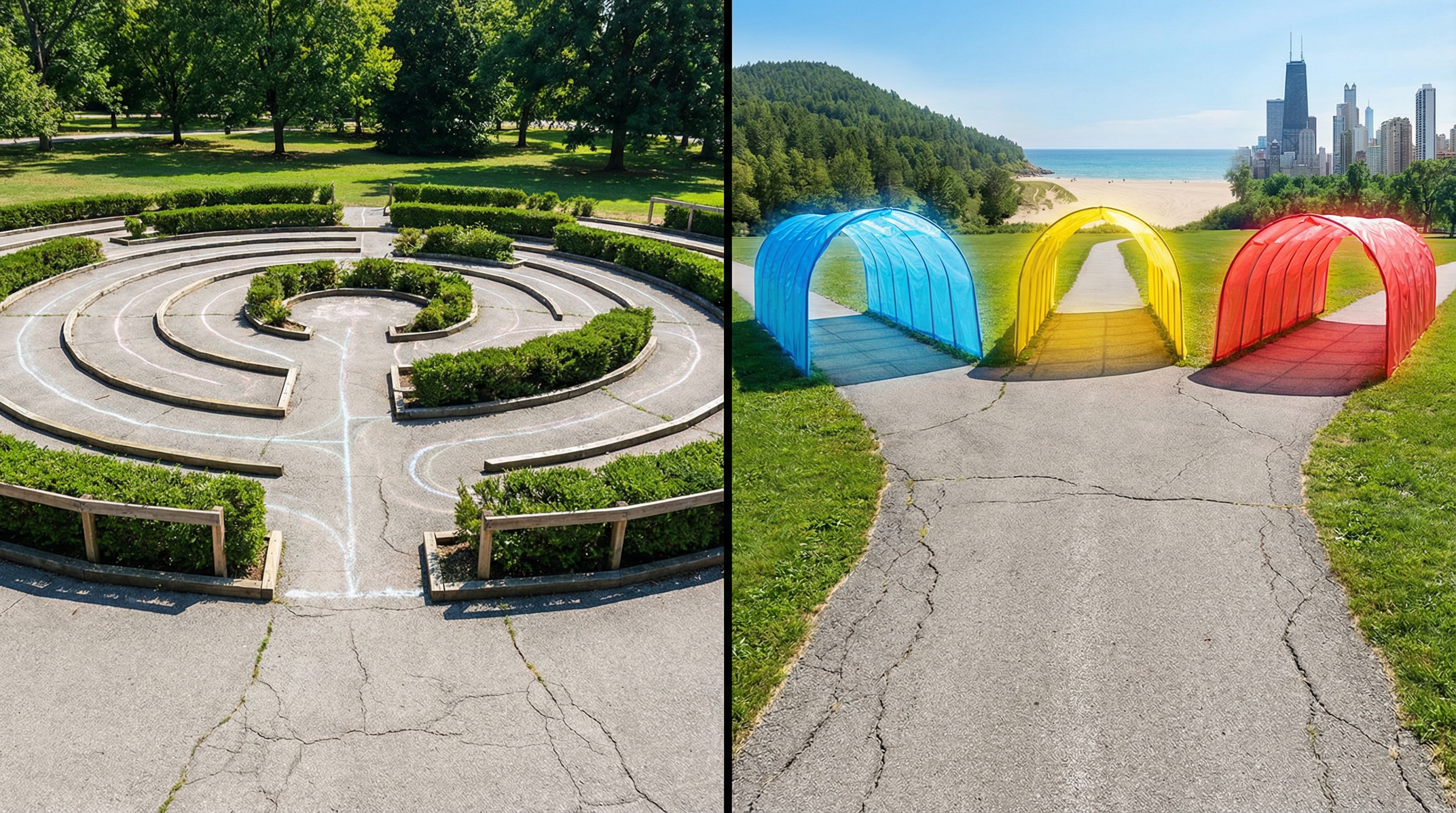
If you asked a digital agent to summarize a long document versus finding the fastest route to school, how might its internal process change to handle these different needs?
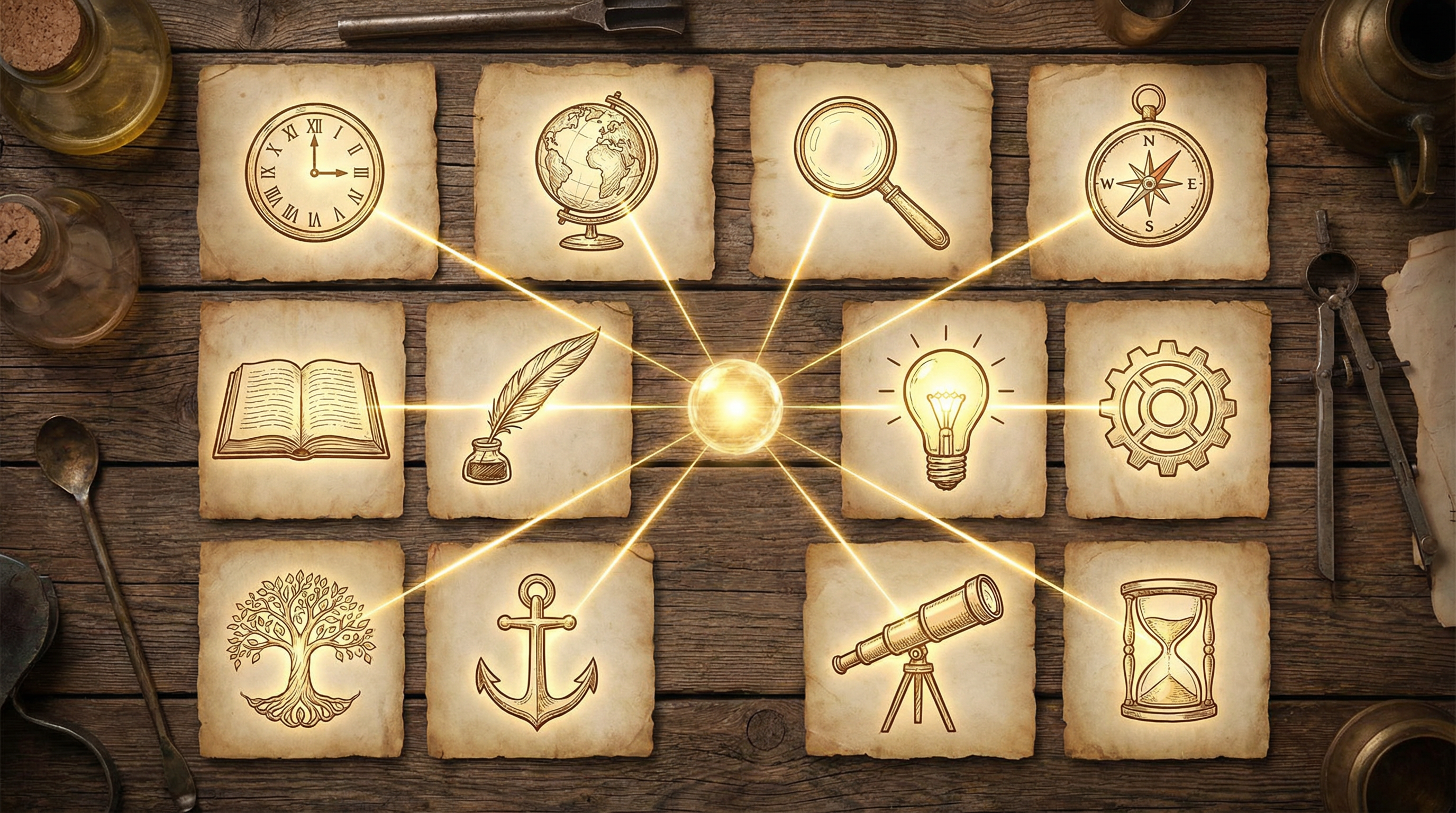
In reality, these tools are used to help organize busy schedules, translate languages in real-time, or even identify patterns in large sets of data to help researchers find answers.

A common misconception is that agents 'think' like humans. In reality, they follow logical instructions to process information, choosing the best path based on their training data.

You have learned that agents are versatile, goal-oriented tools. But as they become more autonomous, how will we ensure they always align with our human values and intentions?
Describe any idea in a sentence and Remee builds it for you — stories, games and quizzes on whatever you or your class are working on. Free to start, no card needed, and everything you make gets a link you can share anywhere.
Remee turns any idea into an illustrated story, a playable game, or an interactive quiz — at home or in the classroom.