 Lesson
This lesson traces the scientific journey of discovering Martian water, moving from chemical fingerprints in rocks to radar scans of the subsurface.
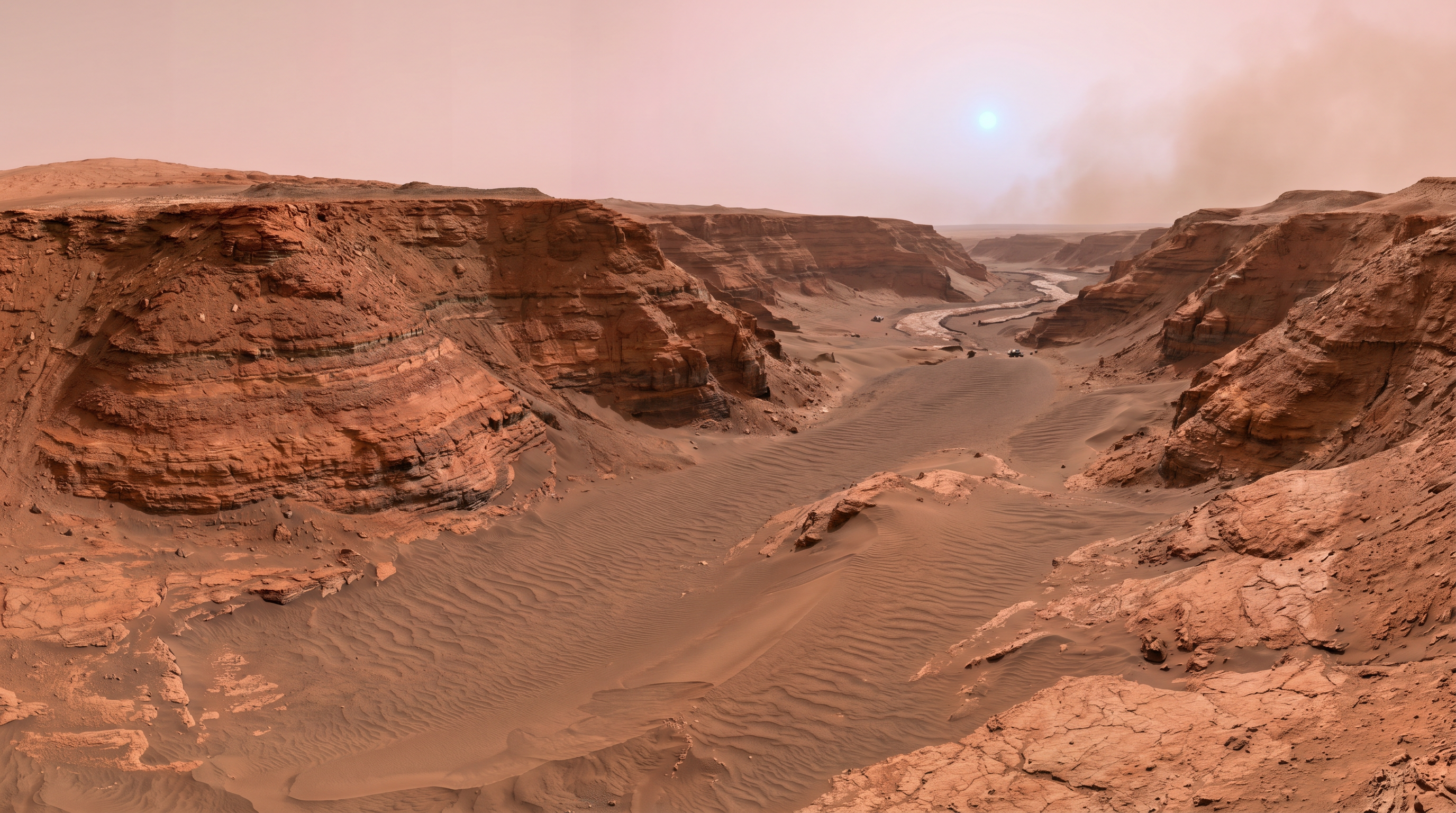
Mars appears cold and dry today, yet the surface is scarred by features that look like ancient riverbeds. Could liquid water have once flowed across this desolate, dusty red landscape?
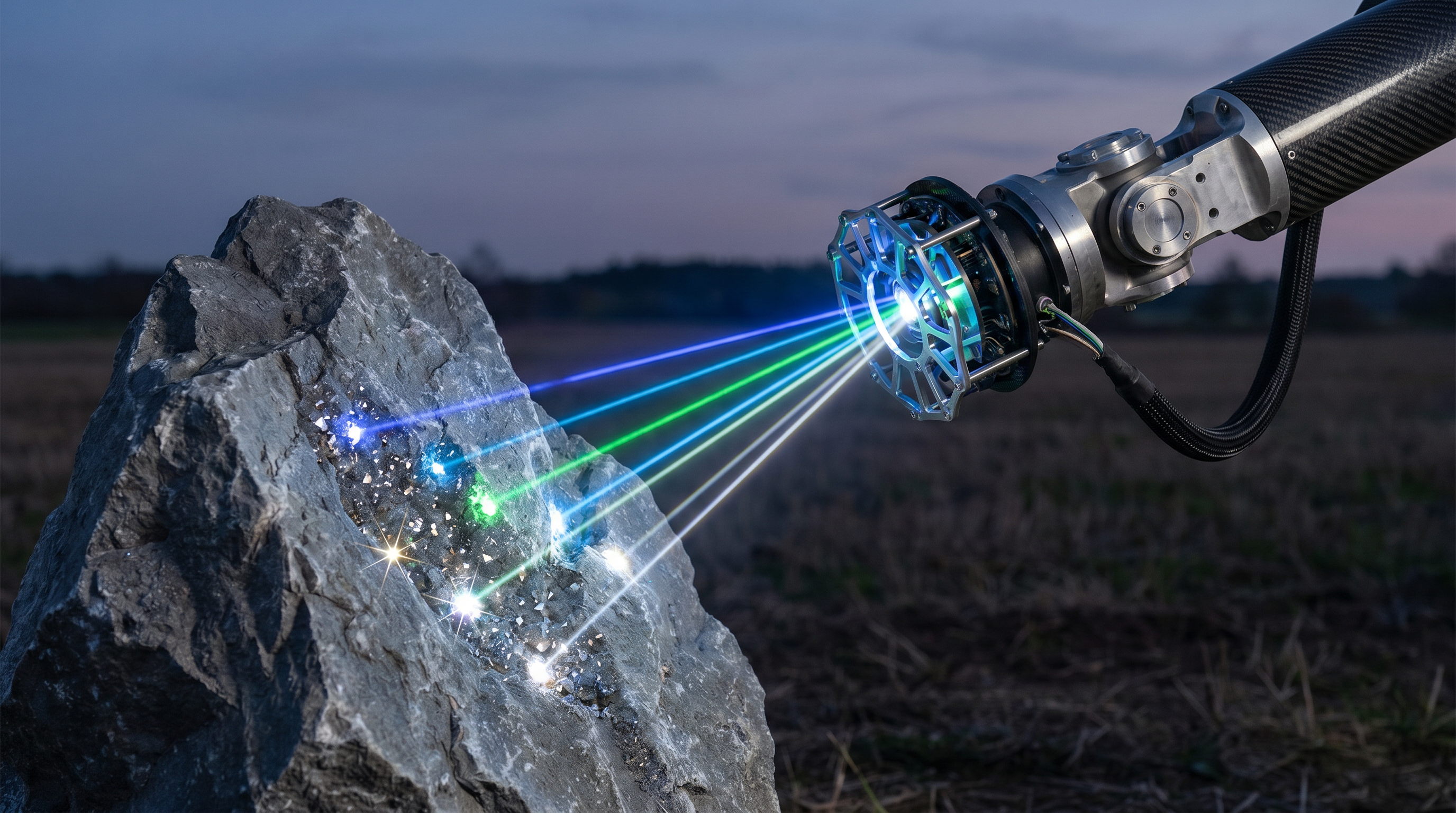
Rovers carry spectrometers that shine light onto rocks. By analyzing the reflected light, scientists identify specific minerals that only form in the presence of liquid water, acting like fingerprints.
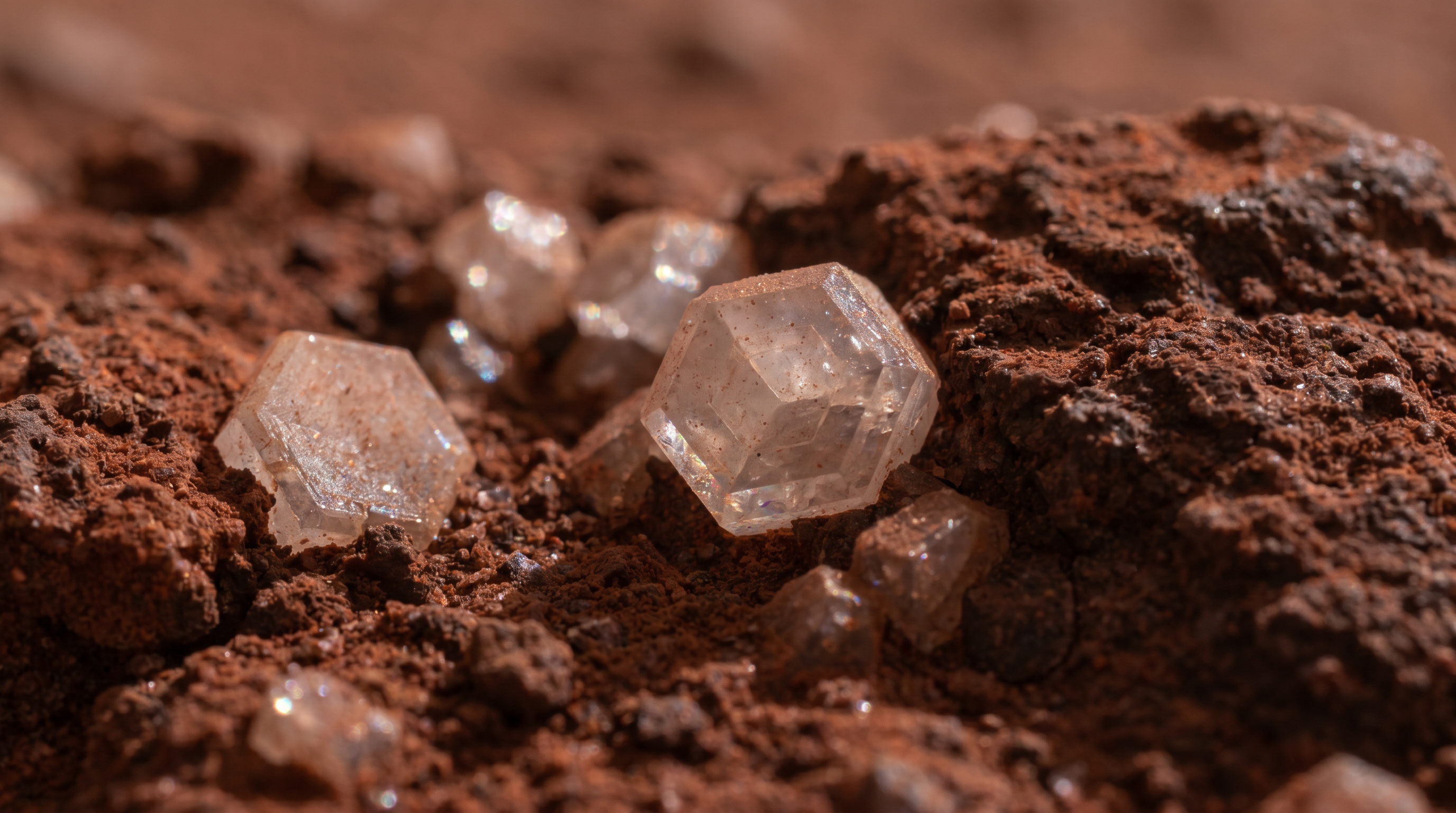
Certain salts, like sulfates, are key clues. These minerals crystallize as water evaporates. Finding these concentrated deposits tells us exactly where pools of water once sat and slowly dried.
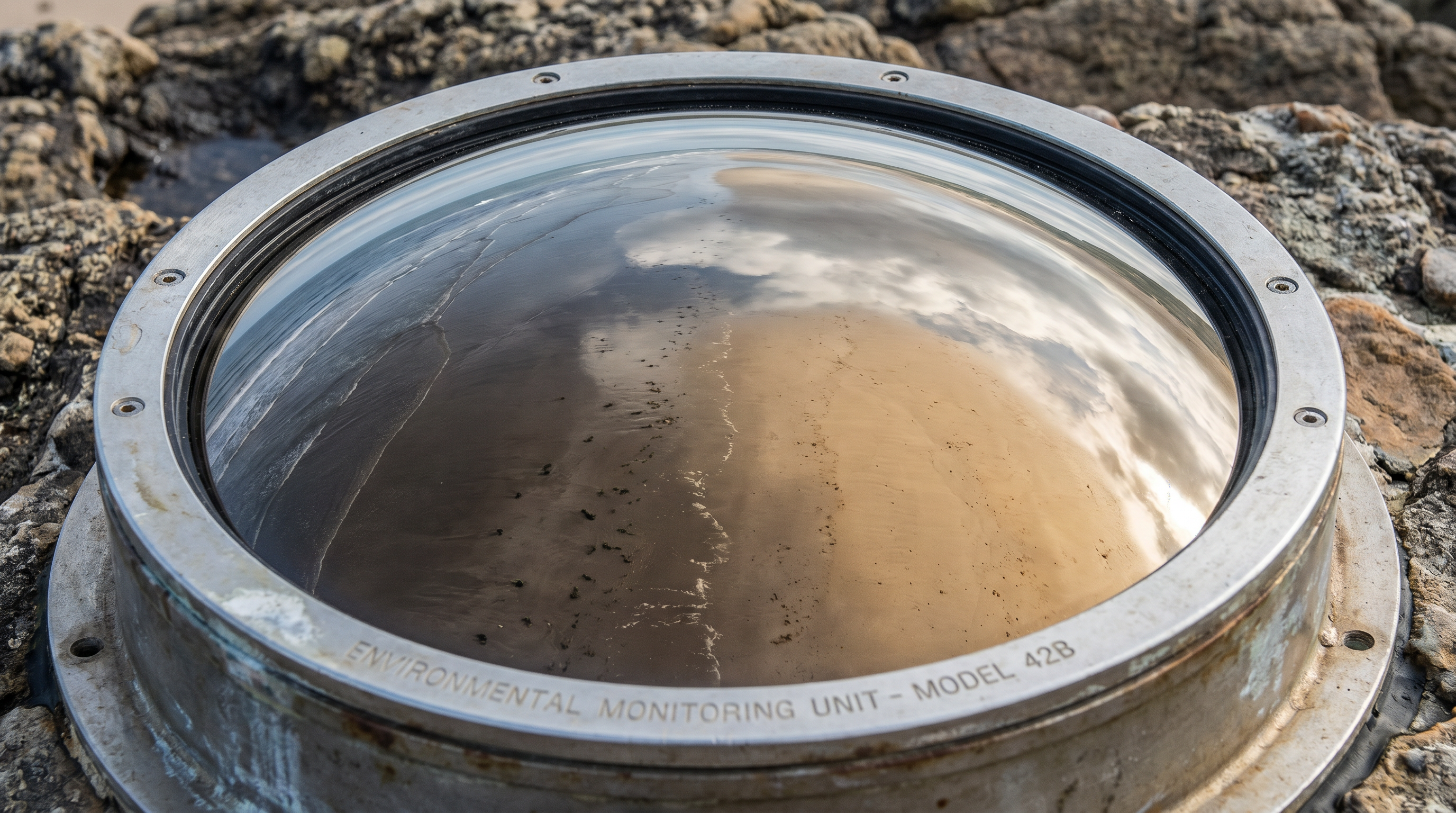
If you look at wet sand drying on a beach, it changes color and texture. How might a rover detect these subtle changes in soil moisture from miles away using light sensors?
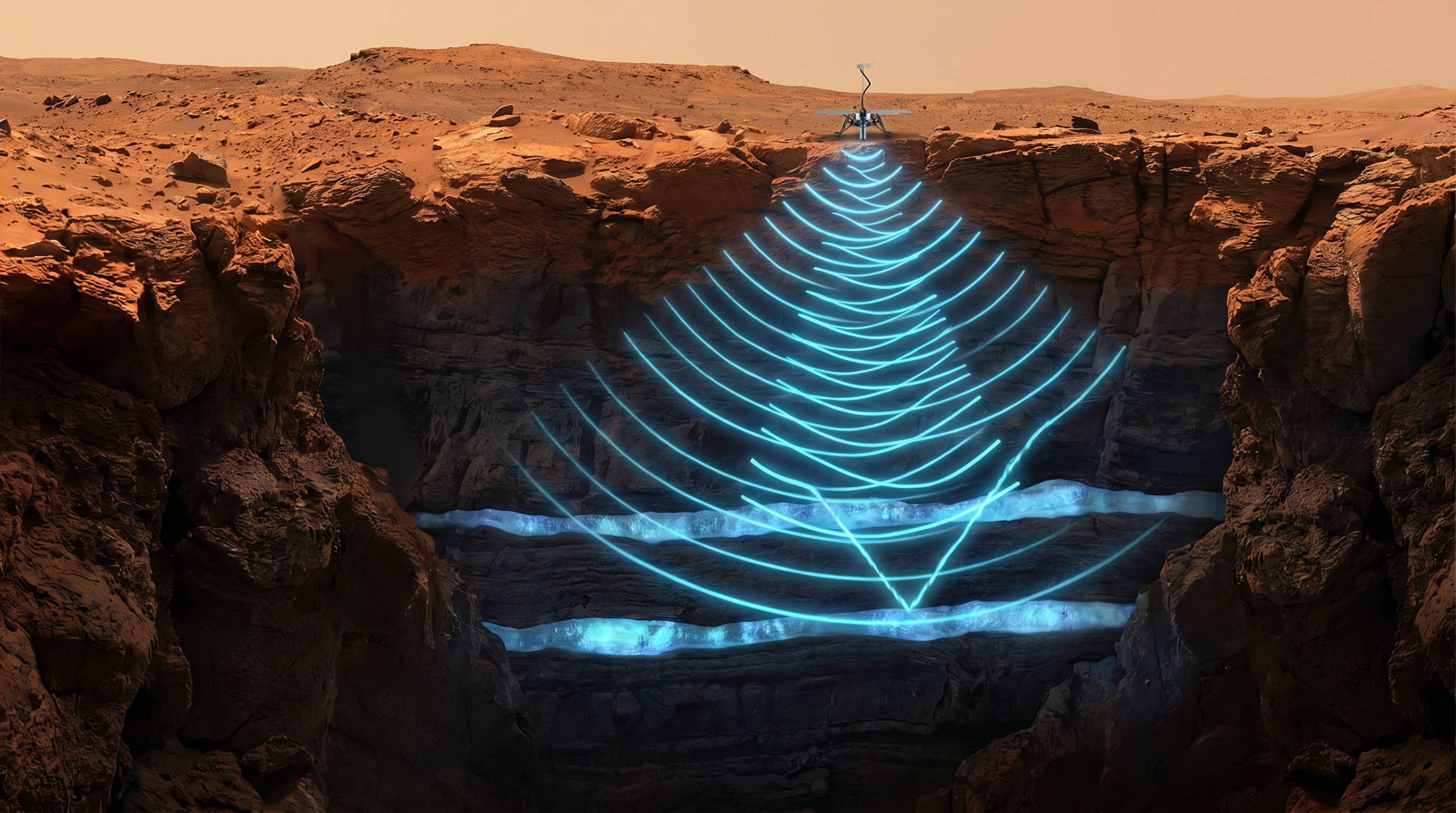
Beyond the surface, ground-penetrating radar sends radio waves into the crust. These waves bounce off hidden layers, revealing buried ice or ancient aquifers shielded deep beneath the surface rocks.
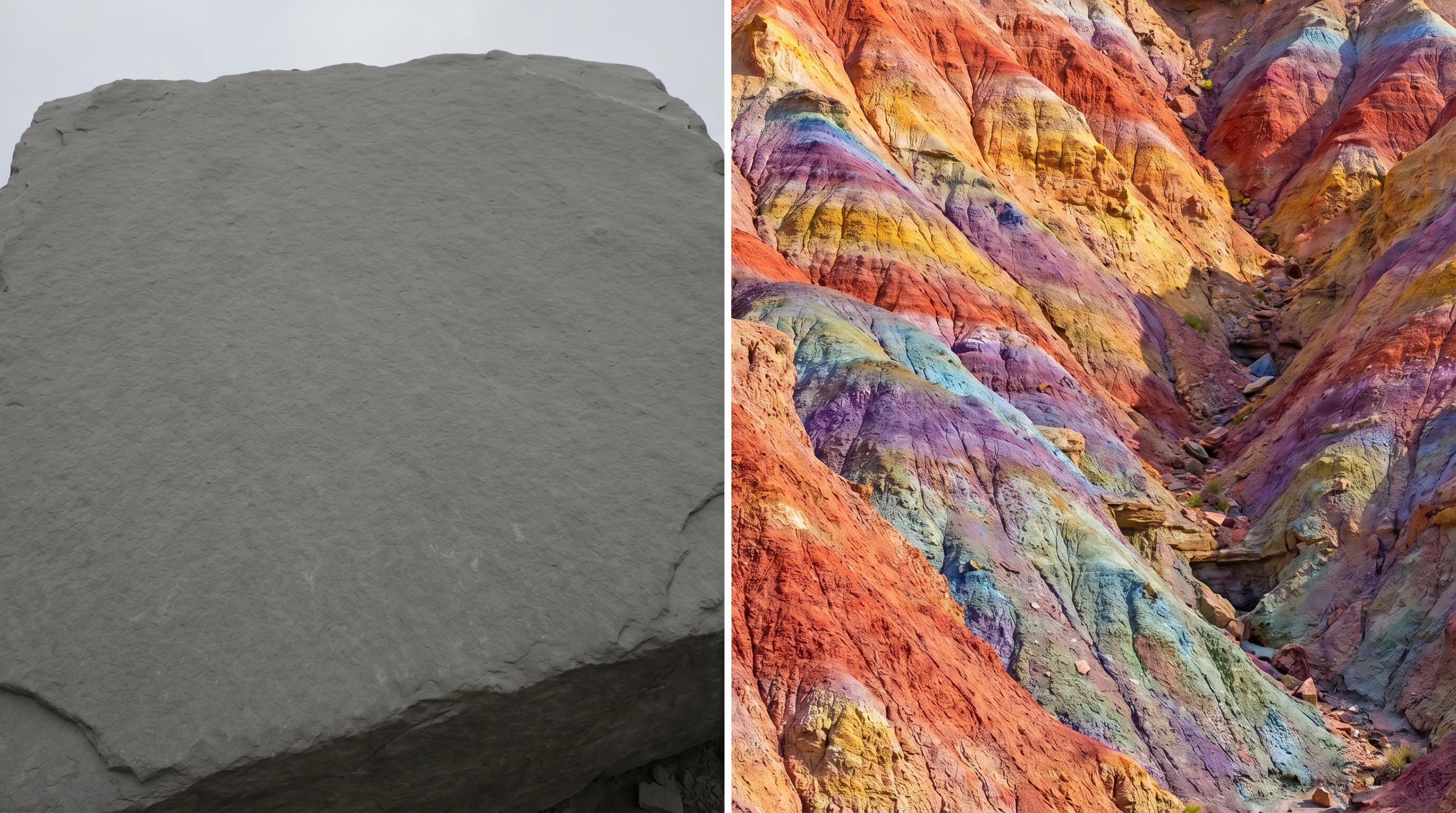
Many assume Mars is just a dead planet, but these findings prove it is geologically active. It is not a static rock, but a world with a complex, evolving hidden history.
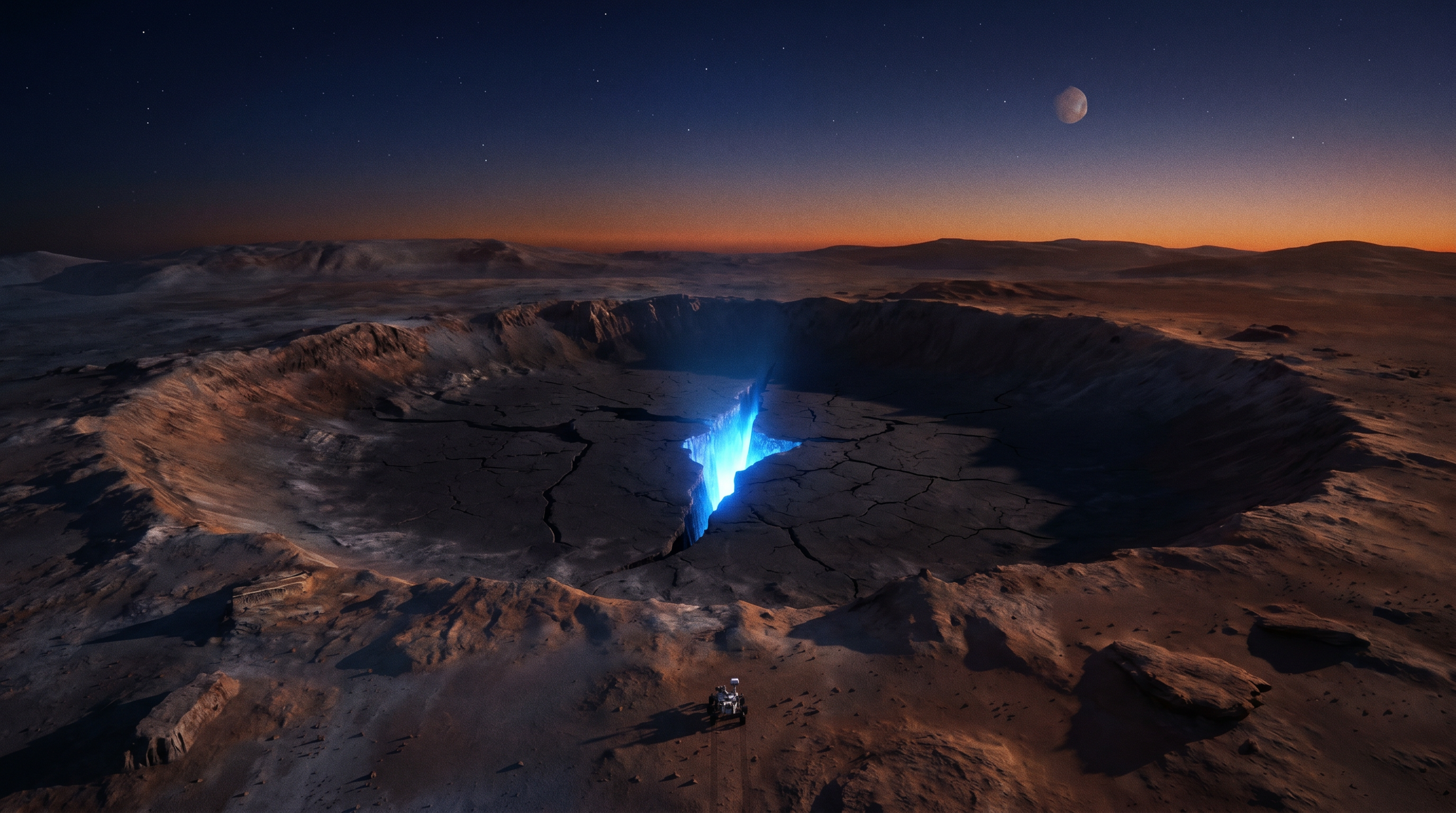
We have confirmed water existed, but where did it go? Did it escape into space or is it still trapped deep underground? The search for life depends on these hidden reservoirs.
Describe any idea in a sentence and Remee builds it for you — stories, games and quizzes on whatever you or your class are working on. Free to start, no card needed, and everything you make gets a link you can share anywhere.
Remee turns any idea into an illustrated story, a playable game, or an interactive quiz — at home or in the classroom.