 Lesson
This lesson explores the memory architecture of transformers, illustrating how KV caching transforms inference efficiency by storing intermediate states instead of recomputing them.
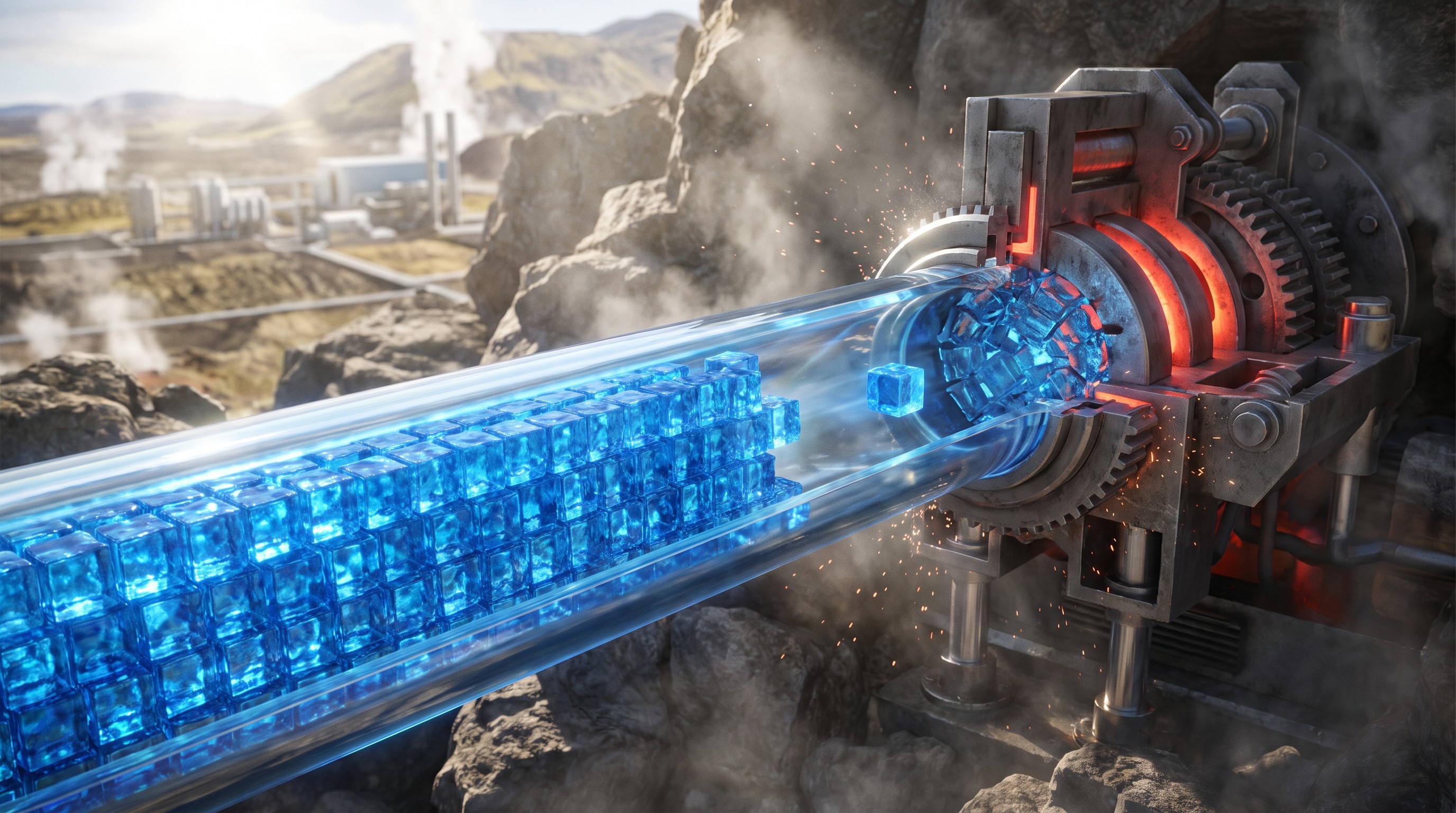
In standard transformer inference, every new token generated requires the model to re-process the entire previous sequence. This computational redundancy creates a massive bottleneck as the sequence length grows linearly.
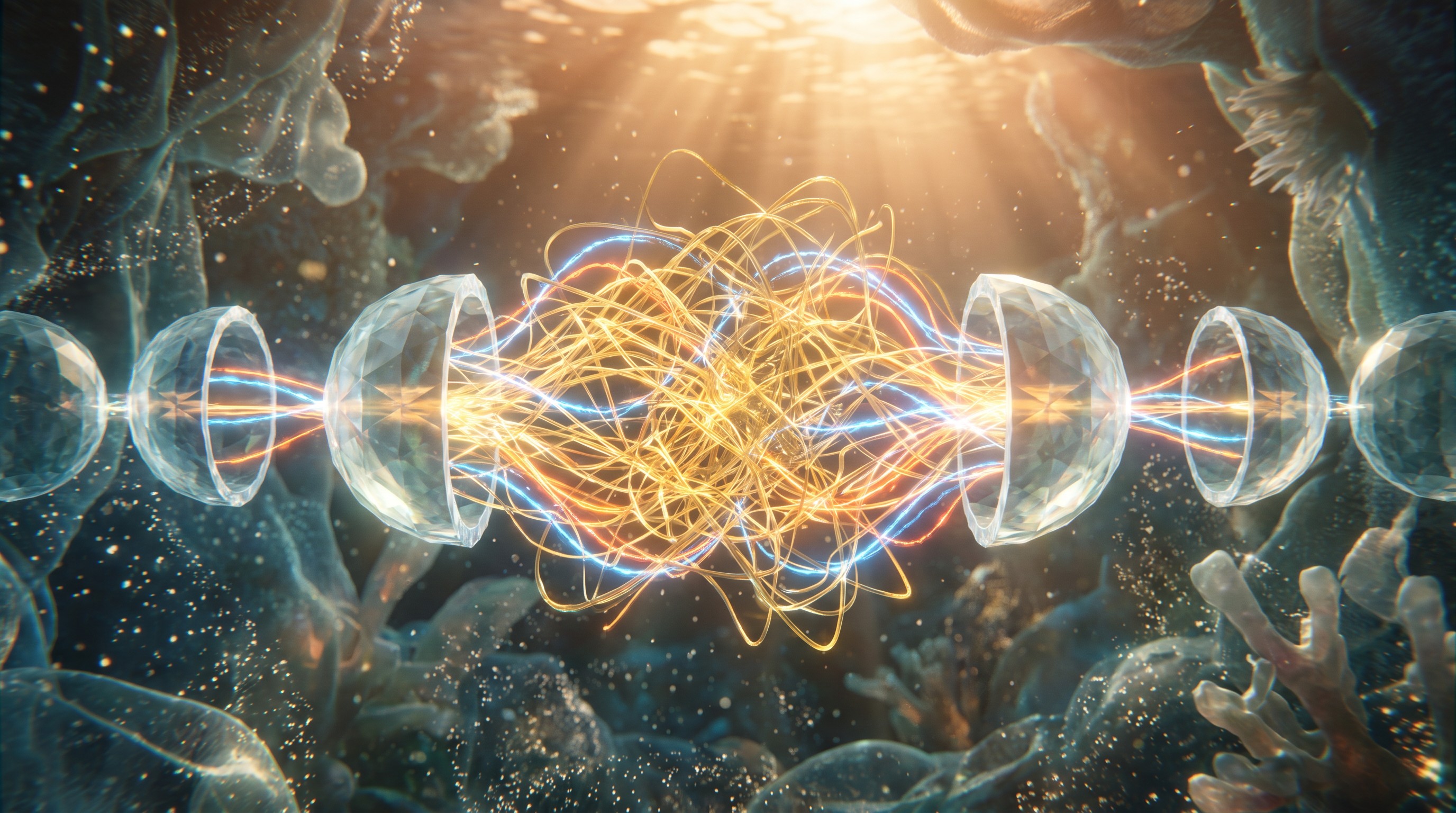
The transformer architecture relies on attention mechanisms where each token calculates relationships with all preceding tokens. Without optimization, this results in an 'O(n-squared)' growth in memory and time complexity.

KV caching solves this by storing the Key and Value vectors for all past tokens in a dedicated memory buffer, allowing the model to compute only the newest, single token's interaction.

Consider the latency difference: if a model generates a thousand-word document, why does the KV cache method maintain constant speed while the naive approach slows down significantly as it nears completion?
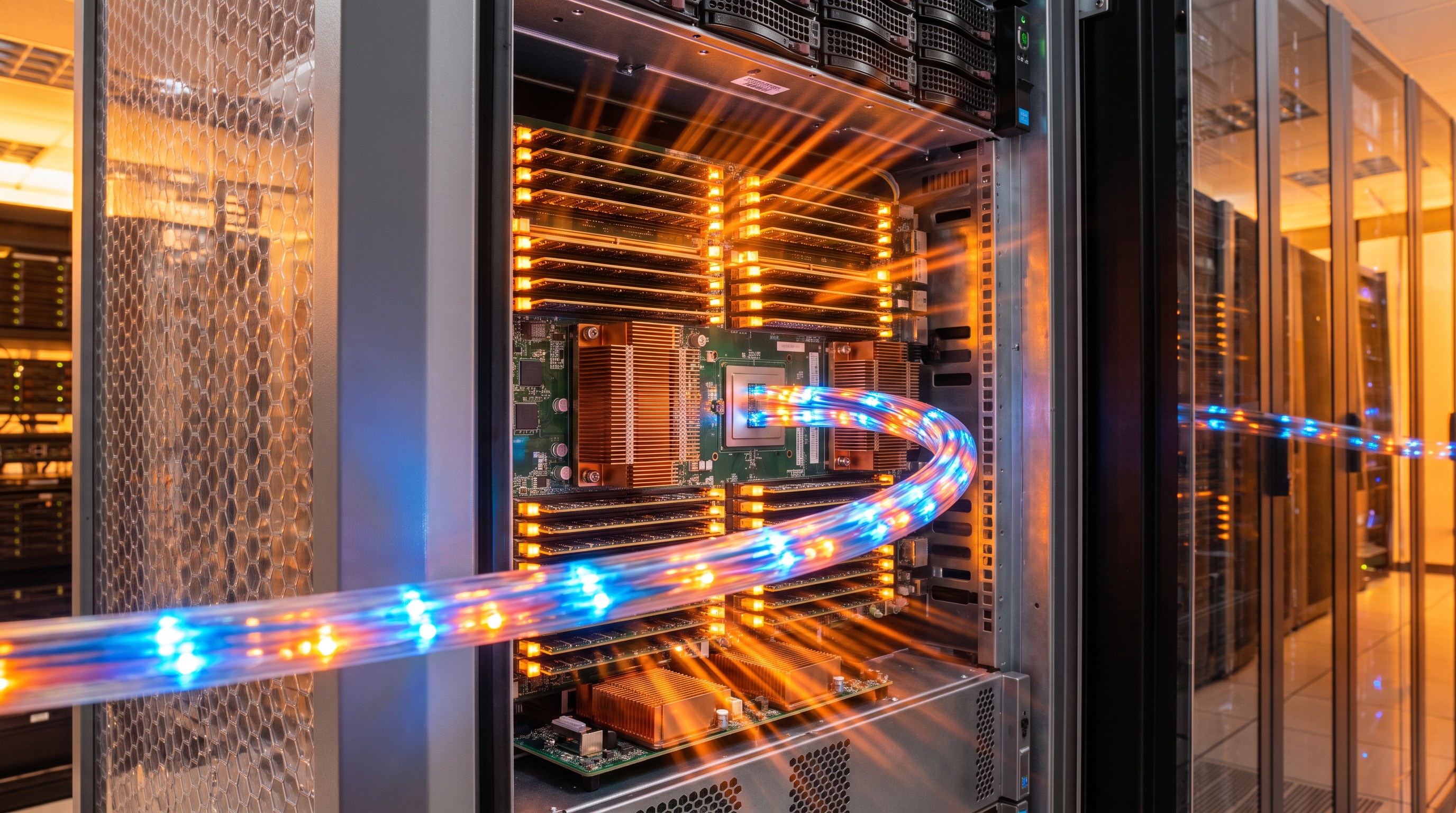
In production environments, this mechanism is essentially a trade-off between VRAM capacity and latency. By trading memory for speed, we enable real-time applications that would otherwise be impossible to deploy.
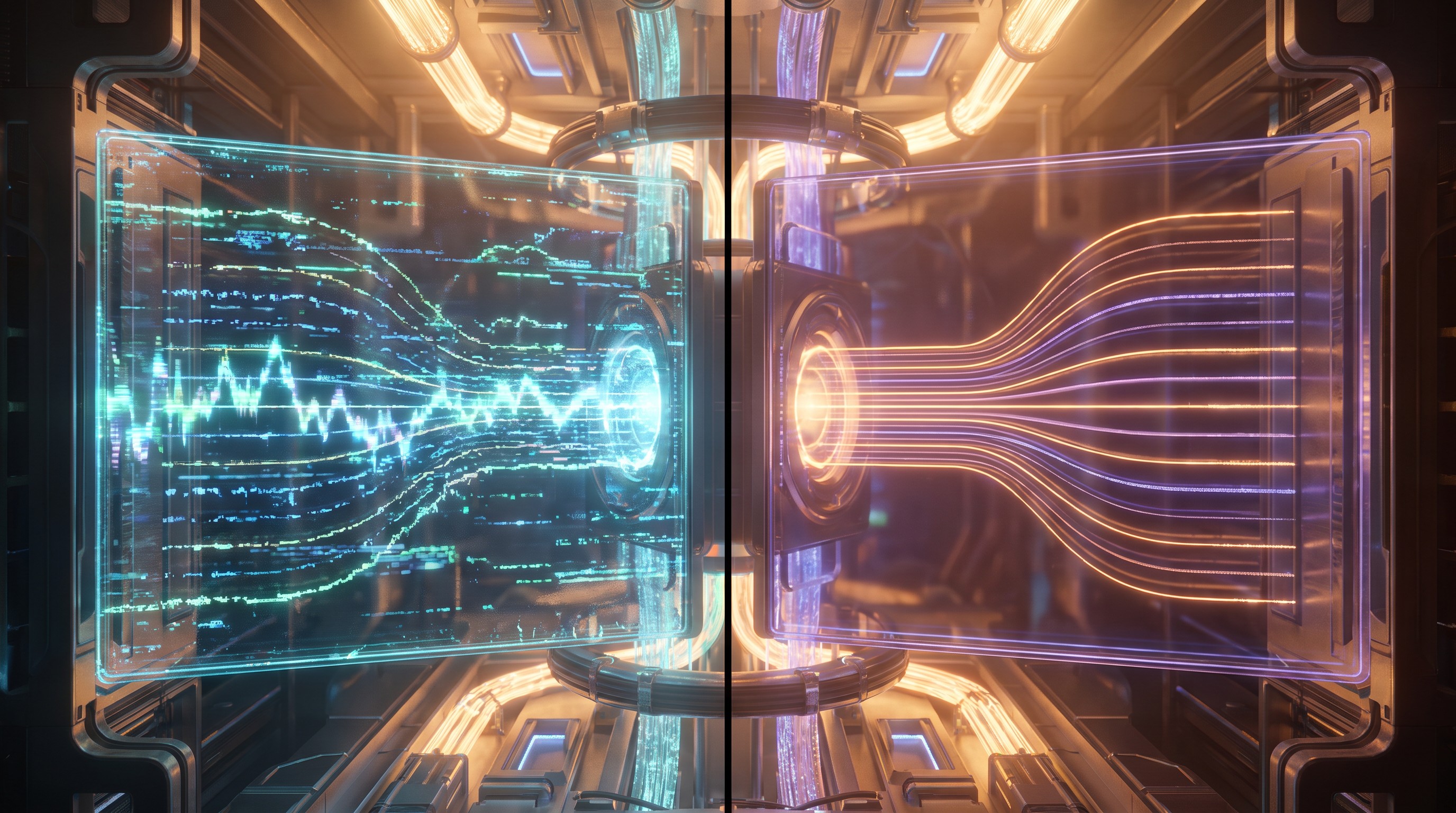
A common misconception is that KV caching reduces the model's accuracy. In reality, it is a lossless optimization; it stores the exact values that would have been recalculated, preserving the mathematical output.
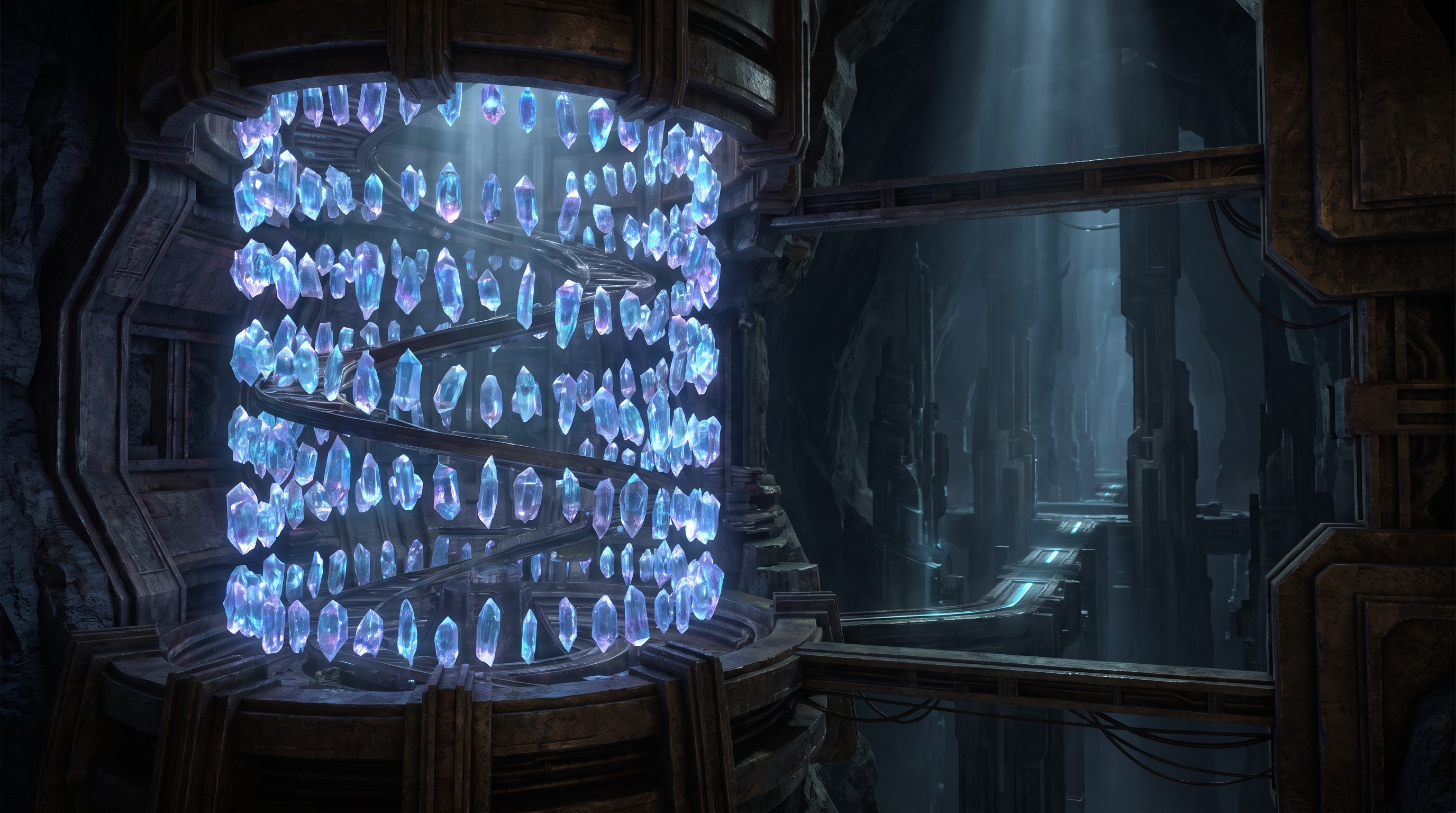
We have seen how caching keys and values stabilizes throughput. But as models grow, even this cache consumes massive memory. What happens when the sequence exceeds the physical limits of our hardware?
Describe any idea in a sentence and Remee builds it for you — stories, games and quizzes on whatever you or your class are working on. Free to start, no card needed, and everything you make gets a link you can share anywhere.
Remee turns any idea into an illustrated story, a playable game, or an interactive quiz — at home or in the classroom.