 Lesson
This lesson explores the scientific principle of entropy and how complex systems require constant energy and reconfiguration to maintain order and prevent structural collapse.

Have you ever noticed how a clean room naturally gets messy over time? In science, this tendency toward disorder is called entropy. Why does nature seem to prefer chaos over order?

Systems are like a city grid. To keep everything functioning, energy must be used to maintain structure. Without this constant input, connections weaken and the entire foundation begins to dissolve.

When we debug a system, we identify where the energy is failing. By reconfiguring the connections, we redistribute the load, stabilizing the structure before the entropy causes a total collapse.

Look at a bridge or a tall building. If you shake a structure, where does the energy go? How do engineers design these systems to absorb vibrations instead of falling apart?
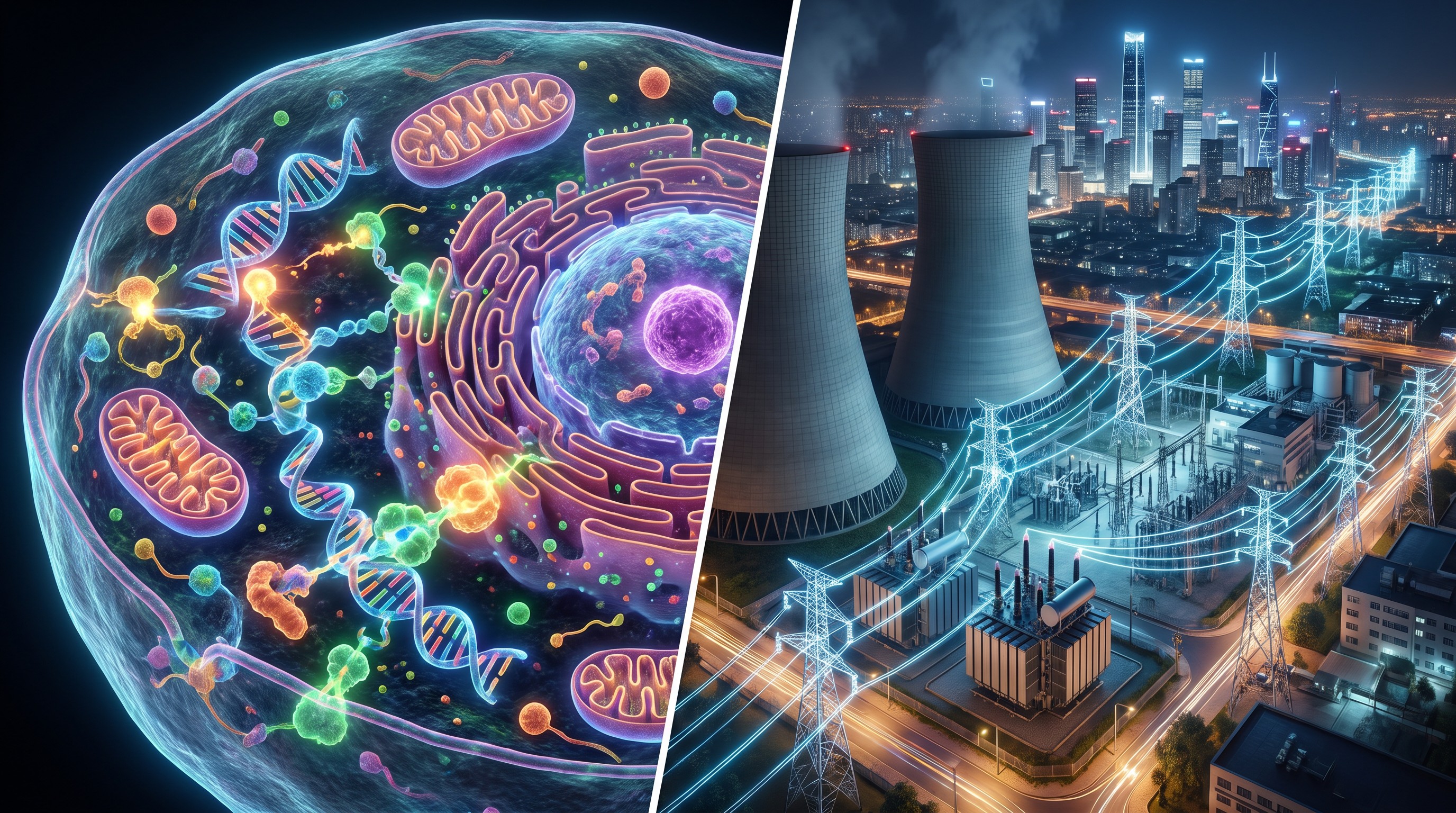
This is exactly how our world works! From the cells in your body repairing DNA to the way power grids balance electricity, every stable system requires active maintenance and constant correction.

Some think entropy means things just disappear, but that is a misconception. Entropy is actually the spreading out of energy. The total energy stays the same, it just becomes less useful.
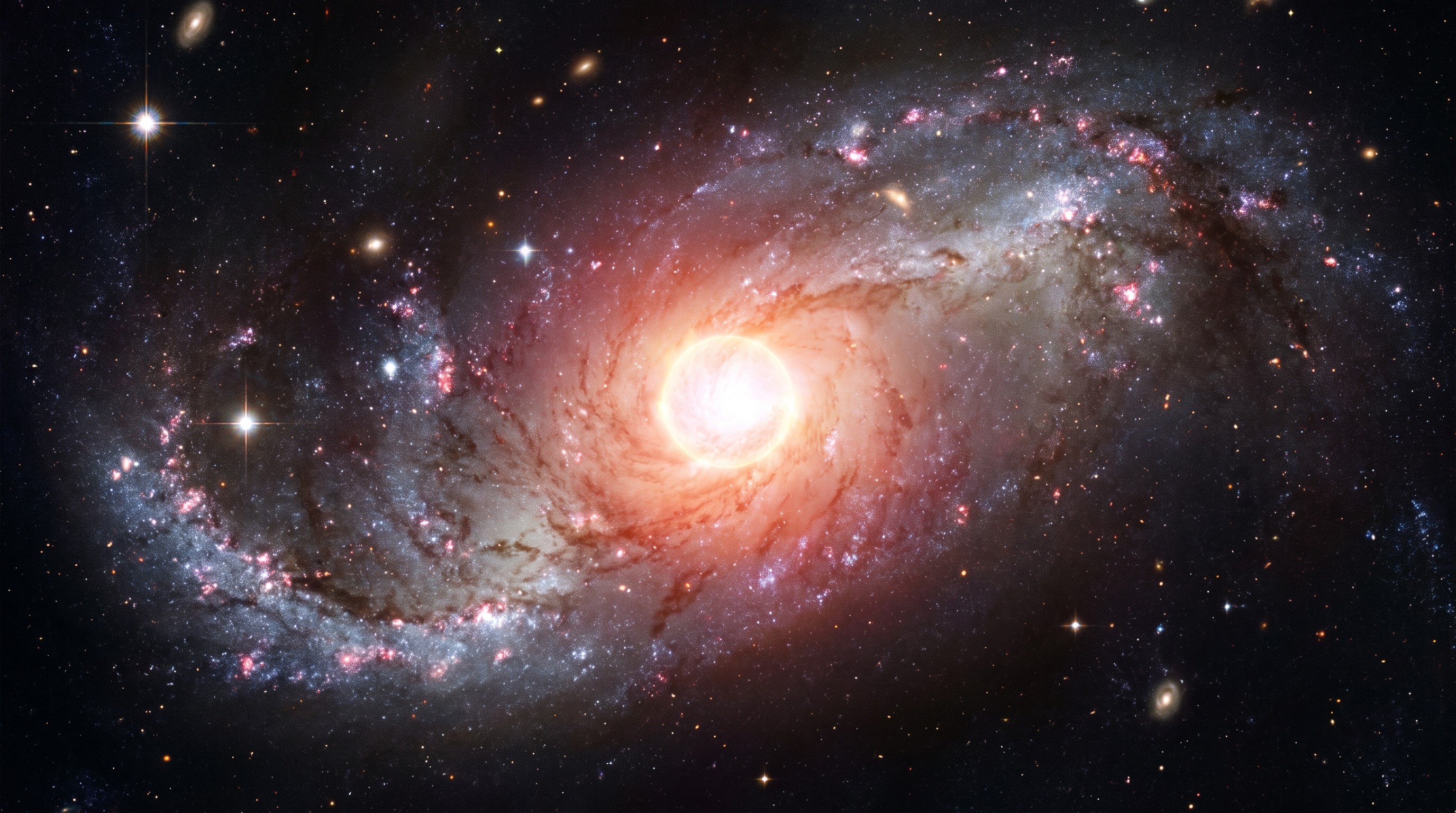
We have learned that order requires energy and maintenance. But if the universe is constantly moving toward higher entropy, will it eventually reach a point of no return? What happens then?
Describe any idea in a sentence and Remee builds it for you — stories, games and quizzes on whatever you or your class are working on. Free to start, no card needed, and everything you make gets a link you can share anywhere.
Remee turns any idea into an illustrated story, a playable game, or an interactive quiz — at home or in the classroom.