 Lesson
This lesson explores the engineering marvel of Voyager 1, the mechanics of its dying power source, and the mystery of its ongoing communication with Earth.
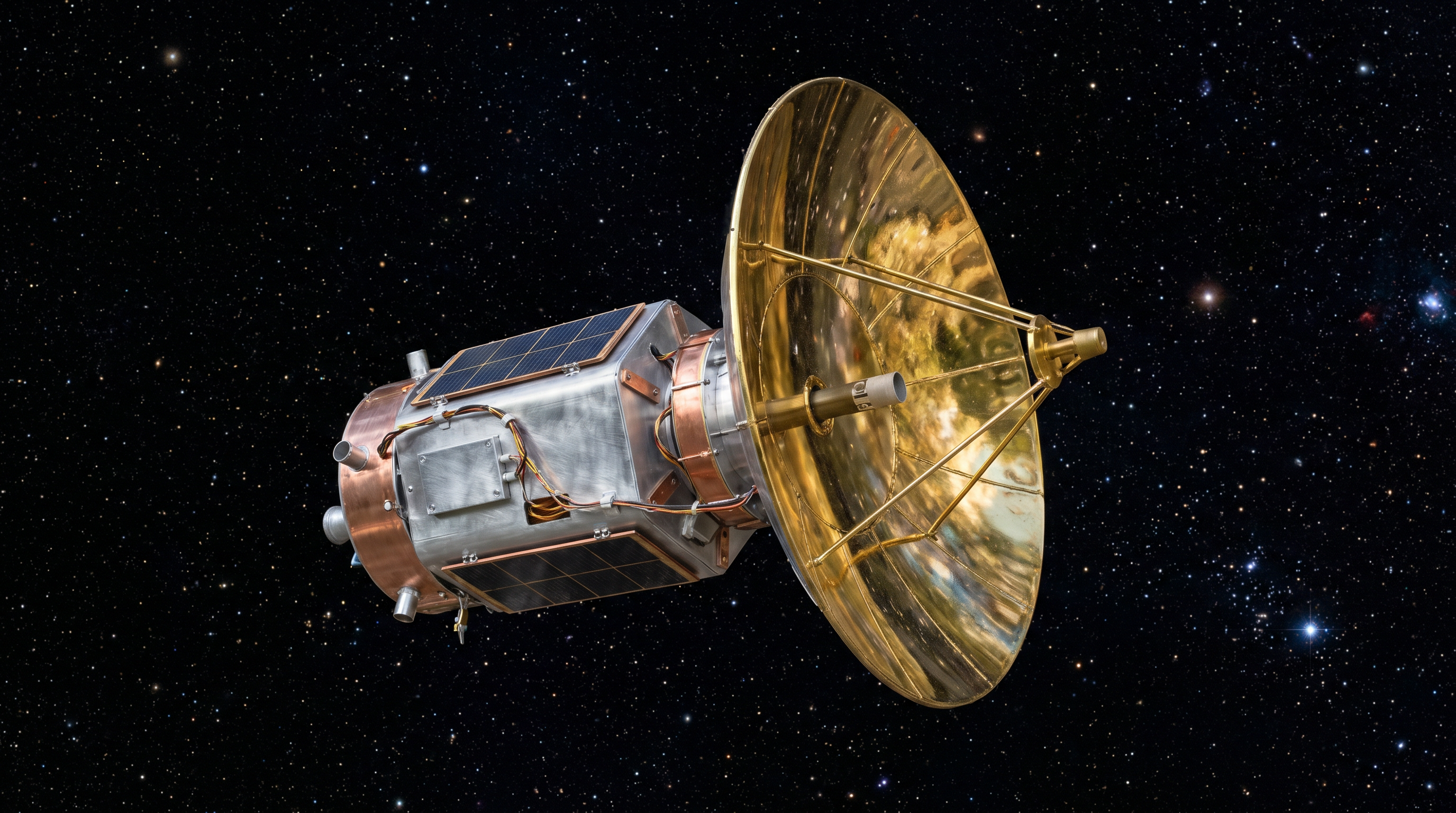
Imagine a craft launched nearly fifty years ago, still transmitting data from beyond our solar system. How does this lone explorer continue to signal Earth from billions of miles away?
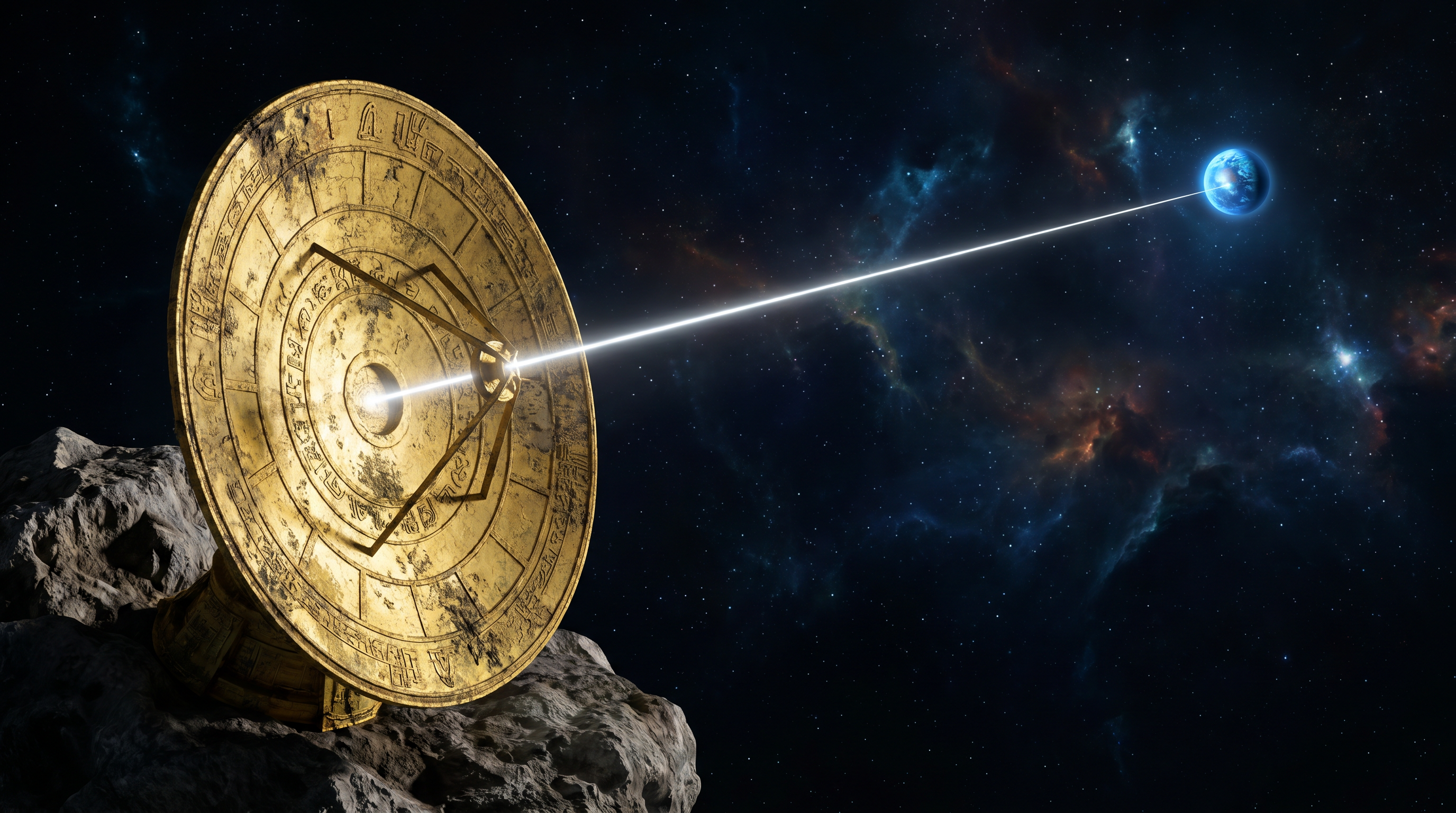
Voyager 1 relies on radio waves to communicate. By aiming its high-gain antenna precisely toward Earth, it sends faint signals that take nearly a full day to reach our deep-space stations.
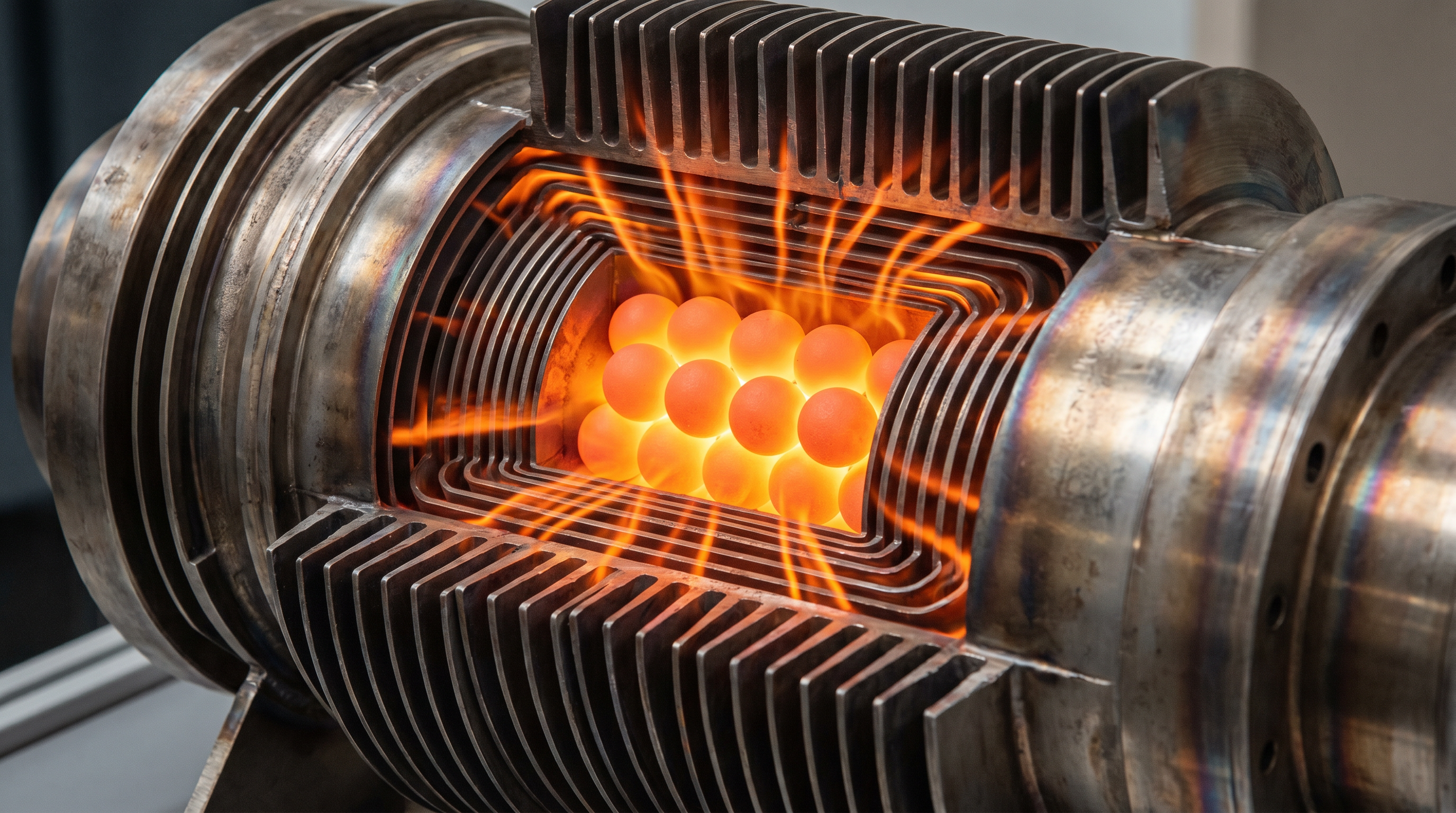
At the heart of the craft sits a radioisotope thermoelectric generator. It converts the natural heat from decaying plutonium-238 into the electrical energy required to power its onboard instruments.
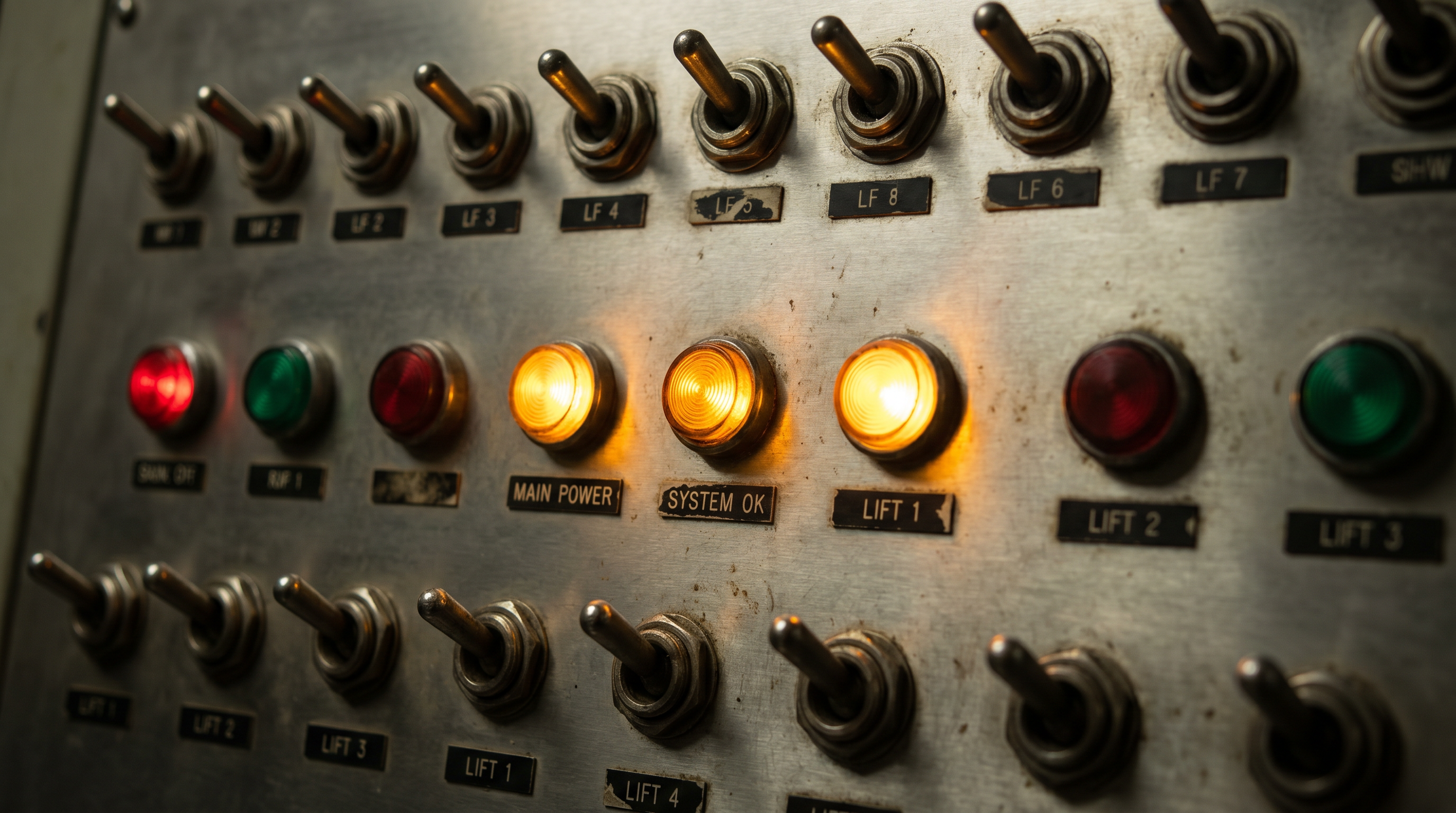
As the plutonium fuel decays over decades, the heat output drops, reducing available electricity. If you were managing a machine with a dwindling power supply, which systems would you prioritize?
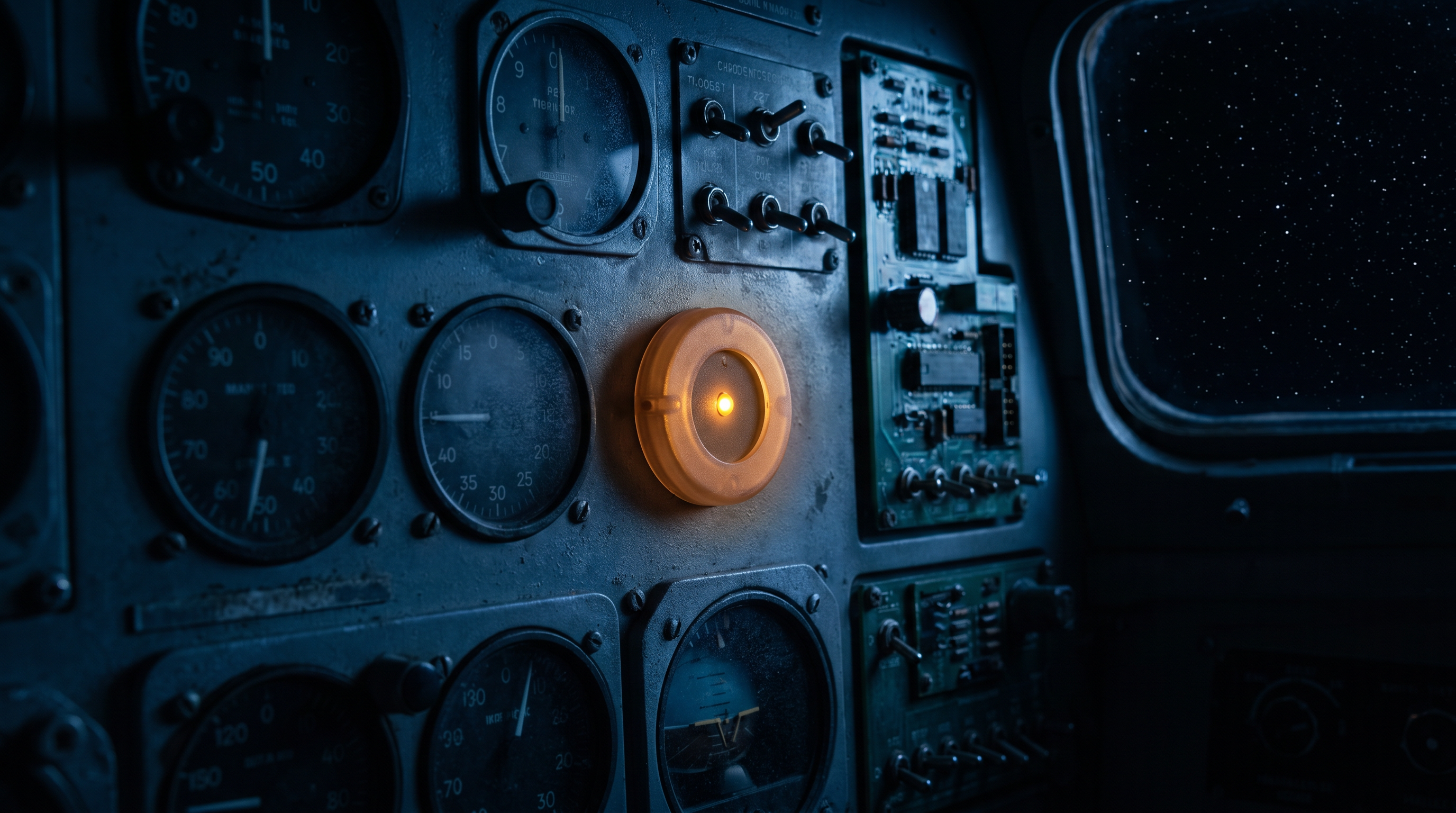
To keep the mission alive, engineers have systematically turned off non-essential heaters and instruments. This careful energy management allows the most vital sensors to continue studying interstellar space today.
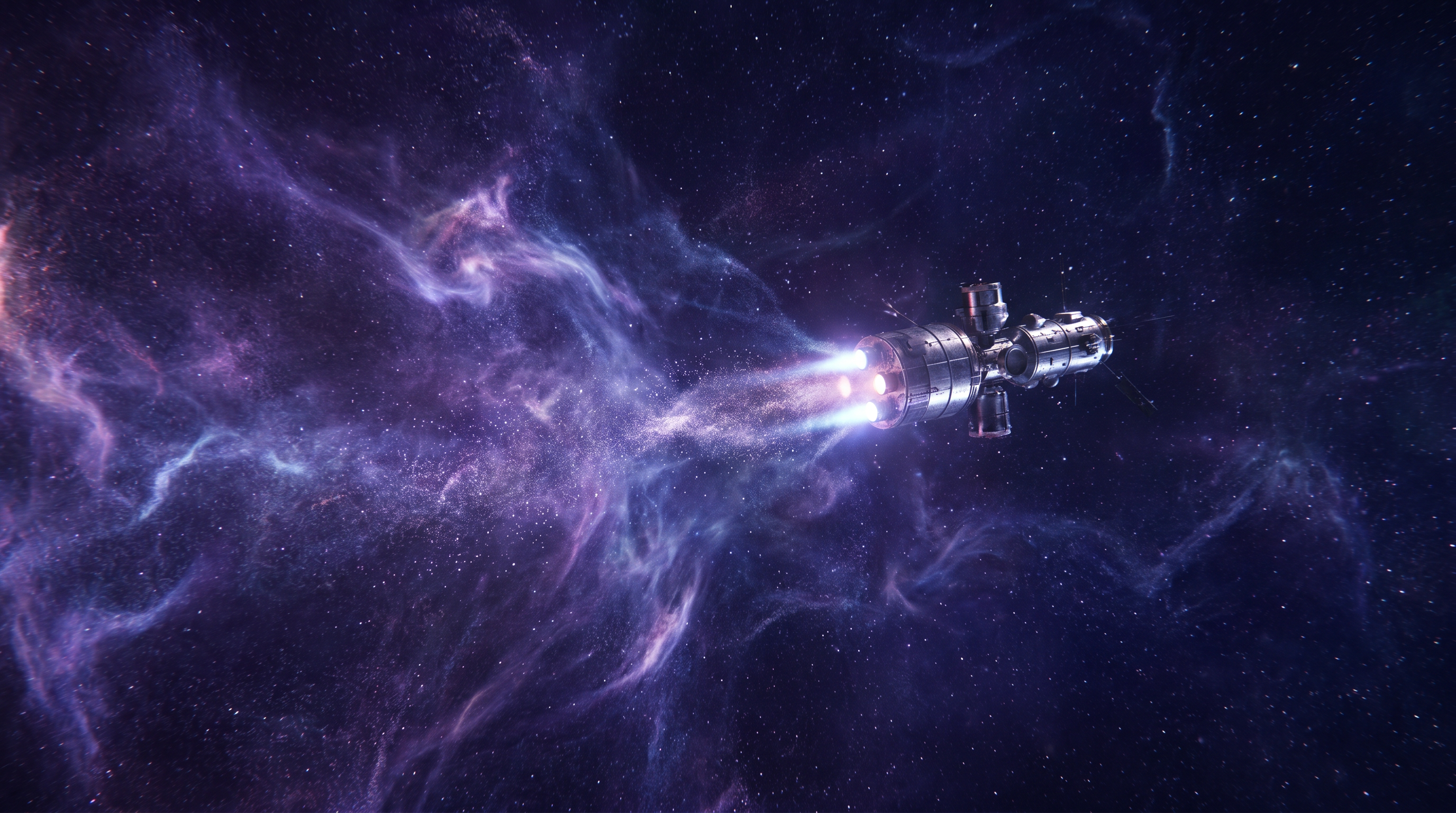
Contrary to the belief that space is empty, Voyager 1 is actually measuring plasma density in the interstellar medium. It is not 'lost'; it is actively mapping a new environment.

Voyager 1 remains our furthest reach into the cosmos, yet its power will eventually fade to silence. What happens when it stops? The mystery of what it finds next remains.
Describe any idea in a sentence and Remee builds it for you — stories, games and quizzes on whatever you or your class are working on. Free to start, no card needed, and everything you make gets a link you can share anywhere.
Remee turns any idea into an illustrated story, a playable game, or an interactive quiz — at home or in the classroom.