 Lesson
This lesson explores how photographers use technical precision and immense patience to capture scenes beyond human perception, debunking common myths along the way.
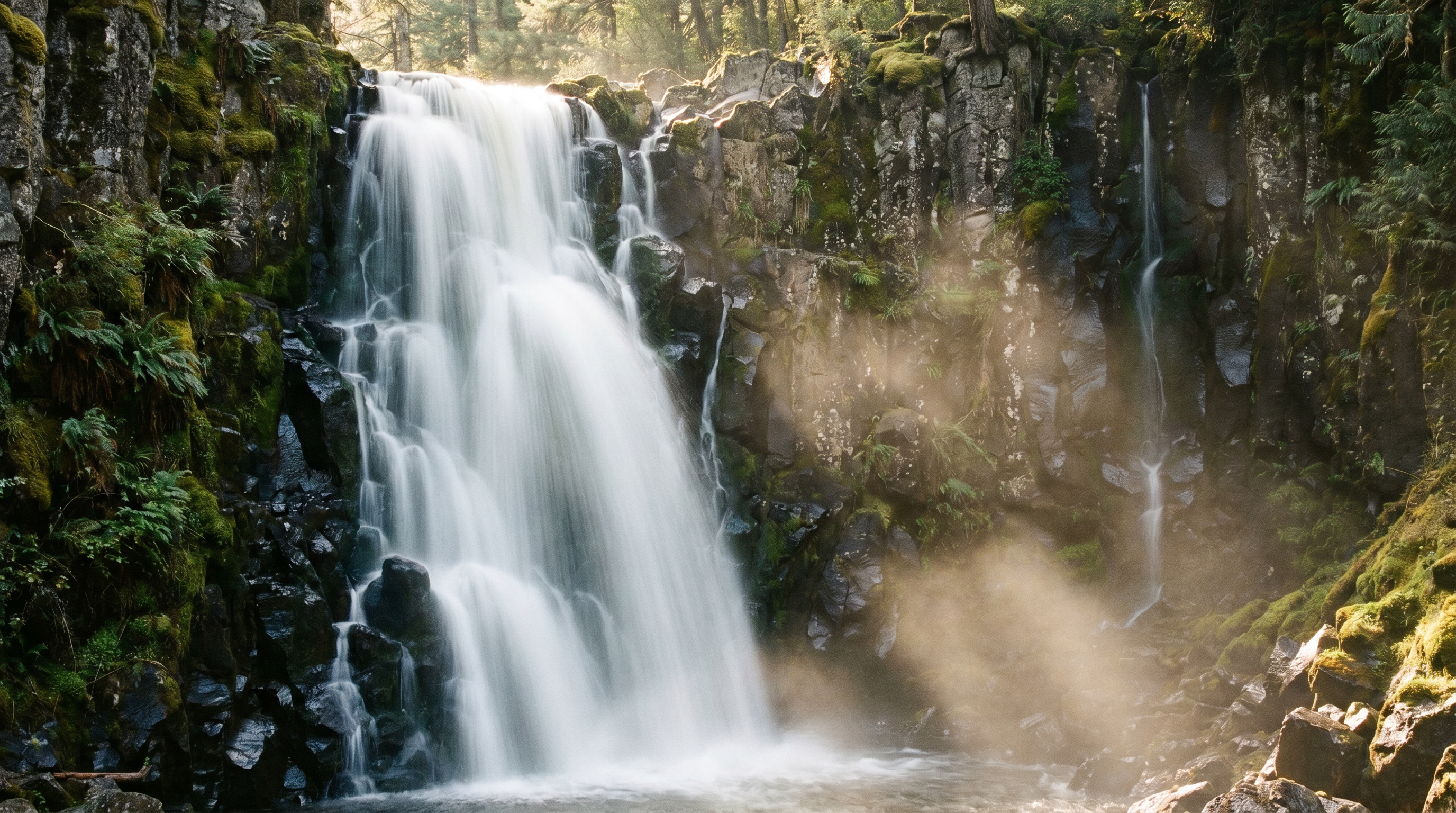
Have you ever wondered how a photo can show a waterfall as silky smooth glass or capture a galaxy in perfect sharpness? It is not magic; it is calculated, patient science.
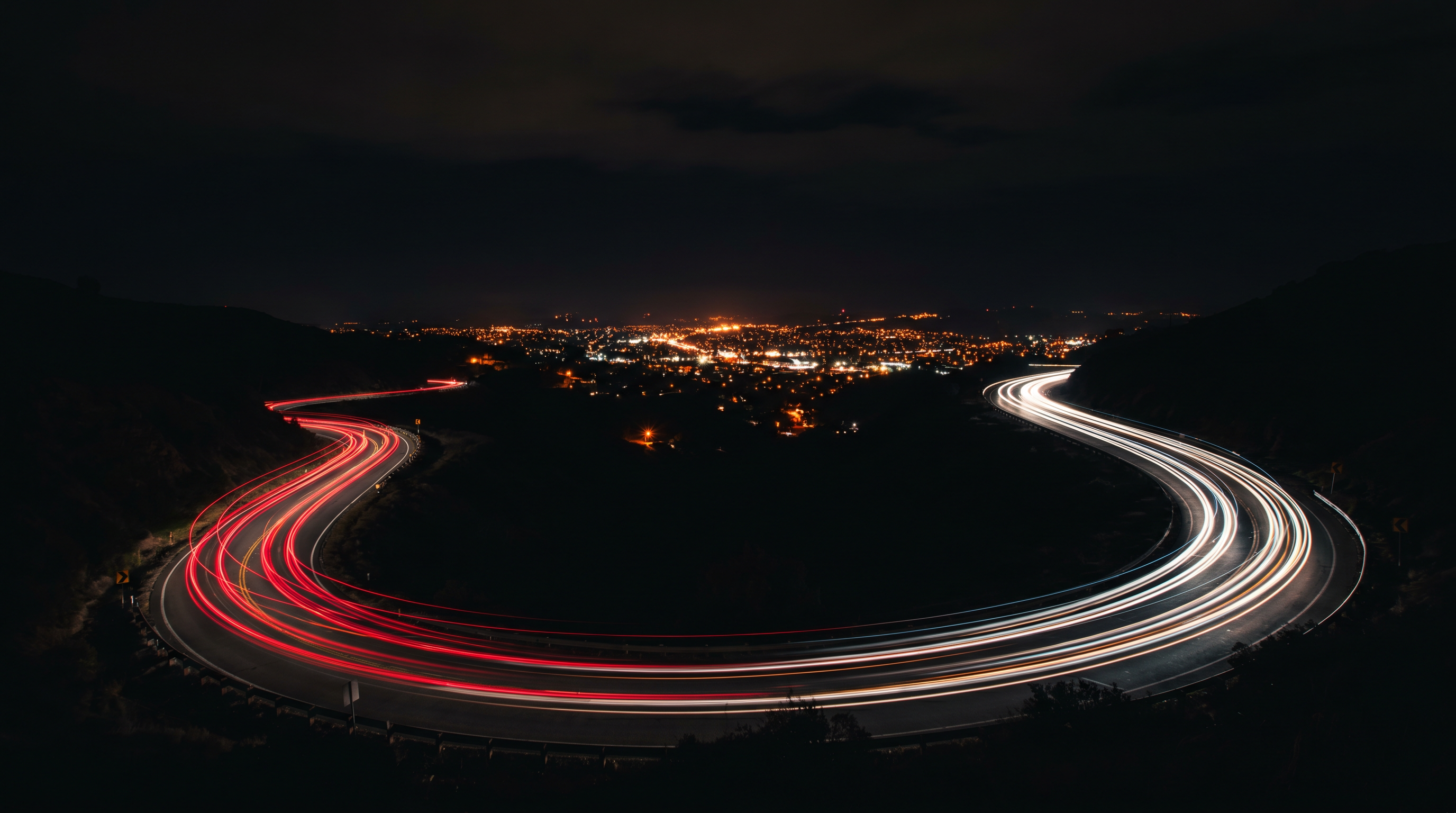
Long exposure is the art of leaving the shutter open to gather light over time. It turns fleeting motion into a single, continuous path, revealing patterns invisible to the naked eye.

When depth of field fails, focus stacking succeeds. By taking multiple images at different focal planes and merging them, we create a scene where everything is perfectly sharp throughout.
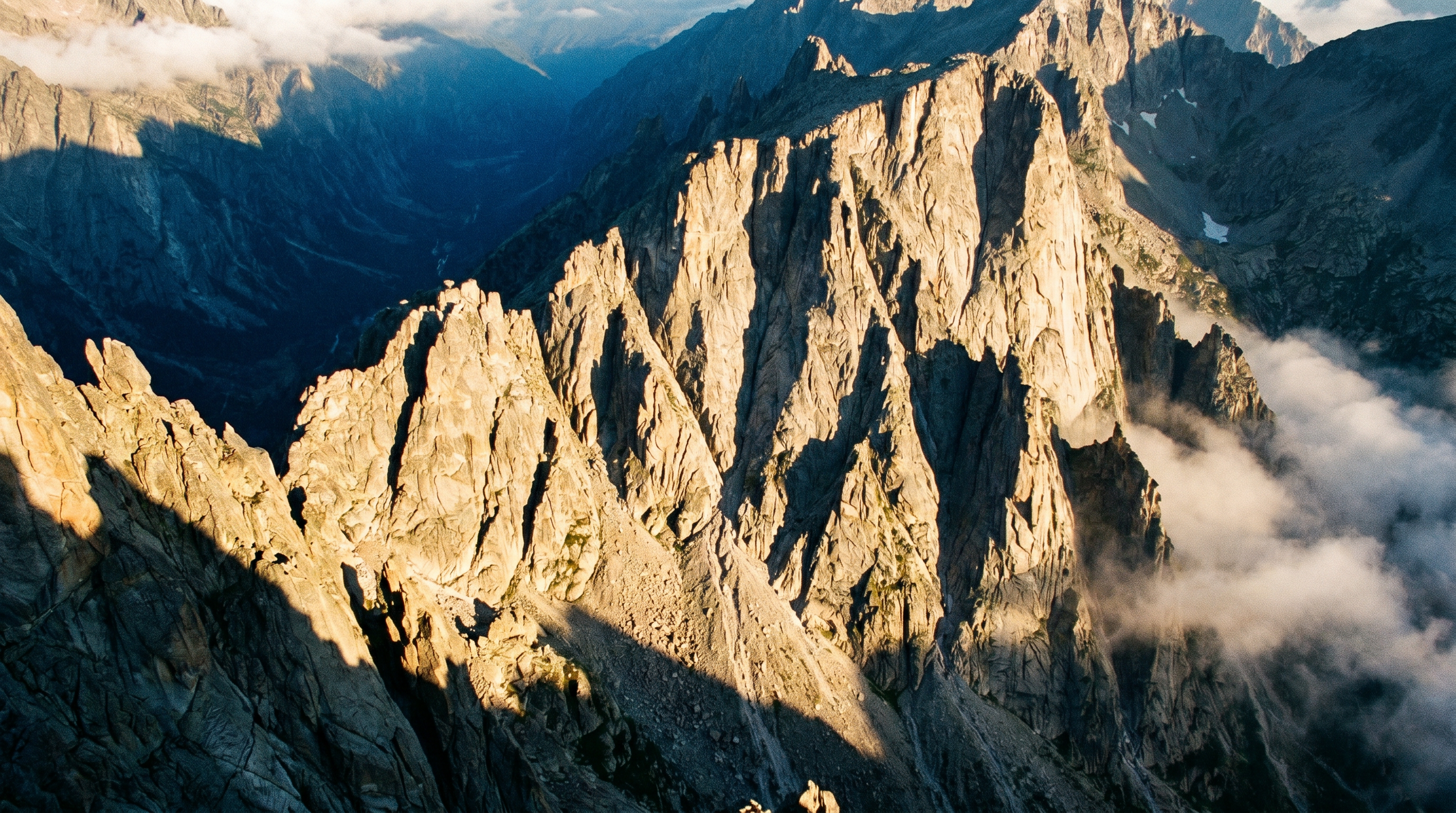
Consider this: if you observe a shifting shadow on a mountain peak for three days, how does the angle of the sun change the texture of the rock you see?
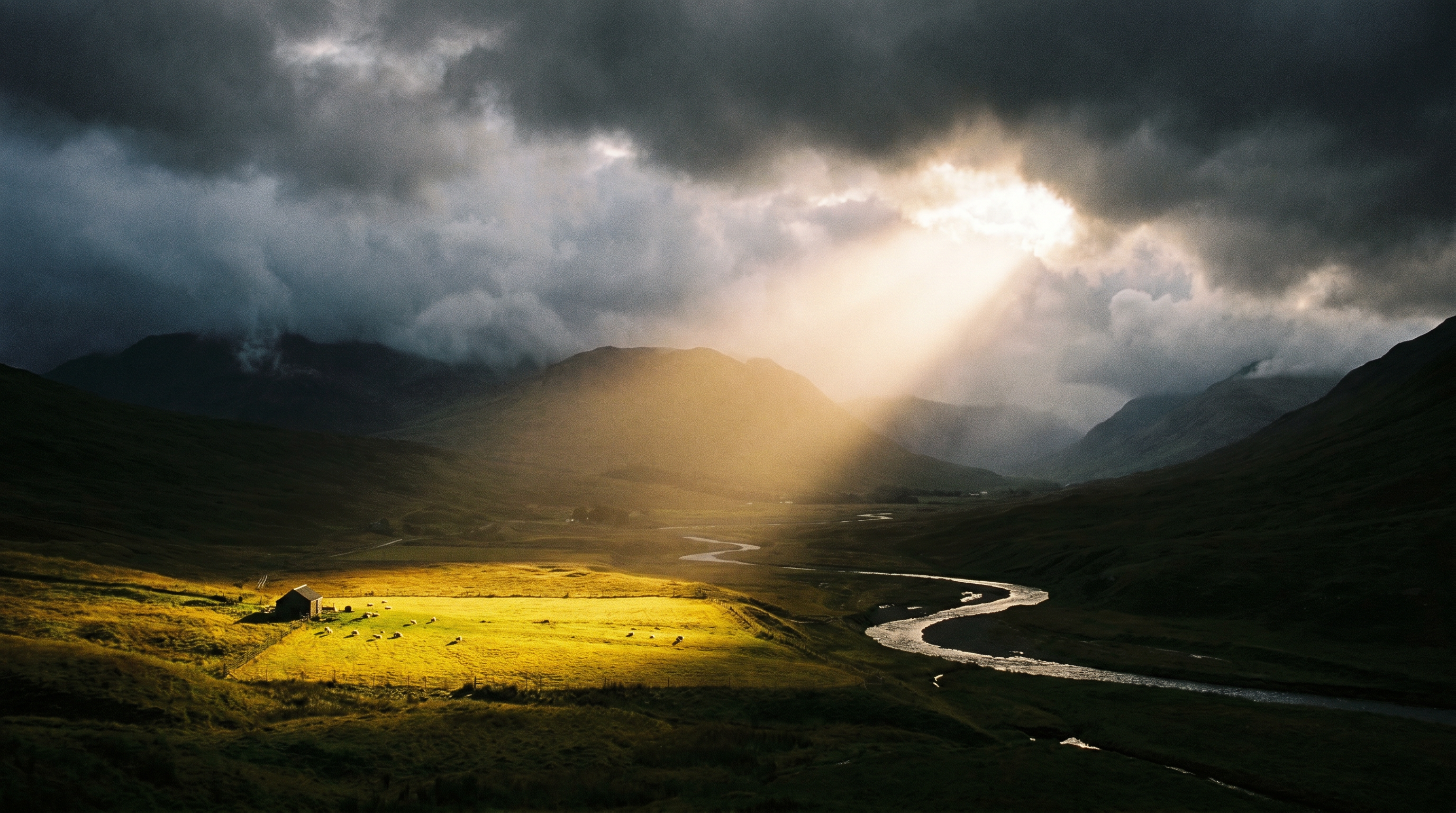
Nature rarely offers perfect light on command. Professional photographers often wait days for that fifteen-second window when clouds part and light hits the landscape with ideal intensity and color.
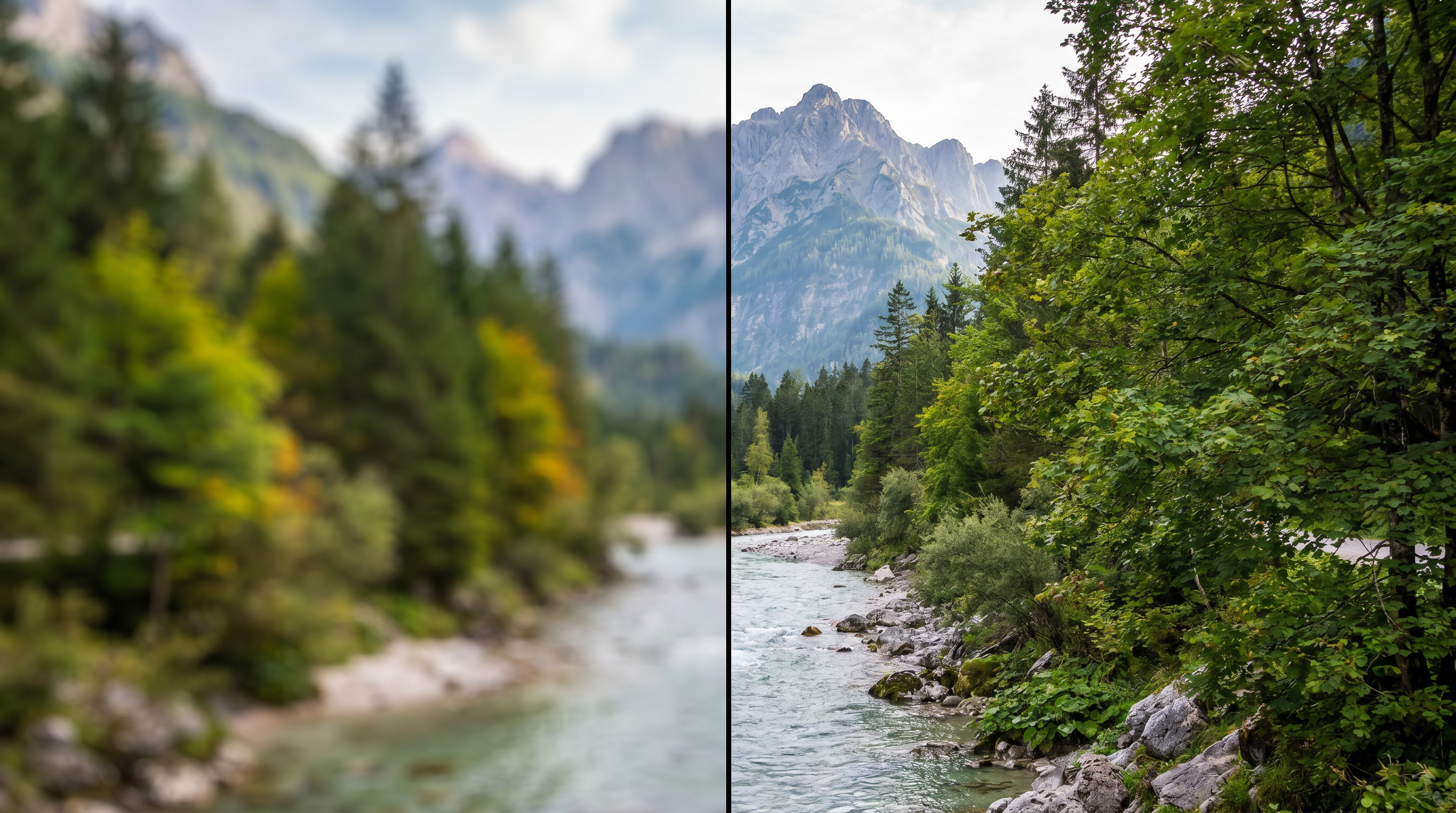
A common misconception is that these shots are purely digital fabrications. In reality, they rely on optical physics and precise manual alignment to ensure the final image remains physically accurate.
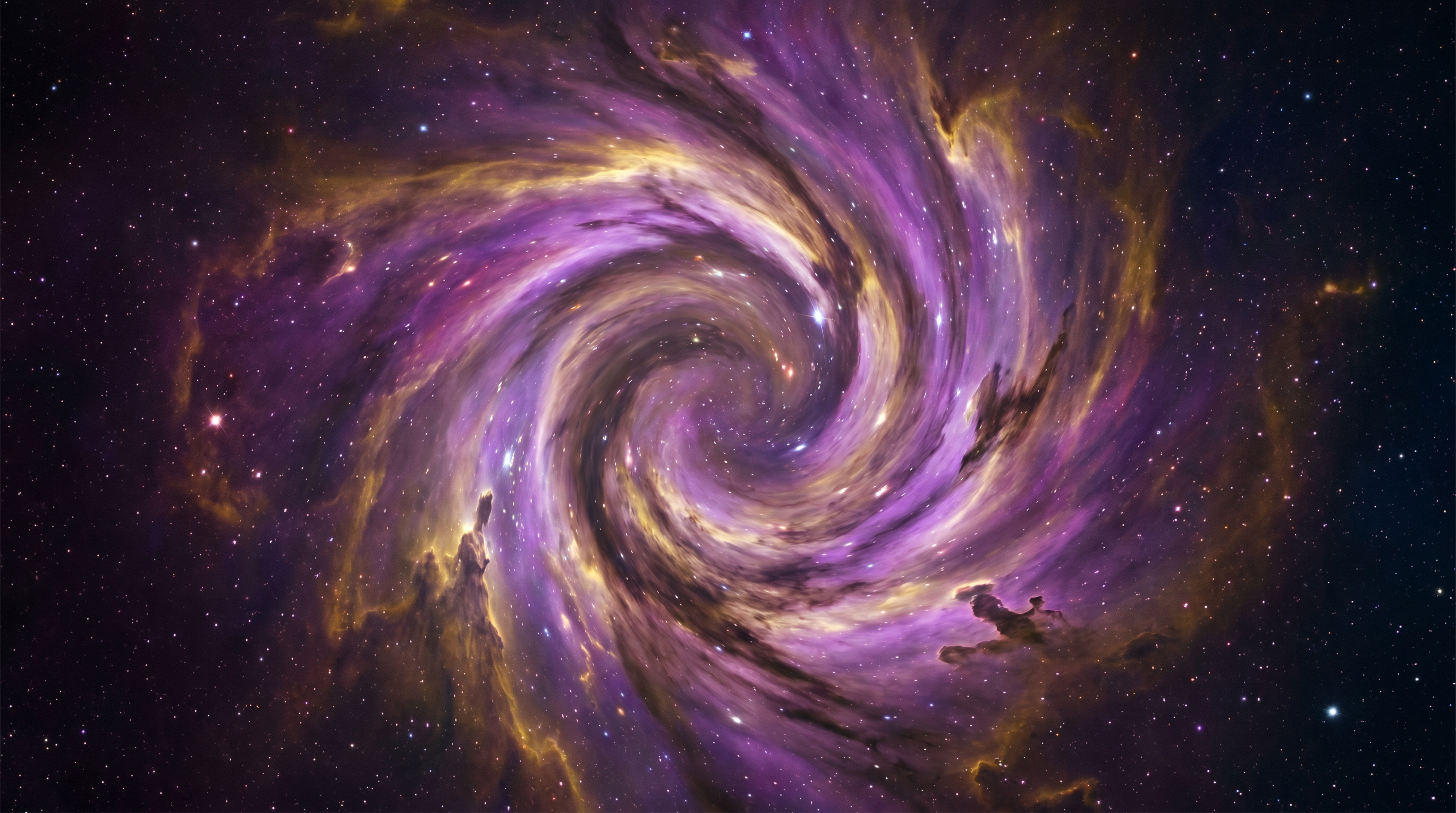
By mastering time and focus, you can reveal the hidden architecture of our world. But what happens when we apply these techniques to things moving faster than light? That is a mystery.
Describe any idea in a sentence and Remee builds it for you — stories, games and quizzes on whatever you or your class are working on. Free to start, no card needed, and everything you make gets a link you can share anywhere.
Remee turns any idea into an illustrated story, a playable game, or an interactive quiz — at home or in the classroom.