 Lesson
This lesson investigates the scientific evidence behind why the sound 'huh' appears in nearly every human language as a tool for quick repair in conversation.

Imagine traveling to a remote village where you speak none of the local tongue. If you miss a word, you might still instinctively say 'huh'. Why does this happen everywhere?

Linguists discovered that 'huh' functions as a 'repair initiator.' It is a specialized, efficient vocal tool used to signal a breakdown in understanding, requiring immediate clarification from the speaker.
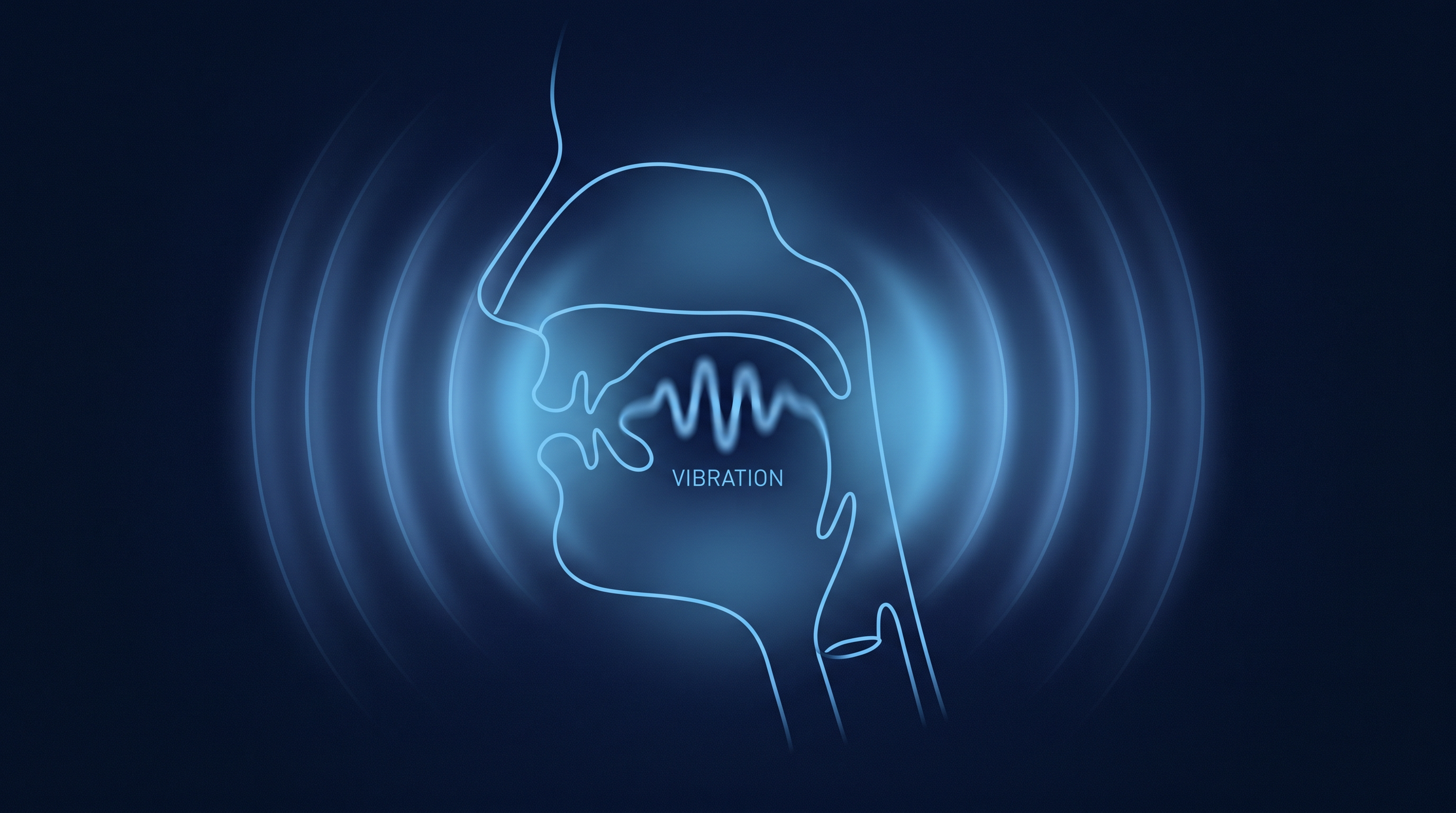
This sound is optimized for speed. It uses a neutral vowel and a glottal stop, making it the easiest sound to produce when your brain is briefly struggling with comprehension.

Think about your own daily conversations. When you hear something unclear, do you say 'huh', 'pardon', or 'what'? Which one feels most automatic, and why might that be?
Research shows this isn't a borrowed word. It evolved independently across cultures because it perfectly solves the biological need for a low-effort, high-speed interruption during a social interaction.

Don't mistake 'huh' for lazy speech. It is actually a highly sophisticated linguistic instrument. It is not an error; it is a vital mechanism for maintaining shared social reality.

We have seen that 'huh' is a universal fix for communication gaps. But if this sound is hardwired, are there other 'universal' gestures or sounds hidden in our subconscious waiting discovery?
Describe any idea in a sentence and Remee builds it for you — stories, games and quizzes on whatever you or your class are working on. Free to start, no card needed, and everything you make gets a link you can share anywhere.
Remee turns any idea into an illustrated story, a playable game, or an interactive quiz — at home or in the classroom.