 Lesson
This lesson explores the intersection of human biology and cultural evolution, explaining why our common DNA leads to such diverse social behaviors and expectations.
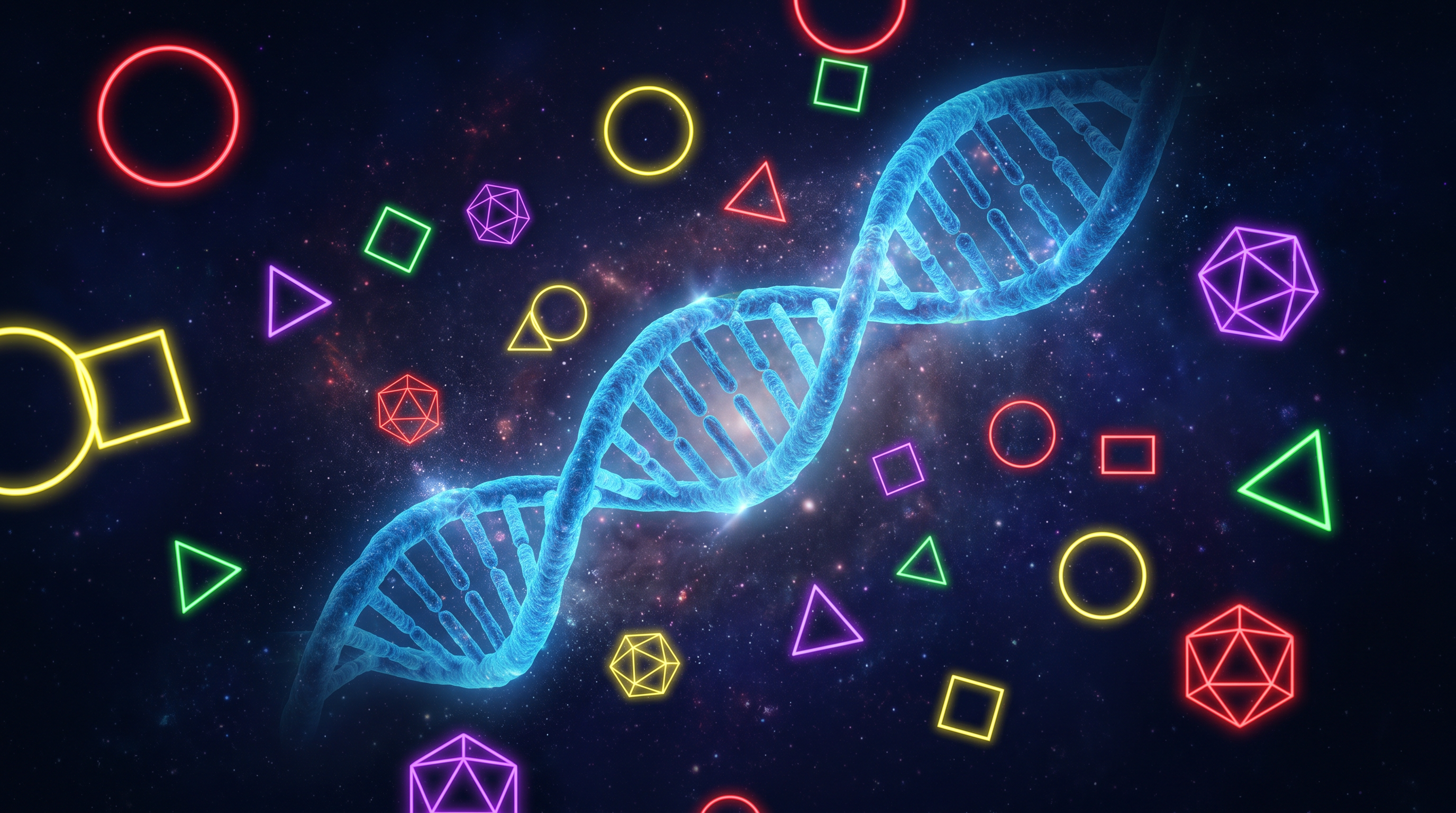
Humans share 99.9% of their DNA, yet we create thousands of unique cultures. Have you ever wondered how the same biological hardware results in such vastly different social software?
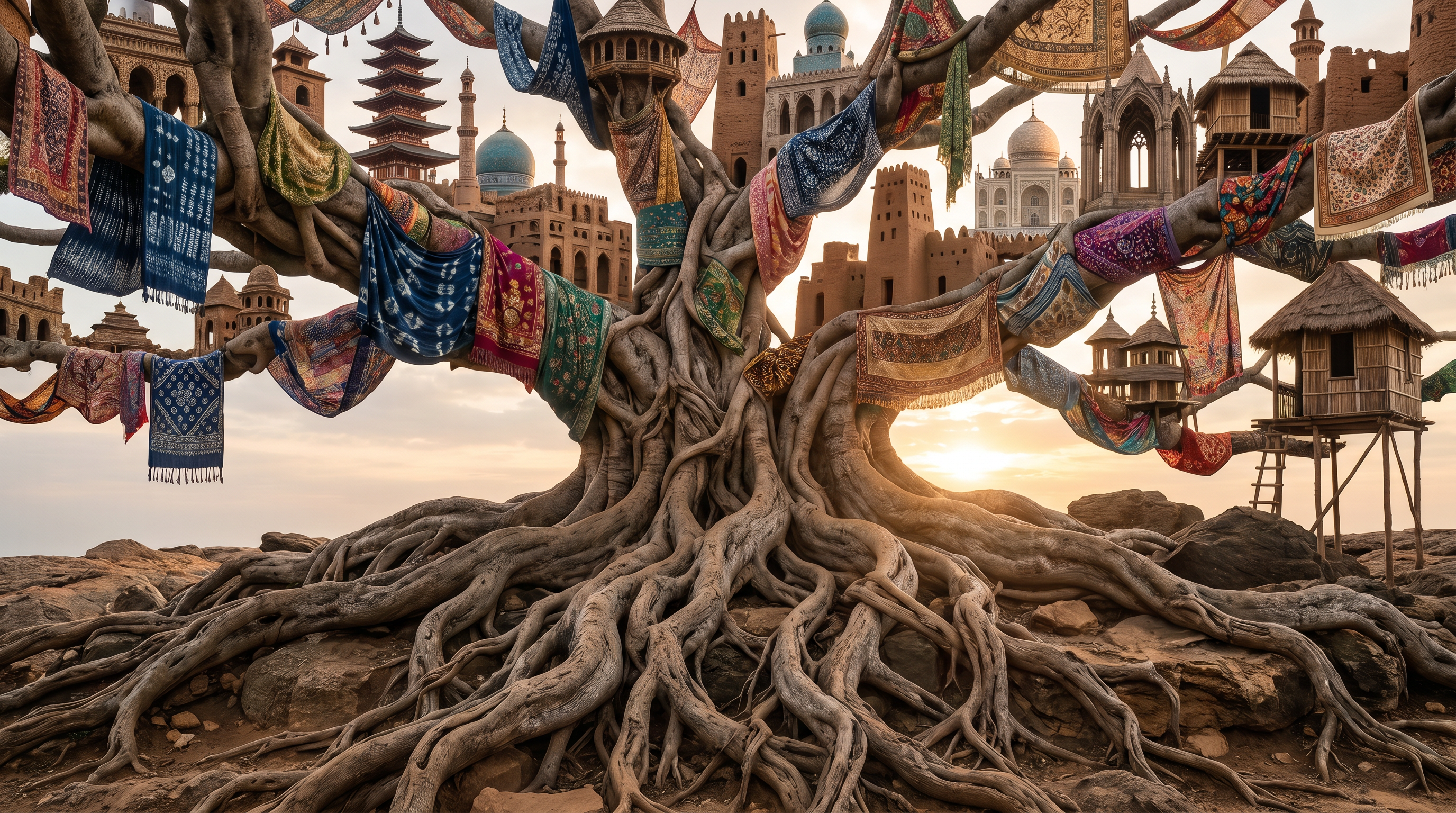
Biology provides our 'base code'—needs for food, safety, and belonging. Culture is the 'user interface' we build to solve these universal problems in specific local environments over many generations.
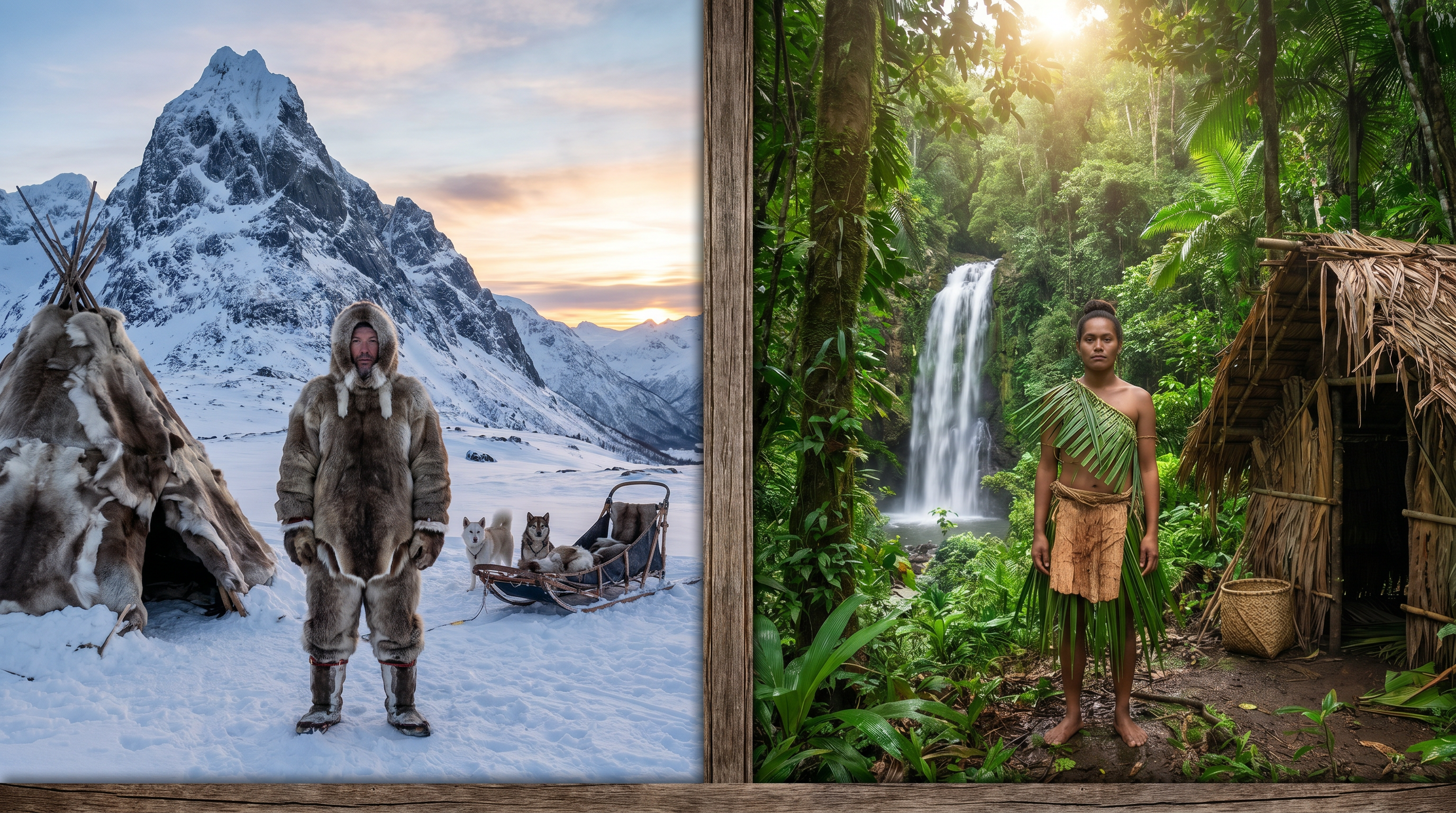
Think of it as adaptation. A group in a freezing climate develops different clothing and social sharing norms compared to a group in a tropical forest. Survival drives these cultural paths.
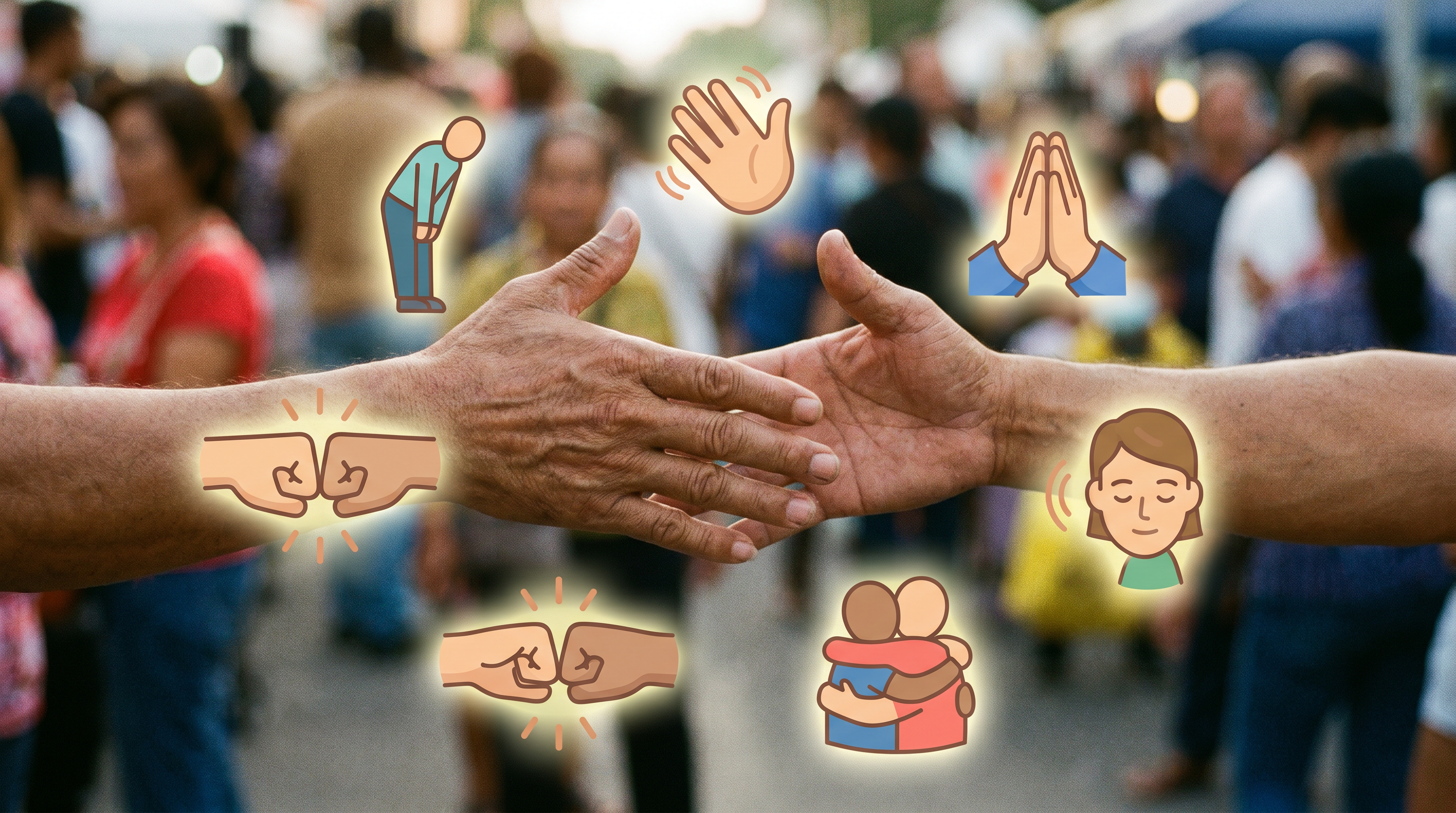
Consider how we greet others. Some cultures bow, others shake hands, and some use verbal cues. If biology drives our need for connection, why do you think these specific physical signals differ?
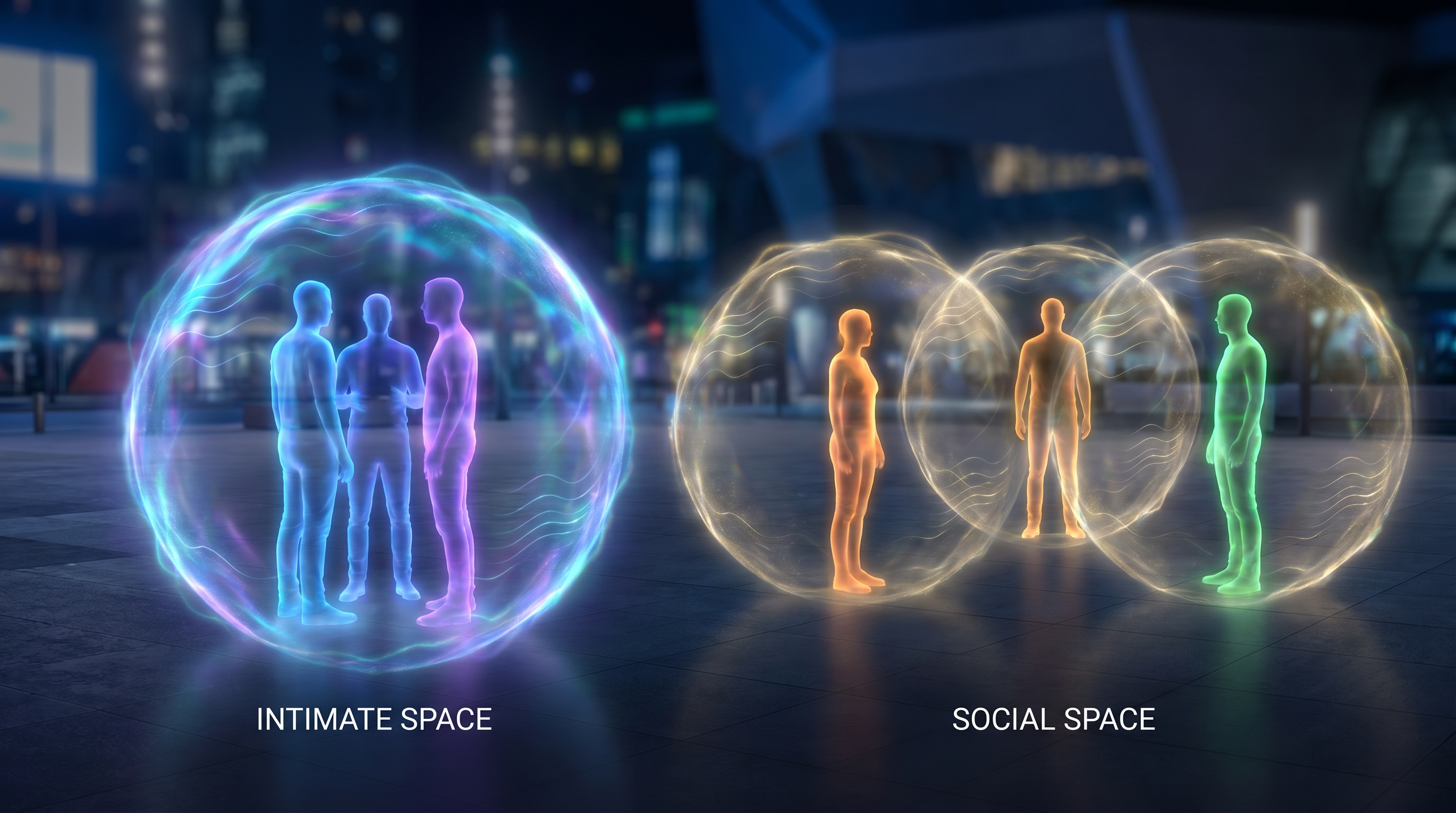
Implicit expectations—like how close to stand to someone—are cultural 'scripts.' These aren't written in our genes but are learned through observation during our development within our specific social group.
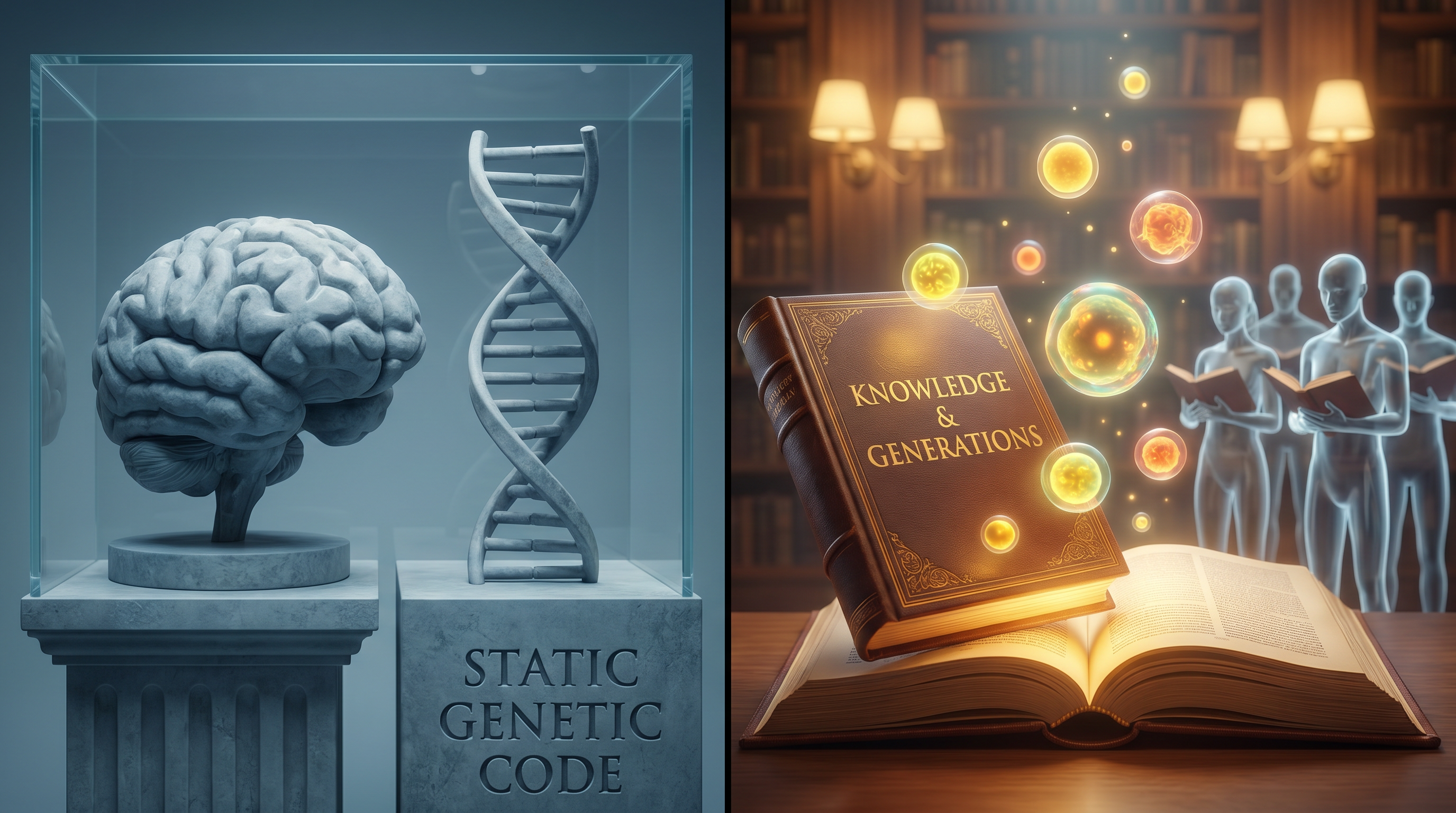
A common misconception is that culture is 'instinctive.' Actually, culture is learned behavior passed down through language and imitation, not something hardwired into our DNA like hunger or reflexes.
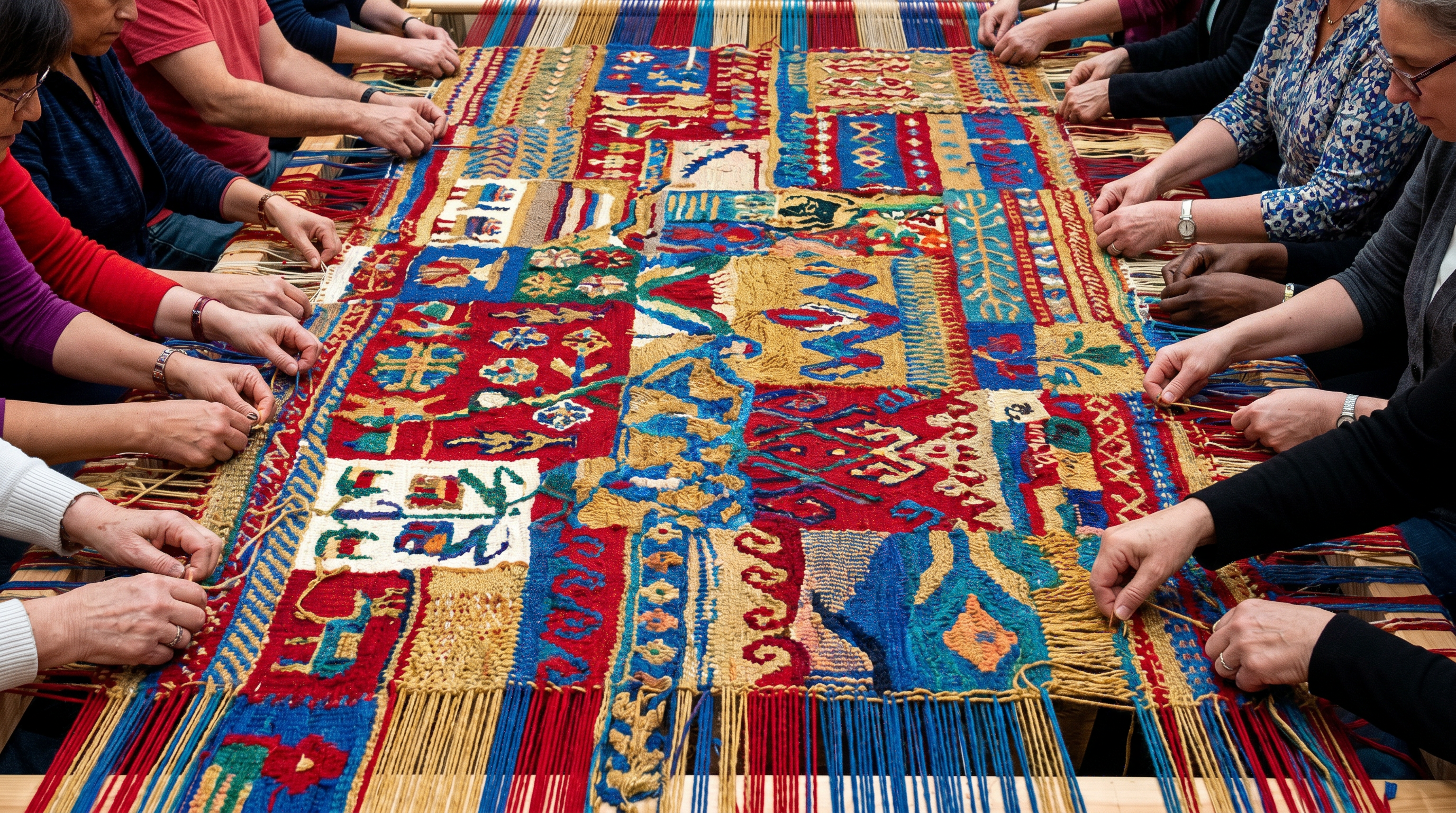
We share the same biological roots, but our environments create unique cultural fruits. What happens when two cultures meet and their 'scripts' clash? That is the next mystery to solve.
Describe any idea in a sentence and Remee builds it for you — stories, games and quizzes on whatever you or your class are working on. Free to start, no card needed, and everything you make gets a link you can share anywhere.
Remee turns any idea into an illustrated story, a playable game, or an interactive quiz — at home or in the classroom.