 Lesson
Explore the natural chemistry of ancient cave art, learning how prehistoric artists used minerals and soot to create lasting images and how their handprints remain preserved today.
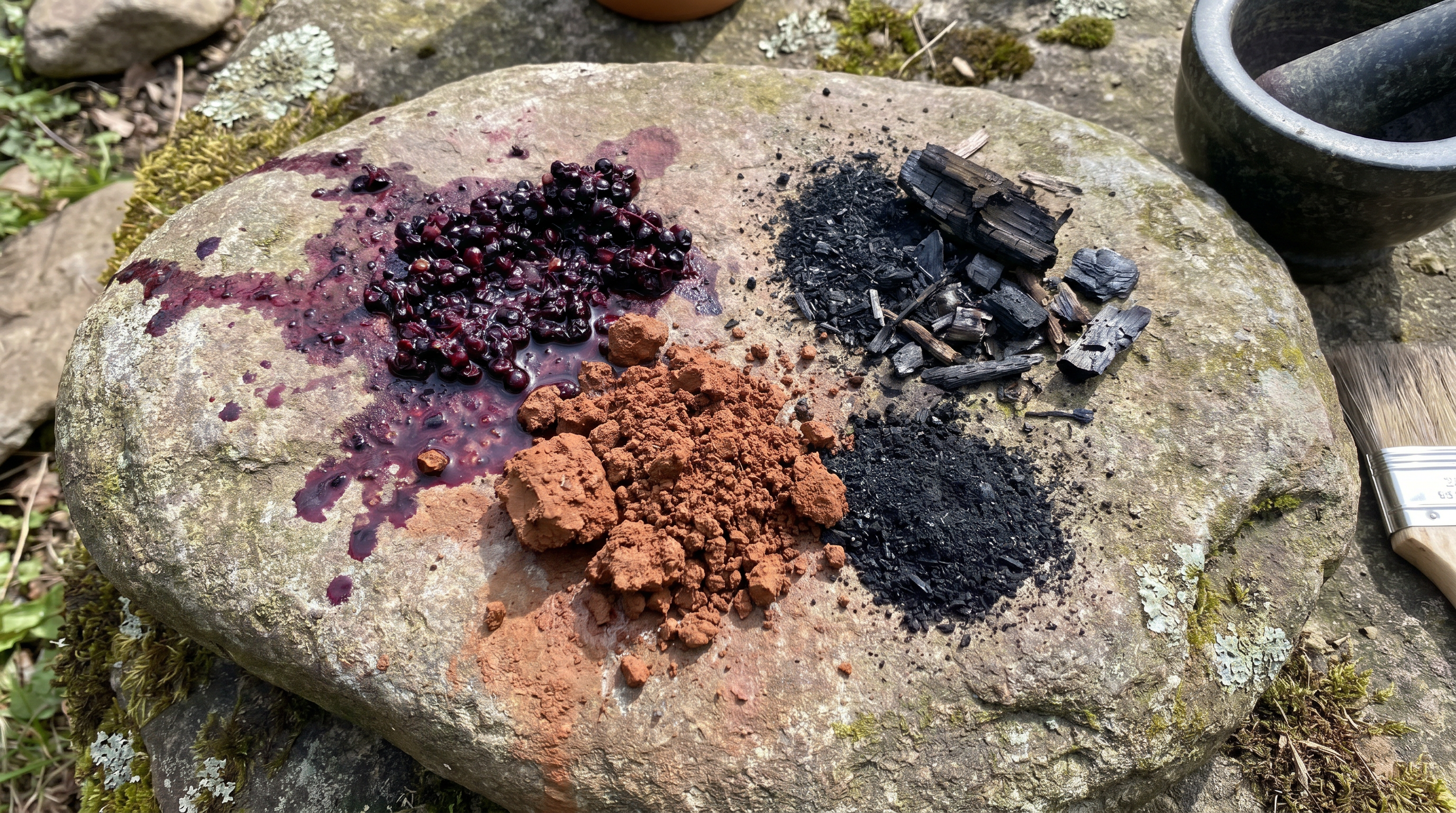
Did you know that long before pens or paints existed, artists used the earth itself? They looked at the world around them to find the very first colors for their masterpieces.
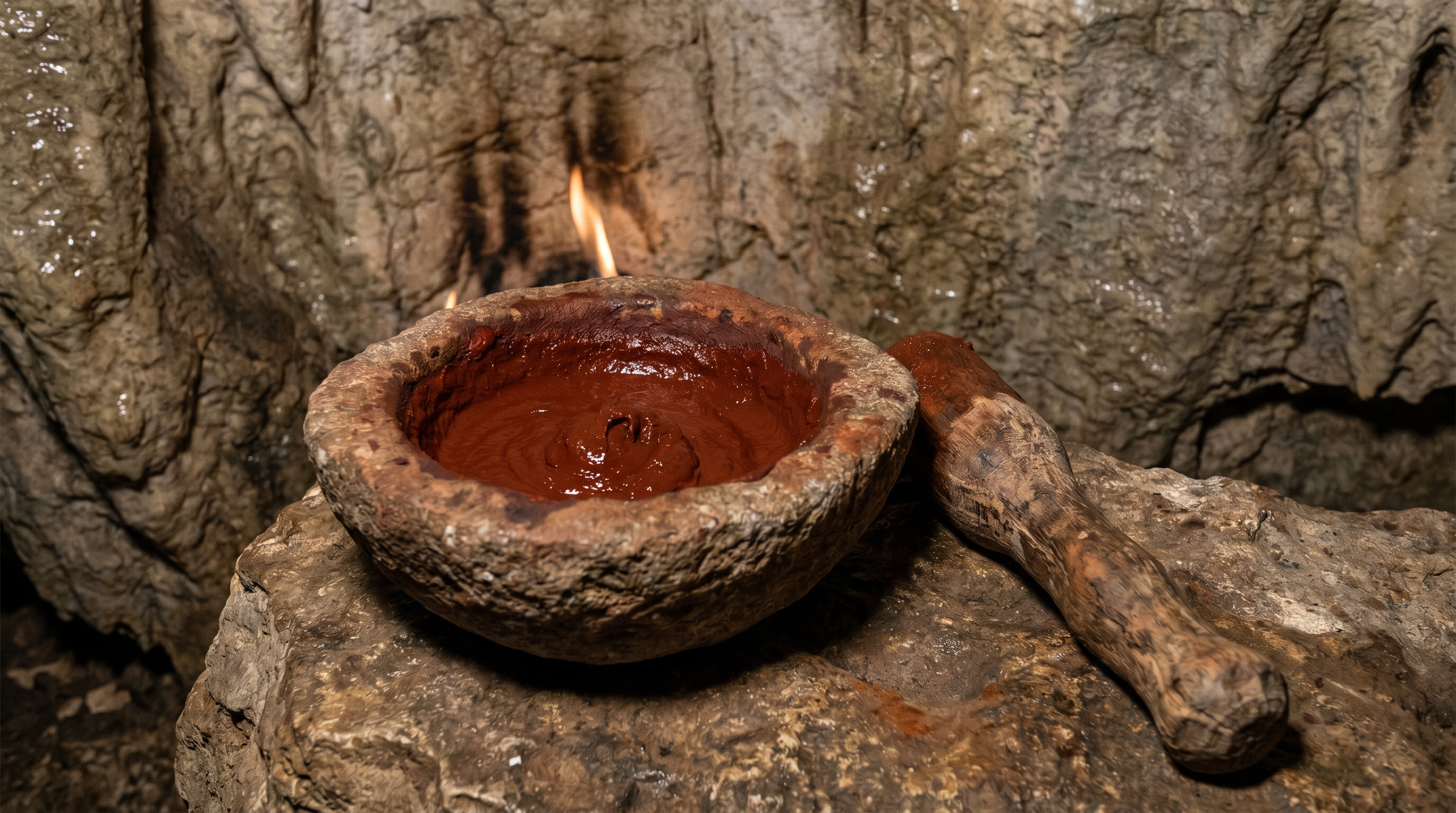
To create their paints, they mashed berries for deep reds and used soot from burnt wood for dark blacks. They mixed these with water or animal fat to make them stick.
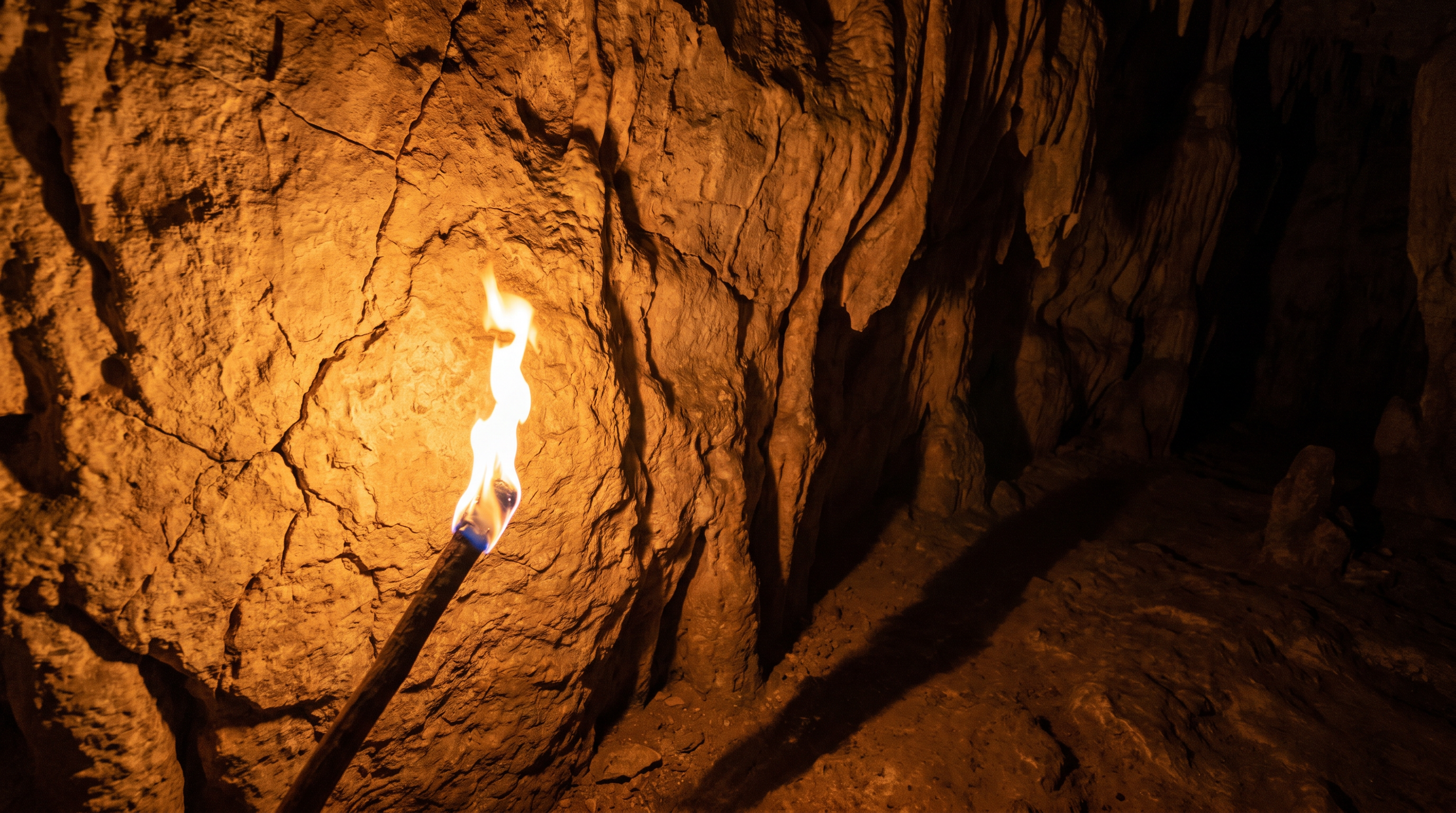
Inside deep, dark caves, they used flickering torches to see. The soot from these torches became a perfect tool for drawing, while the dim light made the walls seem alive.
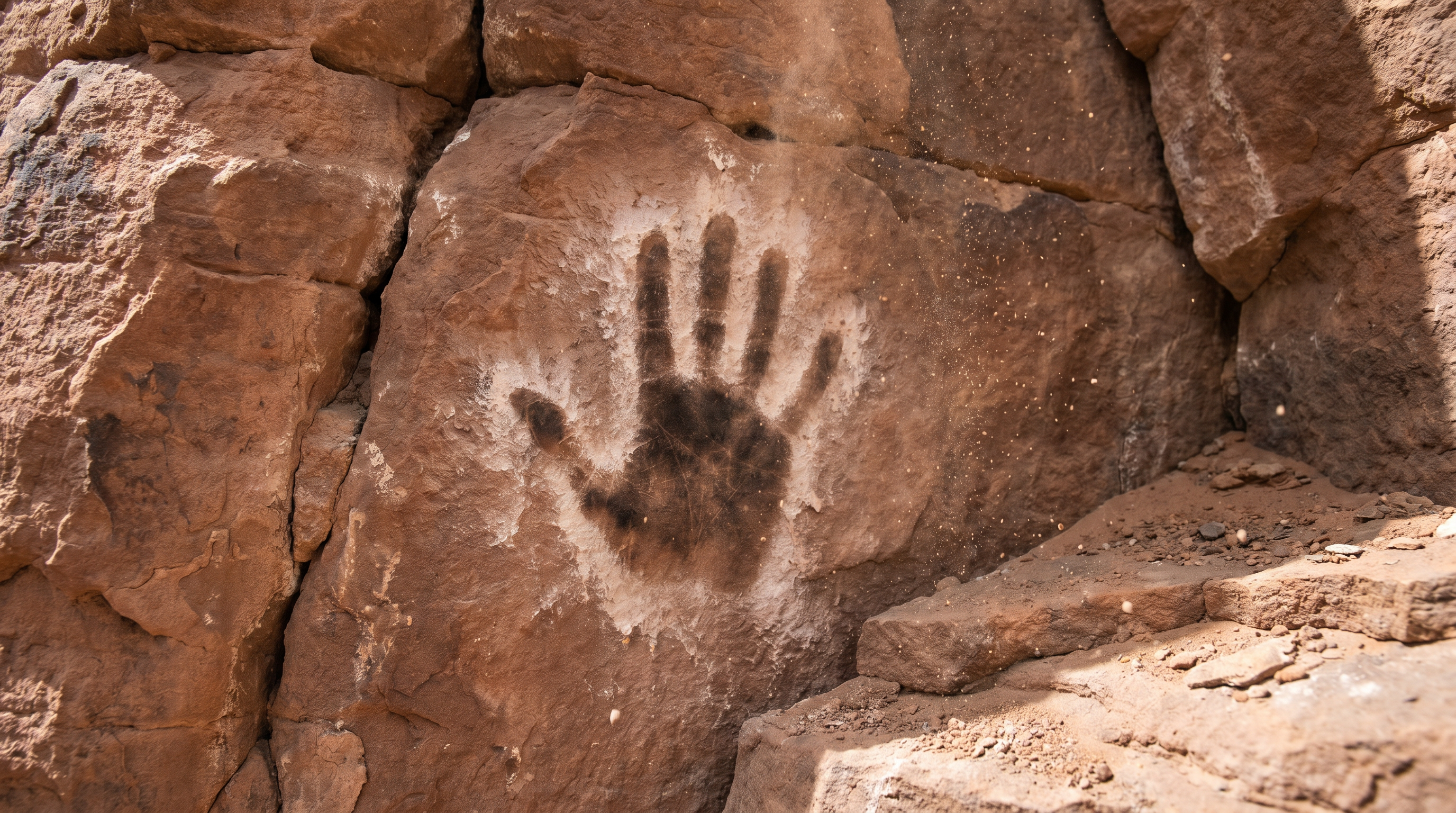
Look closely at your own palm. If you blew powder over your hand against a wall, you would leave a negative stencil. Can you imagine why caves helped these prints last?
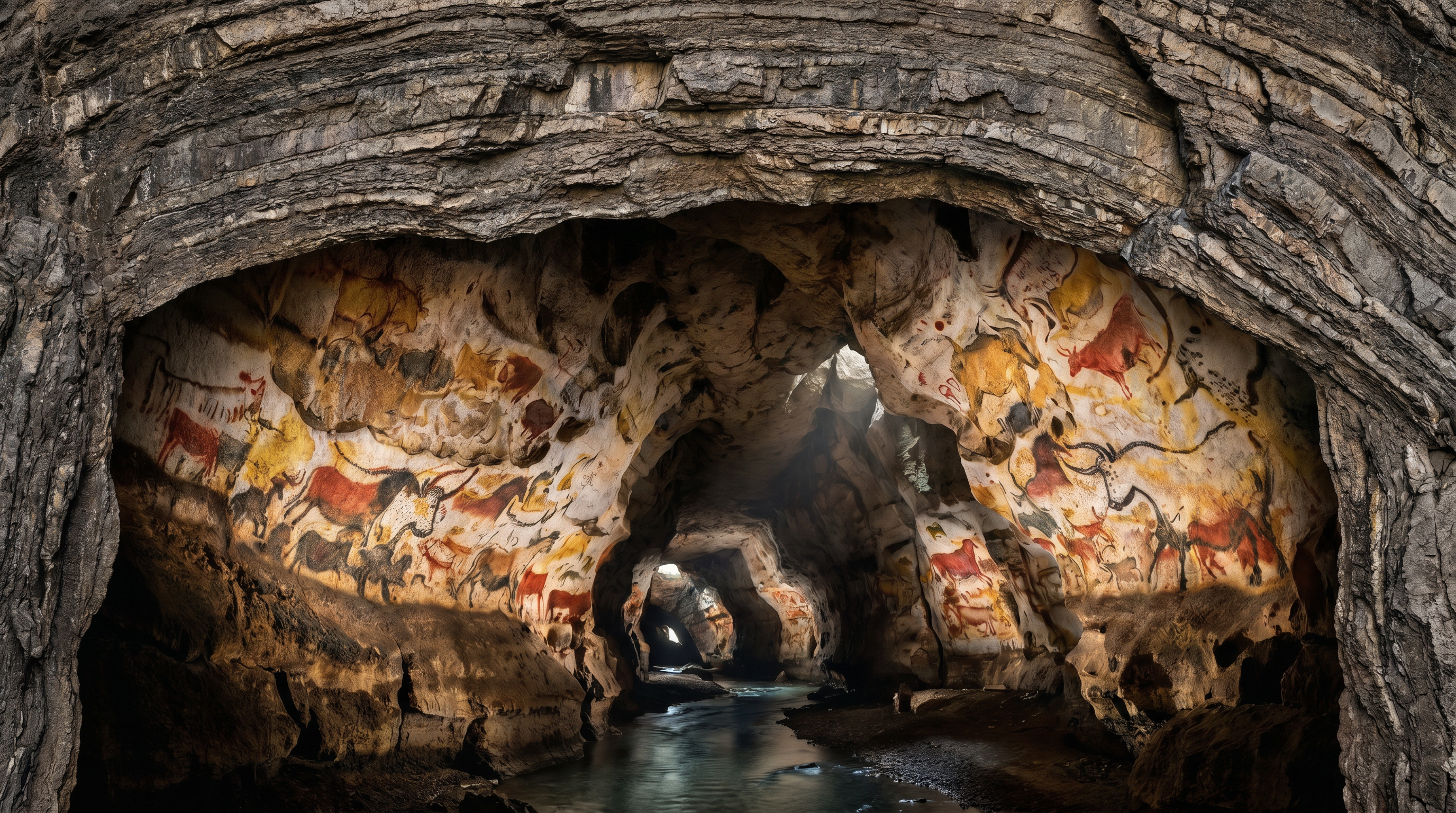
Caves are like natural time capsules. Because they are cool, dark, and dry, the paint does not fade, and the handprints stay exactly as they were left long ago.
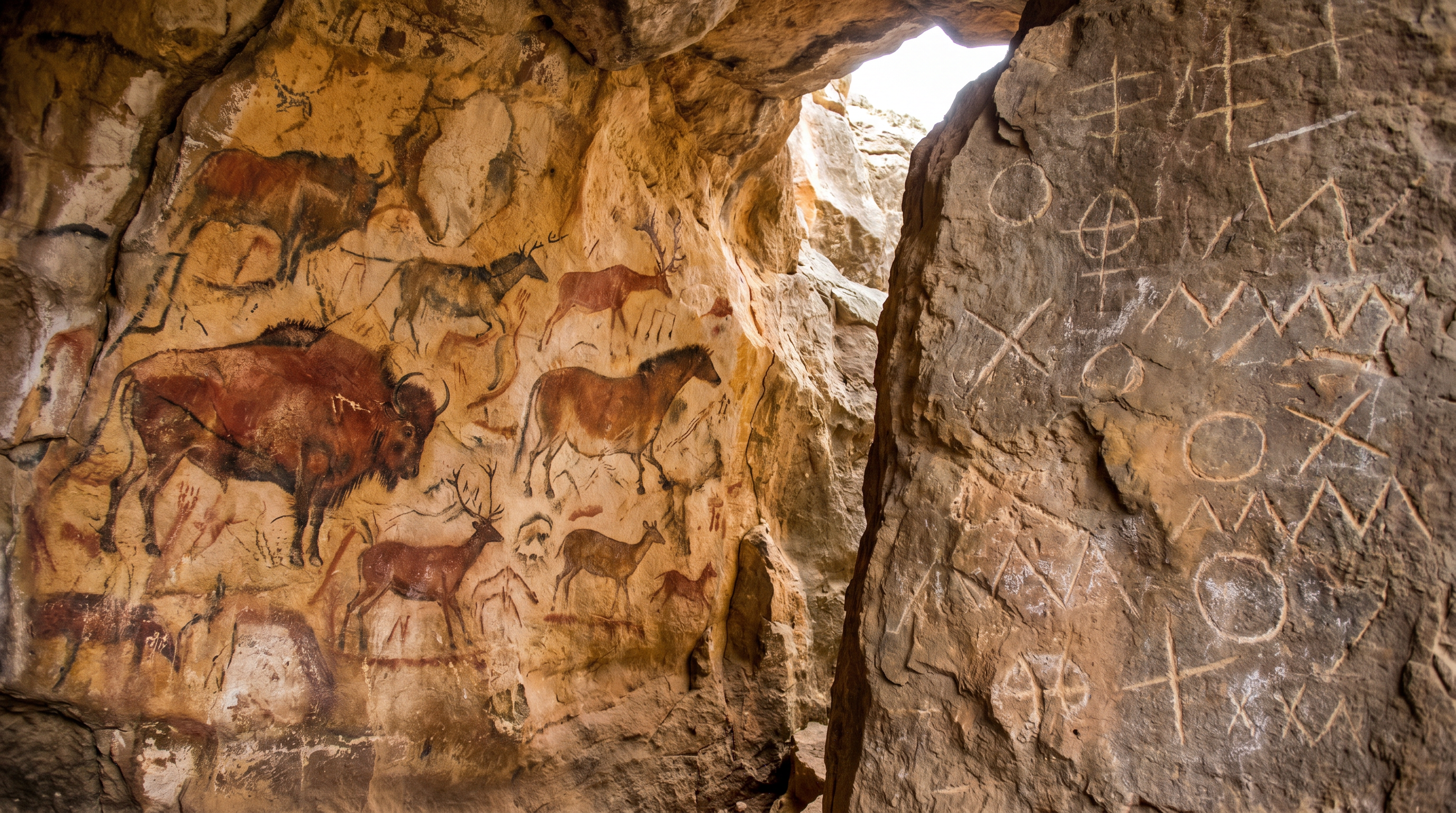
Some think these paintings were just for decoration, but scientists believe they were important ways to share knowledge. They were not just scribbles; they were maps and records of life.
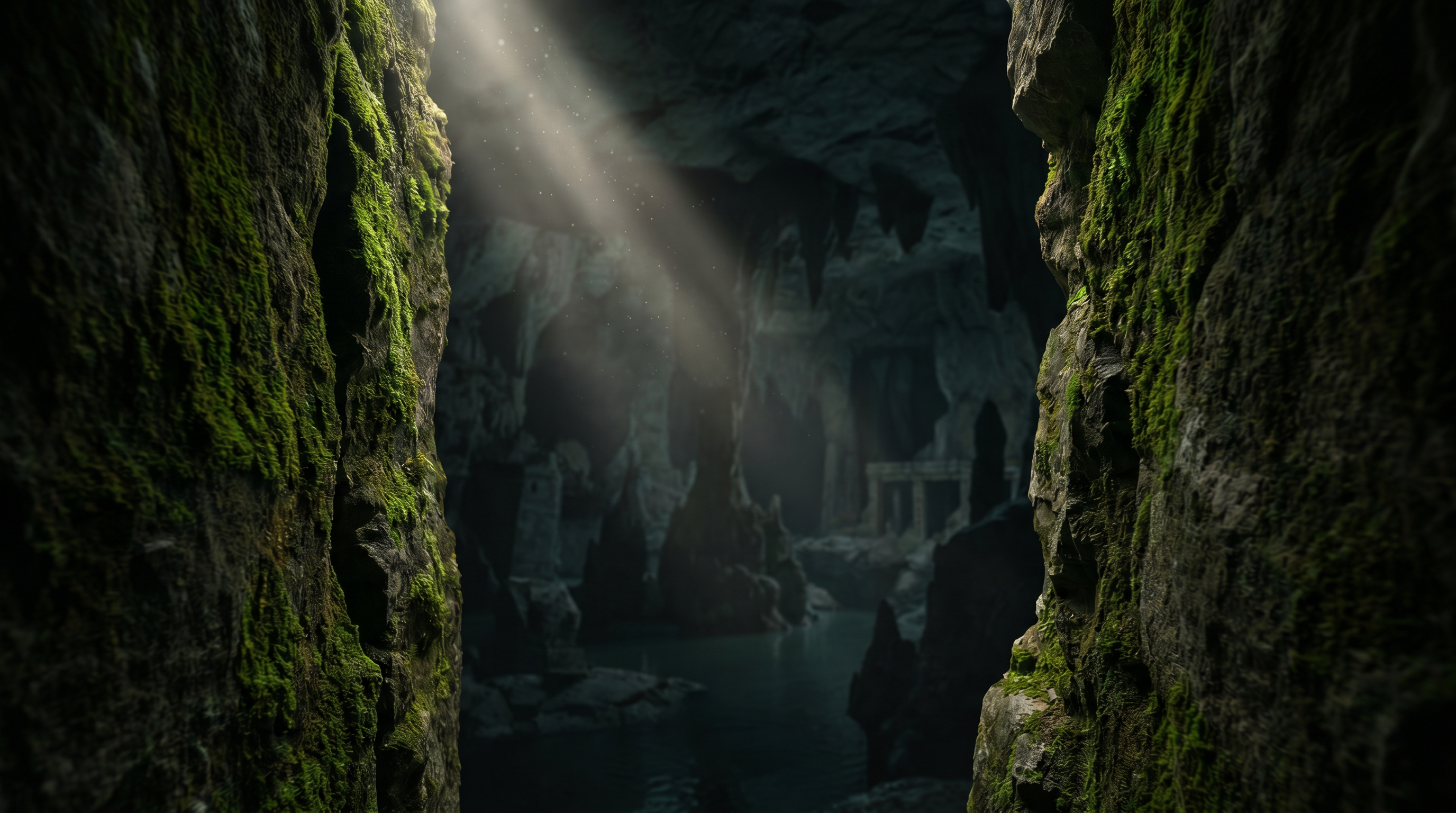
We have explored how ancient colors and cave environments preserved history. But here is a mystery: why did they choose such deep, dangerous caves to paint in? That is a puzzle for you.
Describe any idea in a sentence and Remee builds it for you — stories, games and quizzes on whatever you or your class are working on. Free to start, no card needed, and everything you make gets a link you can share anywhere.
Remee turns any idea into an illustrated story, a playable game, or an interactive quiz — at home or in the classroom.