 Lesson
This lesson explores the science of invisible ink, explaining how organic compounds oxidize under heat to reveal hidden text.
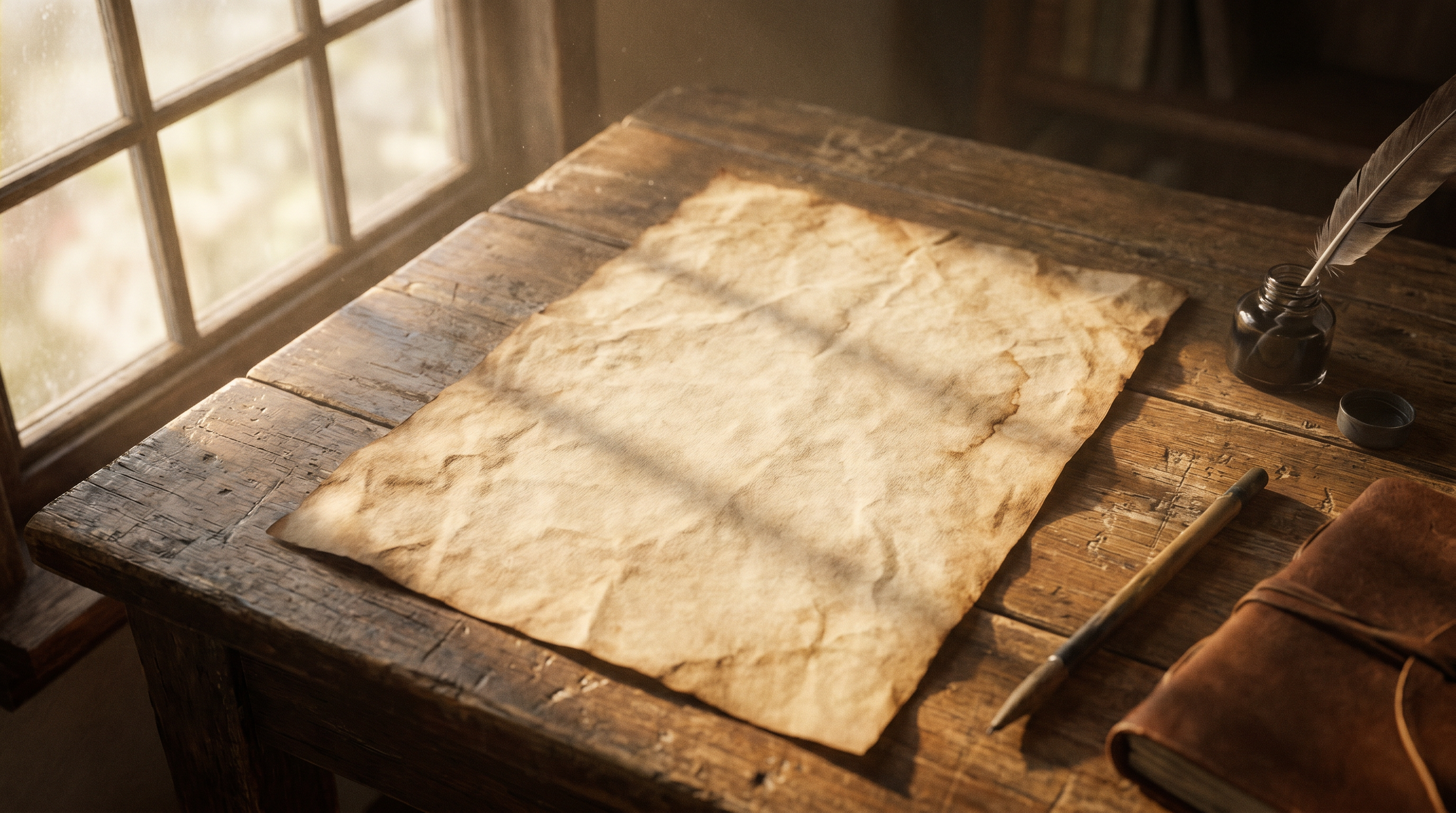
Did you know that long ago, people sent secret messages that looked like blank paper? They used special liquids that vanished once they dried, hiding secrets in plain sight.
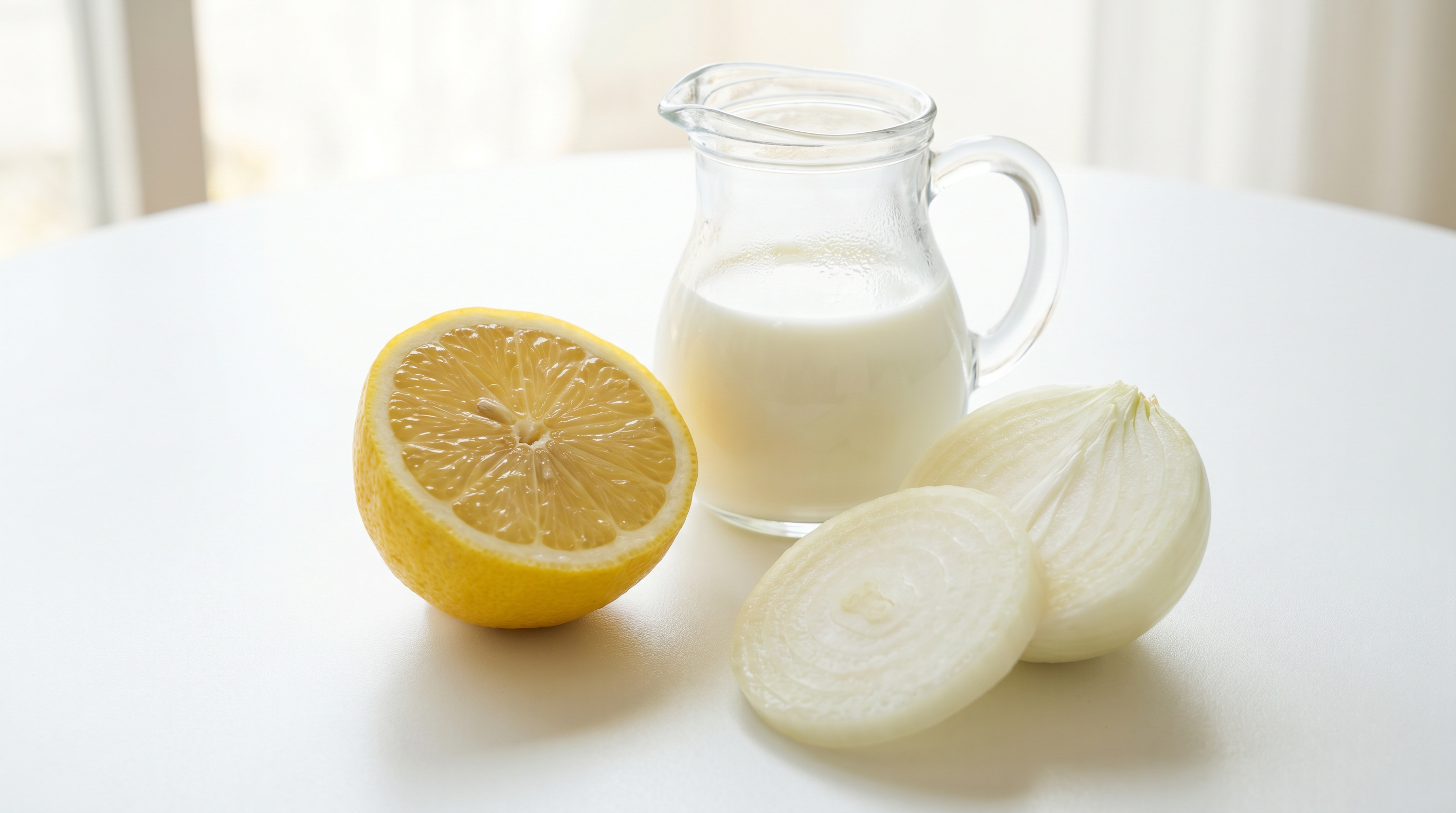
To make this ink, they used common kitchen items like lemon juice, milk, or onion juice. These liquids contain carbon-based compounds that are nearly clear when they dry on paper.
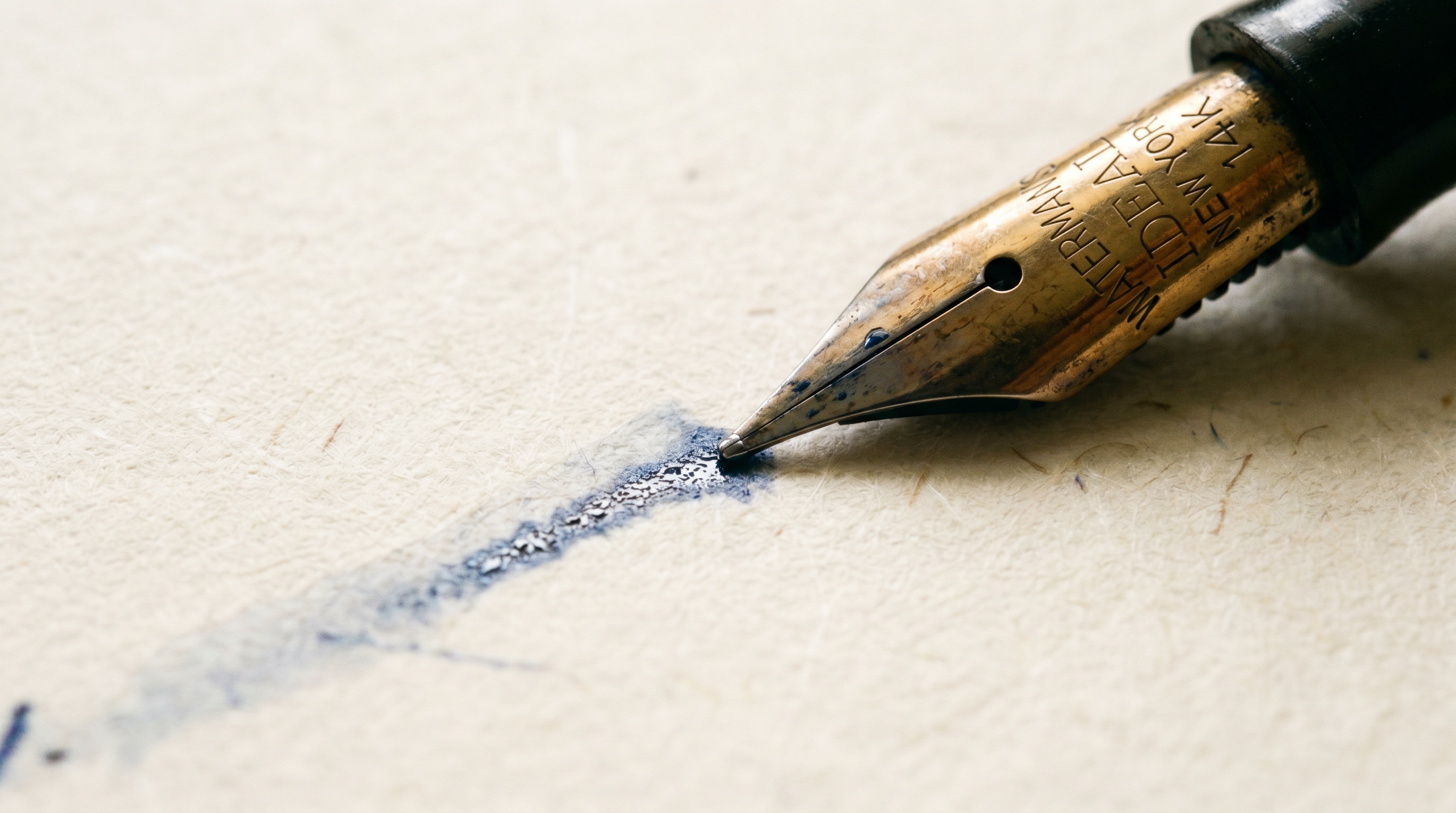
When you write with these liquids, the water evaporates, leaving behind faint organic molecules. These molecules are weak and stay hidden until they meet a source of gentle heat.
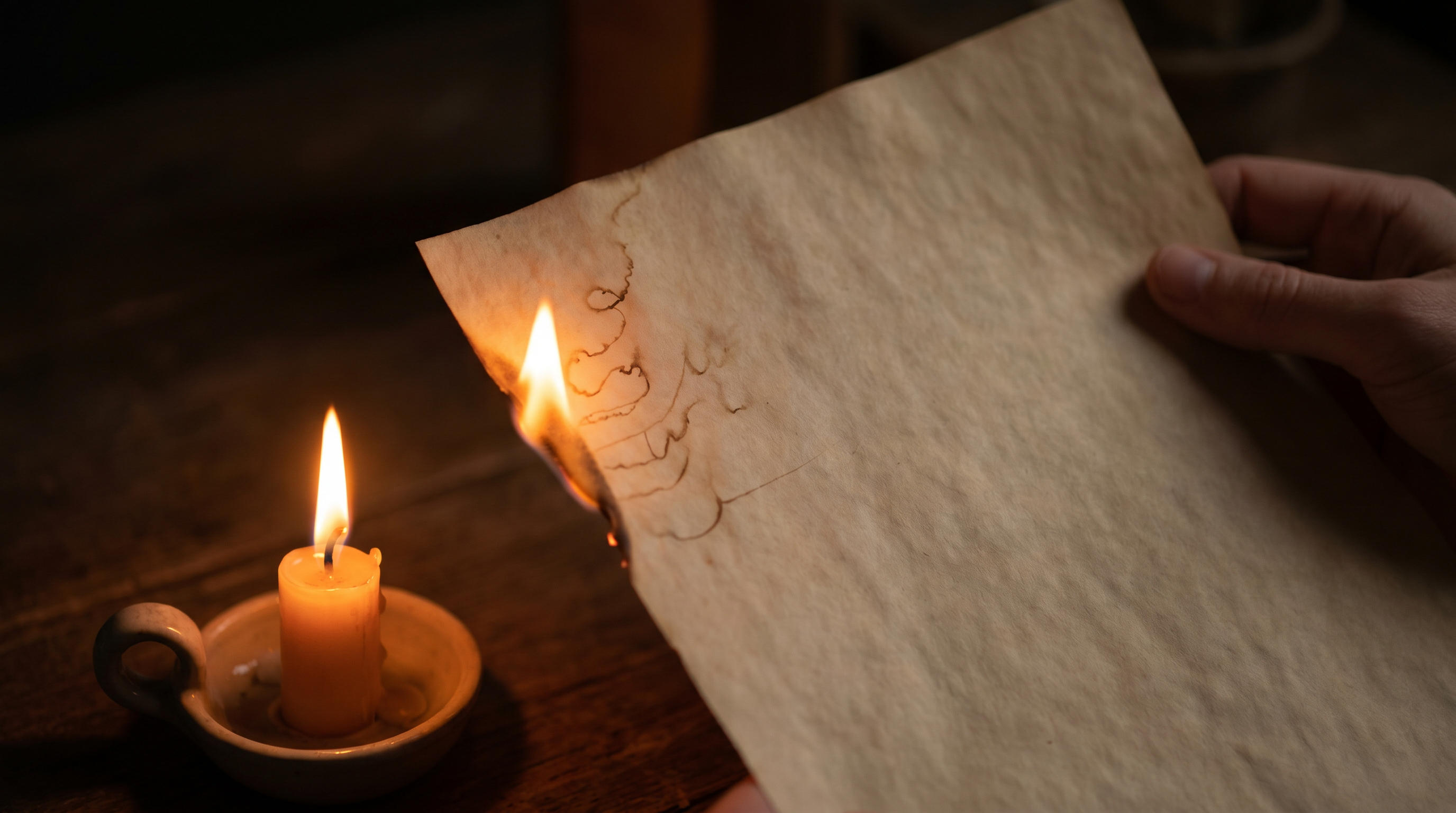
If you hold the paper near a warm candle flame, the heat speeds up a chemical reaction. Why do you think the hidden writing turns brown instead of black or blue?
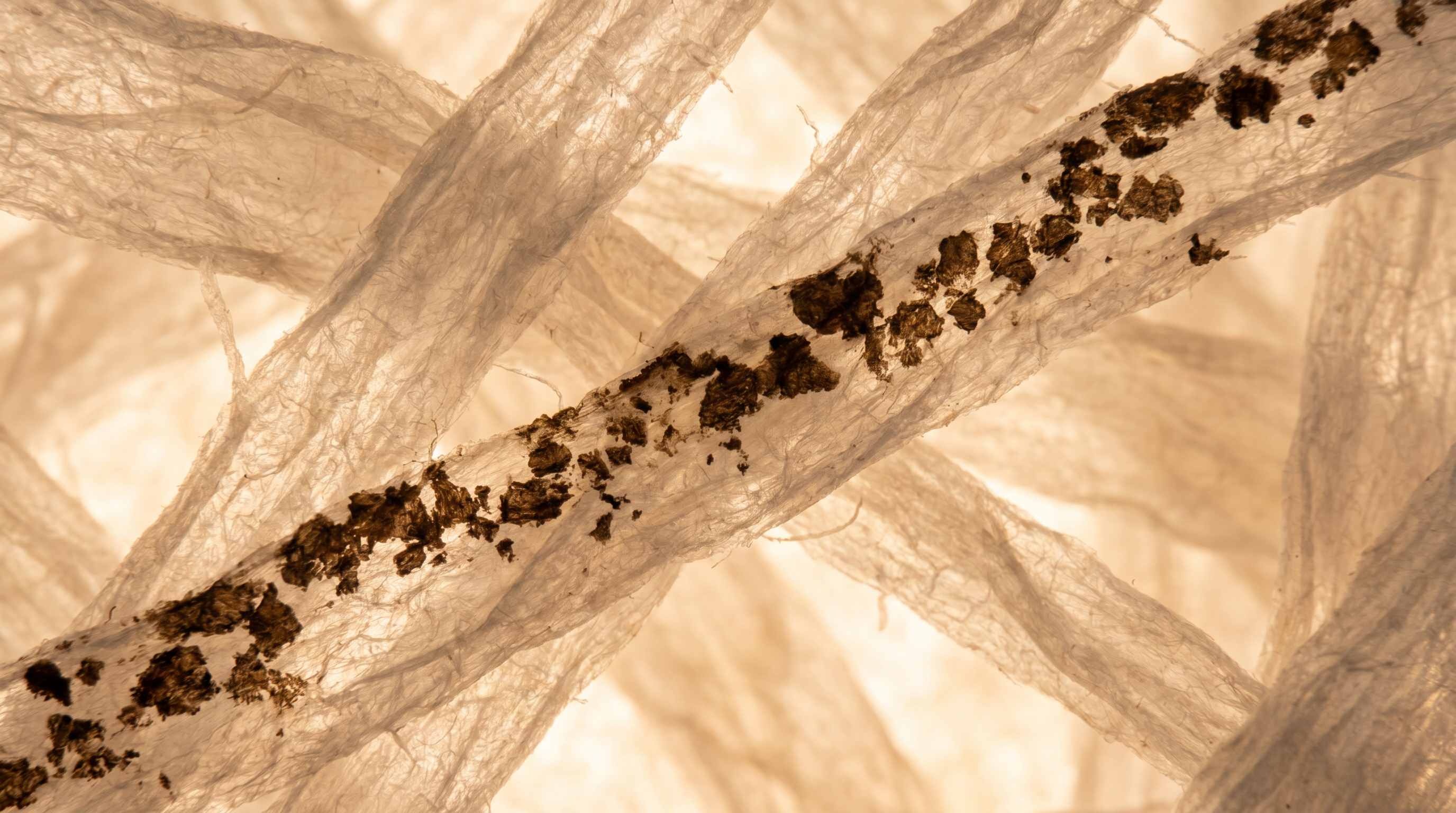
The heat causes the carbon compounds to break down and oxidize. This process turns the invisible compounds into carbon, which appears as dark brown marks on the lighter paper.
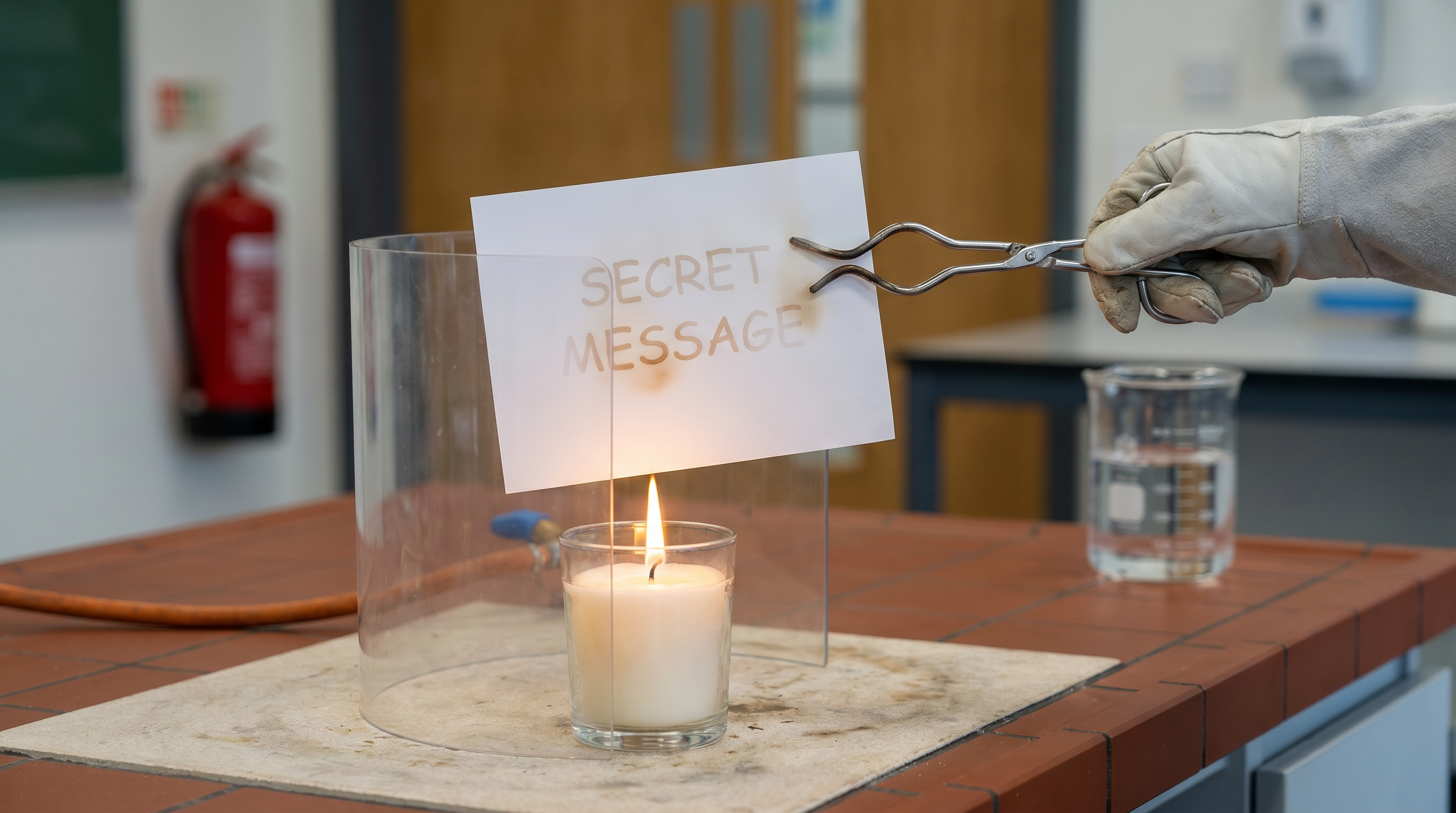
Some think the paper burns to reveal the message, but that is a myth! If the paper actually burns, the message is ruined. Only gentle, careful heat works for revealing secrets.
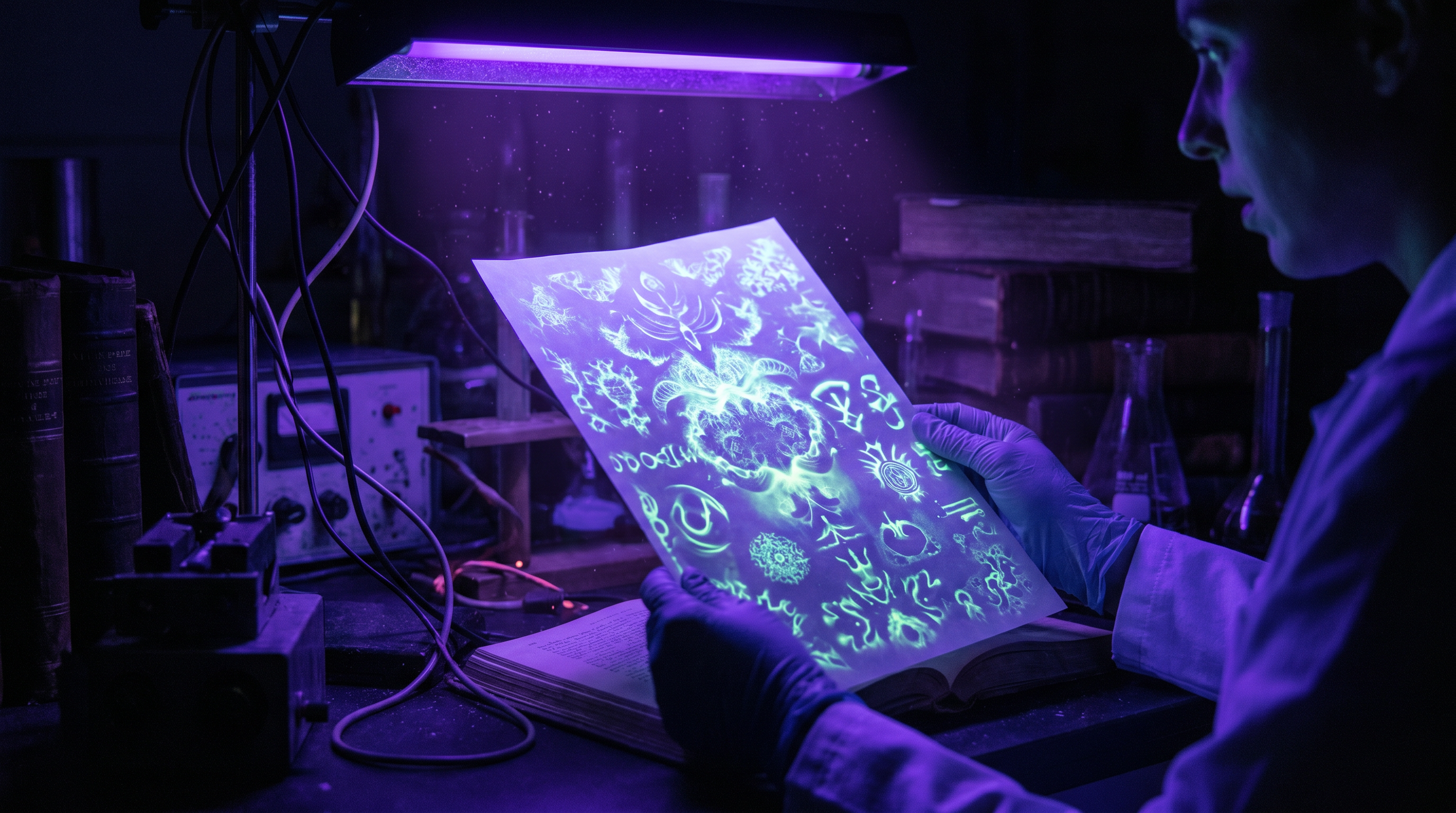
You have mastered the basics of heat-activated chemistry! Now, imagine if we used light instead of heat to reveal messages. Could there be chemicals that react to invisible UV rays?
Describe any idea in a sentence and Remee builds it for you — stories, games and quizzes on whatever you or your class are working on. Free to start, no card needed, and everything you make gets a link you can share anywhere.
Remee turns any idea into an illustrated story, a playable game, or an interactive quiz — at home or in the classroom.