 Lesson
This lesson explores the cognitive abilities of crows, explaining how they process facial features and transmit social knowledge through their communities.
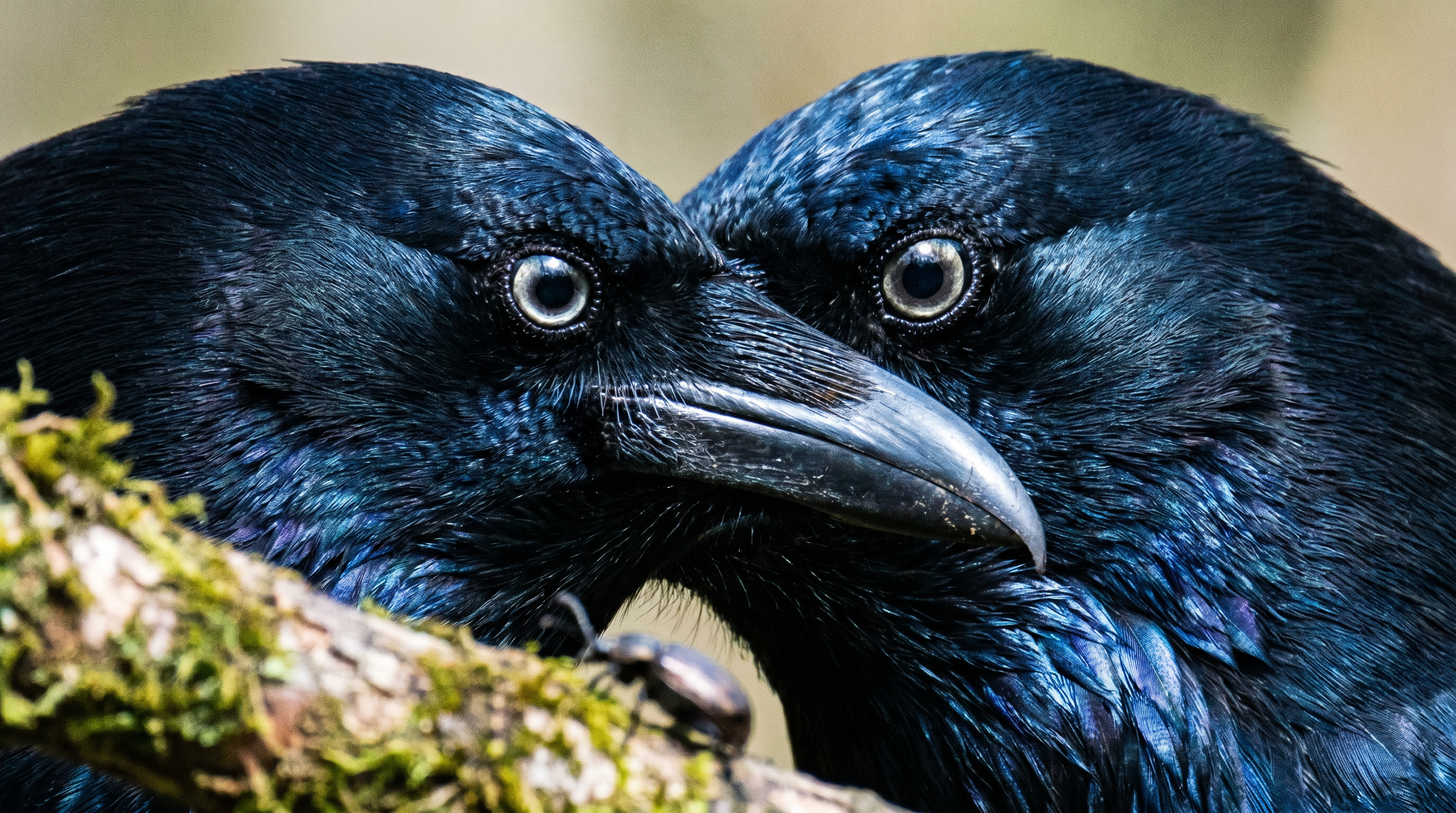
Have you ever wondered if a bird recognizes you? Crows possess remarkable cognitive abilities, allowing them to distinguish individual human faces and remember them for many years after an encounter.
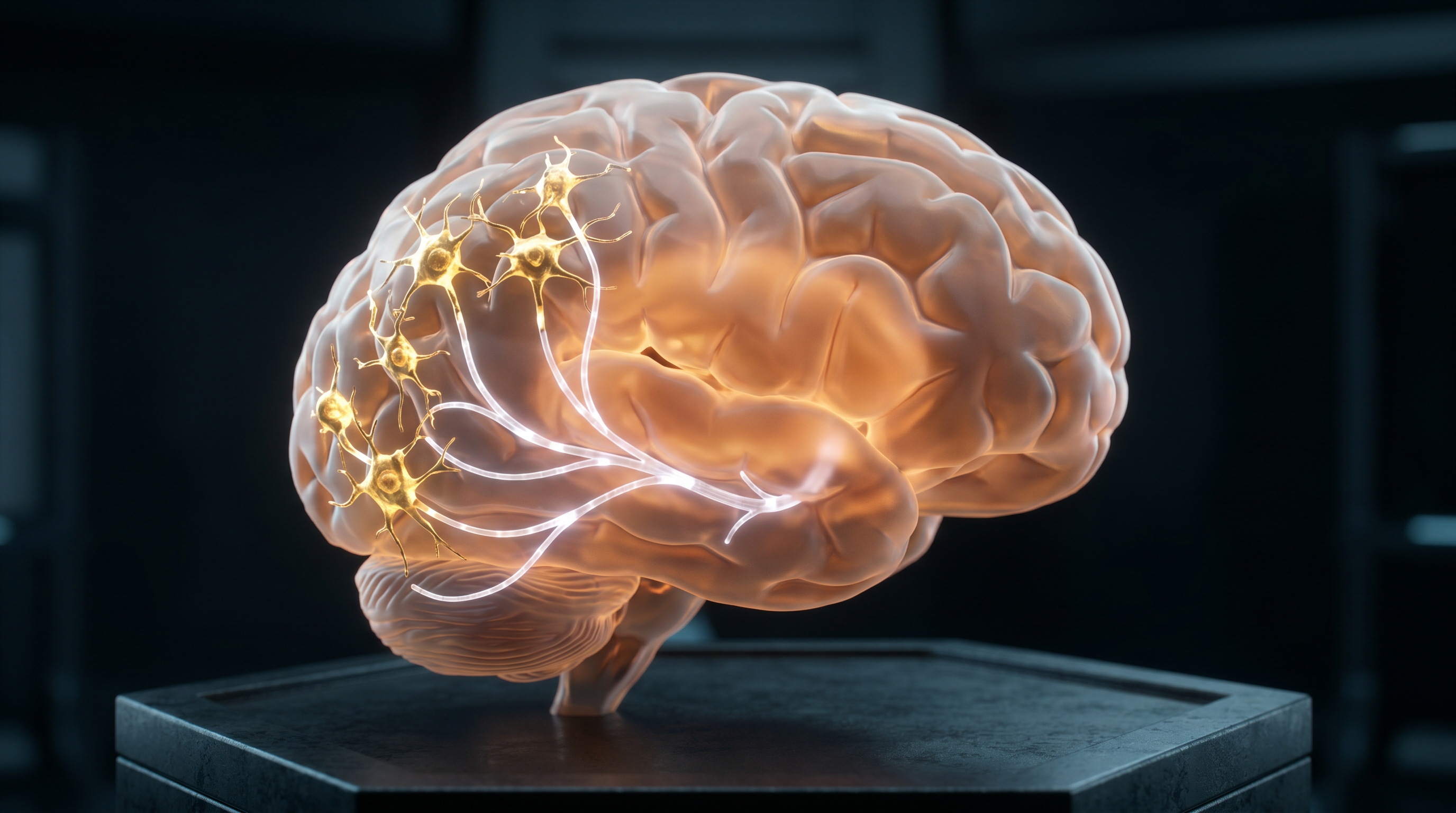
Crows process visual information through specialized brain regions similar to the human temporal lobe. They focus on complex features like eye shape and skin texture to create a detailed memory.

When a crow perceives a threat, it releases stress hormones that strengthen the memory. This ensures the bird can quickly identify and avoid a potential danger in the future.
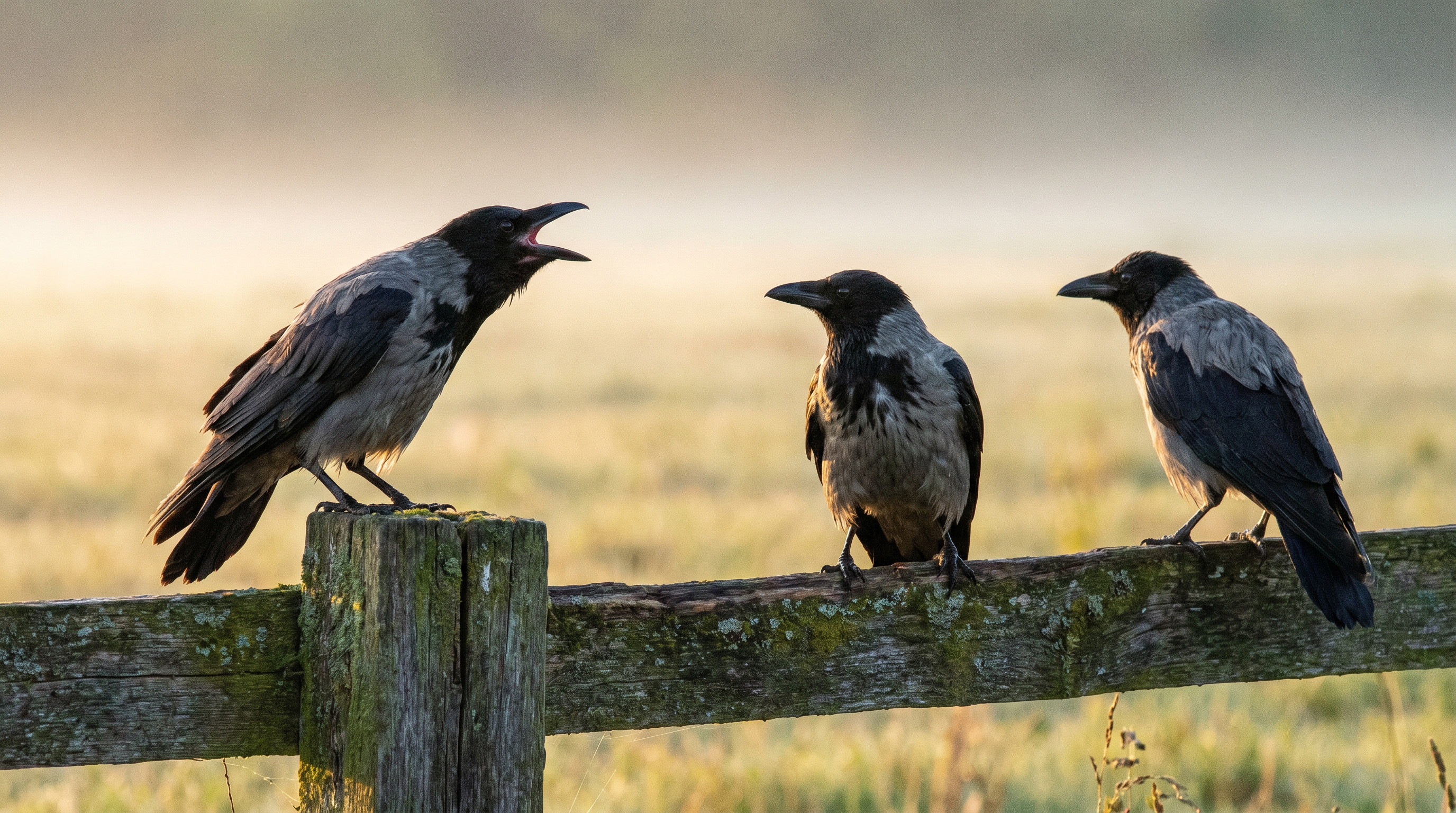
Observe a flock of crows in a park. If one bird gives a loud, sharp alarm call, do others join in? Why might they react to a sound they haven't experienced personally?
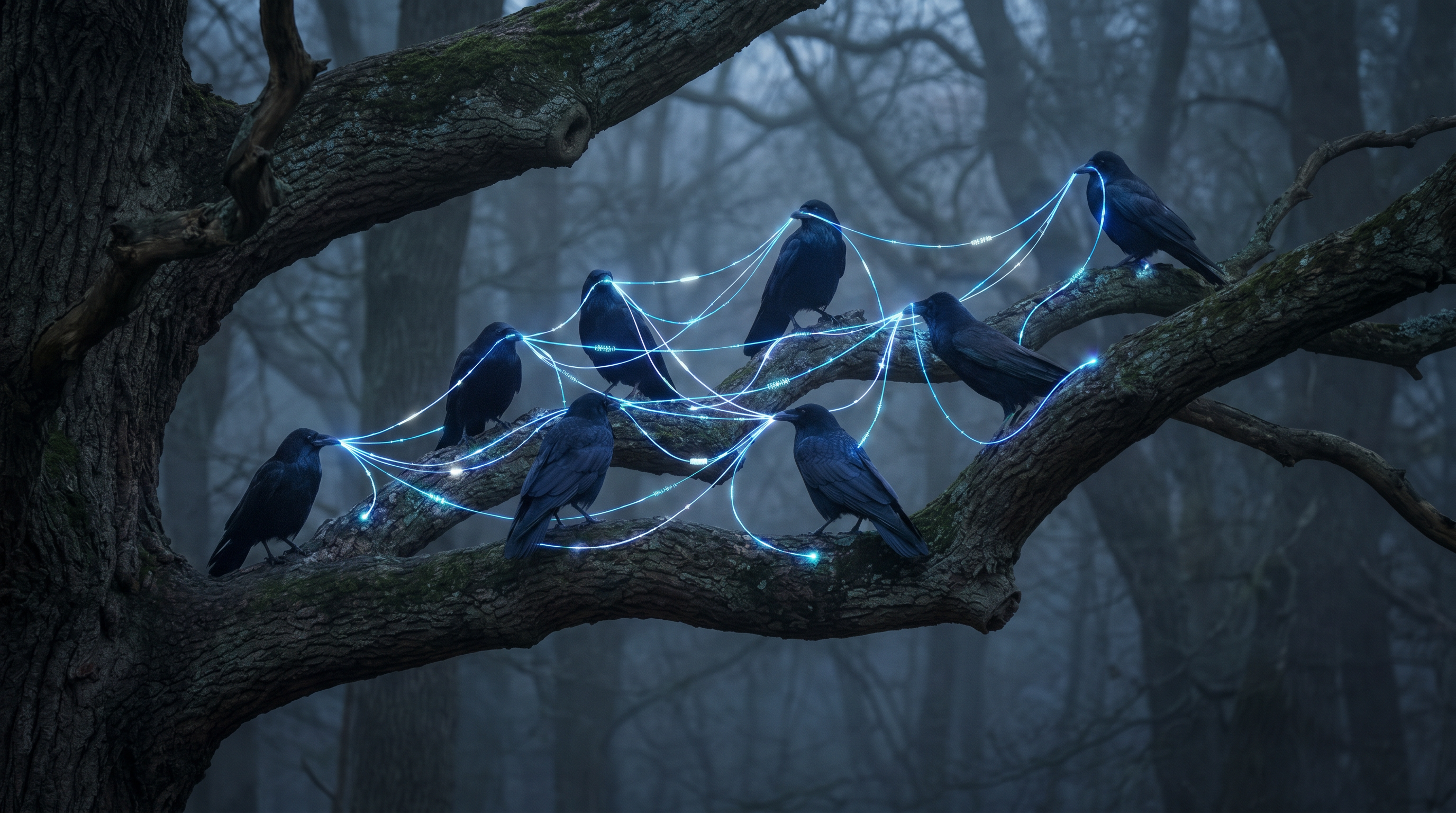
Crows use social learning to pass information. When a crow identifies a threat, it communicates this to others through specific vocalizations and body movements, effectively teaching the entire local flock.
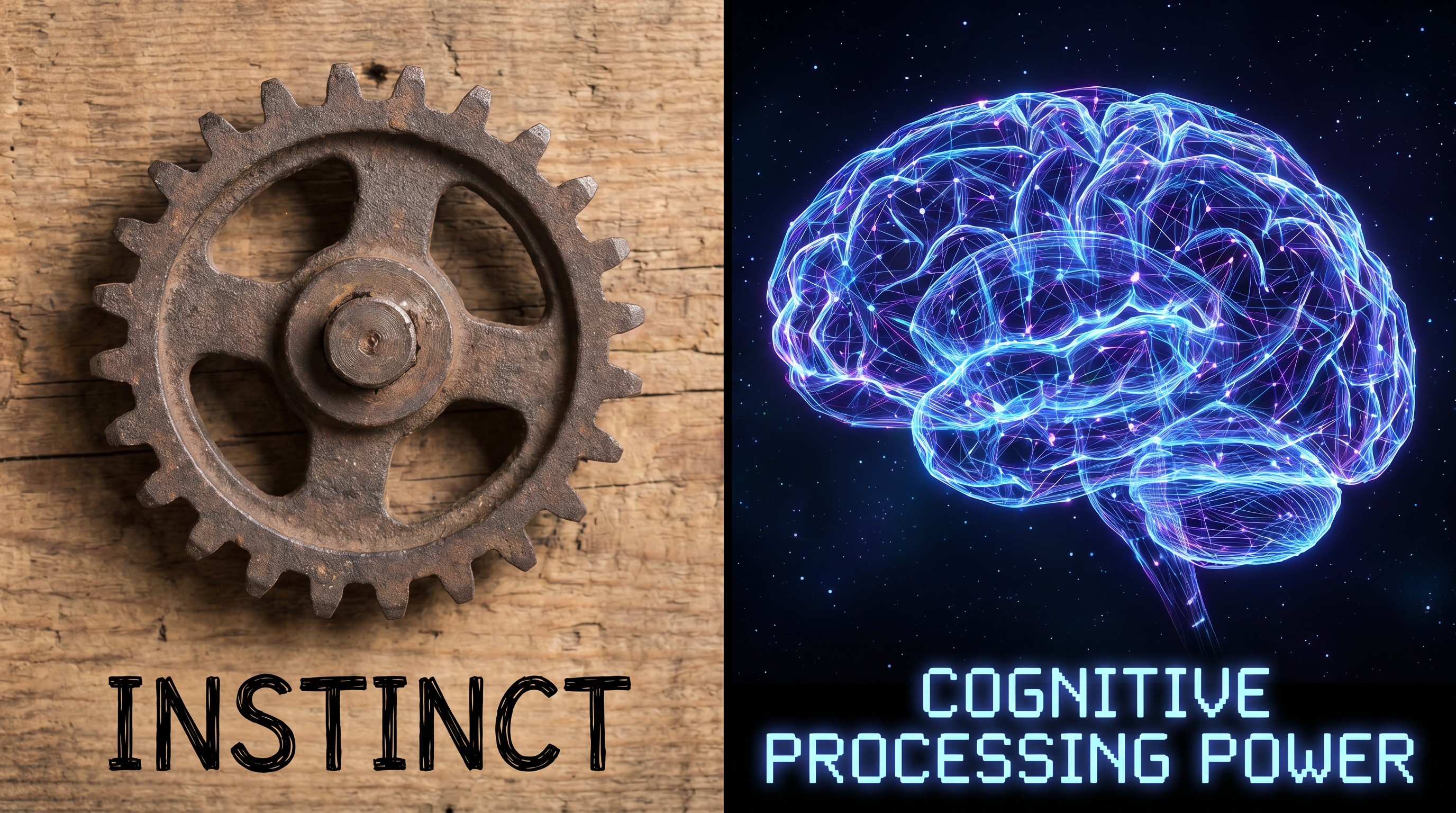
It is a common myth that crows only possess simple instinctual reactions. In reality, they use complex cognitive processing to evaluate social status and identify individuals within their environment.

Crows remember faces, warn their friends, and share knowledge across generations. But if they can pass information to their kin, how much of their culture is actually learned versus instinctual?
Describe any idea in a sentence and Remee builds it for you — stories, games and quizzes on whatever you or your class are working on. Free to start, no card needed, and everything you make gets a link you can share anywhere.
Remee turns any idea into an illustrated story, a playable game, or an interactive quiz — at home or in the classroom.