 Lesson
This lesson explores the diffusion model, showing how systems learn to identify patterns within noise to reconstruct clear, meaningful visual information.
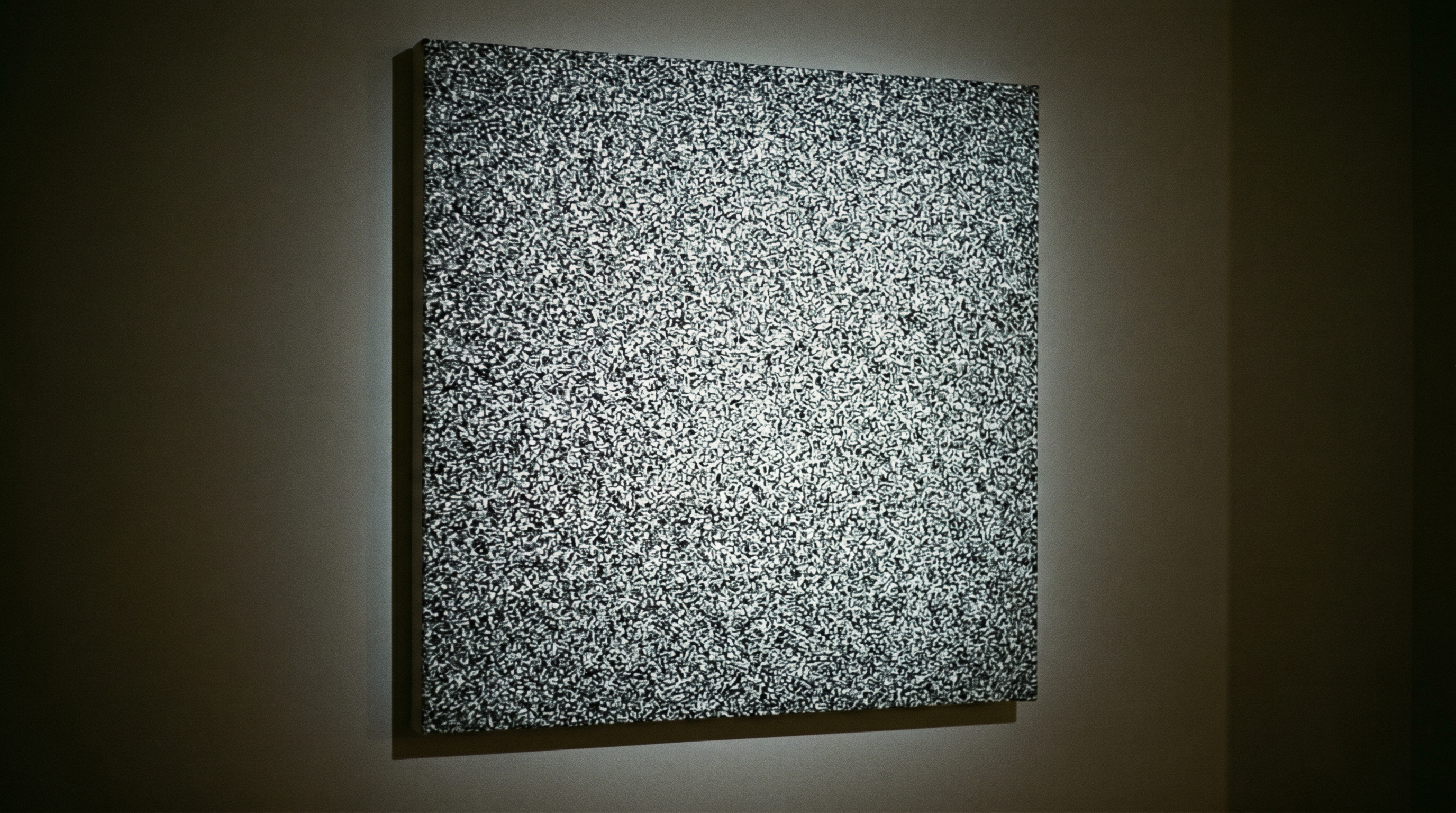
Have you ever wondered how a computer turns a simple text prompt into a stunning visual? It starts with chaos—pure, random static that holds the hidden potential of every possible image.
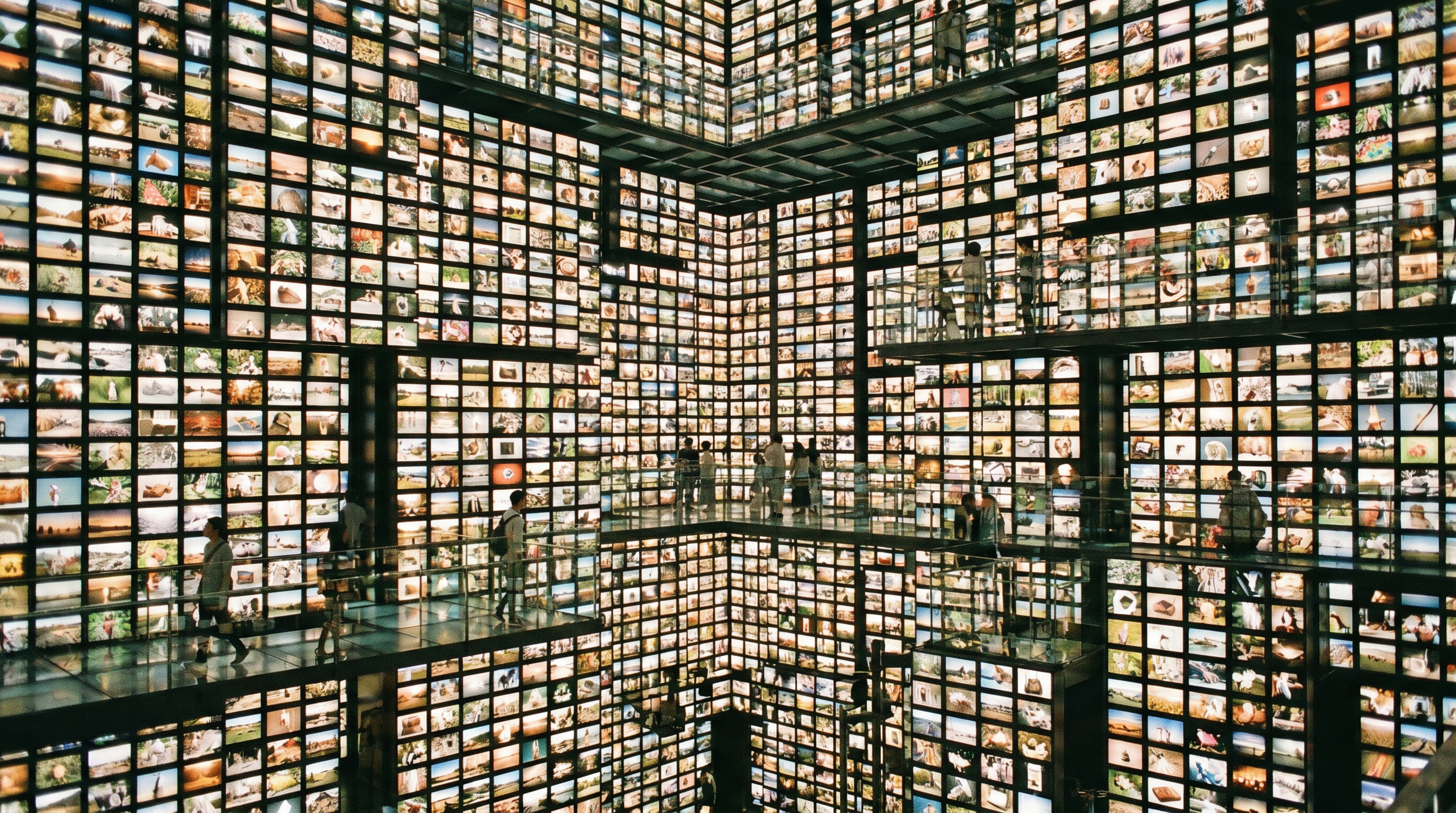
These systems don't just 'draw.' They have spent years squinting at billions of internet images, learning the statistical relationship between specific words and the patterns of light and color.
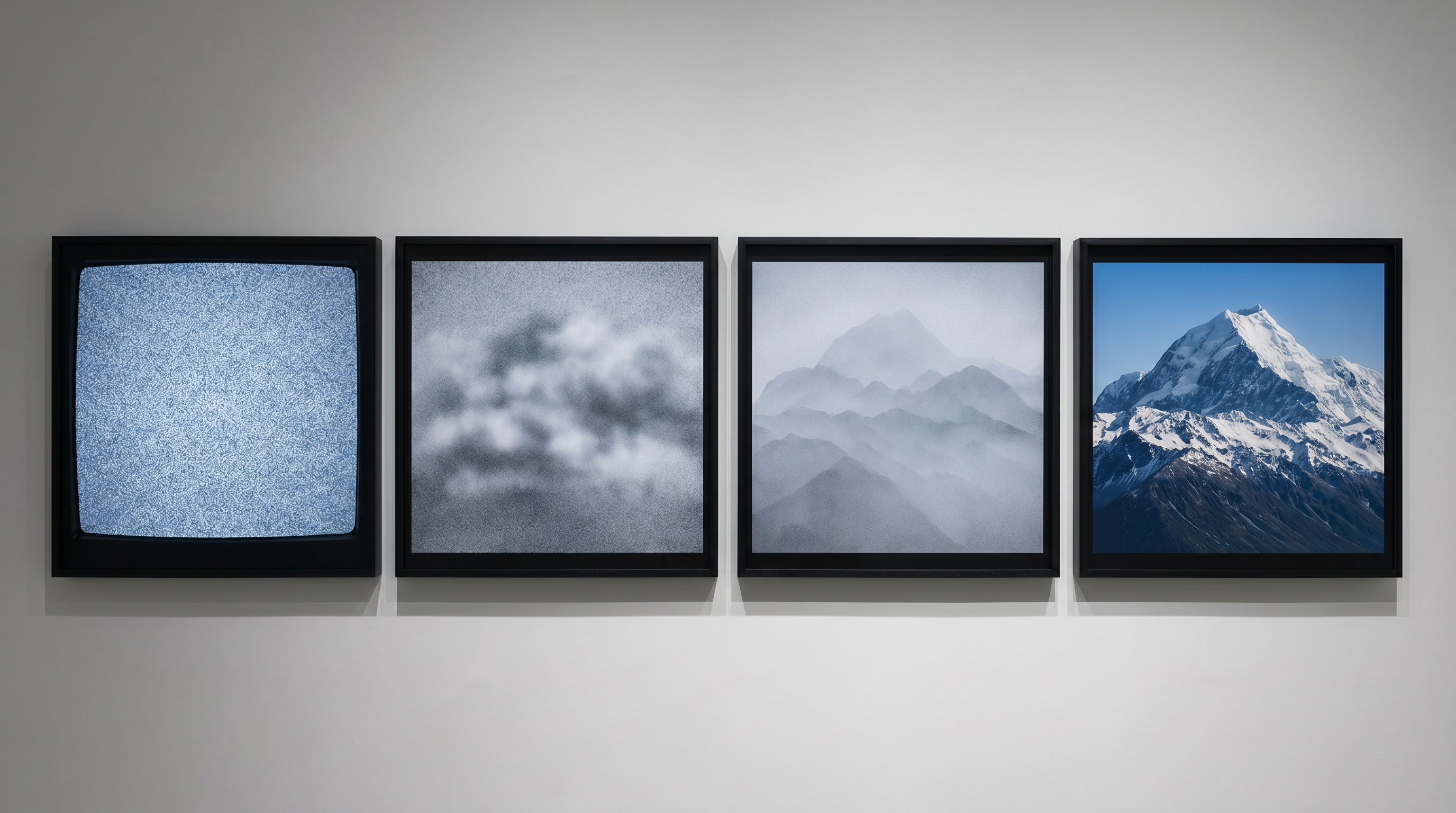
When you give a prompt, the system looks at that static and asks, 'What part of this noise looks like a mountain?' It then performs a process called denoising to refine it.
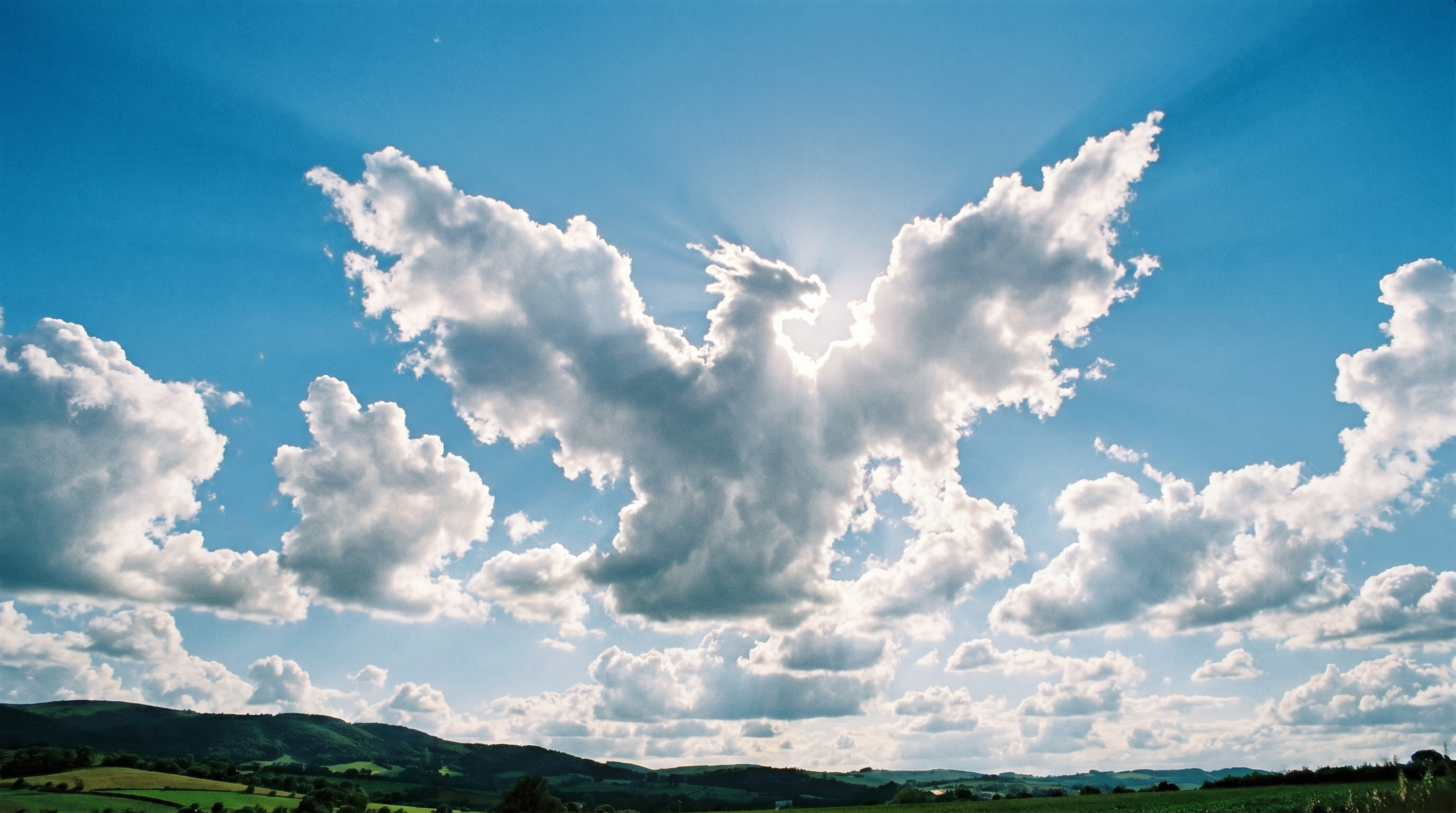
Think about looking at clouds and seeing shapes. If you stared at a cloud long enough, could you force your brain to see a dragon? How does your mind organize random patterns?
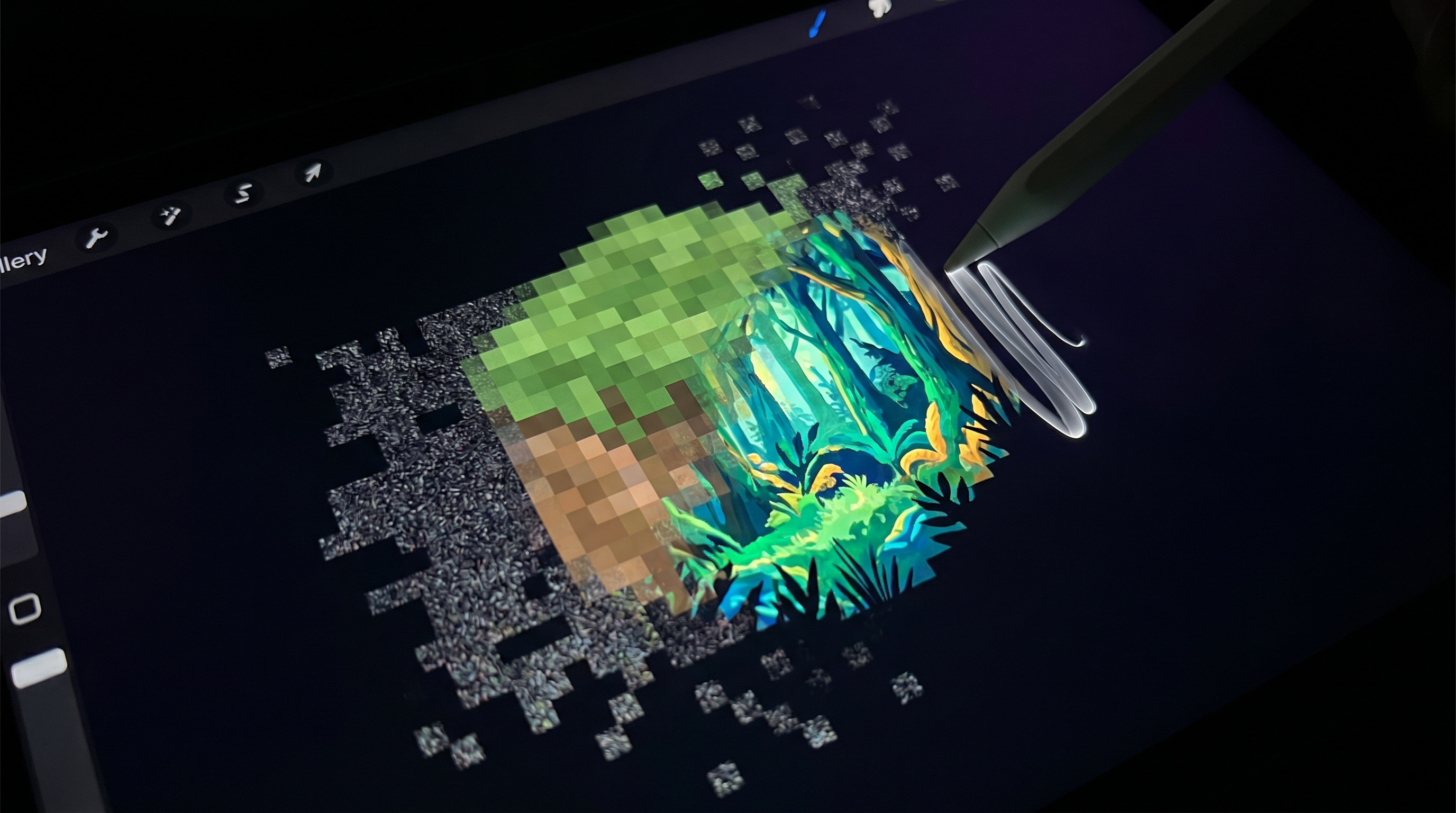
This mimics how we recognize objects in reality. By iteratively removing noise, the system gradually brings a clear, coherent subject into focus, guided entirely by the data it previously studied.
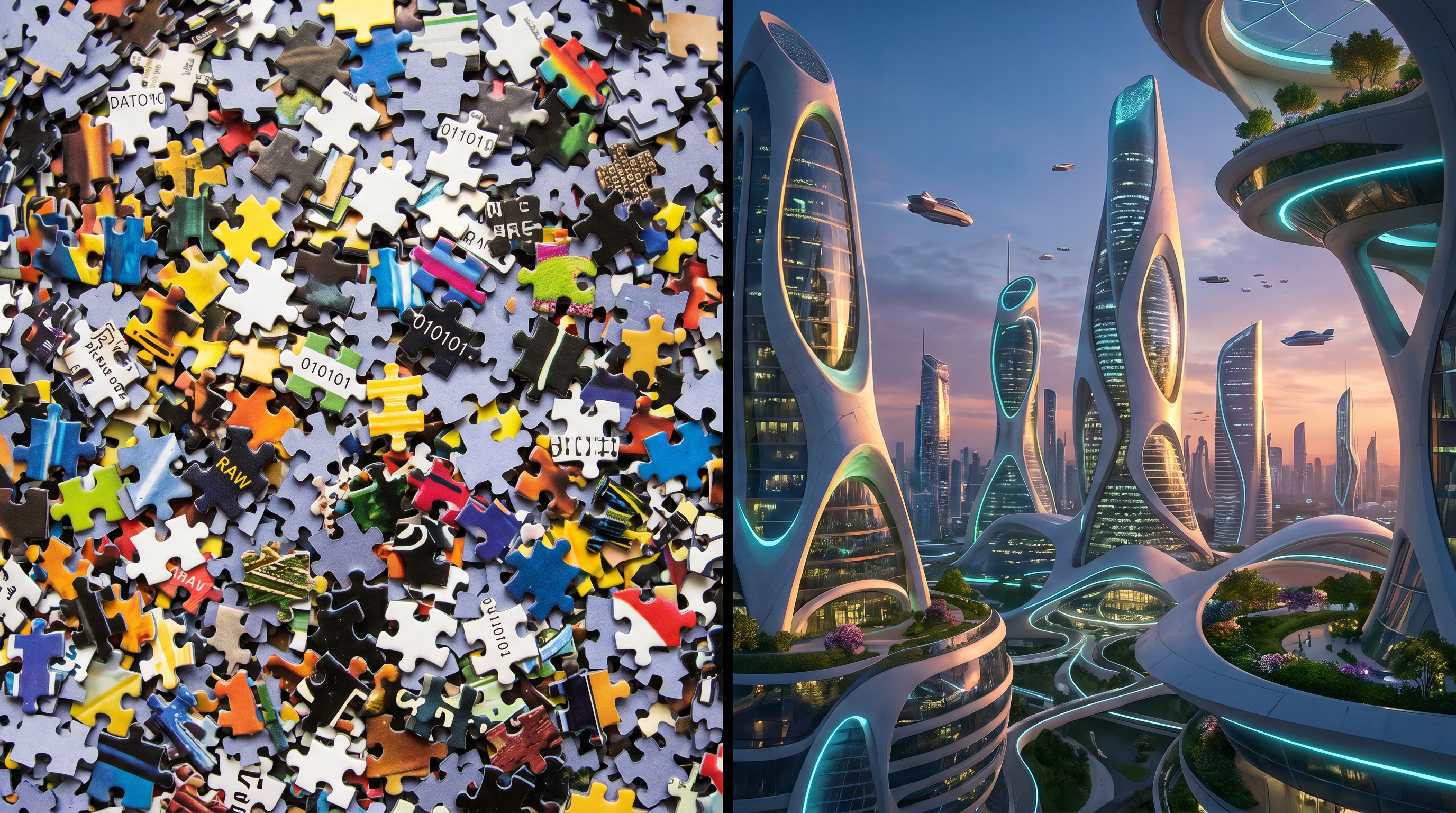
A common misconception is that these machines are 'copy-pasting' existing photos. In truth, they are synthesizing something entirely new by calculating the most probable pixel arrangement for your specific request.
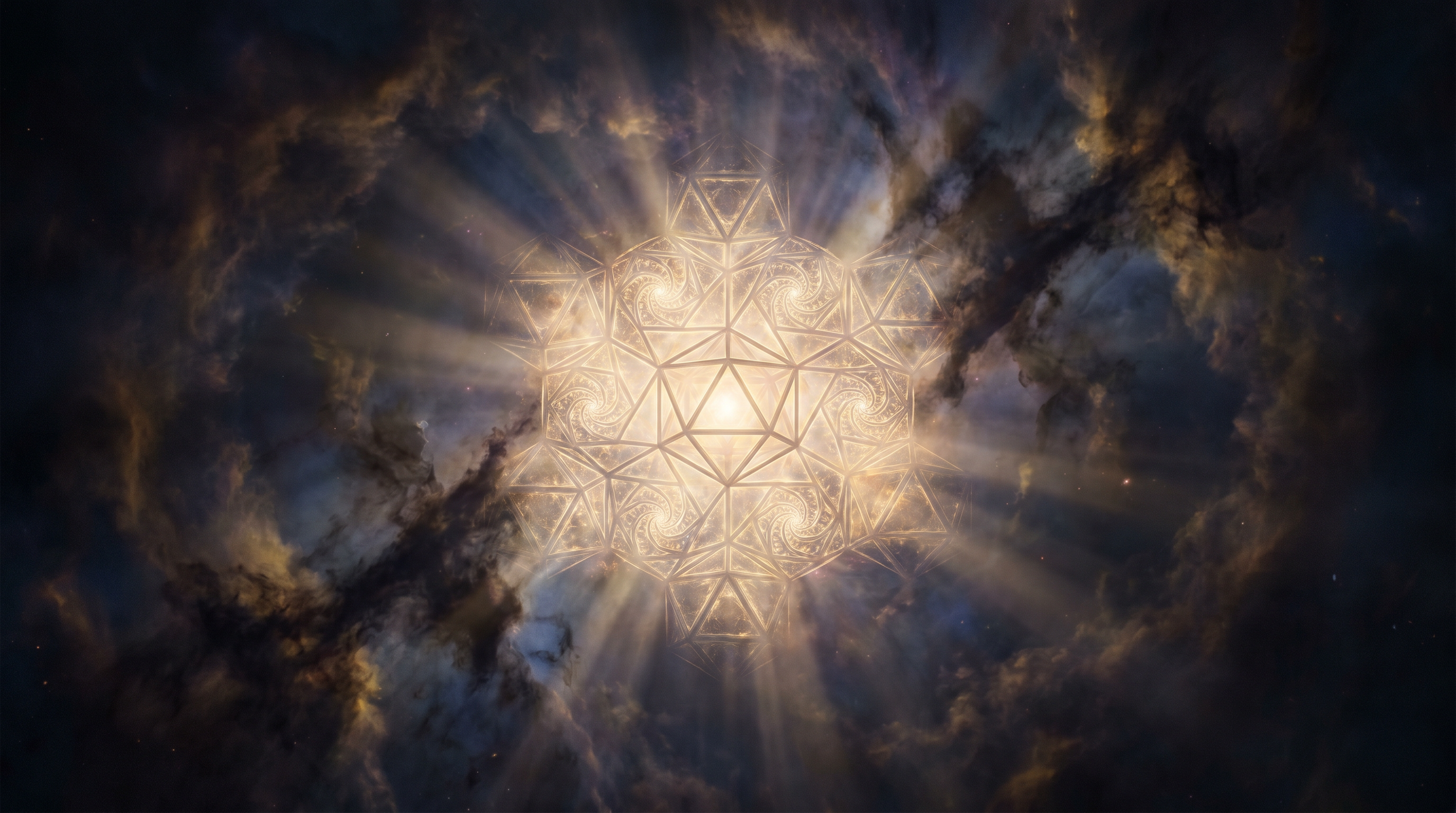
You have learned that images emerge from noise through iterative refinement. But if these systems learn from our own visual history, what happens to human creativity? That is the next mystery.
Describe any idea in a sentence and Remee builds it for you — stories, games and quizzes on whatever you or your class are working on. Free to start, no card needed, and everything you make gets a link you can share anywhere.
Remee turns any idea into an illustrated story, a playable game, or an interactive quiz — at home or in the classroom.