 Lesson
This lesson explores the biological breakdown and rebuilding process during metamorphosis, highlighting the role of imaginal cells and current scientific mysteries.
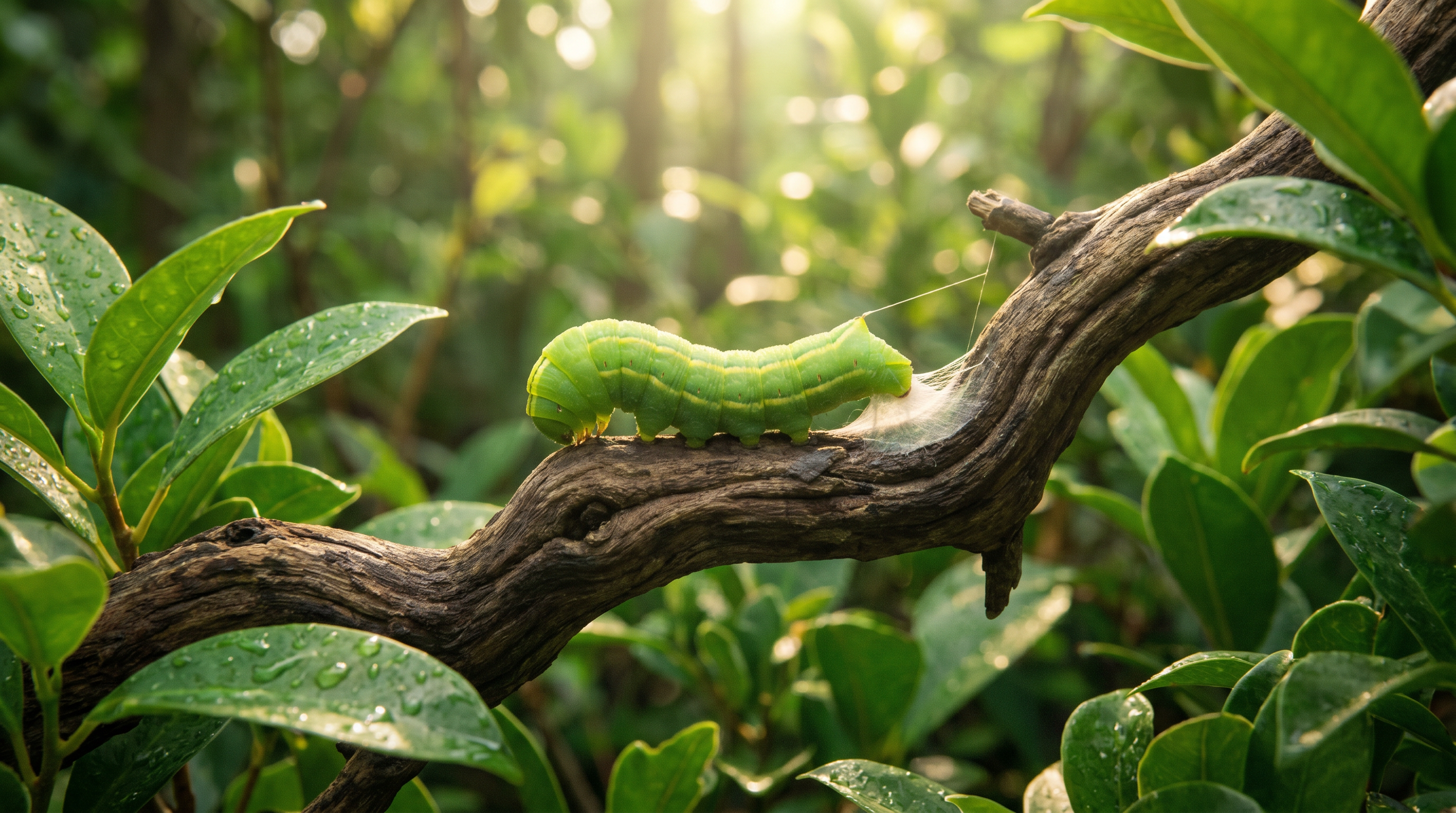
Have you ever wondered how a crawling caterpillar turns into a flying butterfly? It starts when the caterpillar builds a protective home called a chrysalis to begin a deep change.
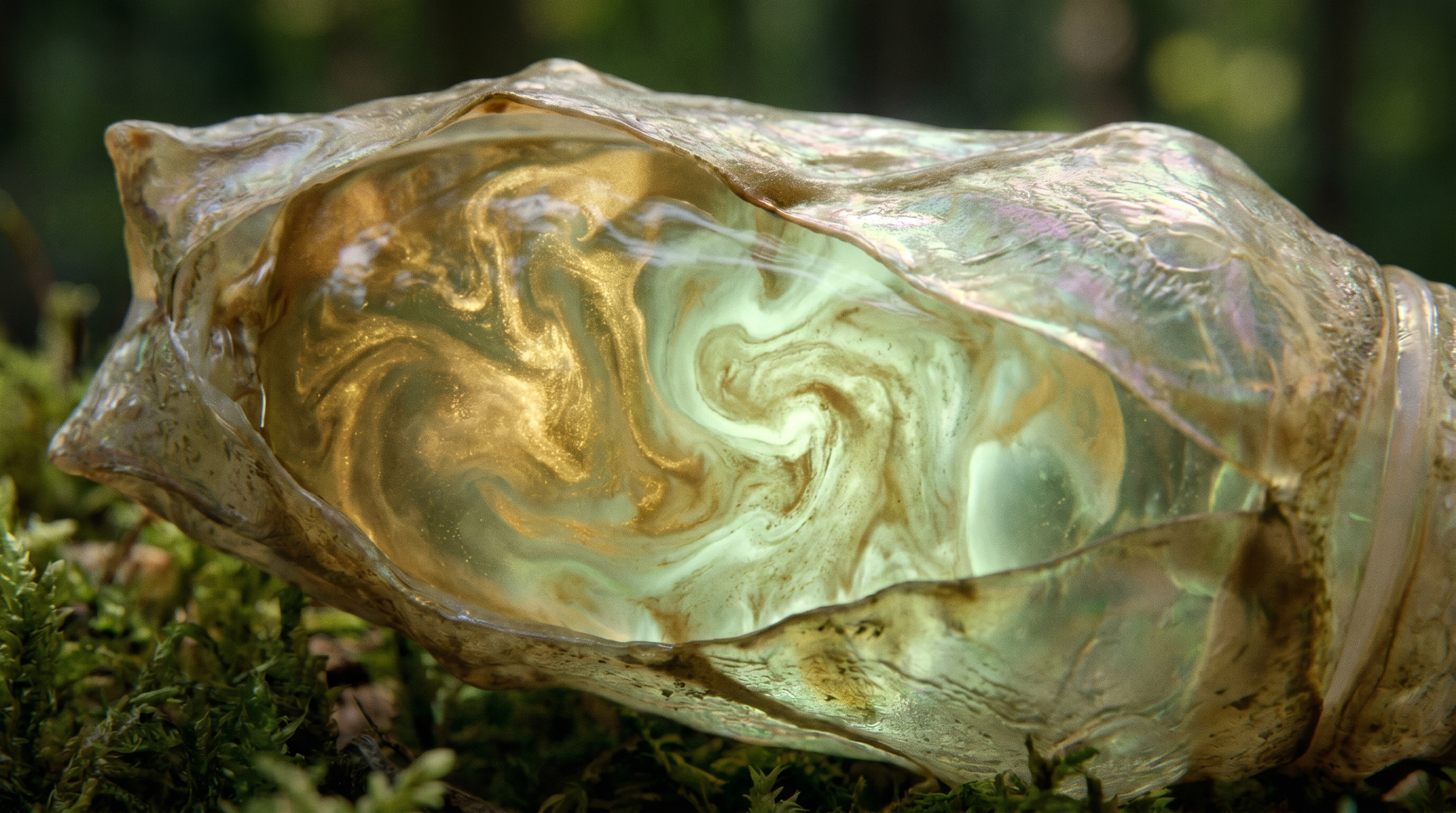
Inside, the caterpillar releases special juices that break down its own body. It turns into a nutrient-rich liquid, essentially becoming a soup of cells that are ready to rebuild.
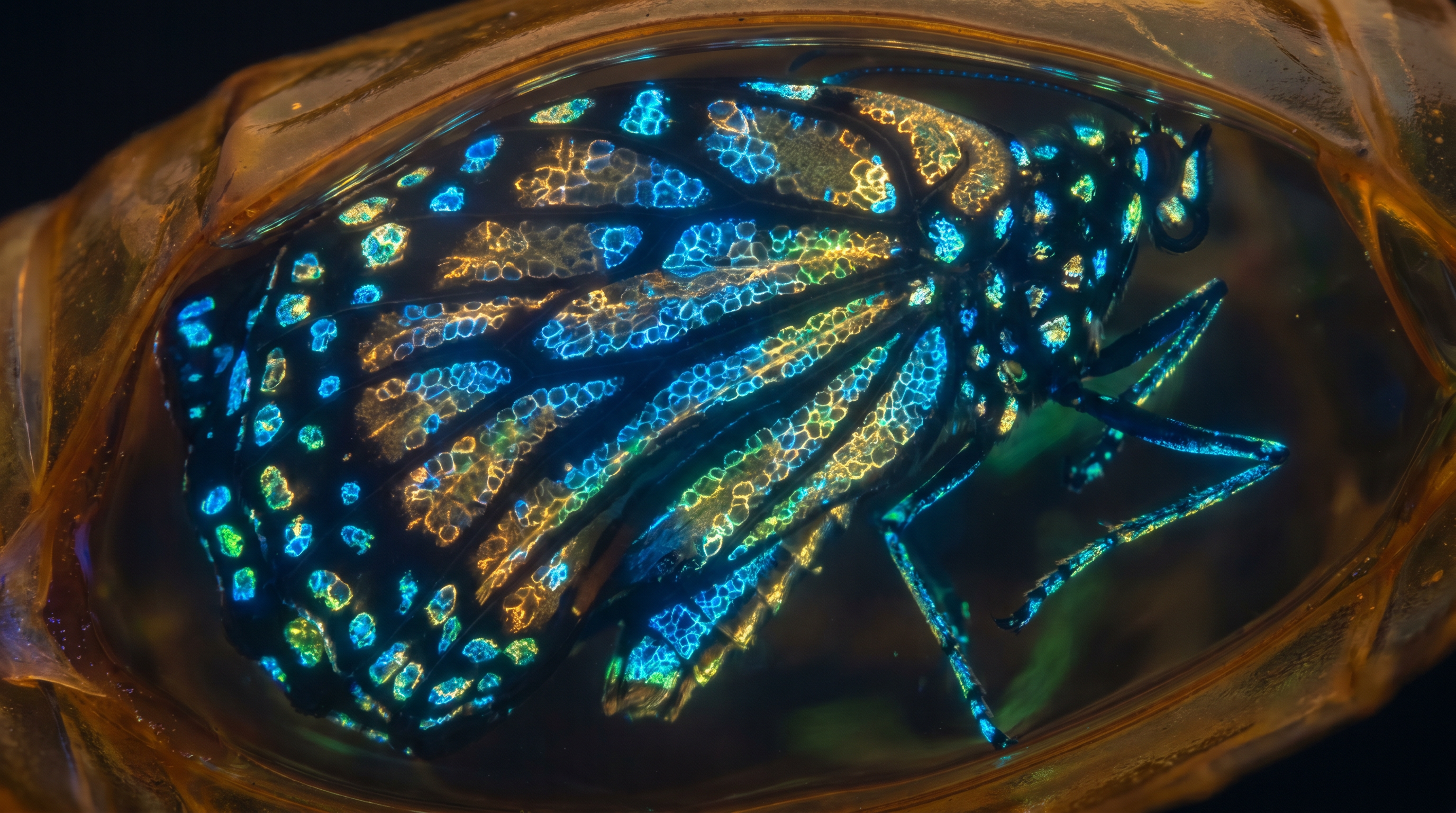
Tiny groups of cells called imaginal discs survive this melting process. These discs act like blueprints, using the liquid nutrients to grow into wings, legs, and antennas for the butterfly.
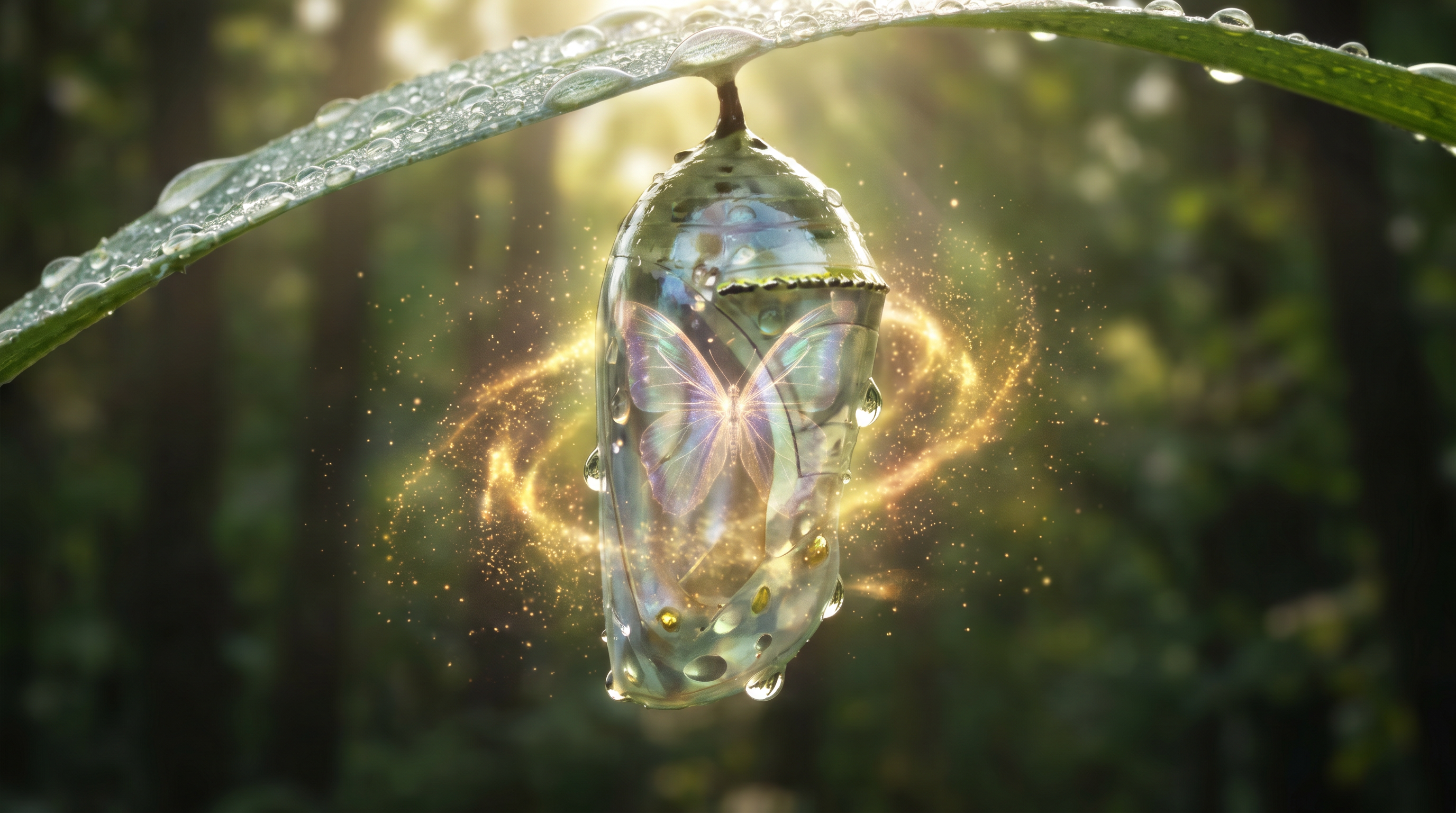
If a caterpillar turns into liquid, how does it remember being a caterpillar? Scientists have found that some memories might survive this change. What do you think a butterfly remembers?
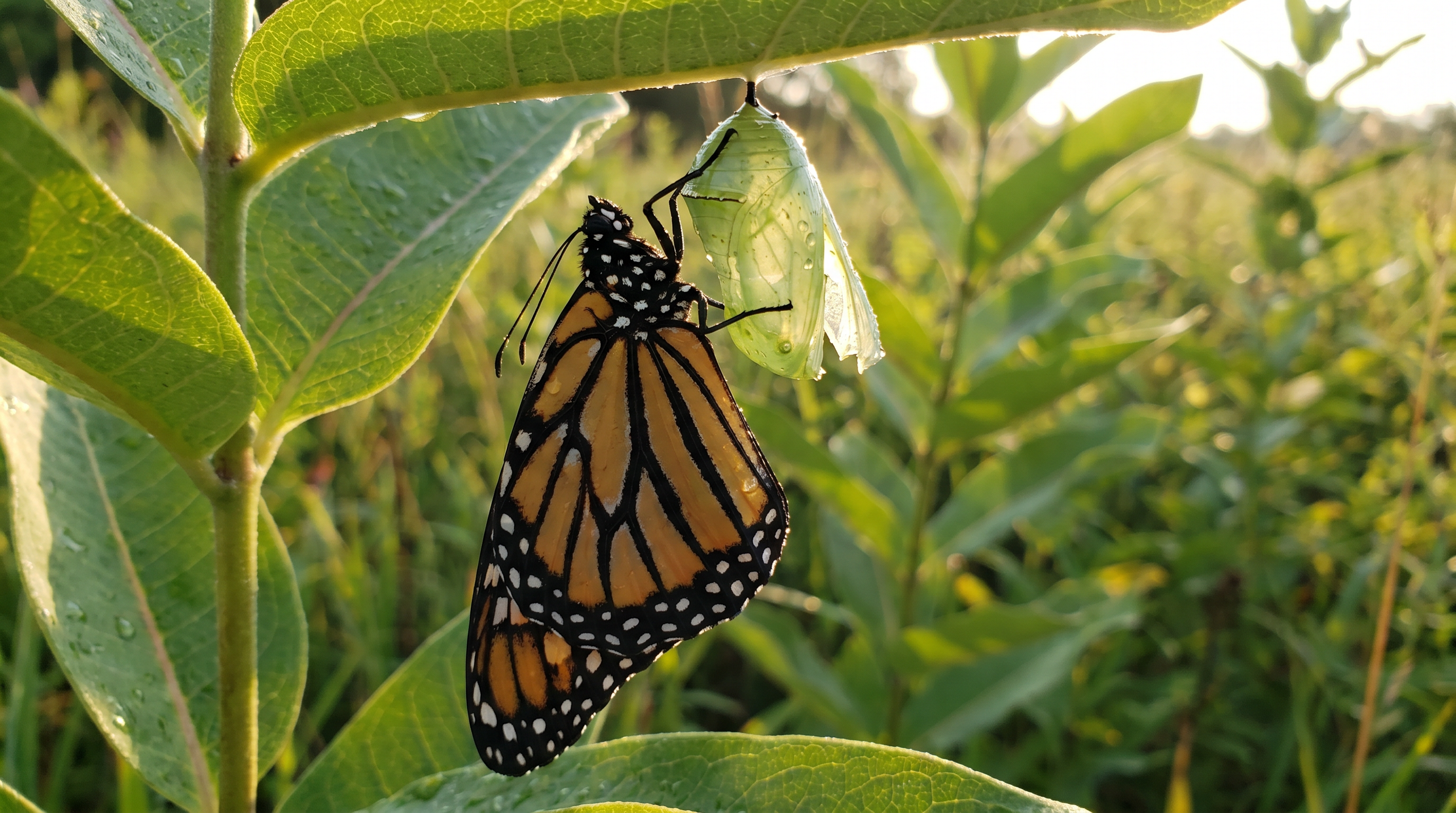
This process is called metamorphosis. We see it in nature when butterflies emerge with wet wings, pumping fluid through their veins until they are strong enough to take flight.
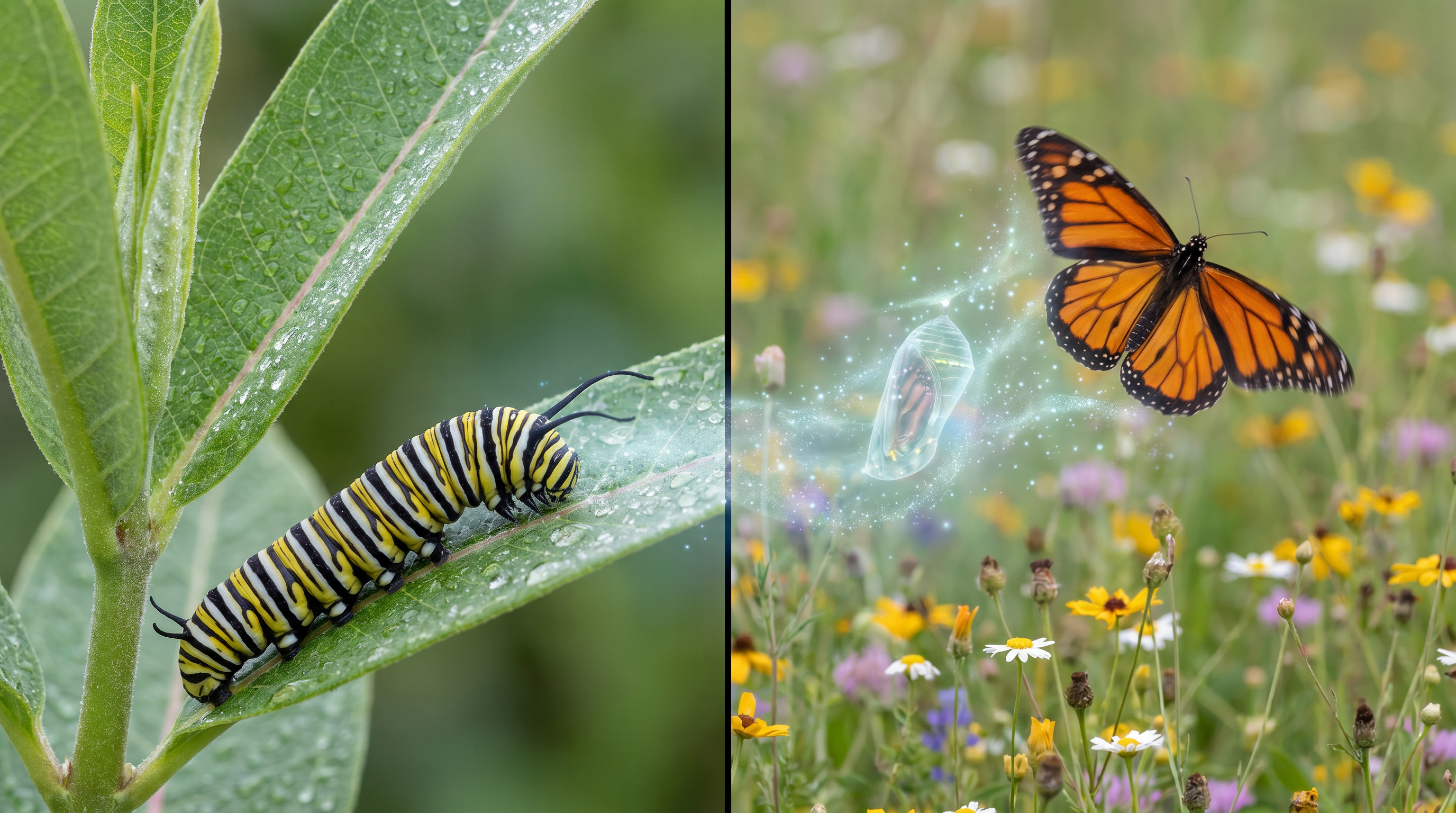
Some people think a caterpillar grows wings while it is still a caterpillar. Actually, the old body is completely recycled into new parts, making the butterfly a brand new creation.
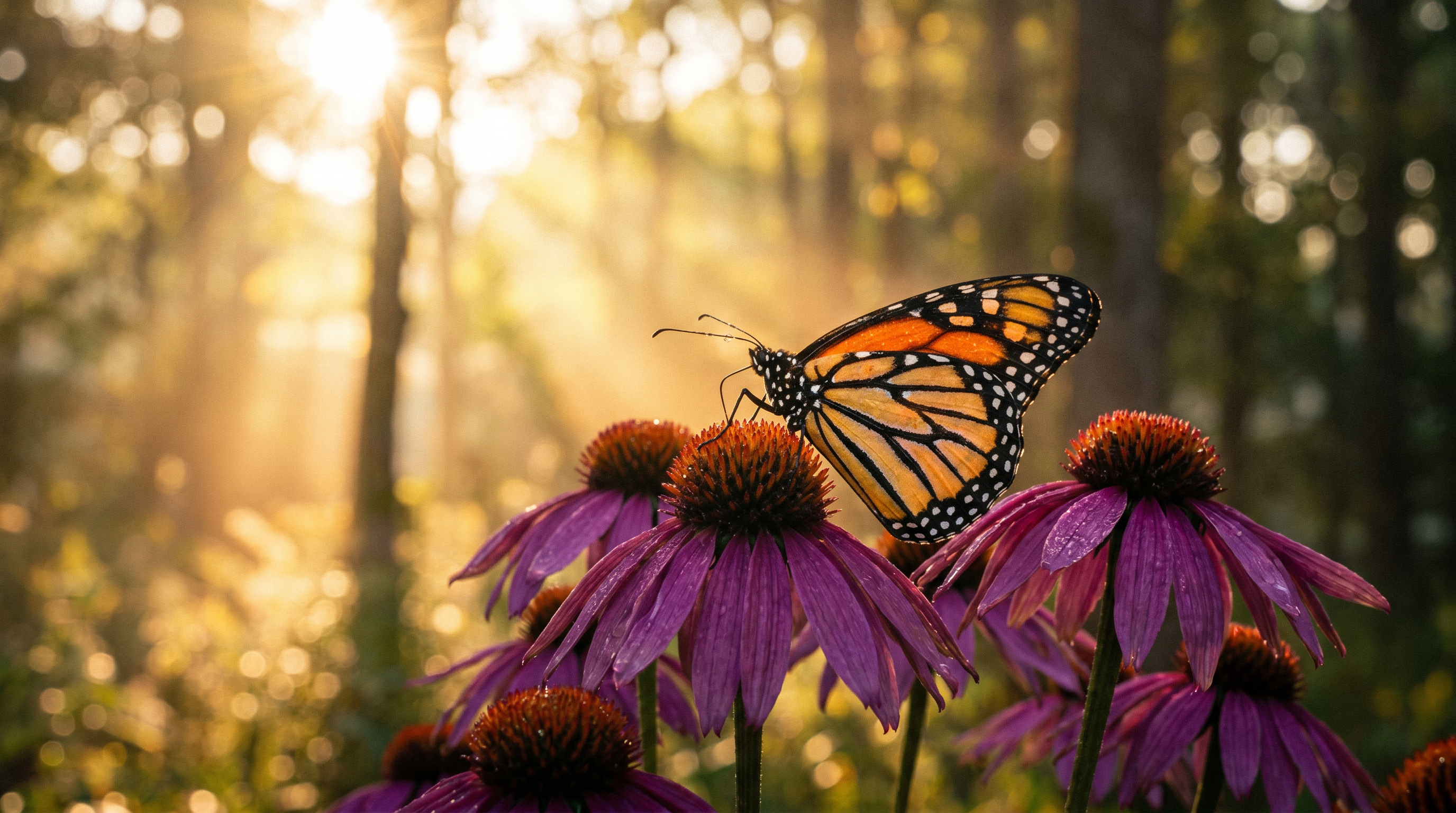
You have learned that metamorphosis is a total rebuild, not just a growth spurt! Scientists are still studying how cells know exactly what to build. What other secrets hide in nature?
Describe any idea in a sentence and Remee builds it for you — stories, games and quizzes on whatever you or your class are working on. Free to start, no card needed, and everything you make gets a link you can share anywhere.
Remee turns any idea into an illustrated story, a playable game, or an interactive quiz — at home or in the classroom.