 Lesson
This lesson explores how sunflowers use light-sensing cells and internal biological clocks to follow the sun and reset their position each night.

Have you ever noticed sunflowers turning their heads to follow the bright light of the sun? It is like they are dancing across the field from dawn until dusk every day.

This movement is called heliotropism. The plant uses special cells in its stem to sense the intensity of light, helping the sunflower track the sun's path across the clear sky.
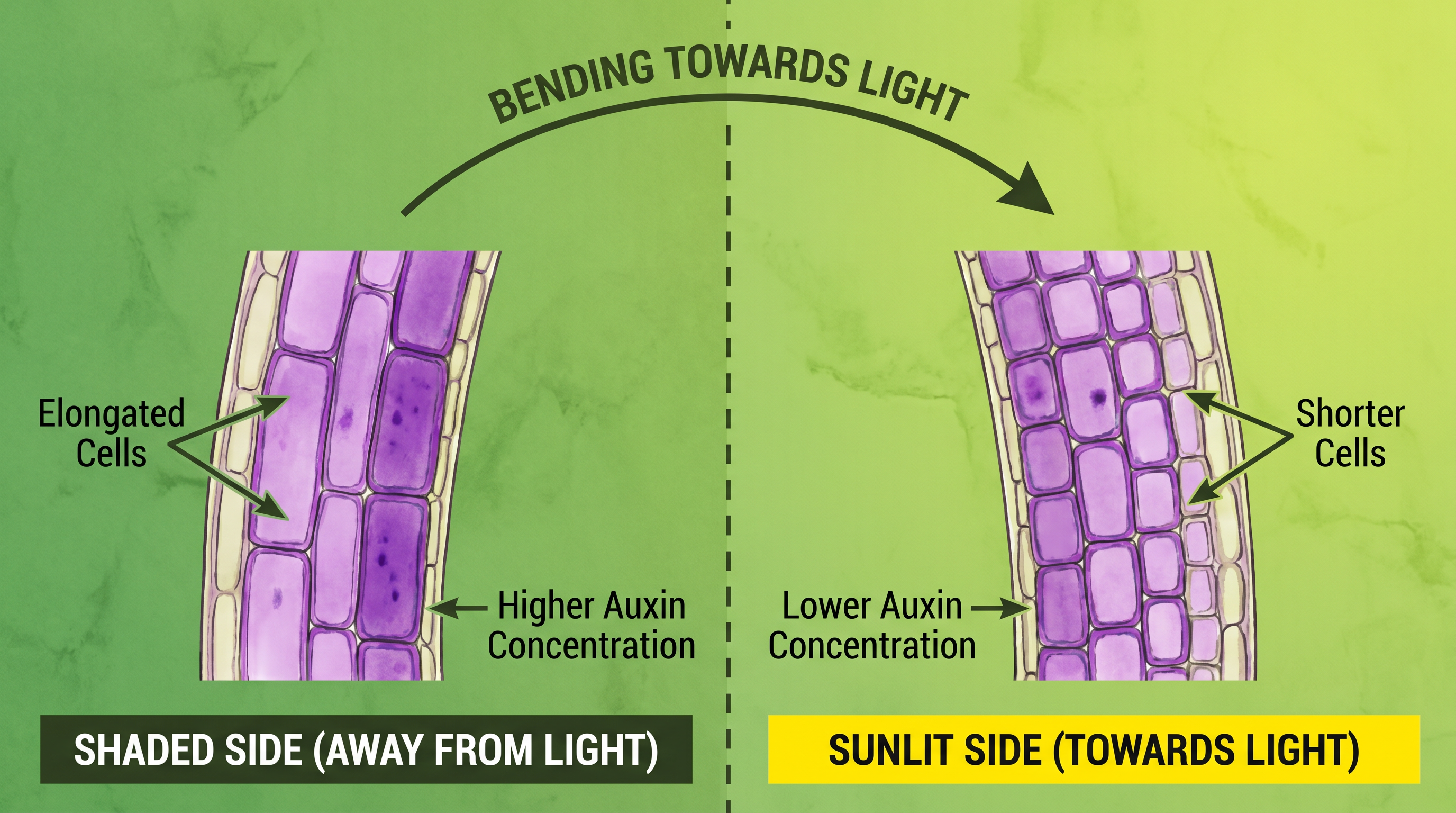
During the day, the stem grows slightly more on the shaded side. This uneven growth pushes the flower head to lean and move, following the sun's warm glow across the sky.

If you watch a young sunflower, it faces east again before sunrise. Why do you think it is important for the flower to be ready and waiting for the first light?
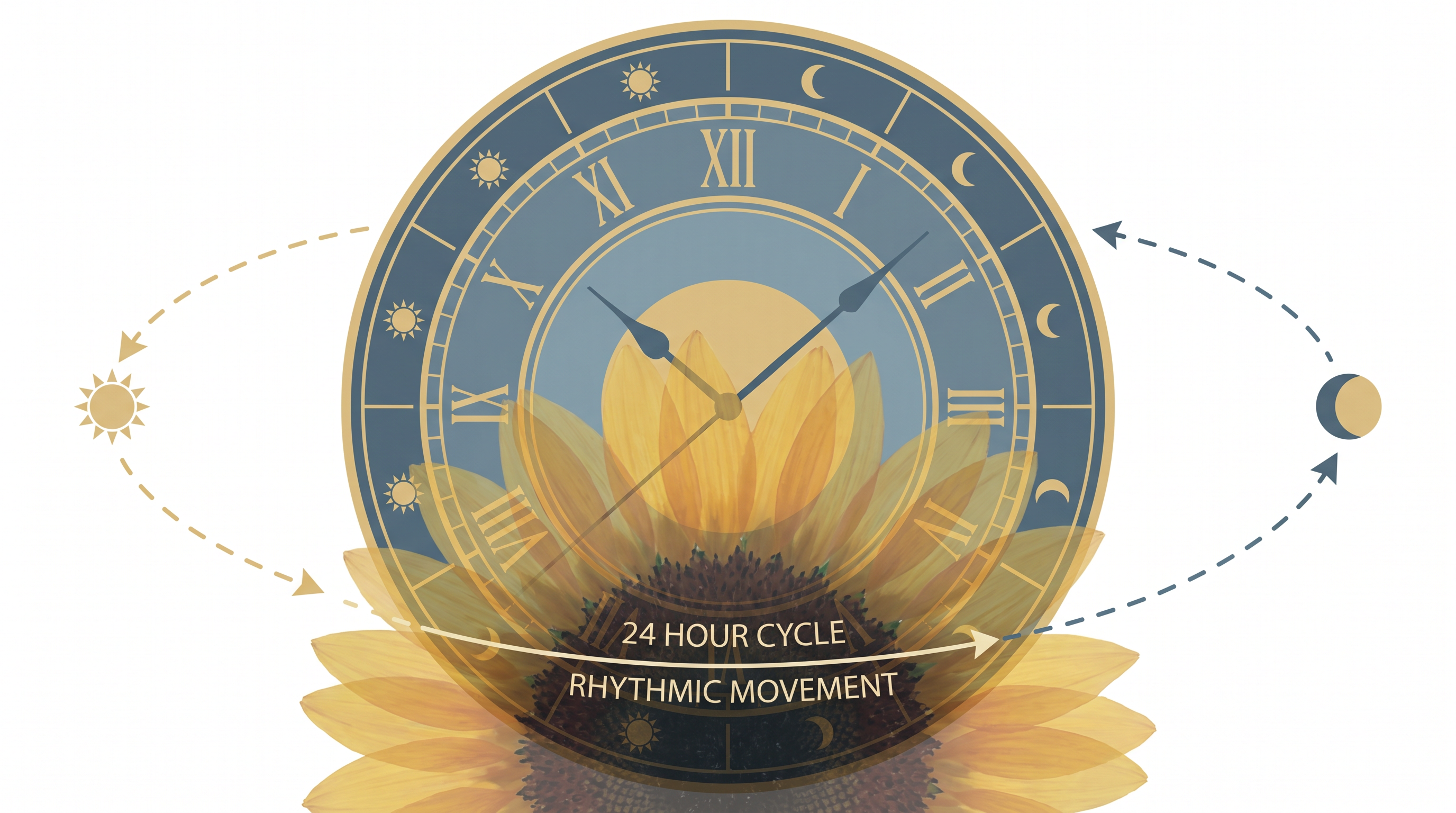
Sunflowers have an internal biological clock. This rhythm helps them anticipate the sunrise, ensuring they are positioned perfectly to capture the early warmth that helps them grow very quickly.
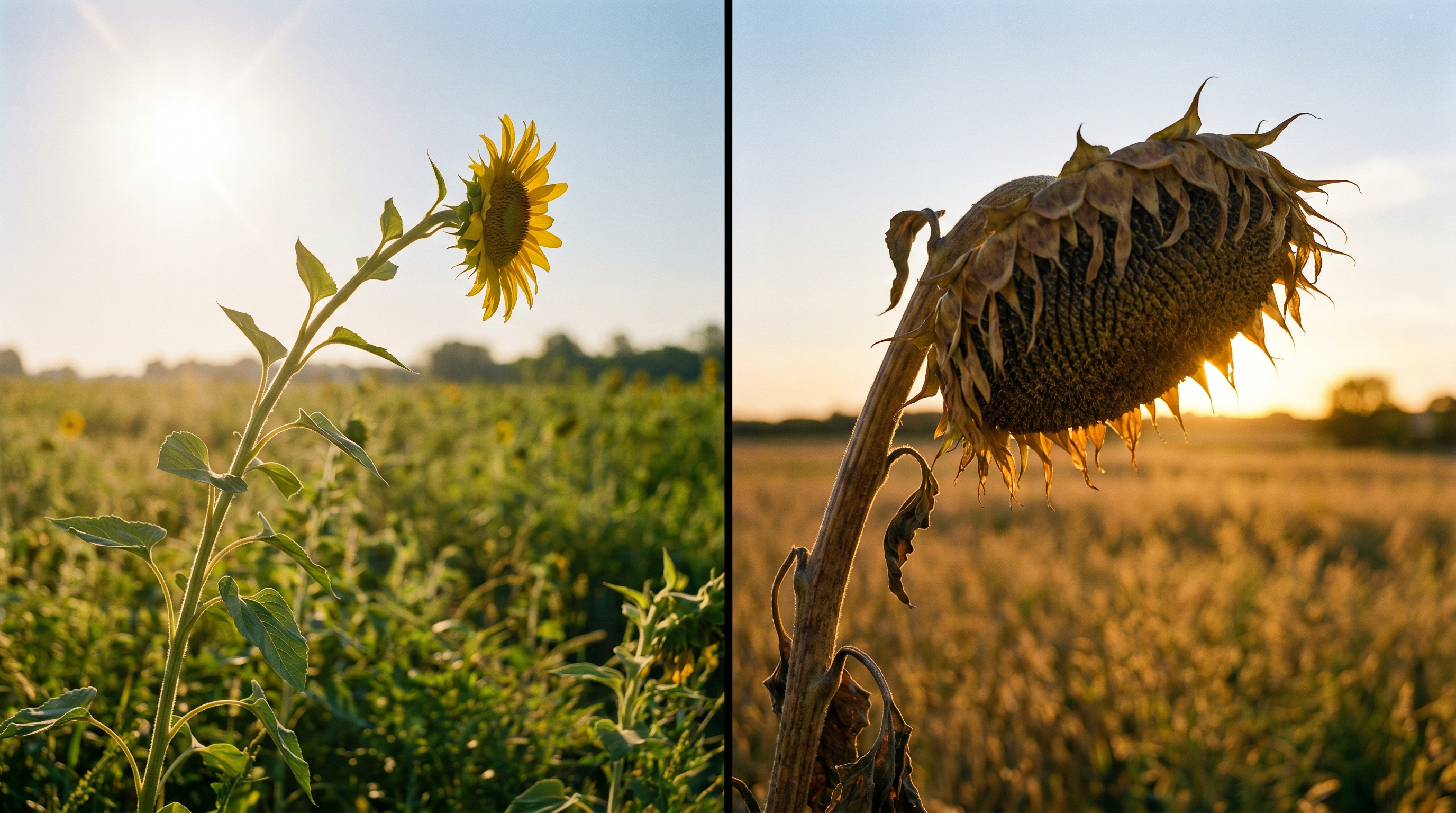
People often think sunflowers always face the sun even when fully grown. Actually, once they mature and their heads get heavy, they stop moving and stay facing east permanently.
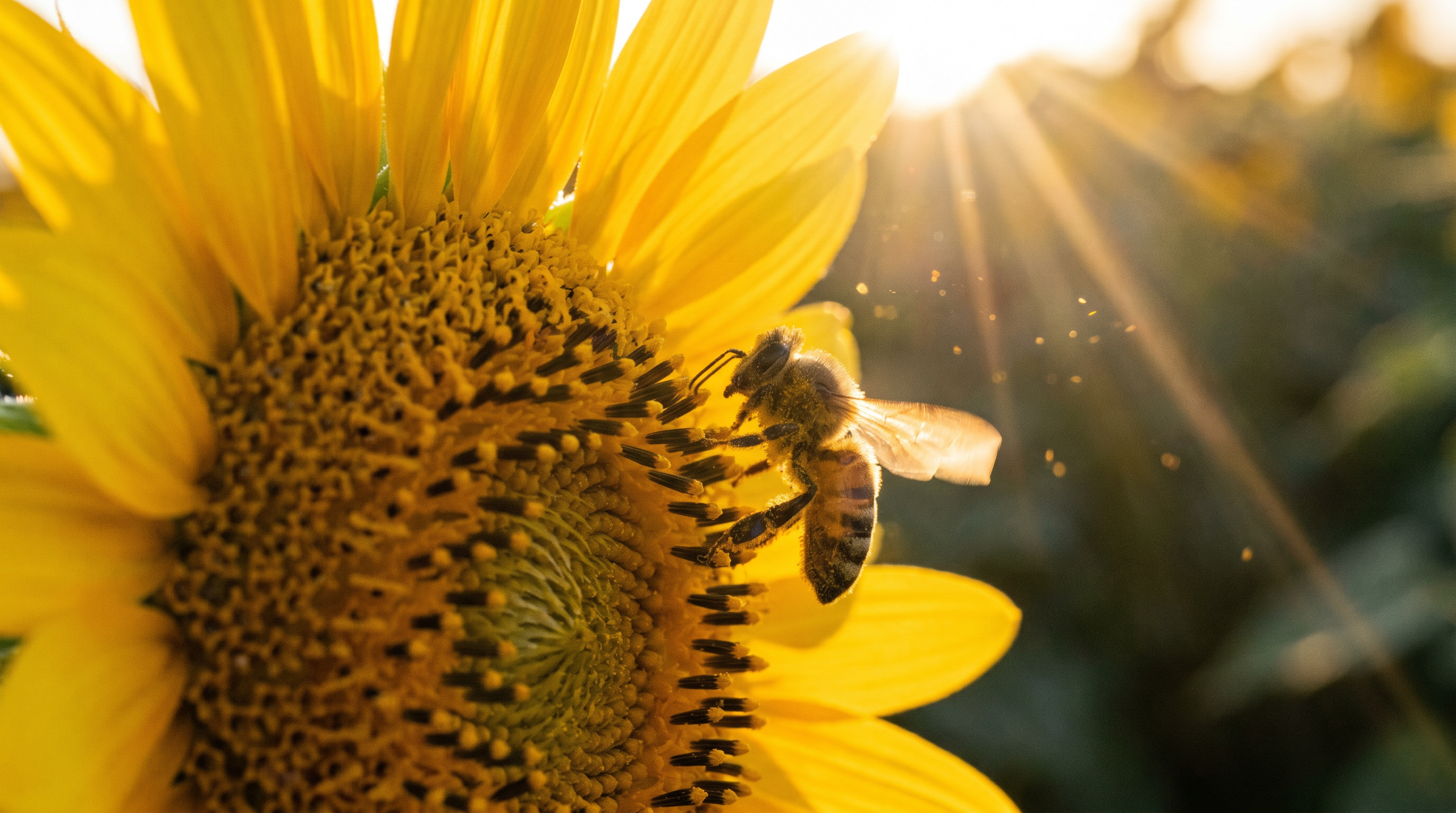
Sunflowers track the sun to maximize growth using their internal clocks. But here is a mystery: how do they communicate with bees through their heat? That is a puzzle for later.
Describe any idea in a sentence and Remee builds it for you — stories, games and quizzes on whatever you or your class are working on. Free to start, no card needed, and everything you make gets a link you can share anywhere.
Remee turns any idea into an illustrated story, a playable game, or an interactive quiz — at home or in the classroom.