 Lesson
This lesson explores the glymphatic system, a specialized fluid-clearing network that activates during deep sleep to maintain cognitive health.
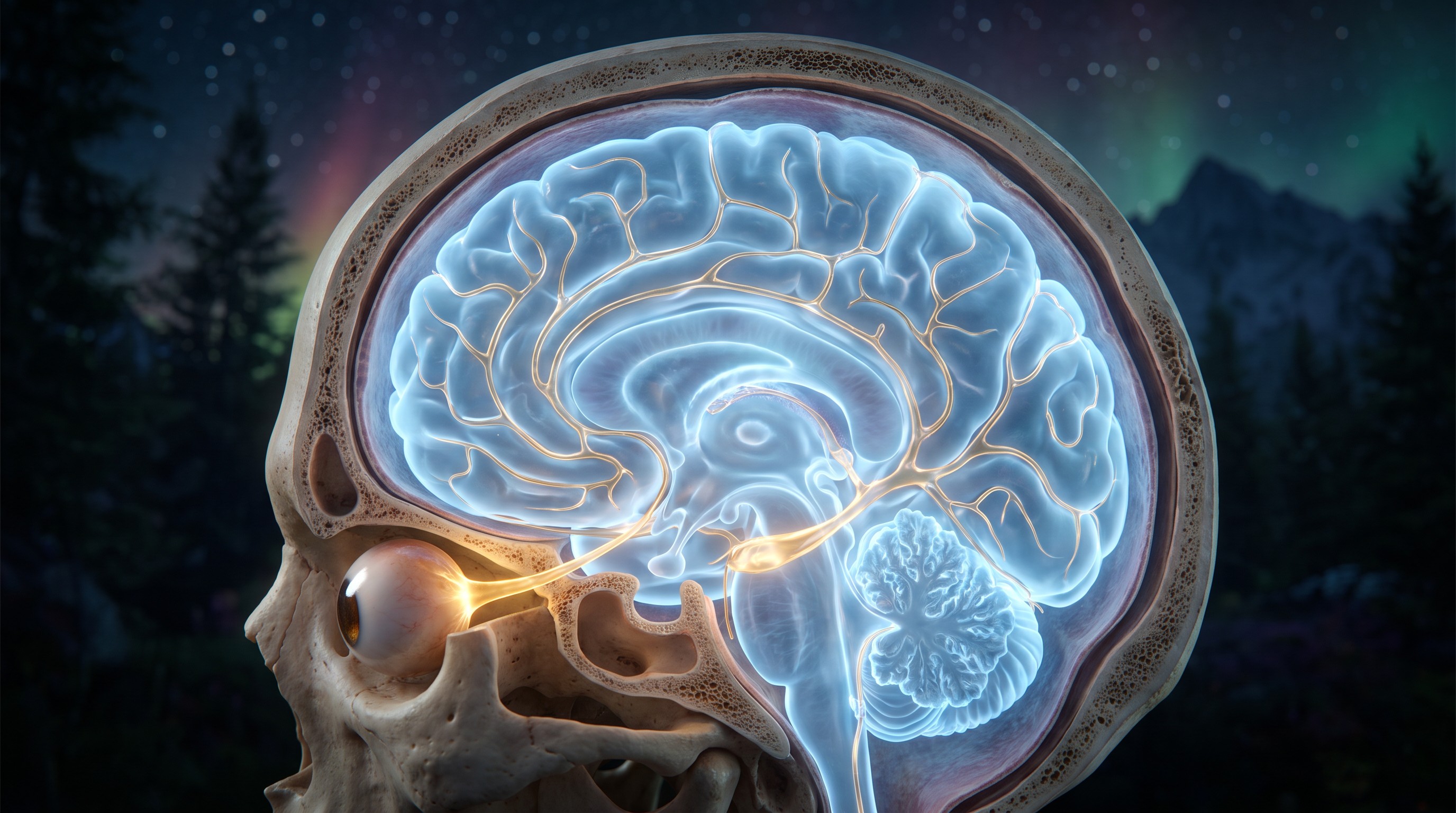
Did you know your brain performs a deep clean every night? While you sleep, a specialized system activates to wash away metabolic waste products that build up during your busy day.
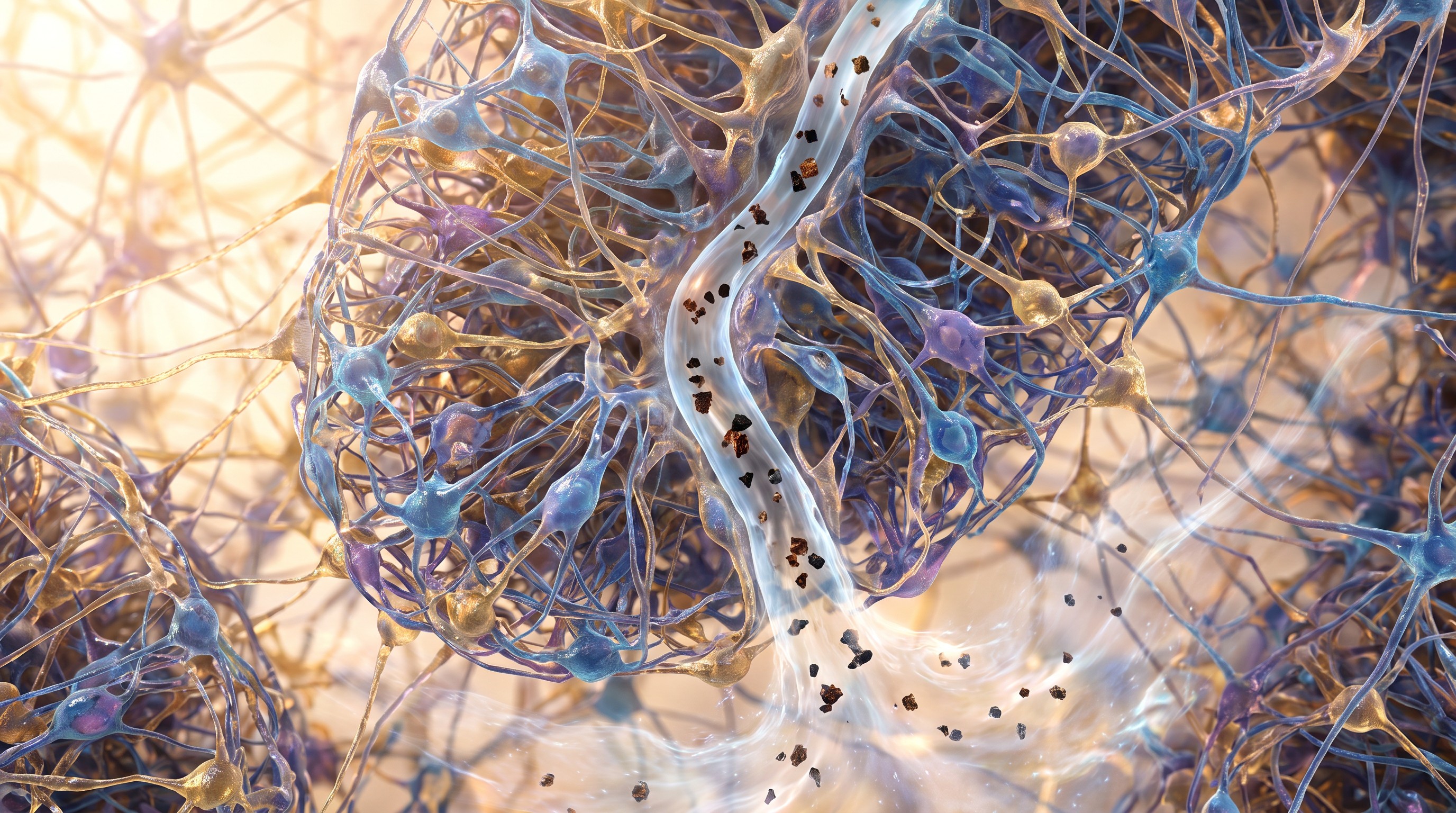
This is the glymphatic system. It acts like a cellular dishwasher, circulating cerebrospinal fluid through the brain’s architecture to flush out harmful proteins that accumulate while you are awake.
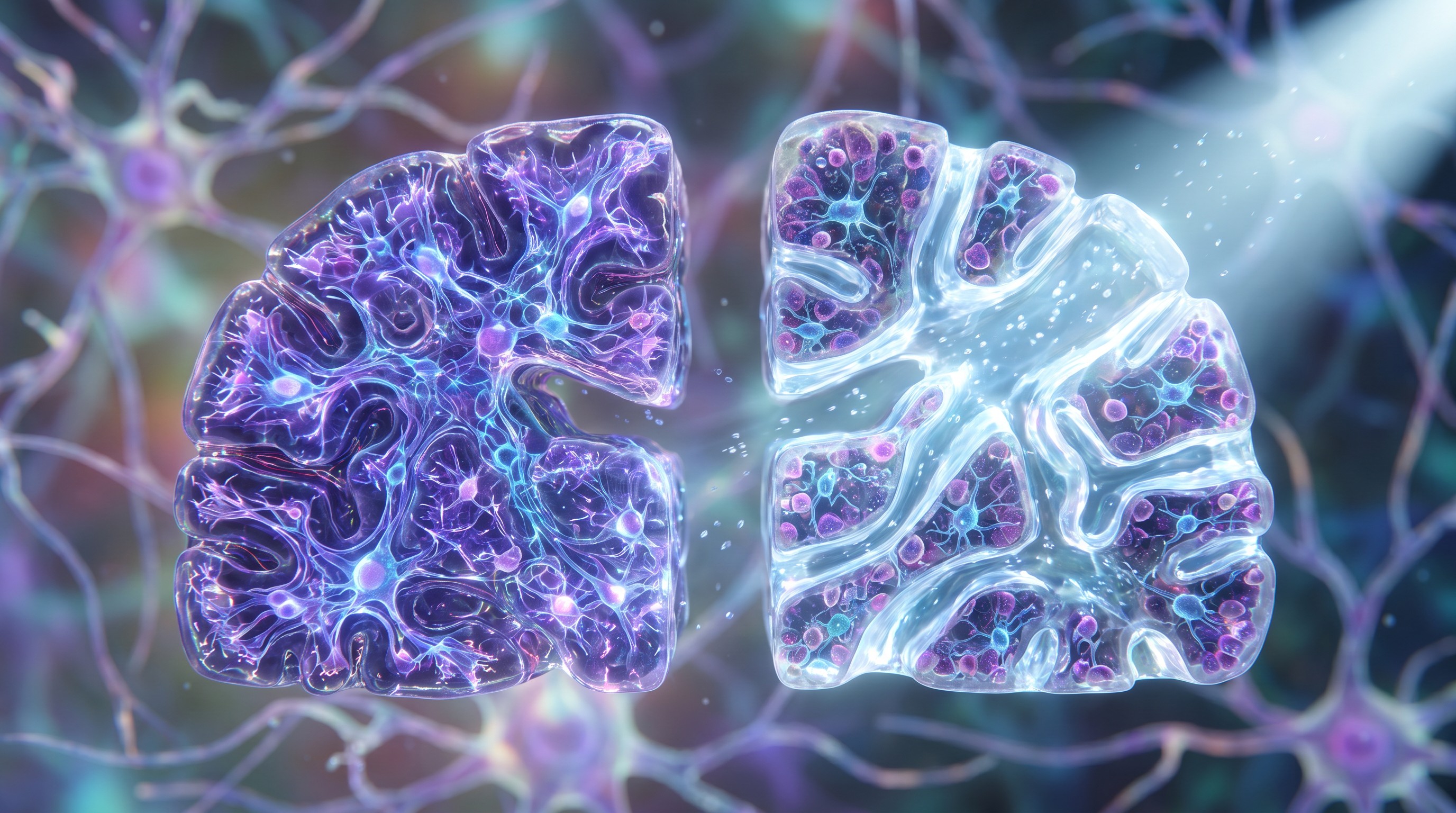
During deep sleep, the brain cells actually shrink in size. This creates extra space in the gaps between cells, allowing the cleaning fluid to flow through much more efficiently.
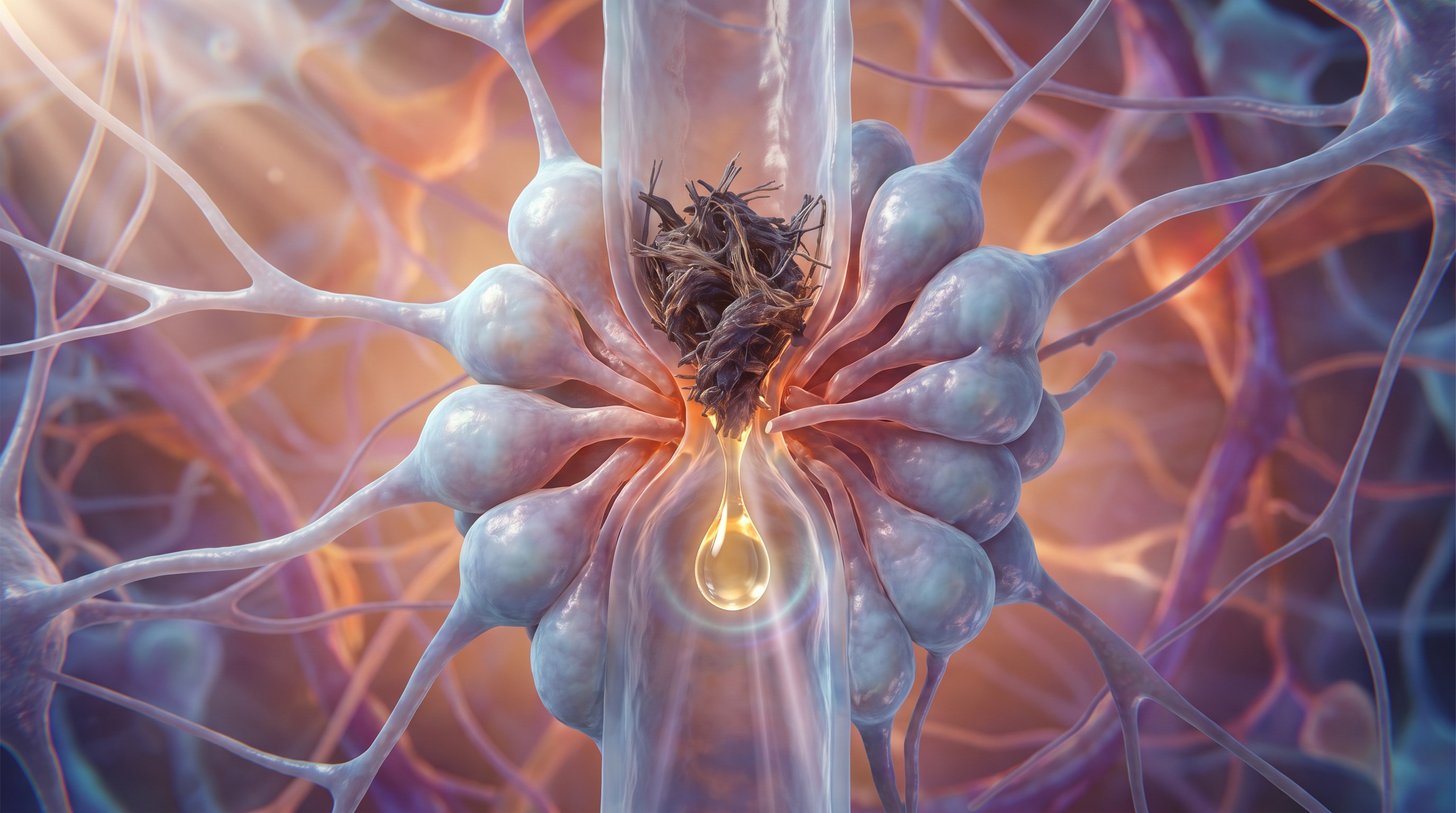
If the brain cells stay large and crowded, the cleaning fluid cannot flow. Based on this, why do you think you feel foggy and unfocused after a night of poor sleep?
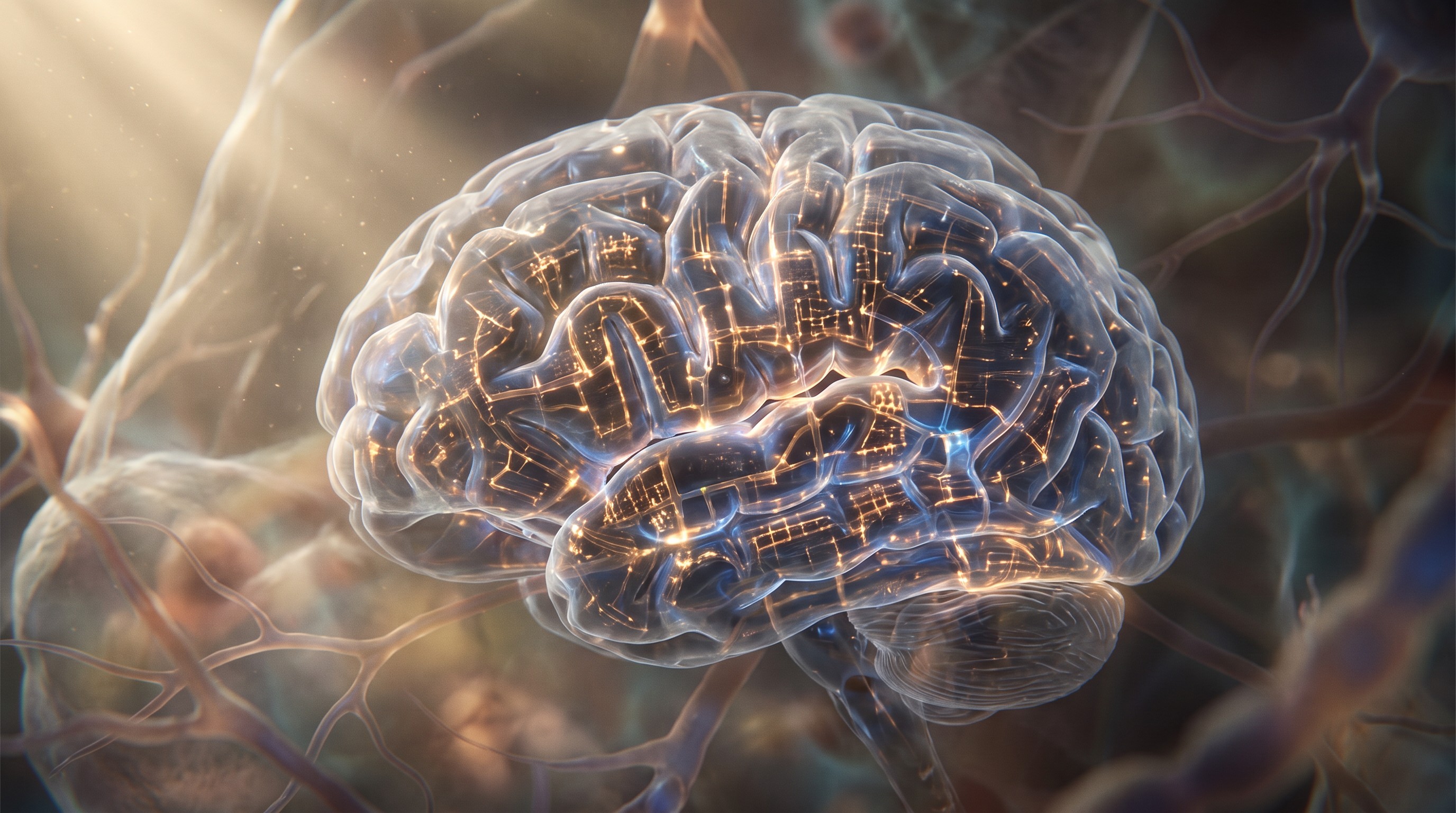
This process is vital for long-term health. Just as a city needs its sanitation trucks to keep streets clear, your brain relies on this nightly flow to prevent cognitive decline.
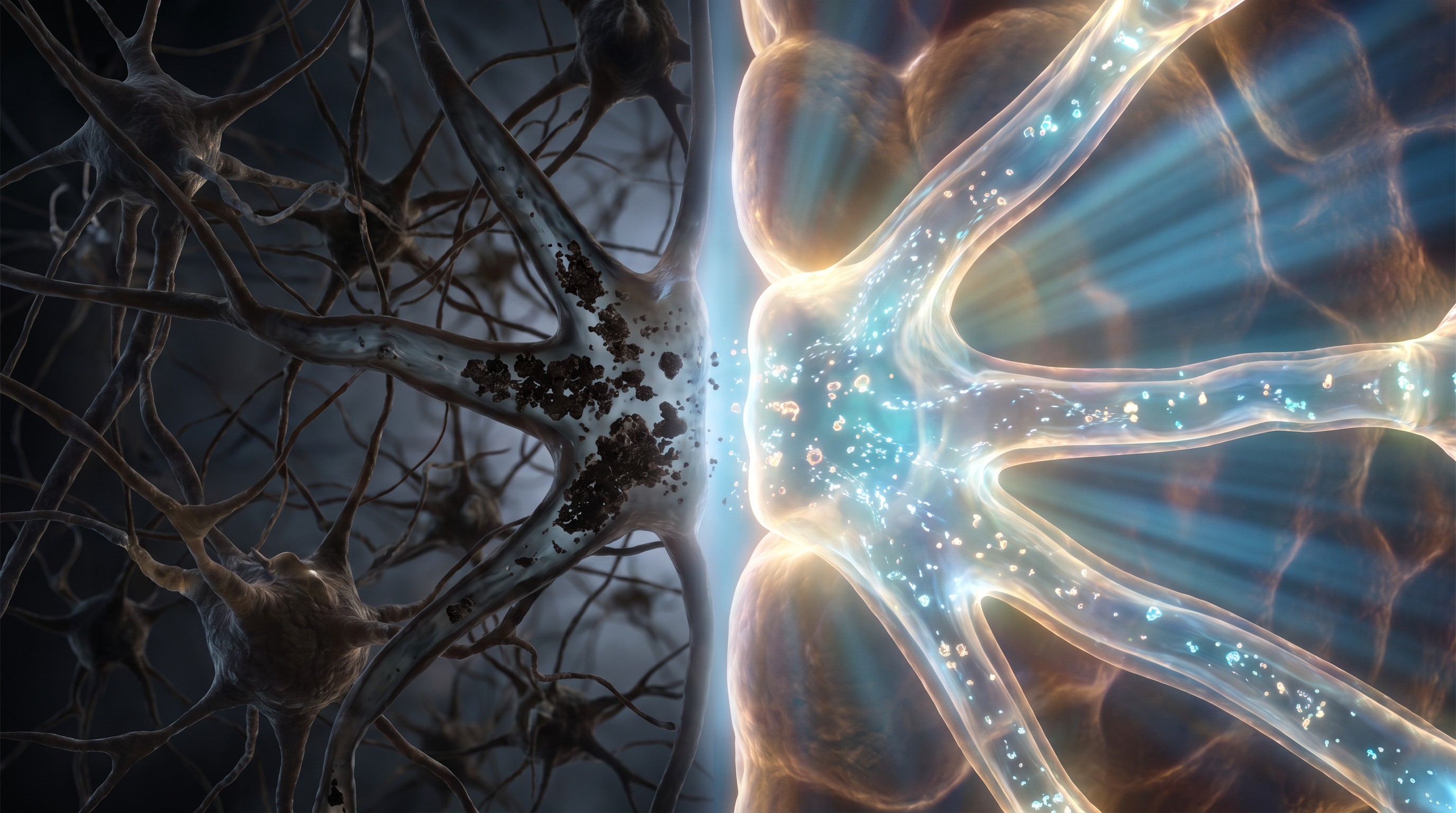
Some people think the brain cleans itself constantly. In reality, this high-speed waste removal is almost exclusively a nighttime activity that requires the rest provided by deep sleep cycles.
You have learned how deep sleep powers your brain's internal cleaning crew. But here is a mystery: what happens to this system as we age, and can we influence its speed?
Describe any idea in a sentence and Remee builds it for you — stories, games and quizzes on whatever you or your class are working on. Free to start, no card needed, and everything you make gets a link you can share anywhere.
Remee turns any idea into an illustrated story, a playable game, or an interactive quiz — at home or in the classroom.