 Lesson
This lesson breaks down the specific roles of AI hardware, comparing general-purpose GPUs with specialized processors to reveal how they enable complex machine learning.

Have you ever wondered what makes your favorite apps so smart? It all starts inside the computer with specialized hardware that acts like a powerful, lightning-fast brain for information.

GPUs were originally designed for gaming graphics. Because they are great at doing many small math problems at the same time, they became the perfect engine for training smart AI.
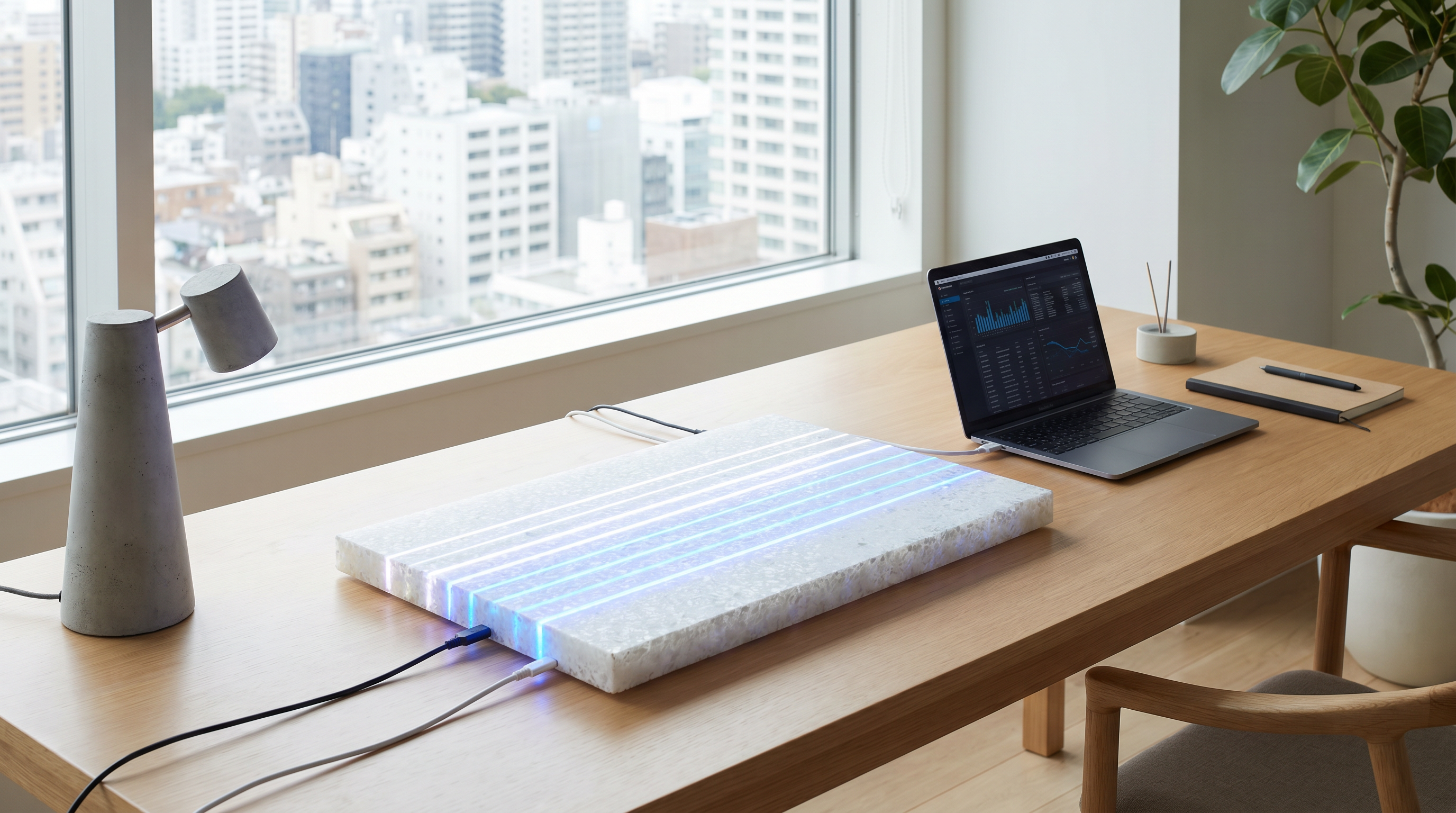
TPUs are different. They are custom-built specifically for AI math. Think of them as a specialized factory line designed to do one specific, very difficult job extremely efficiently and fast.
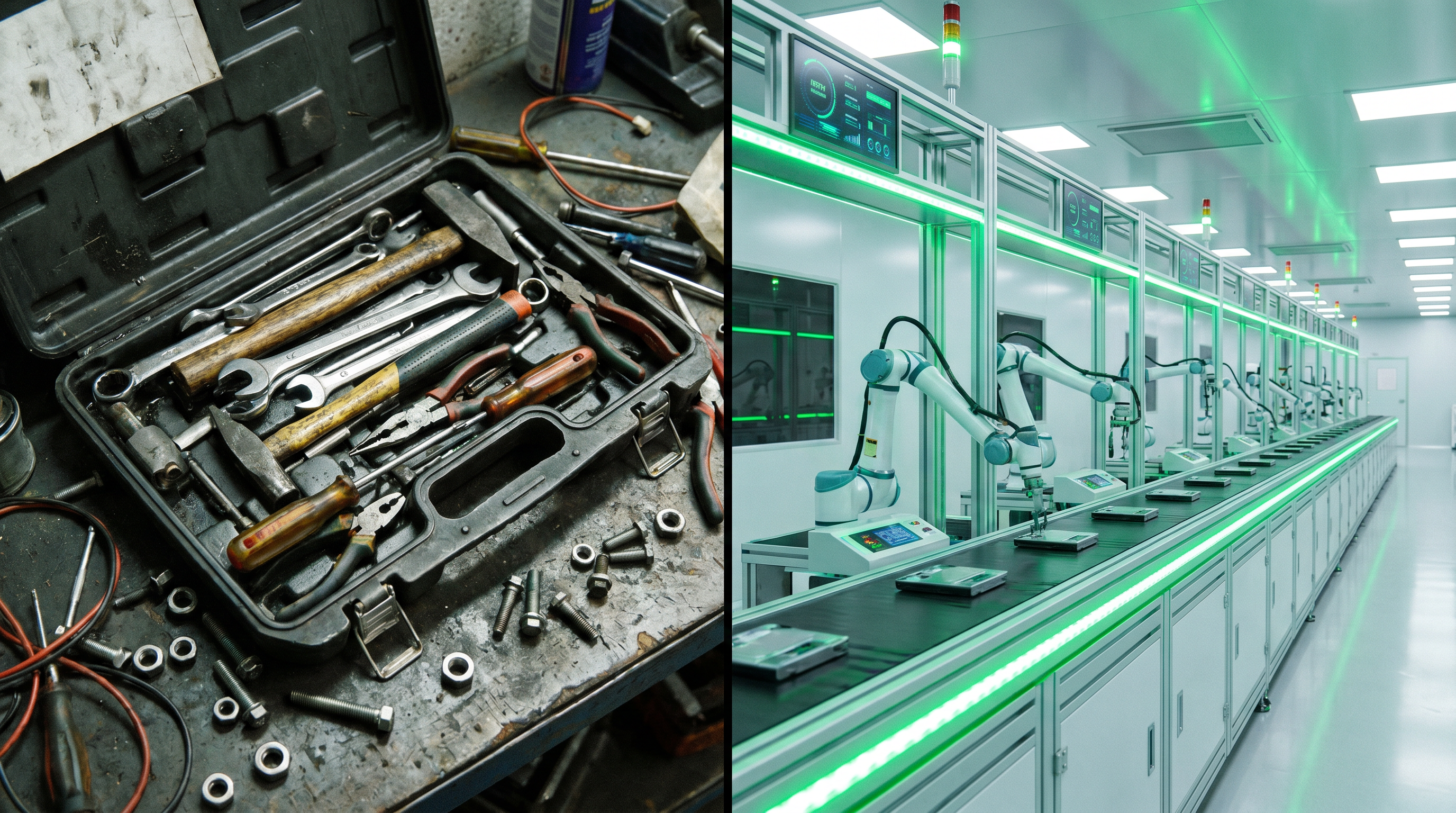
If a GPU is a versatile toolbox and a TPU is a dedicated factory, which would you choose to process millions of photos at once? Why might one be faster than another?

Beyond GPUs and TPUs, we have chips like Trainium. These are designed for massive scale, helping computers learn from giant piles of data, like reading every book in a library.
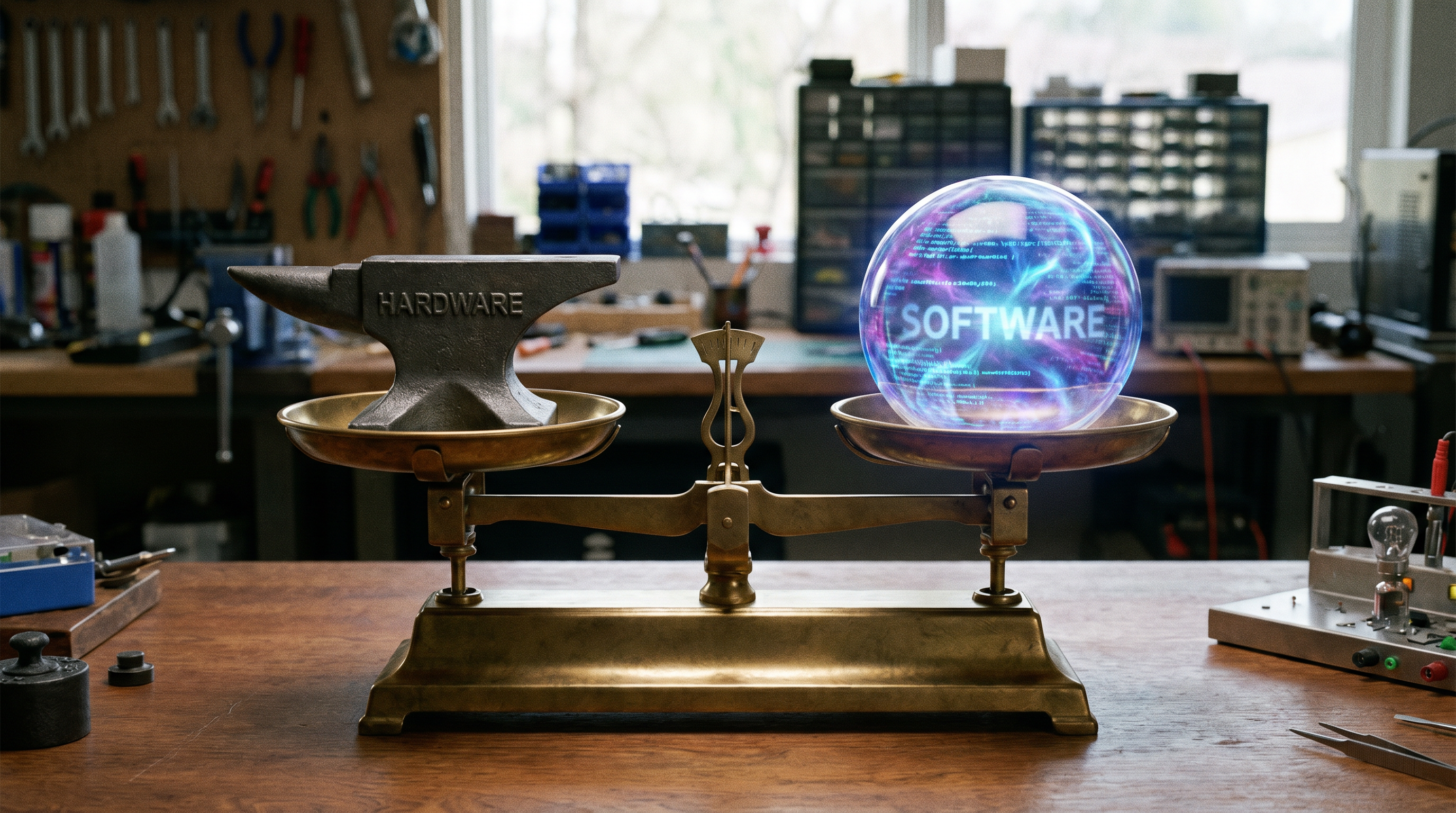
A common mistake is thinking faster chips always make better AI. Actually, it is how the software tells the hardware what to do that really determines how smart the system becomes.

We have explored how different chips handle AI tasks. But as we make hardware smaller and more powerful, what happens when we reach the physical limits of silicon? That remains a mystery.
Describe any idea in a sentence and Remee builds it for you — stories, games and quizzes on whatever you or your class are working on. Free to start, no card needed, and everything you make gets a link you can share anywhere.
Remee turns any idea into an illustrated story, a playable game, or an interactive quiz — at home or in the classroom.