 Lesson
This lesson explores the forensic techniques of pigment analysis, canvas examination, and brushstroke study used to verify fine art authenticity.
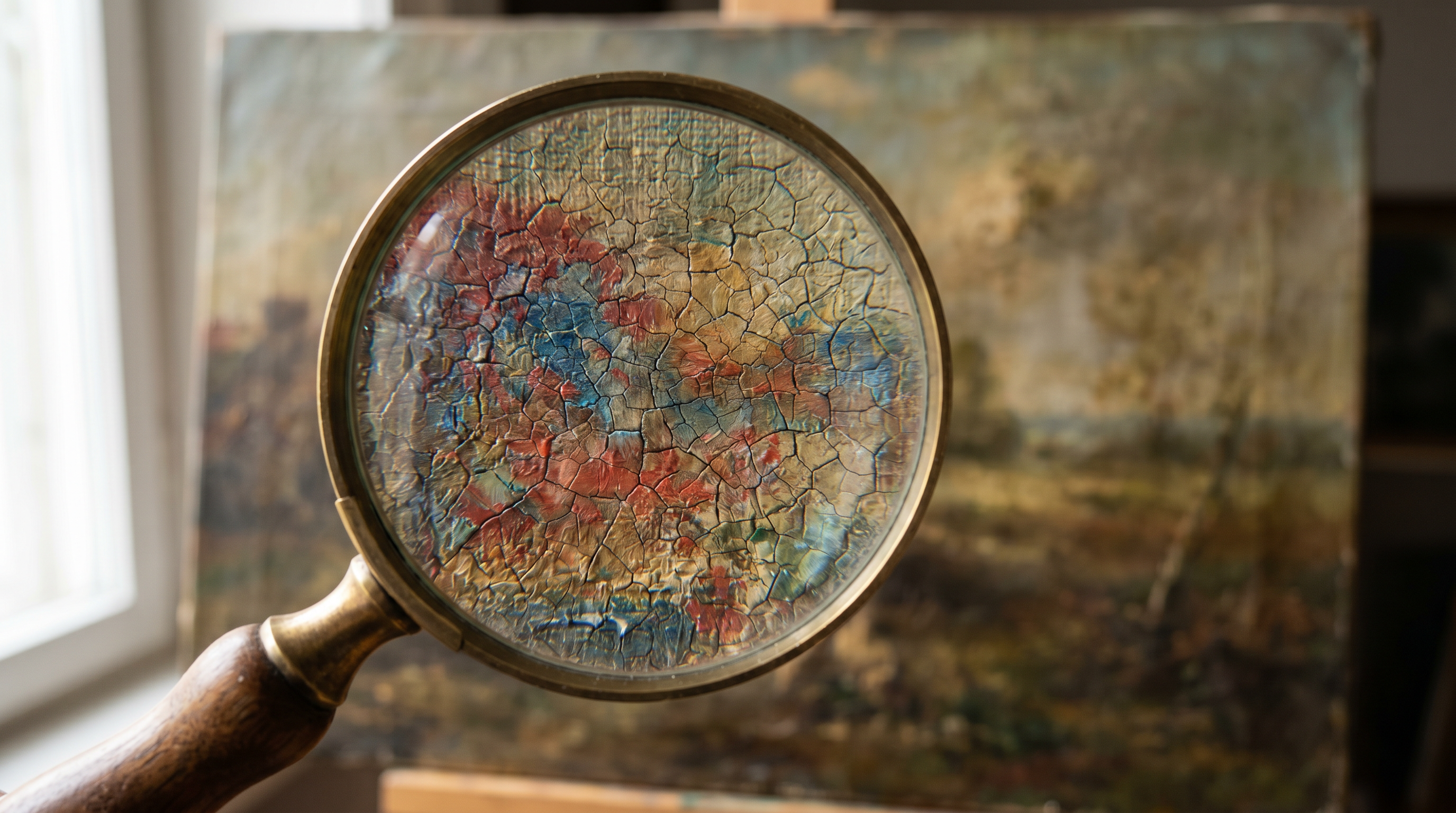
Have you ever wondered how experts spot a fake? Beneath the beauty of a masterpiece lies a chemical history. Today, we uncover how science exposes forgeries hidden in plain sight.
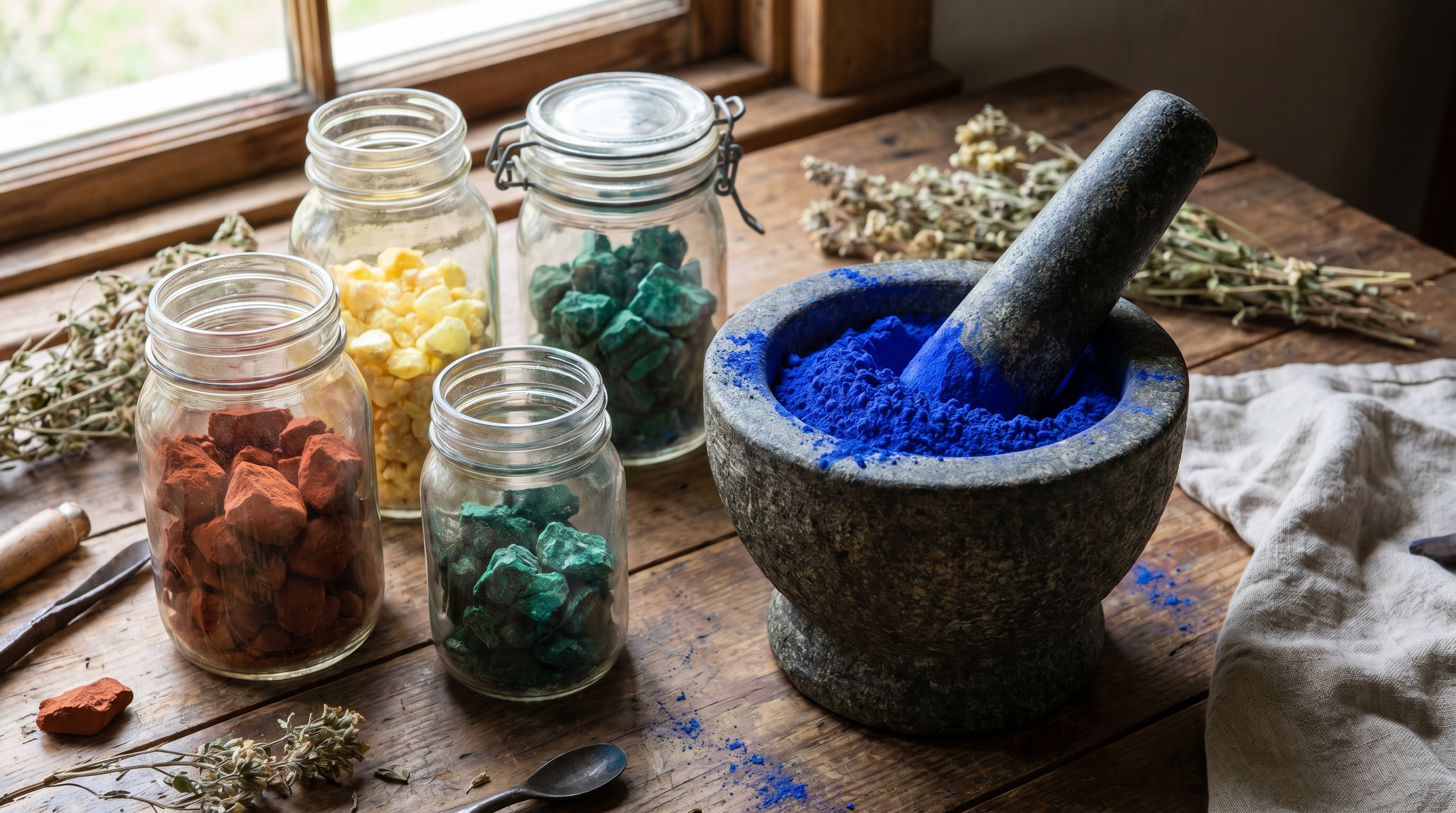
Pigments are the first clue. Every century had its own color palette. If a painting features a synthetic chemical created long after the artist died, it is a clear forgery.

Next, we look at the canvas. Forensic teams use microscopic imaging to examine the weave pattern. Older canvases were hand-loomed, leaving distinct, irregular textures that modern machines simply cannot replicate.
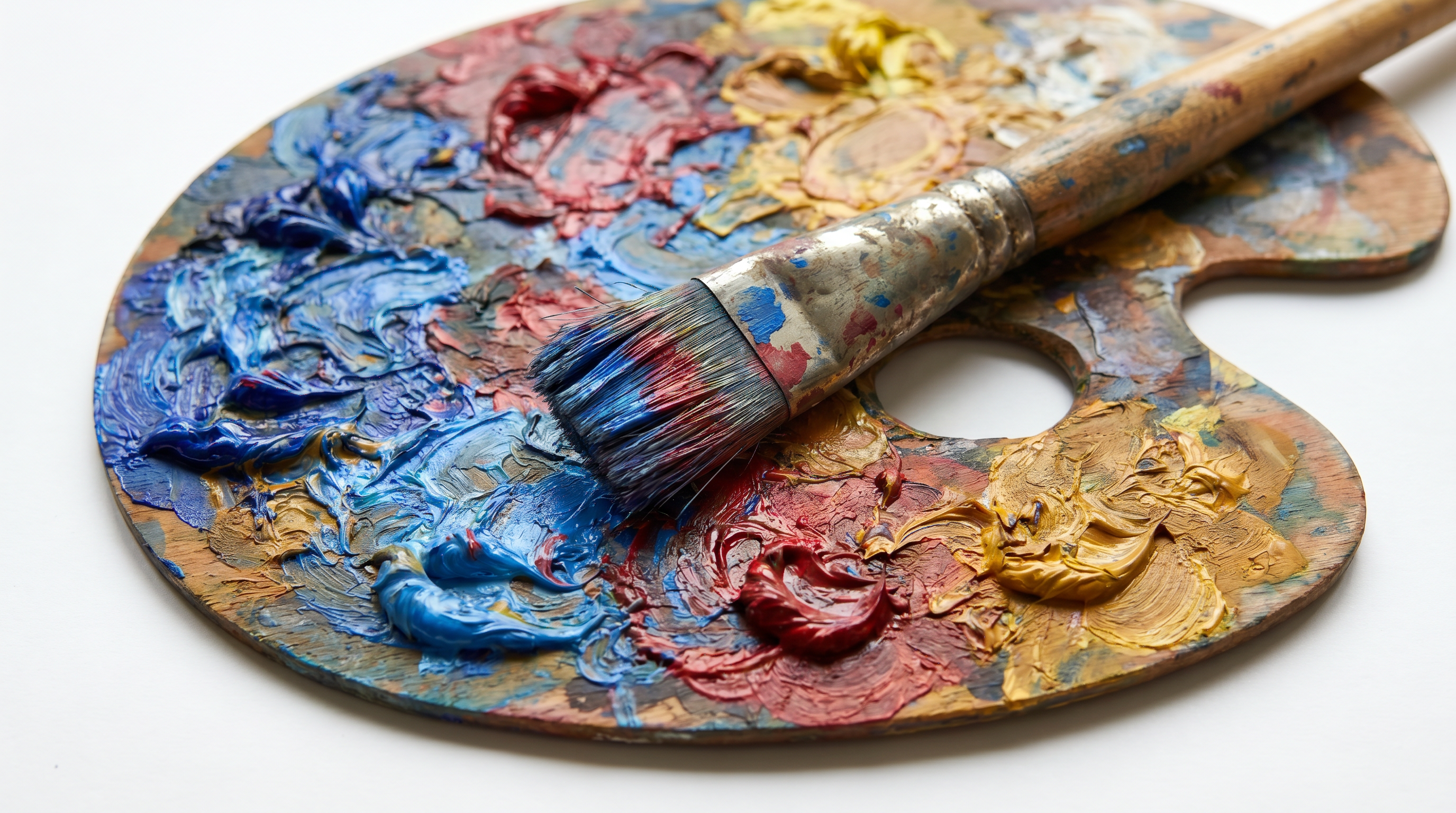
Look closely at the surface of a painting. If you see tiny, perfectly uniform ridges, could that be an original stroke? How do you think a master's hand differs from a machine?
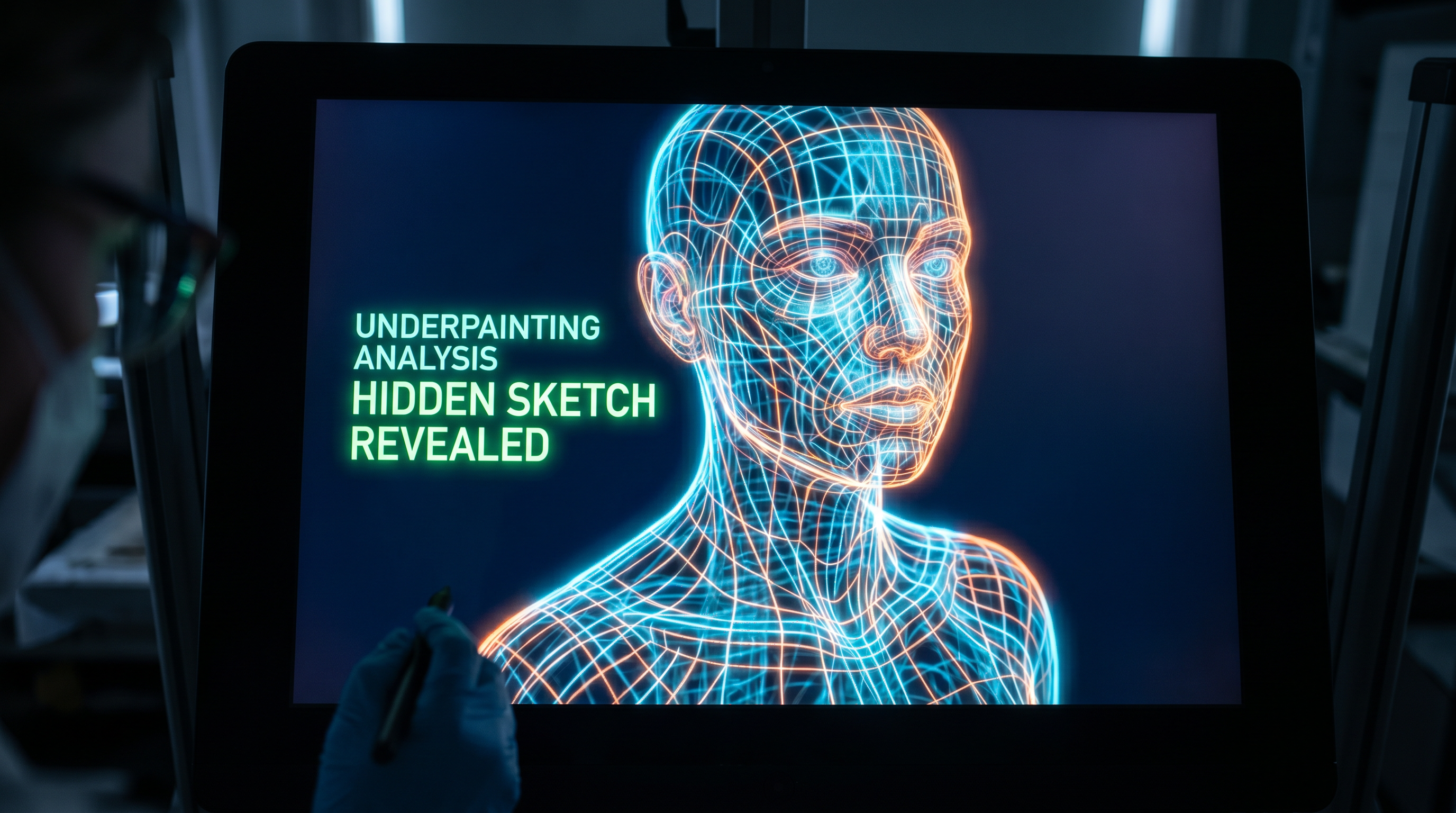
Experts use X-ray fluorescence to map these elements. This non-invasive technology reveals hidden layers beneath the surface, showing if the artist changed their mind or if a new painting covers old.
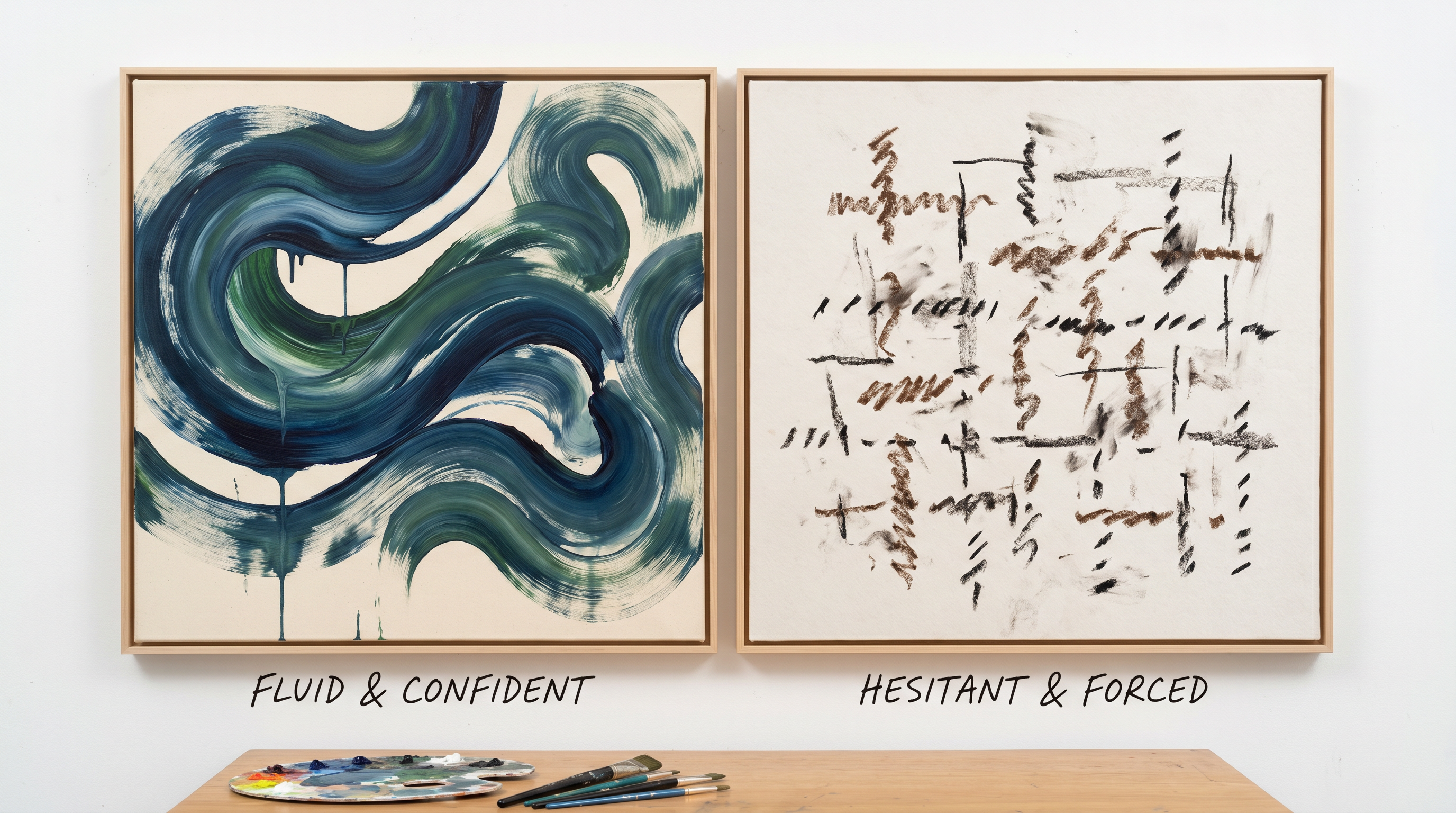
Many believe forgers just copy the style. In reality, scientists know that every artist has a unique 'brush signature'—a rhythm and pressure that is almost impossible to perfectly mimic.
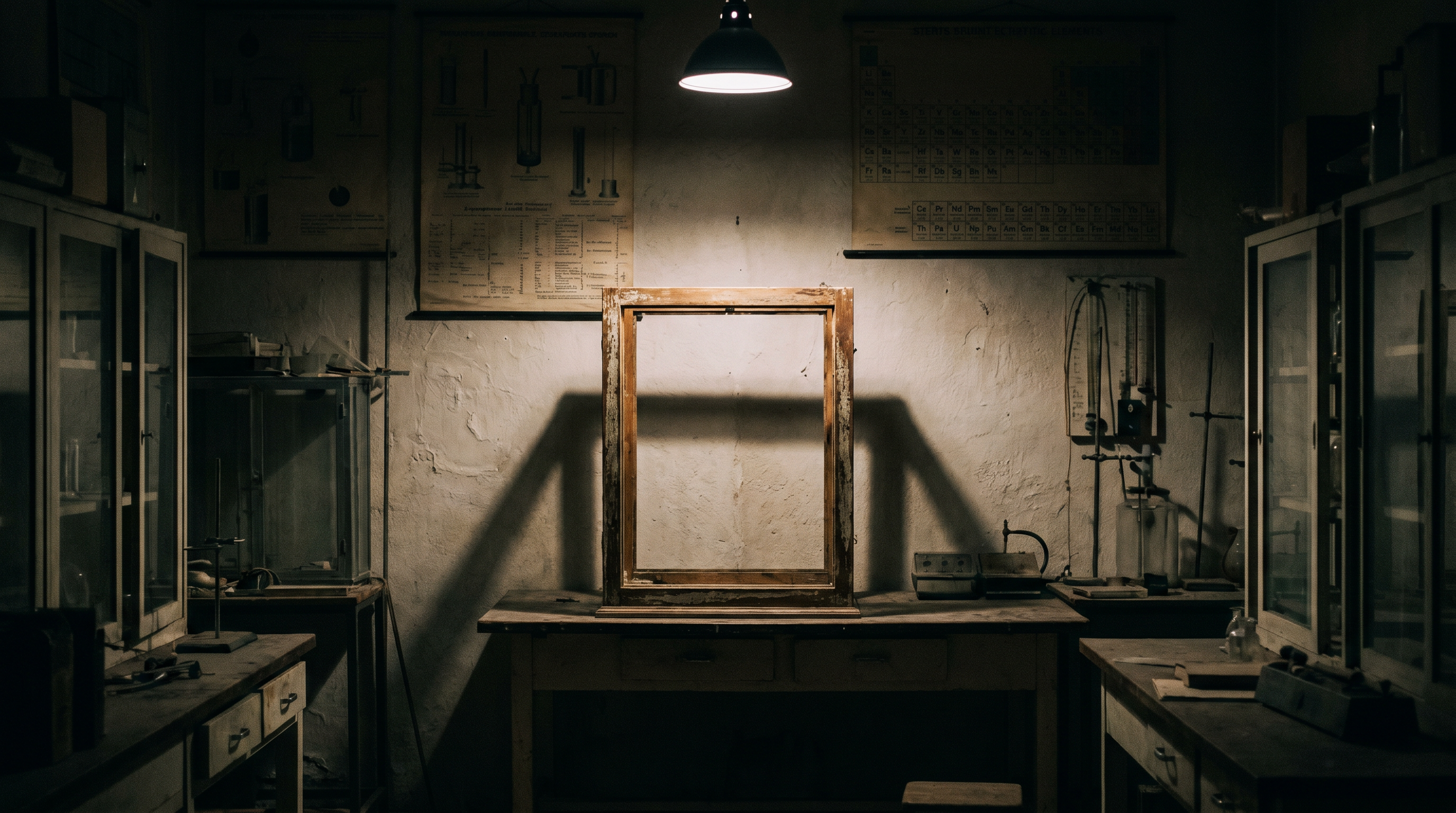
From chemical pigments to microscopic weaves, science keeps art history pure. But what happens when forgers use original, ancient canvases to paint new fakes? That is a mystery for later.
Describe any idea in a sentence and Remee builds it for you — stories, games and quizzes on whatever you or your class are working on. Free to start, no card needed, and everything you make gets a link you can share anywhere.
Remee turns any idea into an illustrated story, a playable game, or an interactive quiz — at home or in the classroom.