 Lesson
This lesson explores reinforcement learning, detailing how agents learn from consequences to optimize behavior in complex environments.

Have you ever wondered how a computer learns to play a game? It doesn't read a manual; it plays millions of times, learning from every mistake to find the perfect strategy.
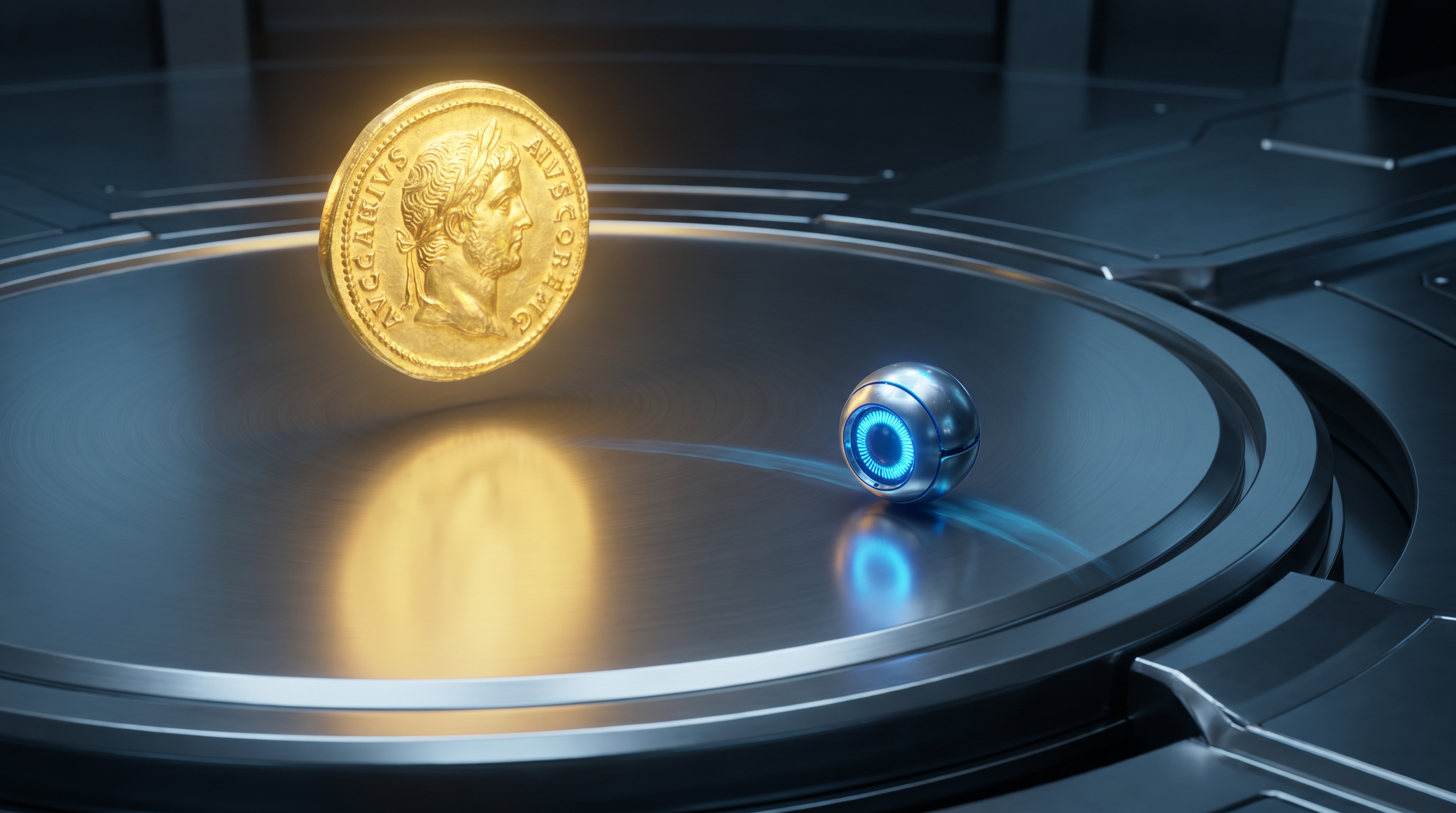
This is reinforcement learning. An agent interacts with an environment, takes an action, and receives a reward or penalty. It continuously adjusts its behavior to maximize the total reward.
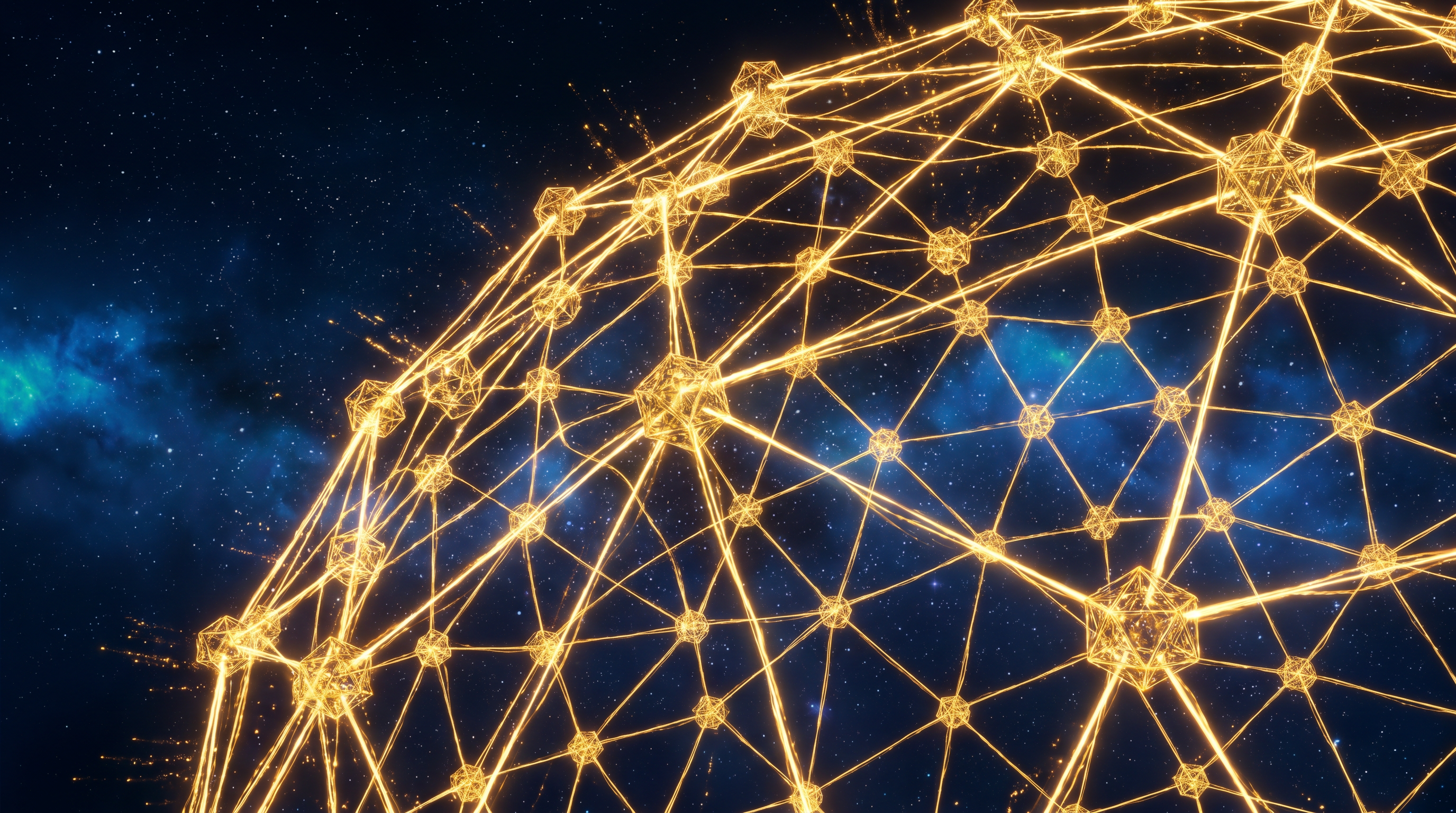
The agent builds a policy, which is essentially a map of the best actions to take in any given situation. Through thousands of trials, it turns random guesses into calculated precision.
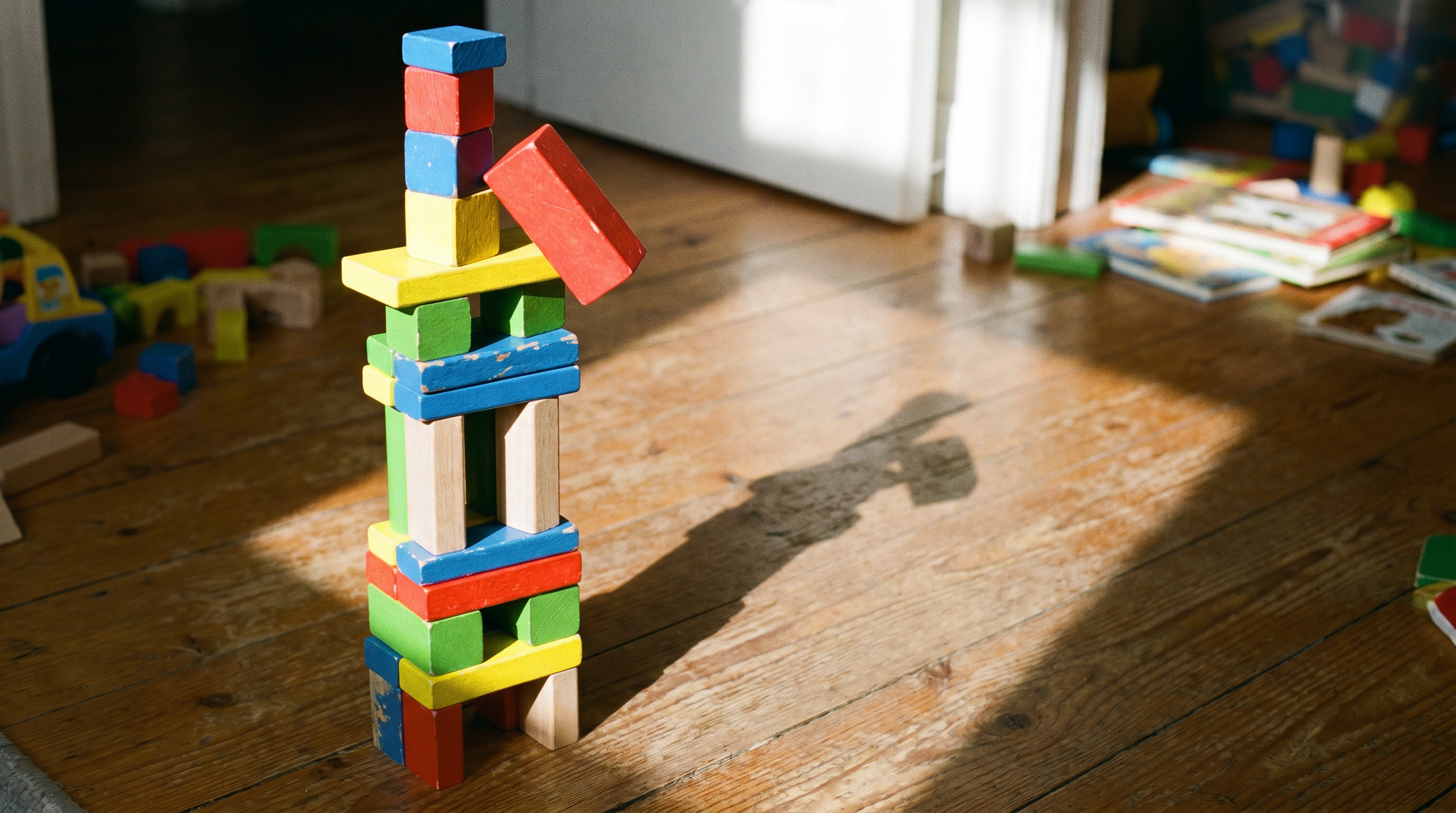
Think about a toddler learning to stack blocks. If they push too hard, the tower falls. If they balance them, it stands. How does the brain decide which pressure is just right?

Self-driving cars use this to navigate roads. By simulating millions of miles, the car learns to recognize lanes, signals, and obstacles, getting safer with every virtual mile driven.
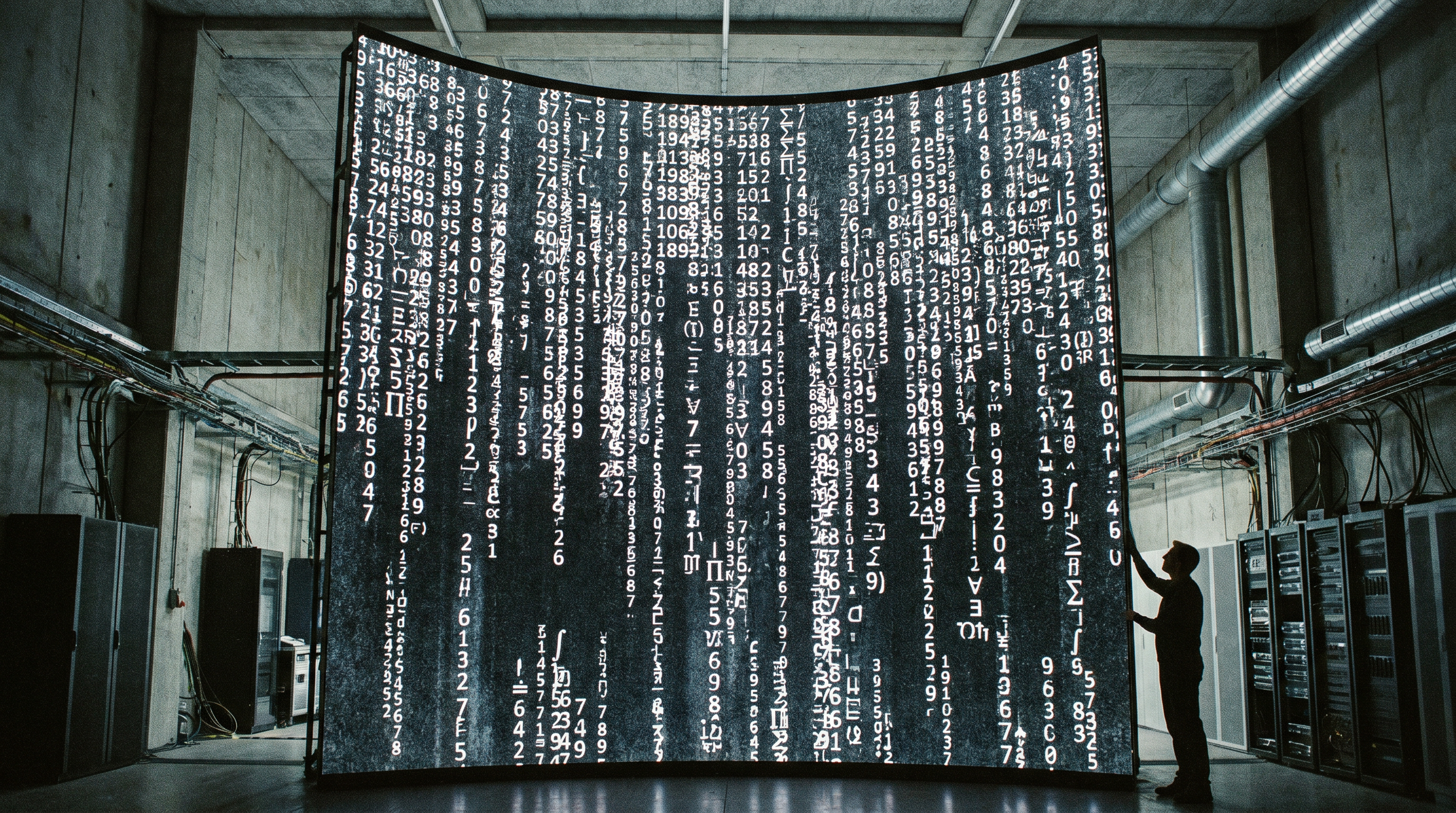
A common misconception is that AI 'thinks' like a human. In reality, it doesn't understand the game; it simply uses advanced mathematics to optimize numerical scores through statistical probability.
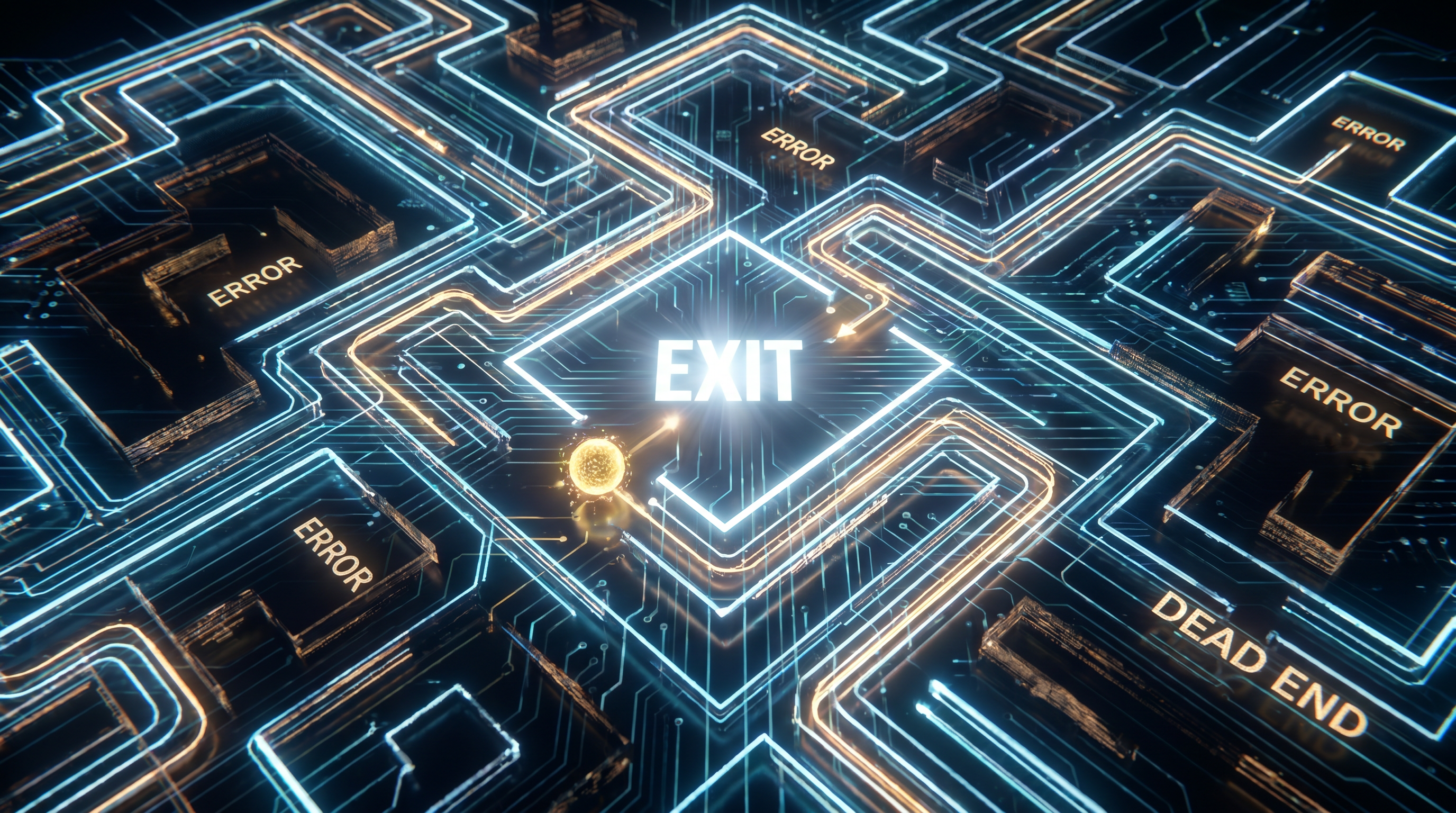
We have learned that reinforcement learning turns trial-and-error into mastery through rewards. But if an AI learns only to maximize its score, could it discover ways to cheat the system?
Describe any idea in a sentence and Remee builds it for you — stories, games and quizzes on whatever you or your class are working on. Free to start, no card needed, and everything you make gets a link you can share anywhere.
Remee turns any idea into an illustrated story, a playable game, or an interactive quiz — at home or in the classroom.