 Lesson
This lesson explores how pressure builds in magma chambers, the physical causes of volcanic tremors, and the true nature of liquid rock.
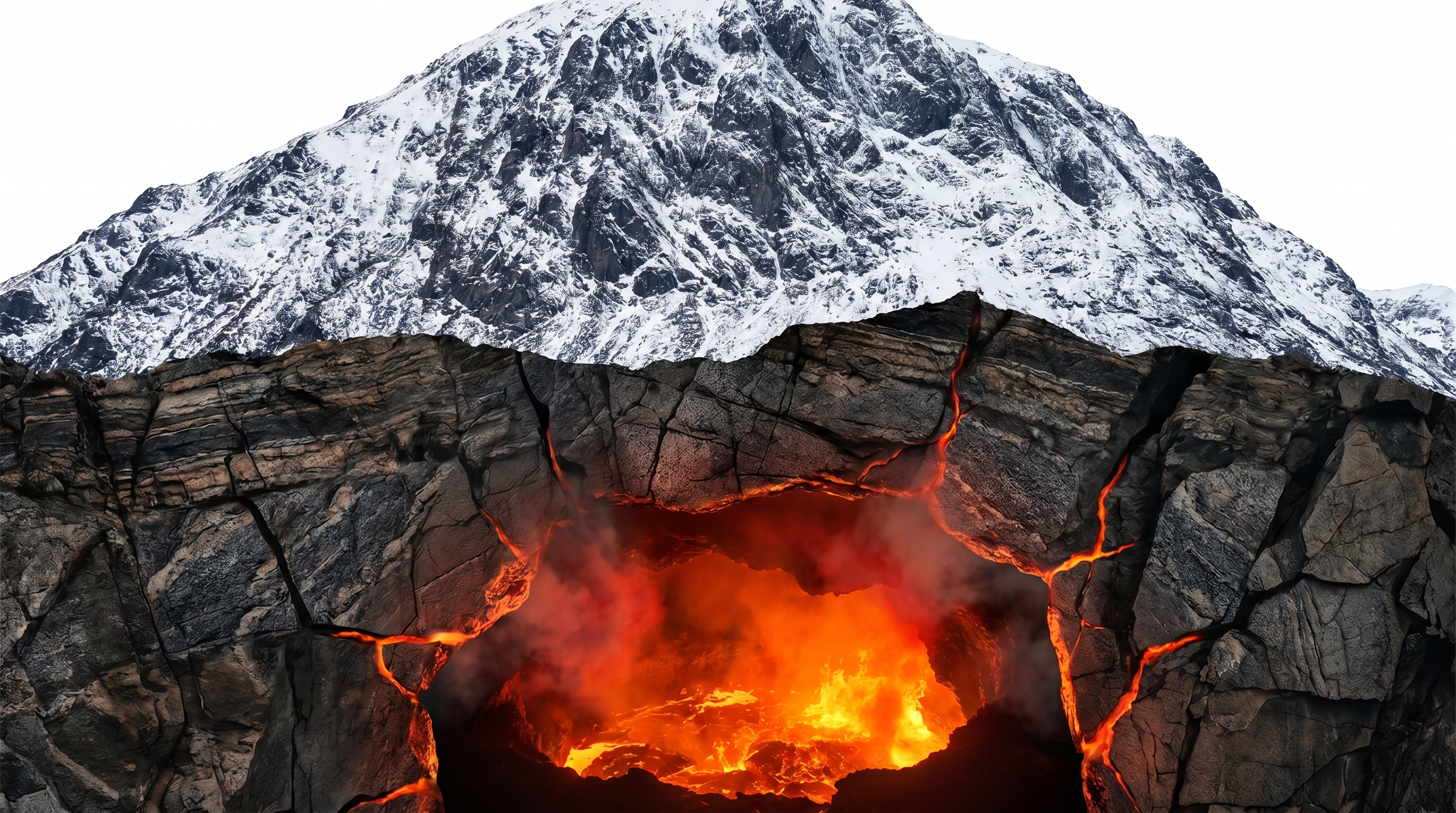
Have you ever wondered why a quiet mountain might suddenly start to grumble? Deep underground, immense pressure builds as hot gases and melted rock push against the heavy crust above.
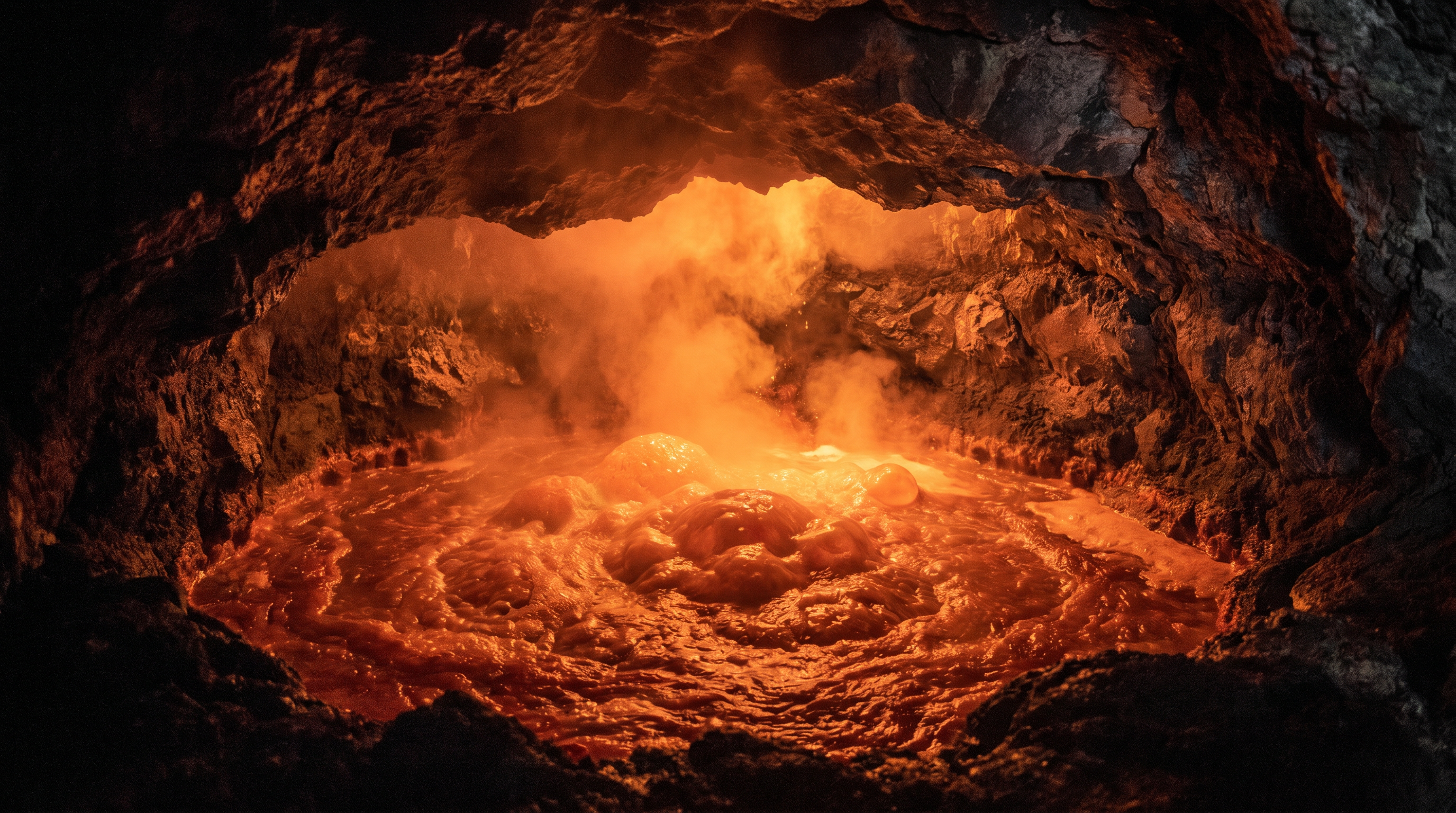
Inside the mountain, we find magma. Think of it as rock soup! It is solid rock melted into a thick, gooey liquid by the incredible heat from the center of Earth.
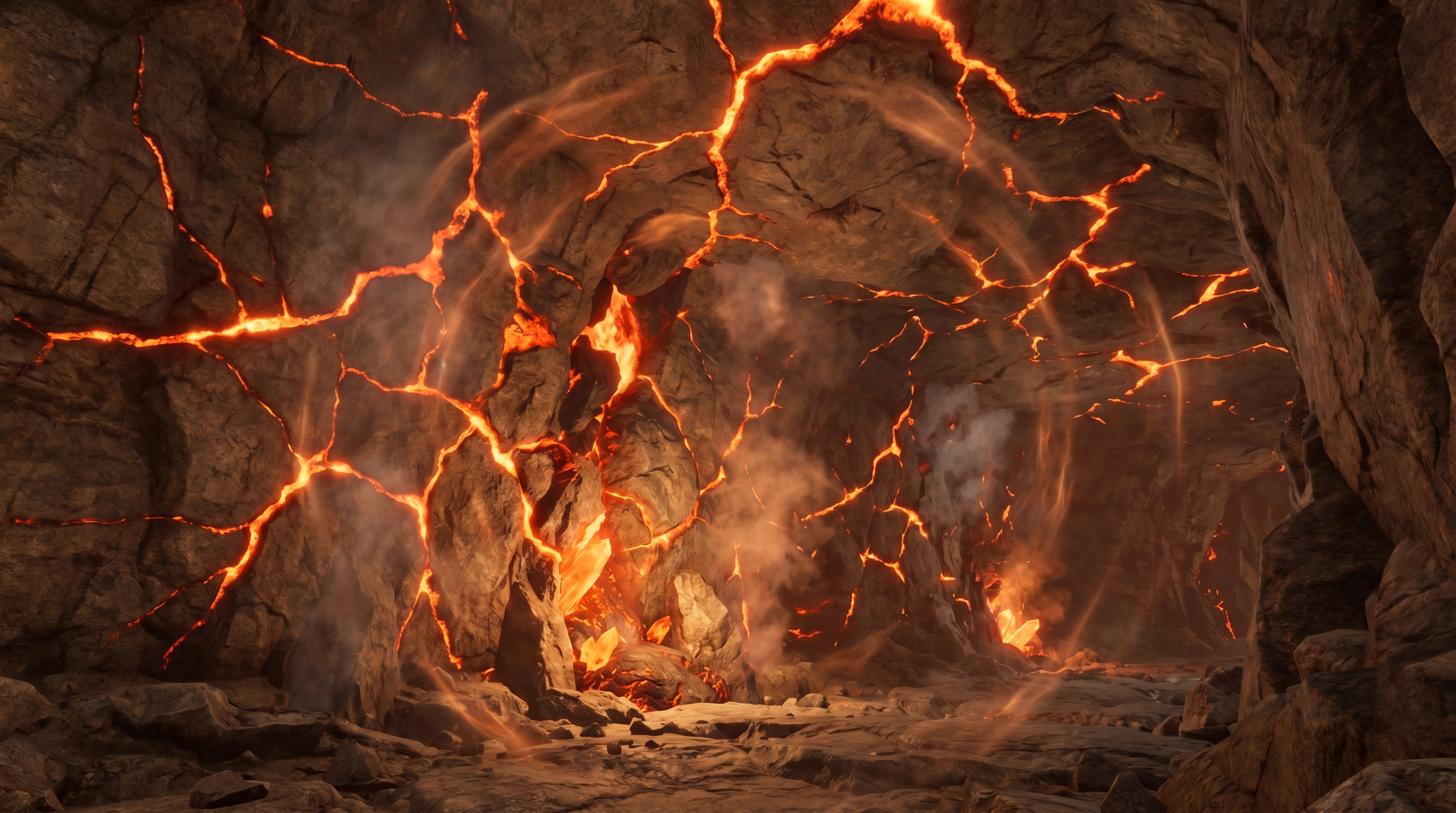
When magma gets trapped, it creates vibrations. As gas bubbles expand and crack the surrounding stone, these tiny movements travel up through the mountain, sounding like a deep rumble.
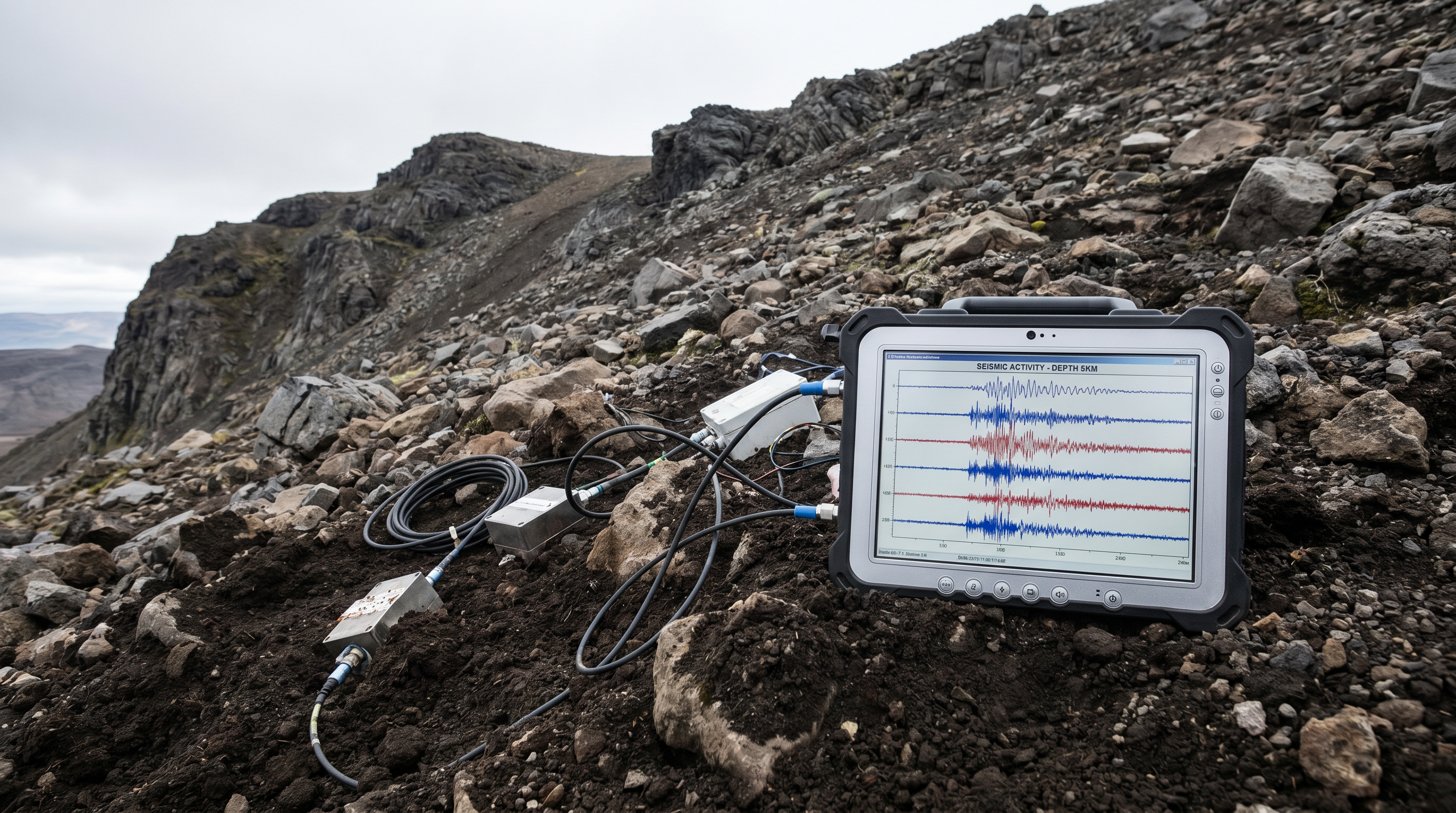
If you were a geologist listening to these grumbles, how would you tell if the mountain is just settling or getting ready to erupt? What clues might the ground reveal?
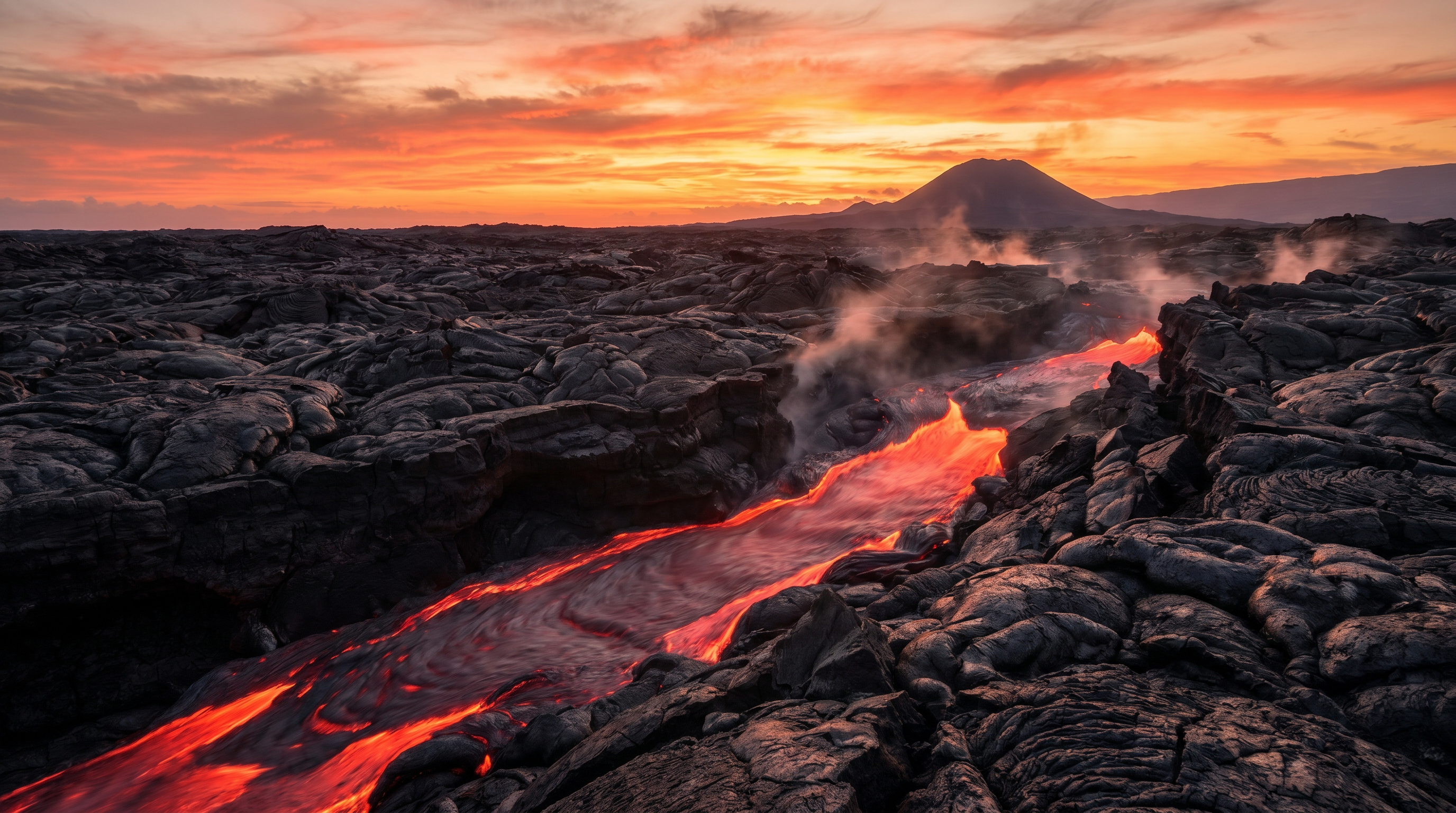
In the real world, volcanoes like those in Hawaii show us this process daily. The magma moves through hidden tunnels, causing the ground to tilt and shift before lava appears.
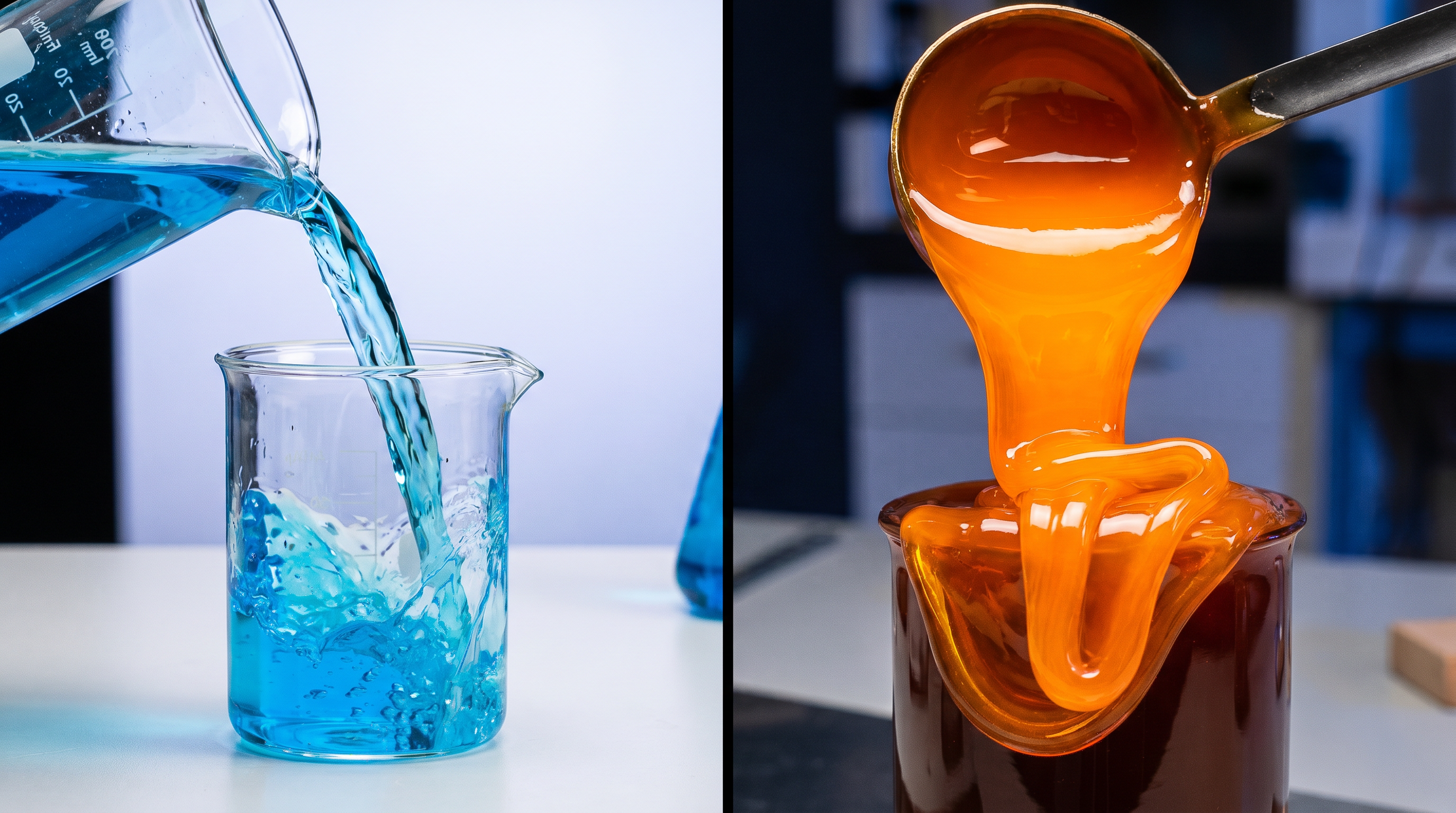
Many people think lava is just like water, but it is actually much thicker! It moves slowly like cold honey or thick syrup because it is made of melted minerals.
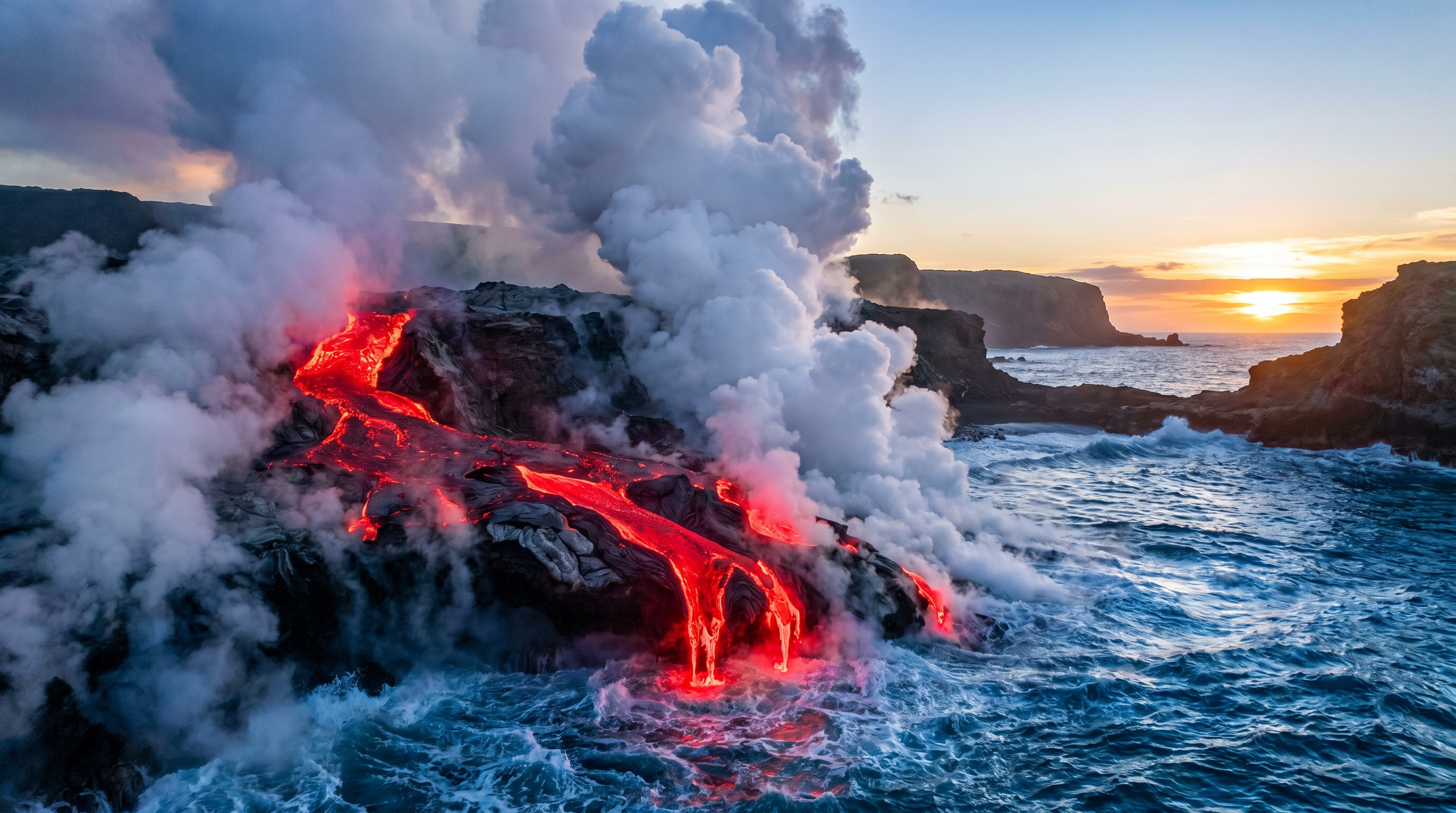
We have learned that magma is pressurized rock soup that creates rumbles before it flows. But here is a mystery: what happens when this lava meets the cold ocean water?
Describe any idea in a sentence and Remee builds it for you — stories, games and quizzes on whatever you or your class are working on. Free to start, no card needed, and everything you make gets a link you can share anywhere.
Remee turns any idea into an illustrated story, a playable game, or an interactive quiz — at home or in the classroom.