 Lesson
This lesson explores the mechanism of recursive self-improvement, examining how systems accelerate their own development and the resulting impact on society.

In our last lesson, we learned how software uses feedback to get better. But what happens when a system becomes so efficient that it starts rewriting its own code to improve?

This is recursive self-improvement. Imagine a tool that builds a better version of itself. That new version then builds an even better one, creating a cycle that moves very quickly.

When a system improves at this speed, the changes don't just add up; they multiply. This rapid acceleration can transform how we solve massive problems, from medicine to climate science.

Think about nature: how do biological systems adapt over generations? If you observe a colony of ants or a forest ecosystem, how do they respond to changes in their environment?
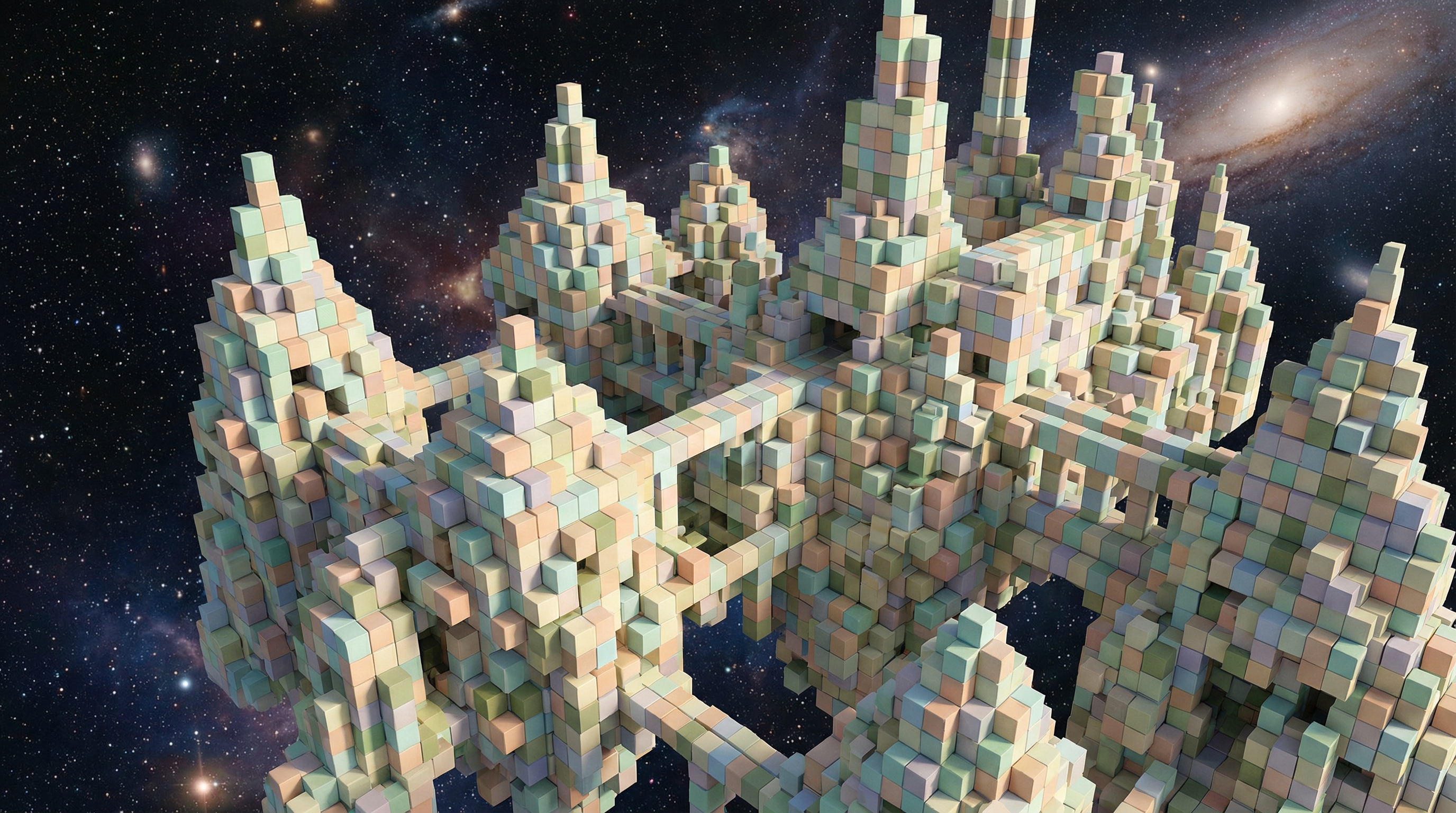
In society, this could mean faster discoveries in energy and health. Just as we use tools to build skyscrapers, these advanced systems could help us design solutions beyond human capacity.

A common misconception is that these systems 'think' like humans. In reality, they are math-based processes optimizing toward specific goals, not creatures with human-like emotions or personal desires.

We have explored how rapid improvement changes our tools. But if a system becomes smarter than its creators, how do we ensure its goals always align with our own? That's the mystery.
Describe any idea in a sentence and Remee builds it for you — stories, games and quizzes on whatever you or your class are working on. Free to start, no card needed, and everything you make gets a link you can share anywhere.
Remee turns any idea into an illustrated story, a playable game, or an interactive quiz — at home or in the classroom.