 Story
StoryDiscover how epigenetic changes, influenced by environment, can be passed down through generations, affecting our inherited traits.

Remember how we learned your environment could switch your genes on or off, like adjusting a light dimmer? Those subtle changes, called epigenetic marks, are more powerful than we thought.
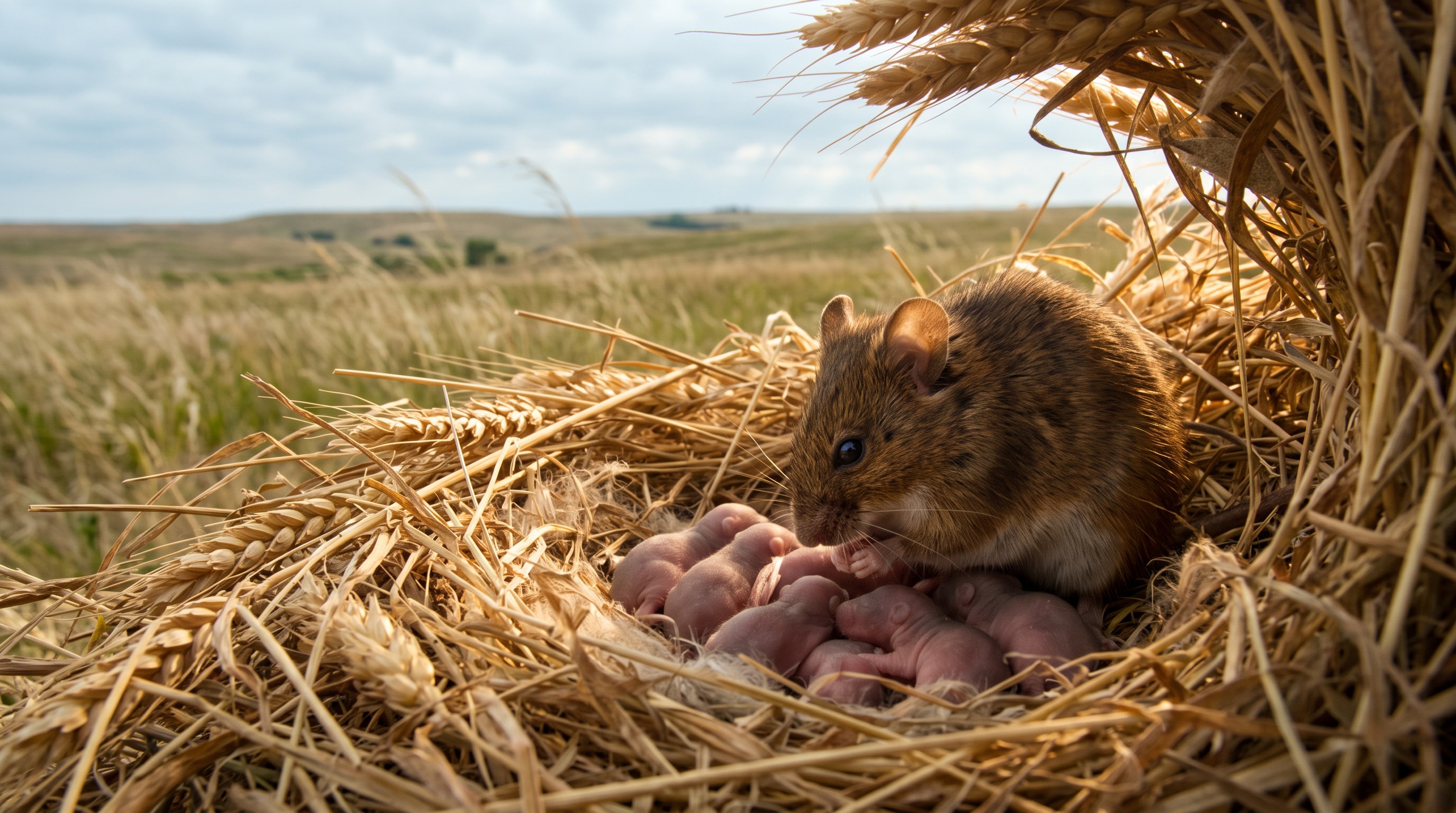
For a long time, we thought these epigenetic settings were completely wiped clean with each new generation. But nature, in its wisdom, often has surprises in store for us.
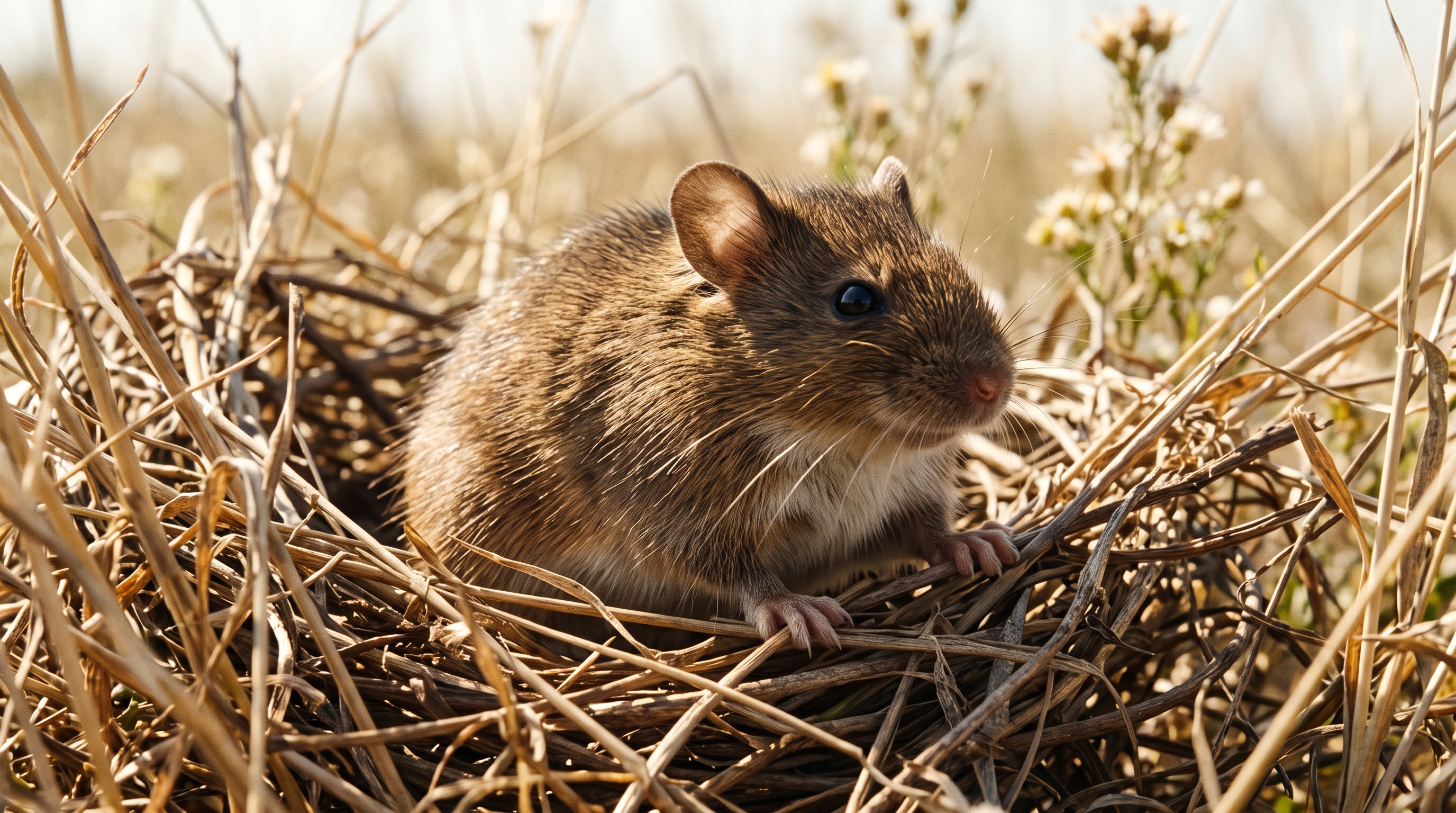
Take, for instance, a mother mouse who experiences scarcity. Her epigenetic tags might tell her body to conserve resources. Sometimes, these tags aren't fully erased, passing a 'pre-set' to her pups.
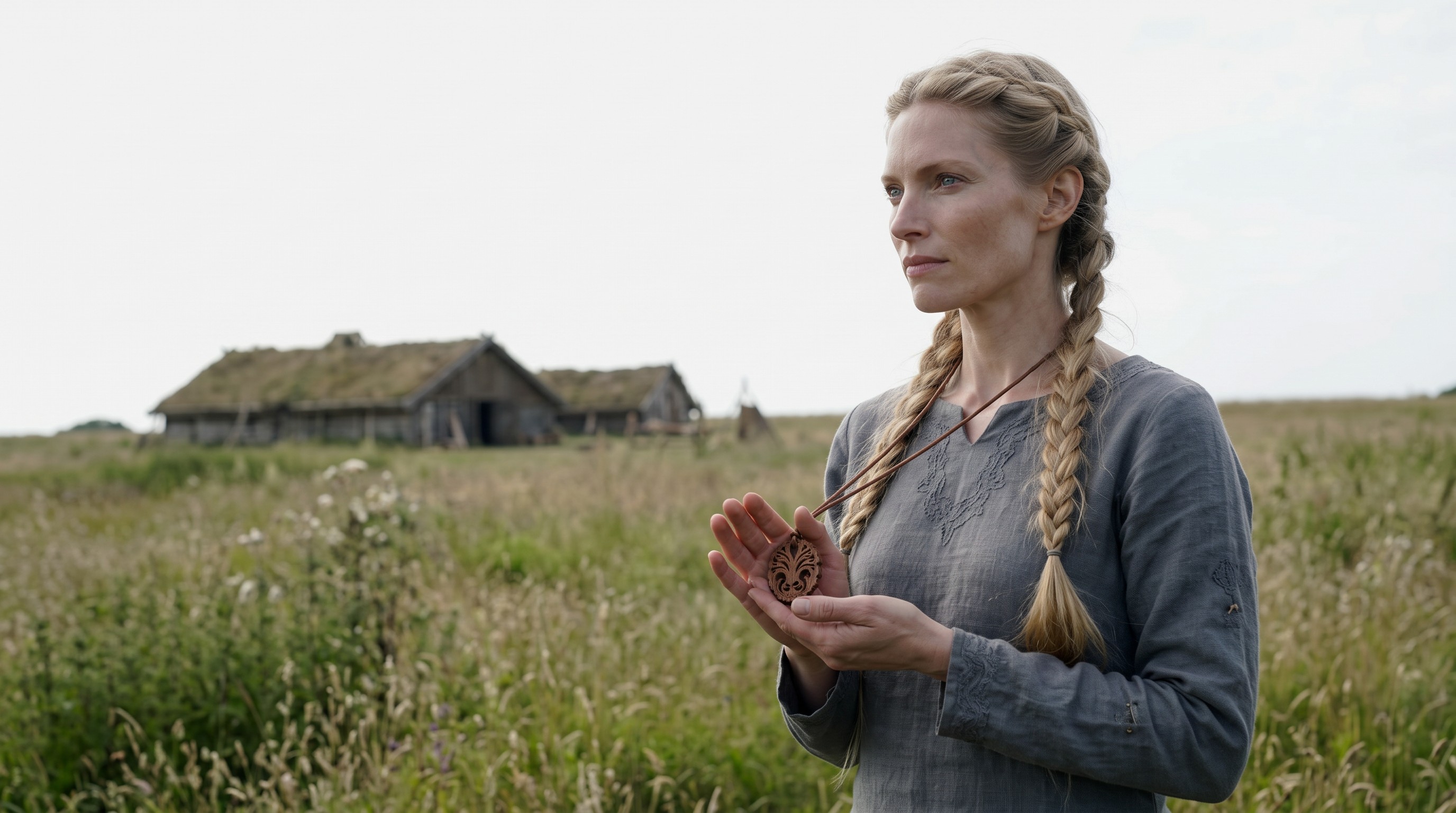
This means the pups might be born with epigenetic settings already geared for hardship, even if their own environment is abundant. It’s a generational echo, a memory coded beyond DNA.
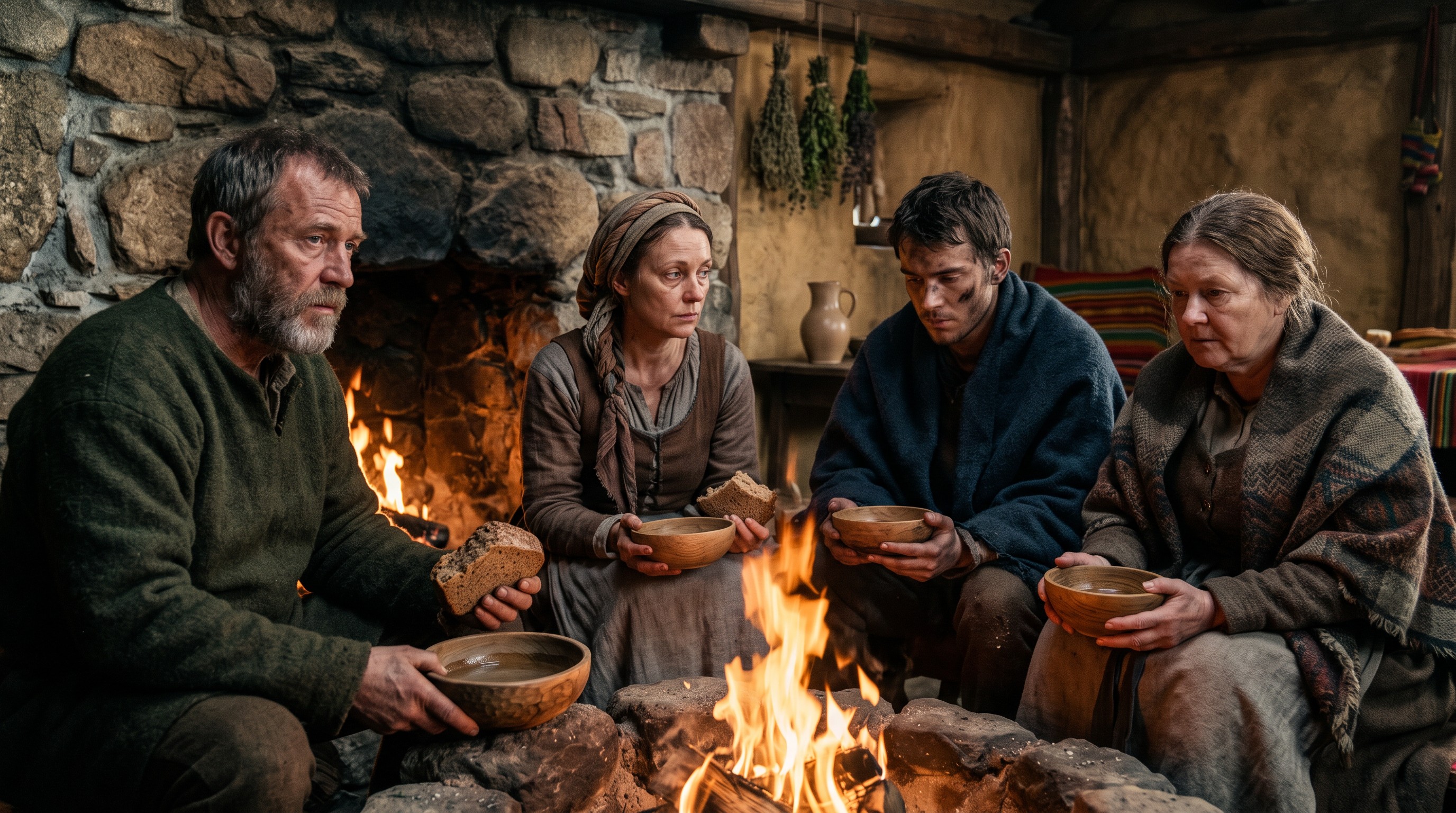
And it’s not just in mice! Studies in humans, like those tracing the Dutch Hunger Winter, show that descendants of famine survivors had altered epigenetic markers affecting their metabolism.

These inherited epigenetic changes weren't in their DNA sequence, but in how their genes were 'read.' It highlights how deeply our ancestors' experiences can ripple through time.
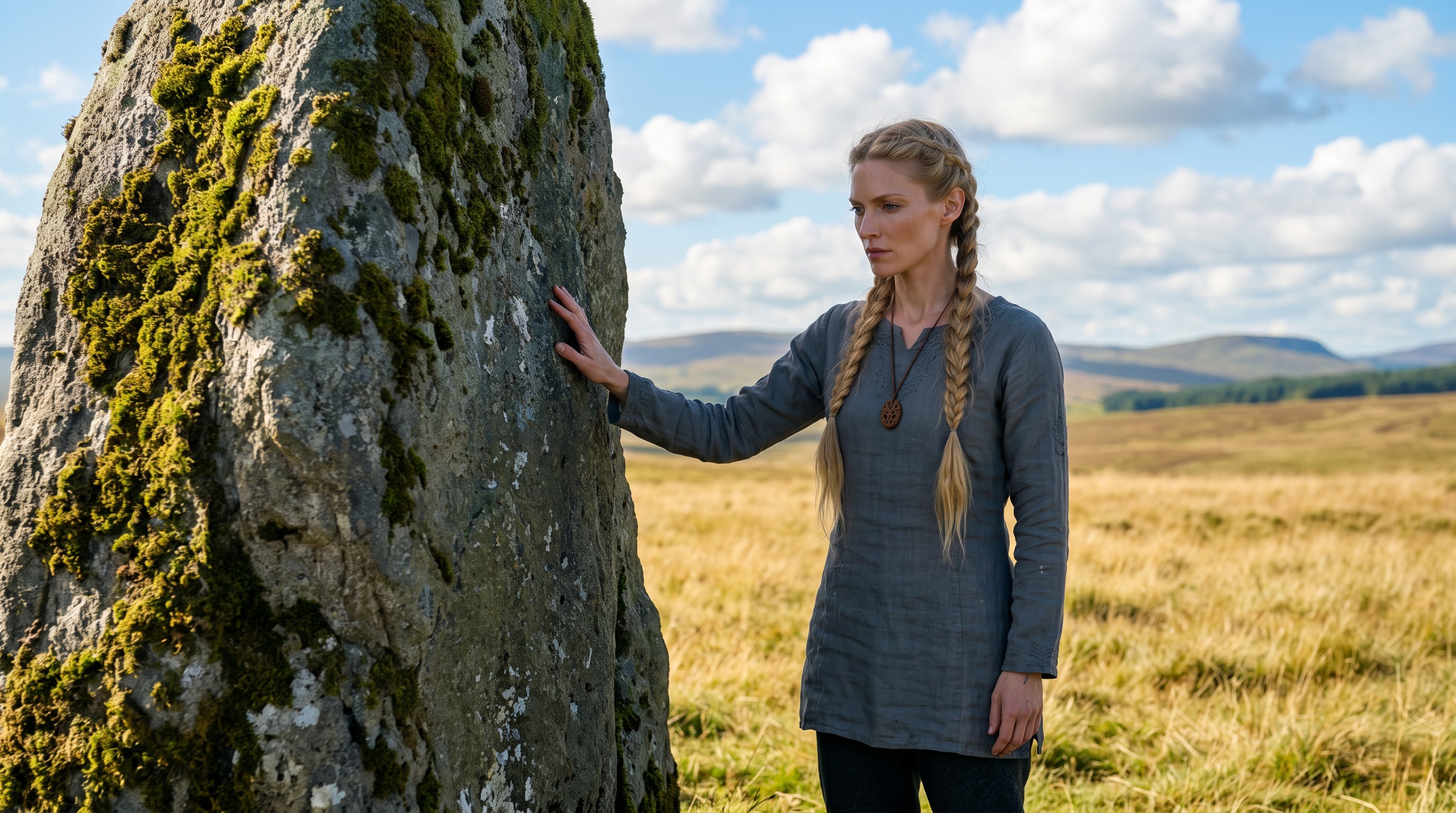
It makes us wonder, doesn't it? What silent stories, what whispers of triumphs or trials, are carried in our own epigenetic code? And what promise might lie in understanding them?
Describe any idea in a sentence and Remee builds it for you — stories, games and quizzes on whatever you or your class are working on. Free to start, no card needed, and everything you make gets a link you can share anywhere.
Remee turns any idea into an illustrated story, a playable game, or an interactive quiz — at home or in the classroom.