 Lesson
This lesson examines the protective strategies of protozoans, focusing on pellicles, extrusomes, and encystment as survival mechanisms against predation.
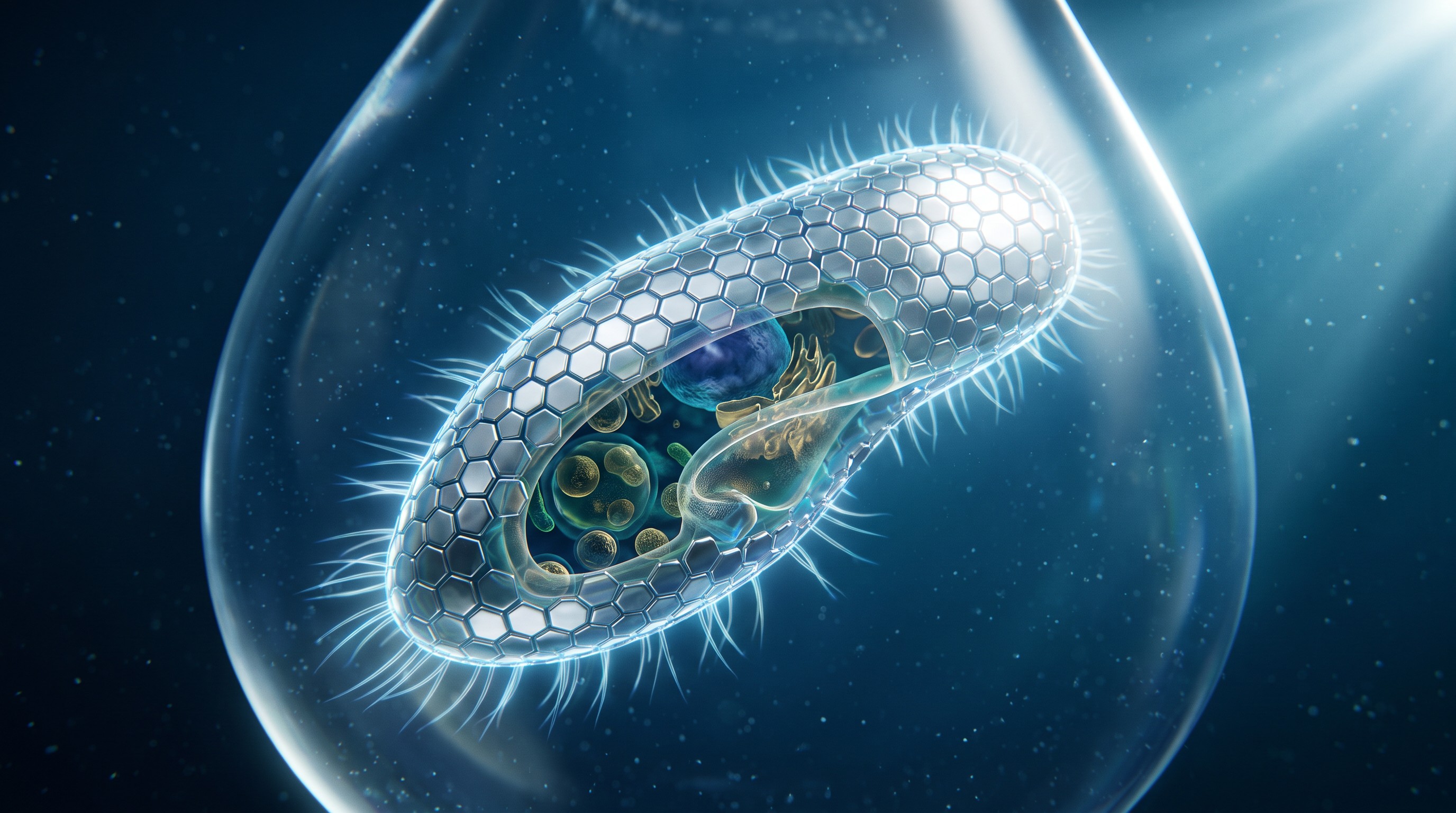
Protozoans thrive in volatile environments by deploying complex structural barriers. Unlike the simple cell walls of bacteria, these dynamic defenses allow for both physical protection and rapid, active environmental responses.
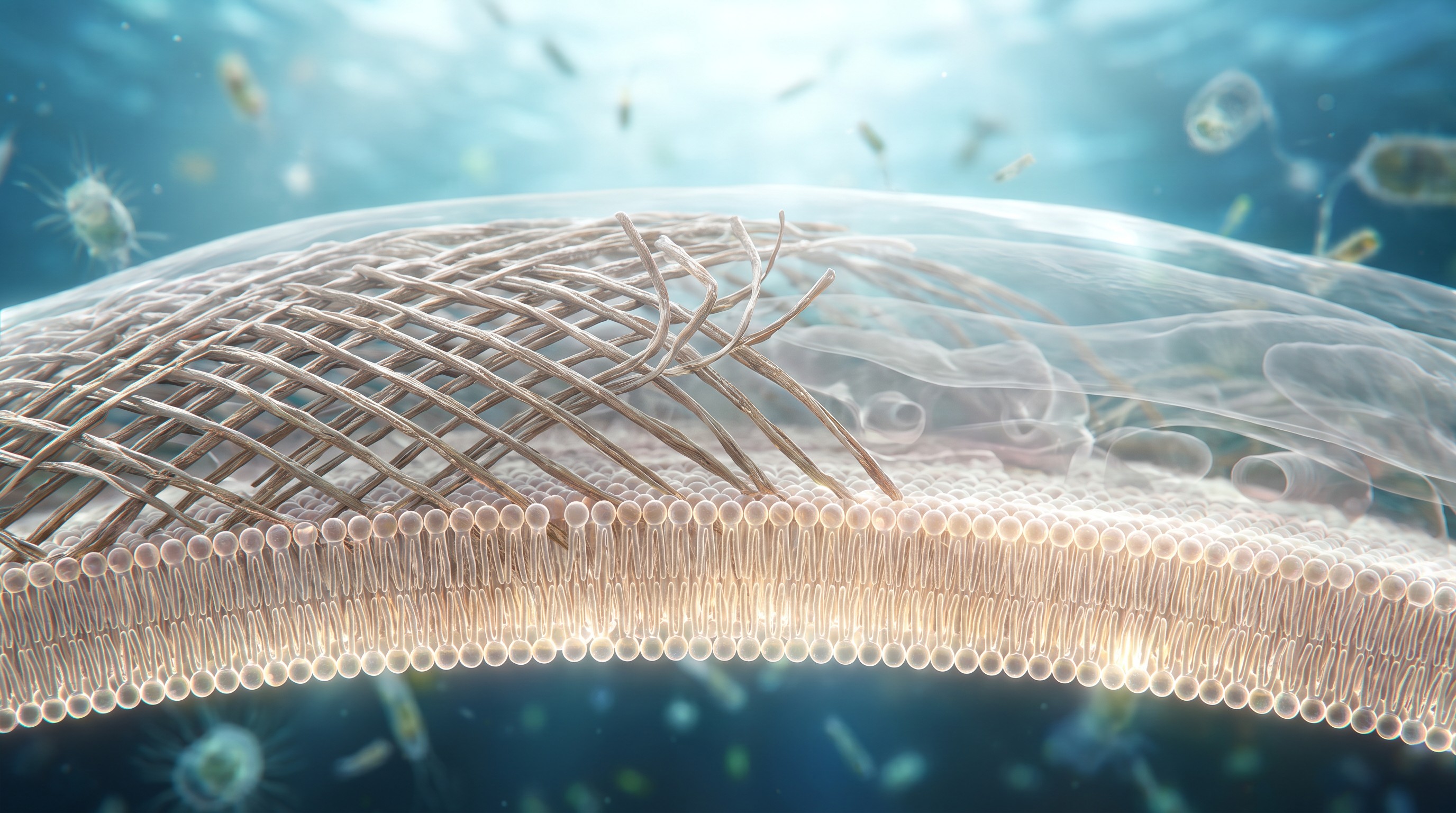
The primary defense is the pellicle, a specialized protein-rich layer beneath the plasma membrane. It provides a rigid yet flexible exoskeleton that maintains cell shape while shielding against external shear forces.
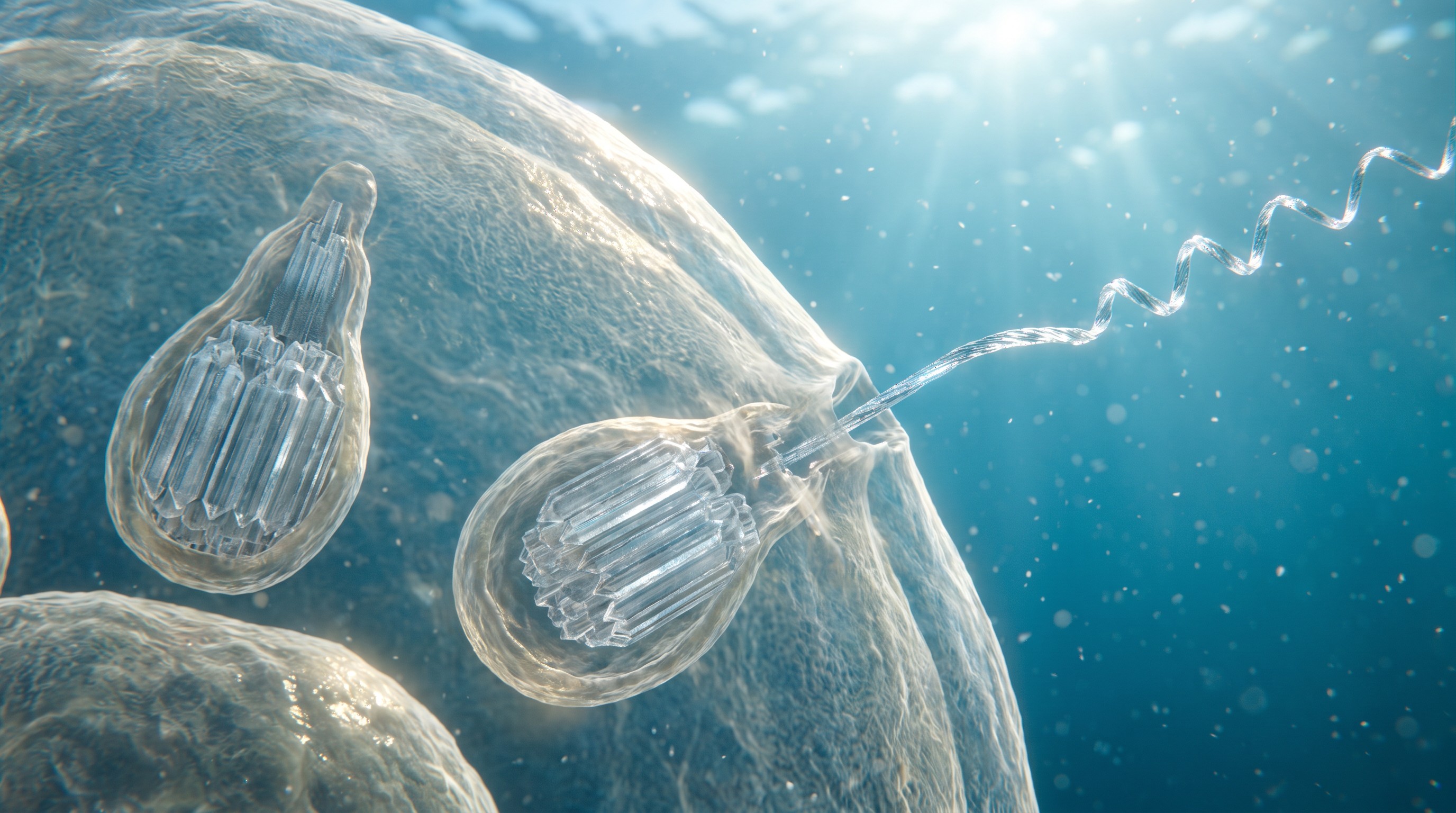
For active defense, many ciliates possess extrusomes called trichocysts. These membrane-bound organelles rapidly discharge proteinaceous filaments when the cell is disturbed, creating a physical barrier to deter encroaching predators like rotifers.
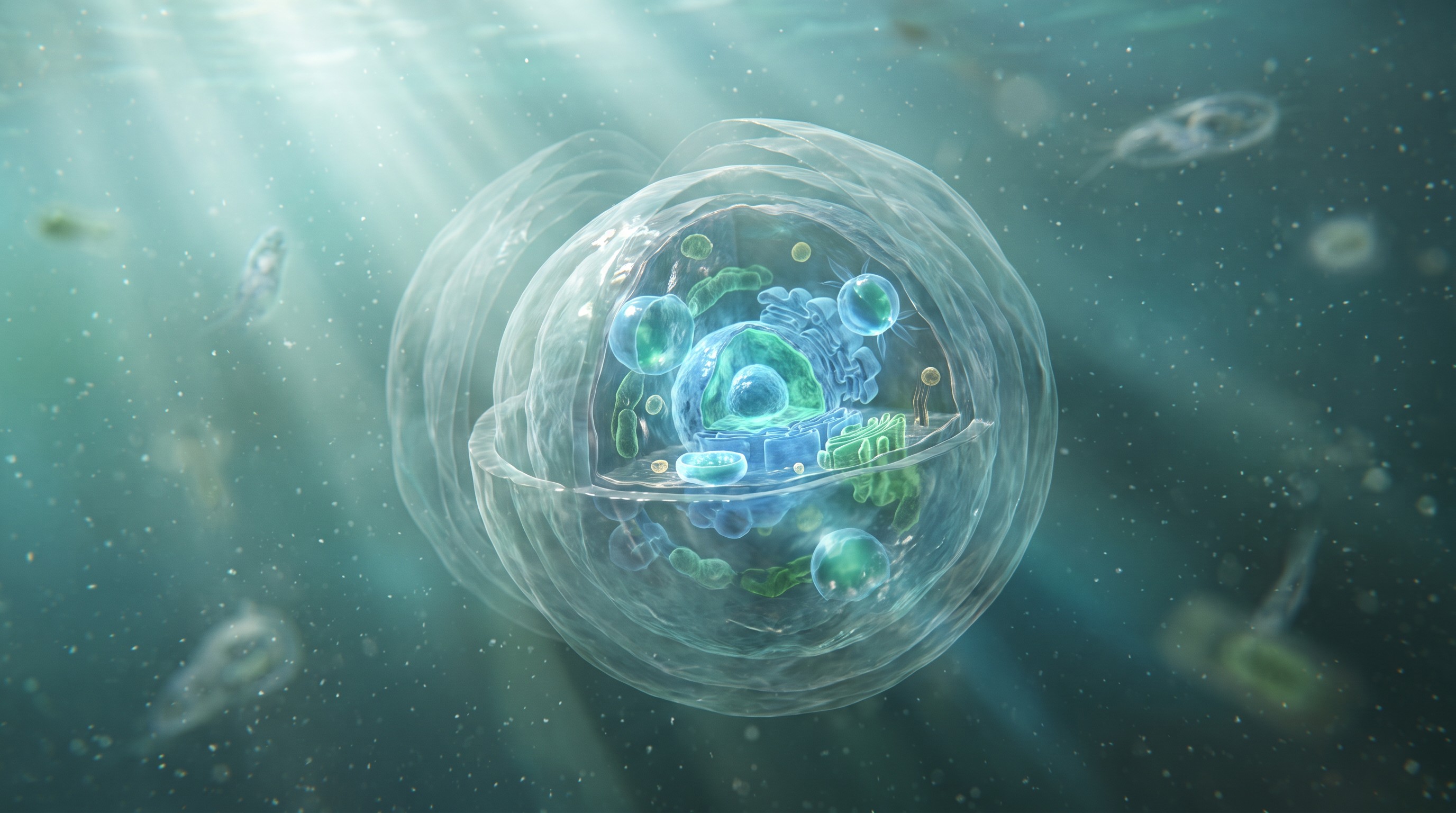
When observing a culture under a microscope, why might you see a protozoan suddenly form a thick, rounded shell? Could this be a response to the depletion of local nutrients or toxins?
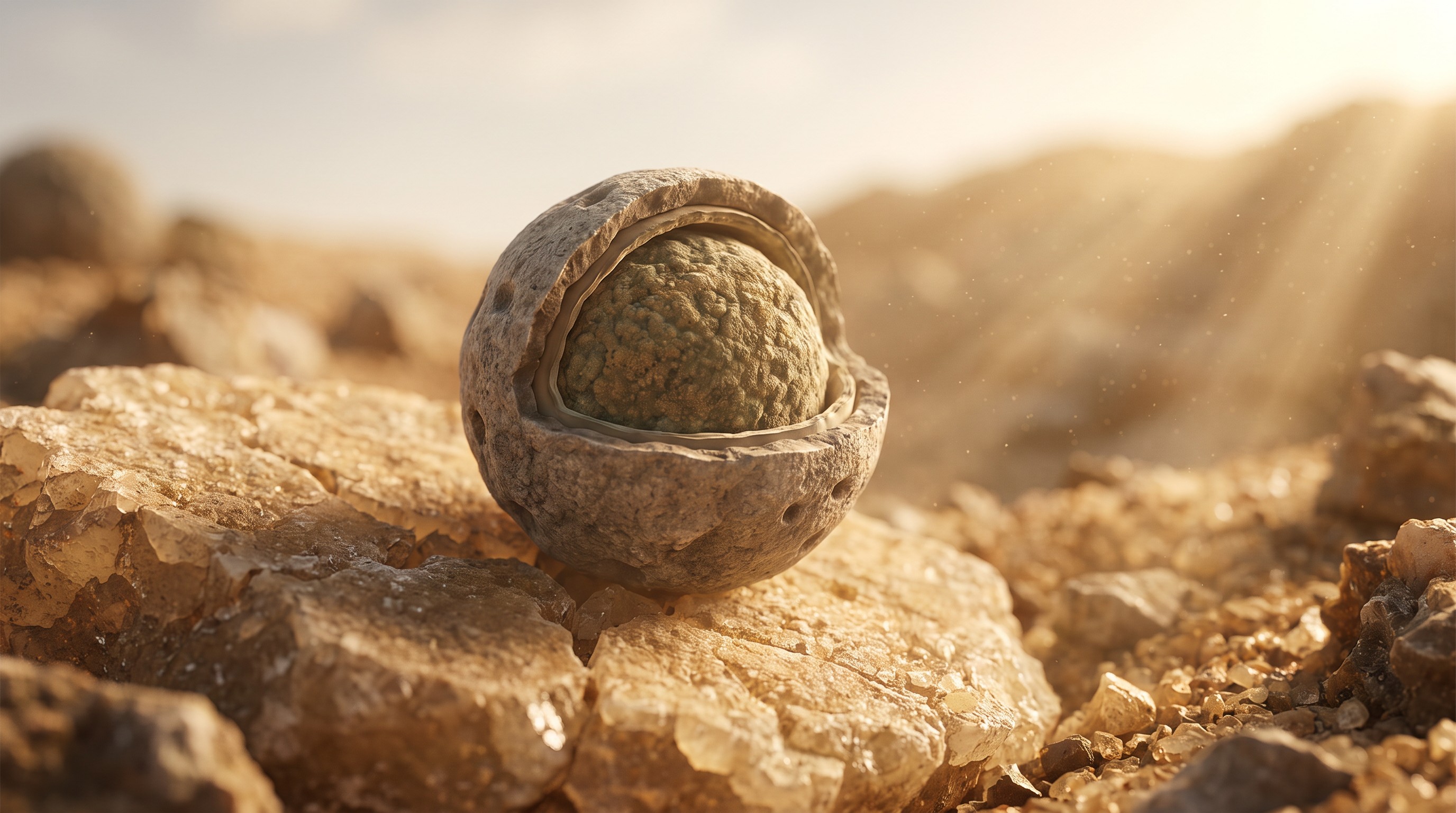
This process, encystment, allows protozoans to survive extreme desiccation and temperature fluctuations. The dormant cyst remains viable for years, acting as a biological time capsule waiting for favorable environmental conditions again.
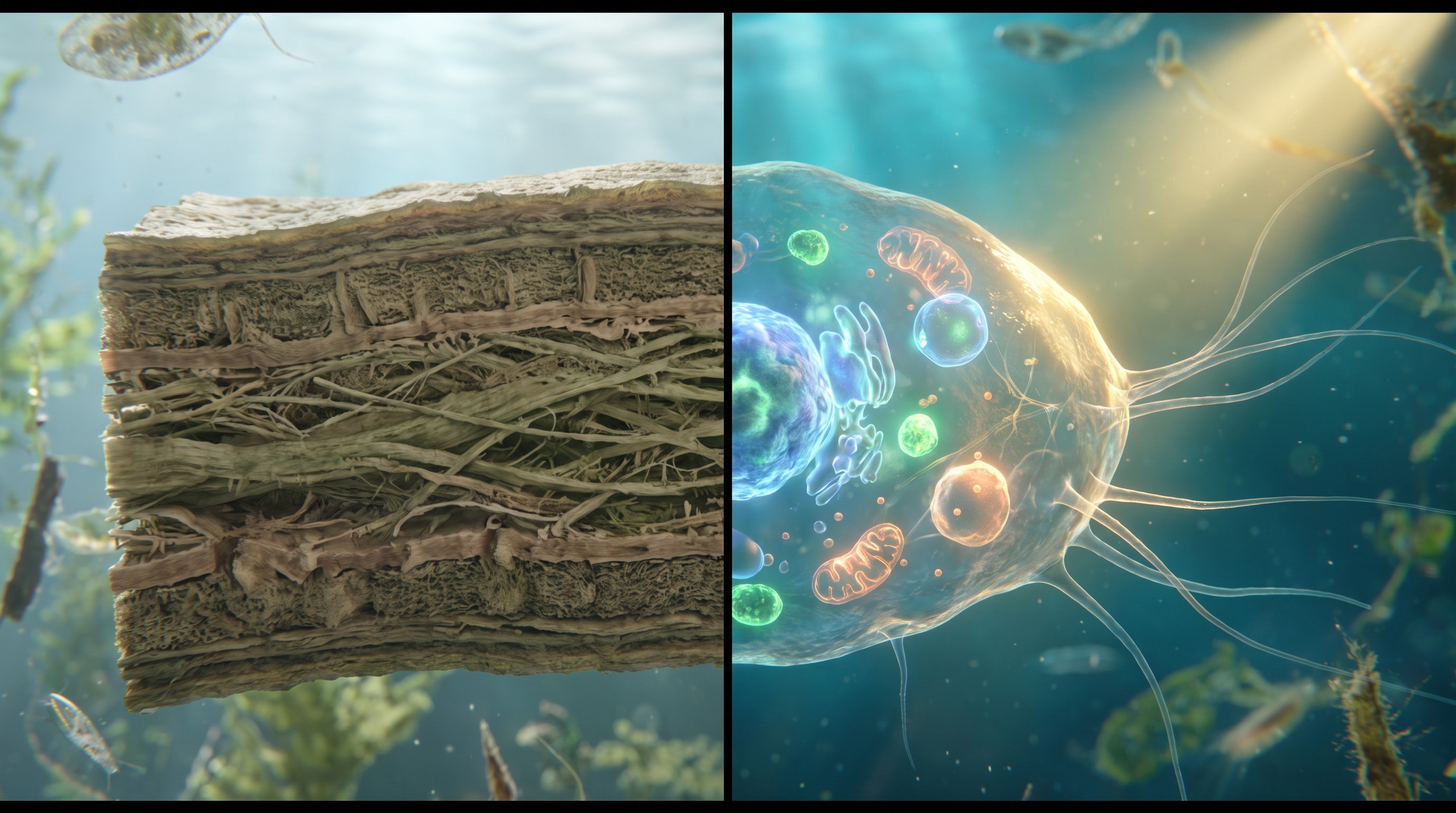
A common misconception is that protozoan defenses are passive. In reality, they are highly reactive; they don't just hide, they actively sense environmental stimuli and deploy chemical or physical counter-measures instantly.
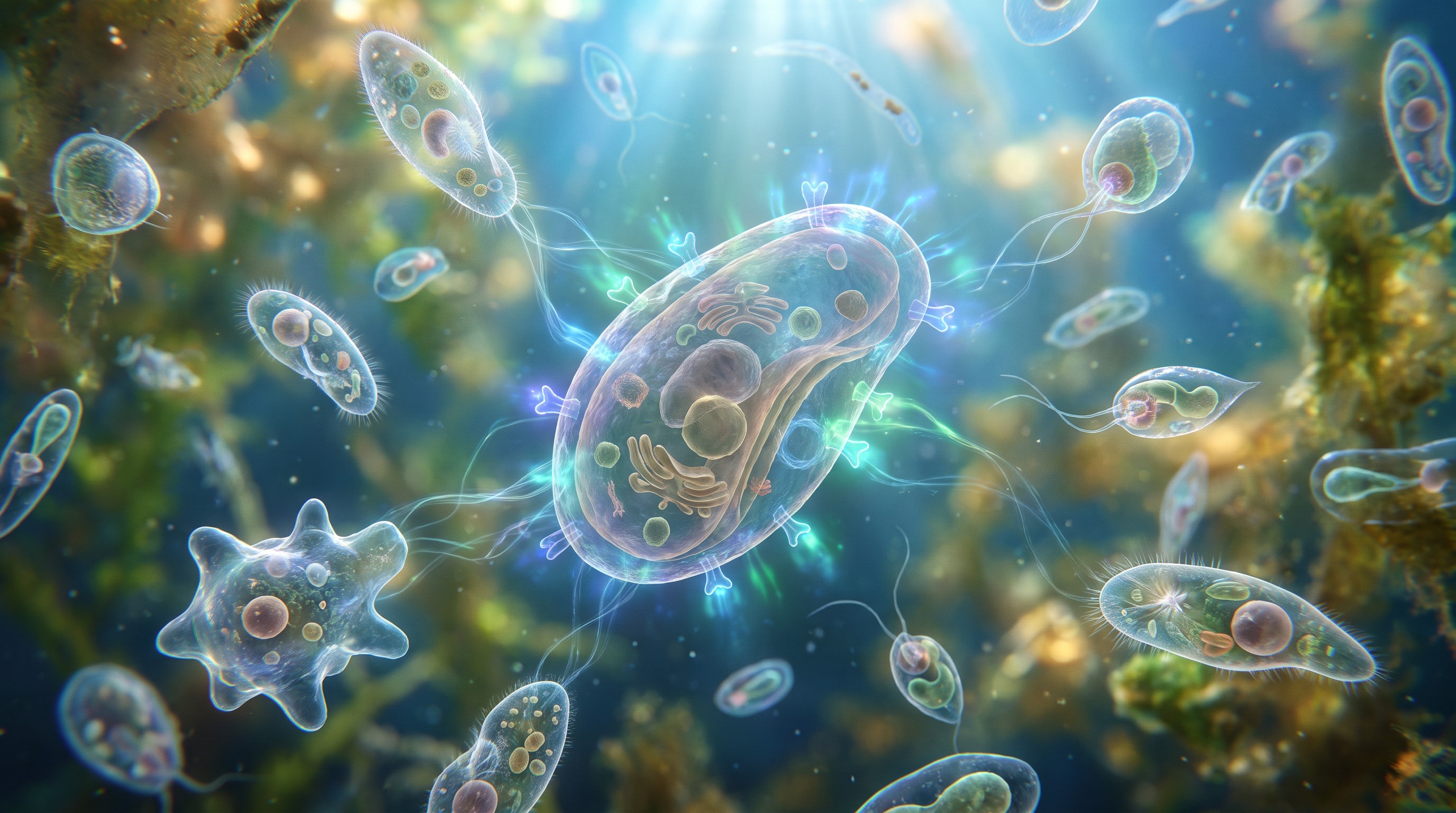
We have seen how pellicles and cysts provide structural security. But how do these organisms distinguish between a harmless particle and a predatory threat? That mystery remains a frontier in cell signaling.
Describe any idea in a sentence and Remee builds it for you — stories, games and quizzes on whatever you or your class are working on. Free to start, no card needed, and everything you make gets a link you can share anywhere.
Remee turns any idea into an illustrated story, a playable game, or an interactive quiz — at home or in the classroom.