 Lesson
This lesson explores the structural and orbital limits of space stations, moving from the concept of mass to the realities of orbital mechanics and structural tension.
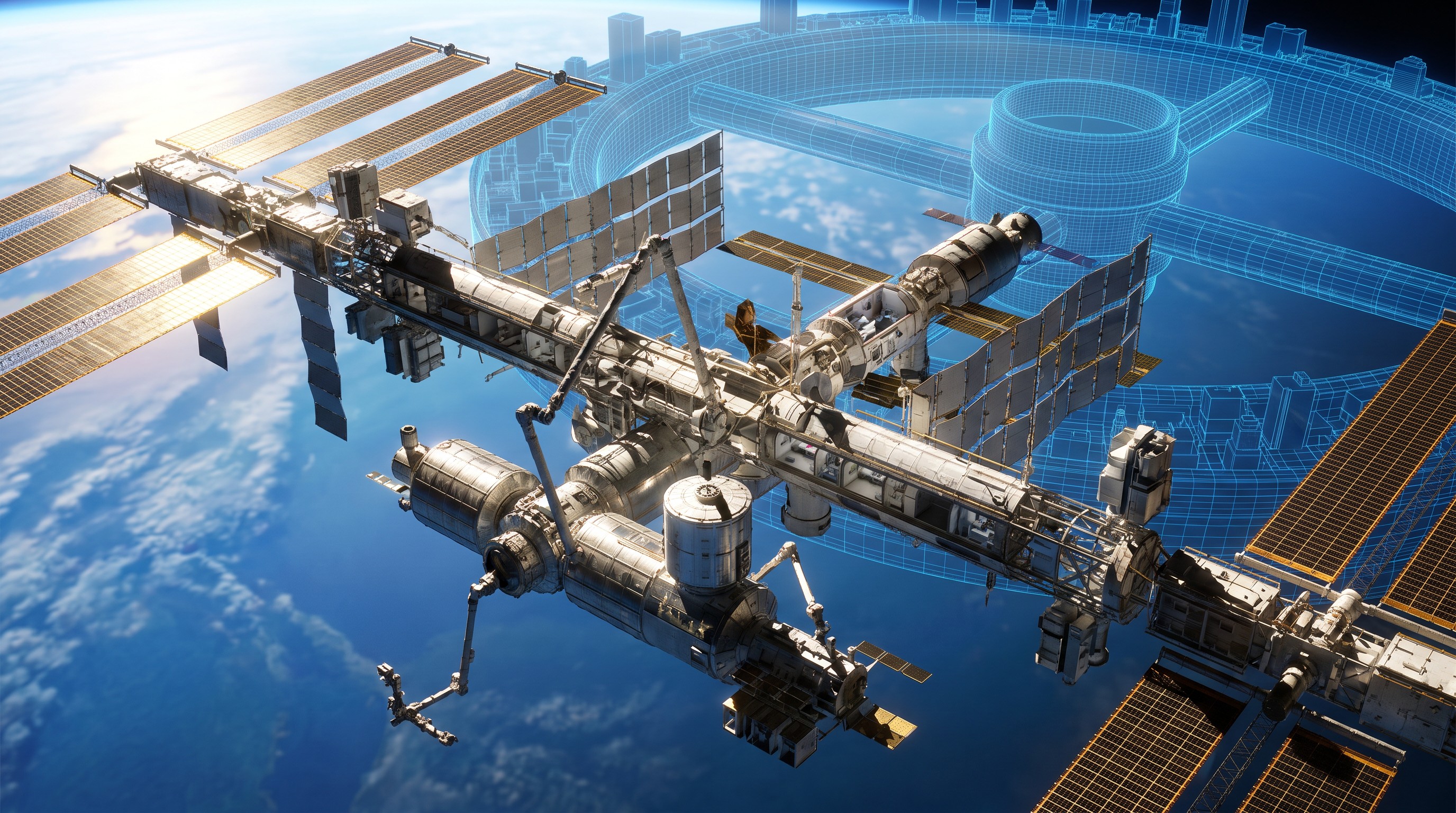
While we currently build modular stations like the ISS, could we build a structure the size of a city? Gravity and orbital velocity define the boundaries of what is possible.
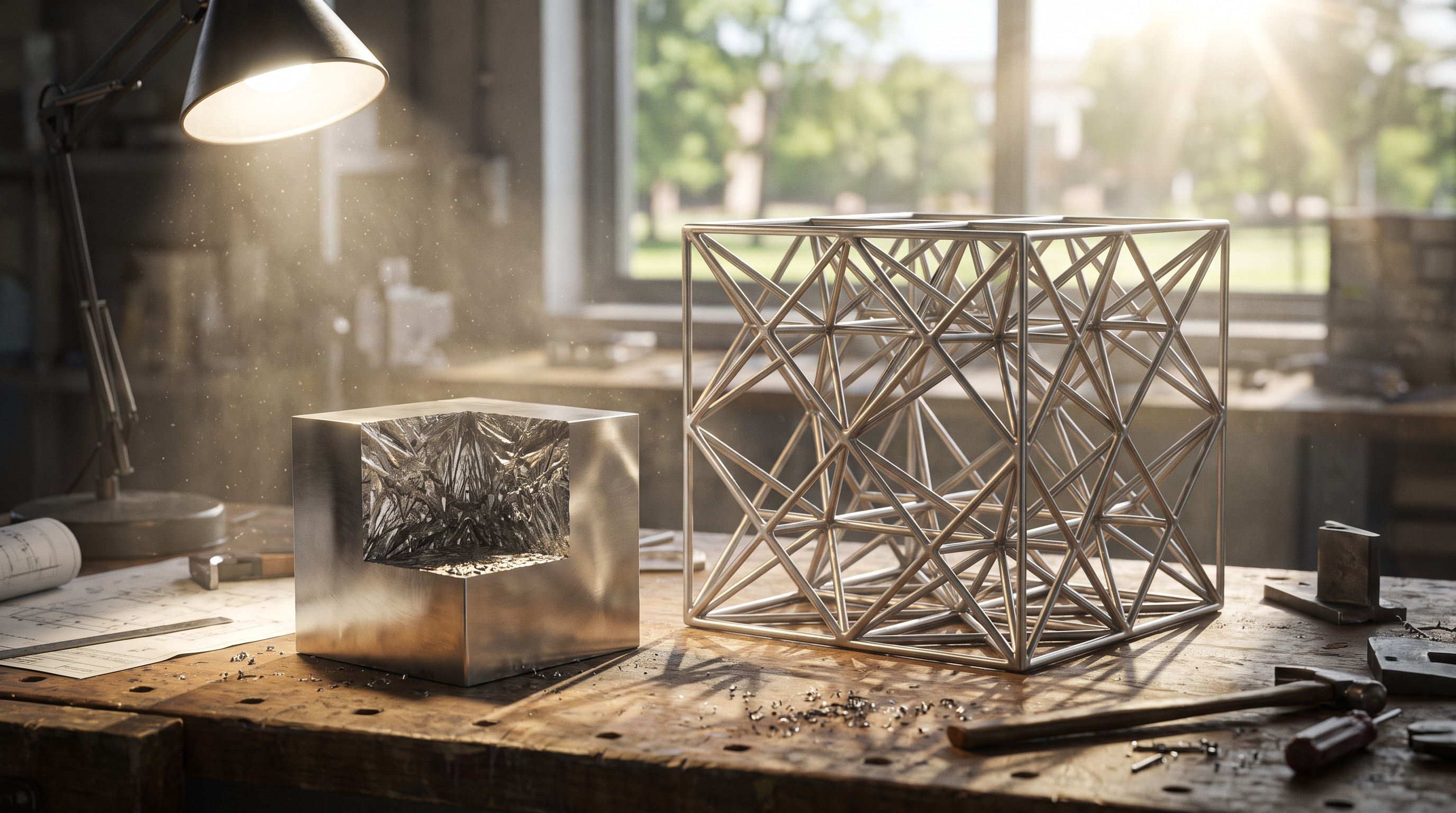
A space station is essentially a satellite in freefall. Its size is limited by the 'square-cube law,' where increasing the volume of a structure adds mass faster than its surface area.
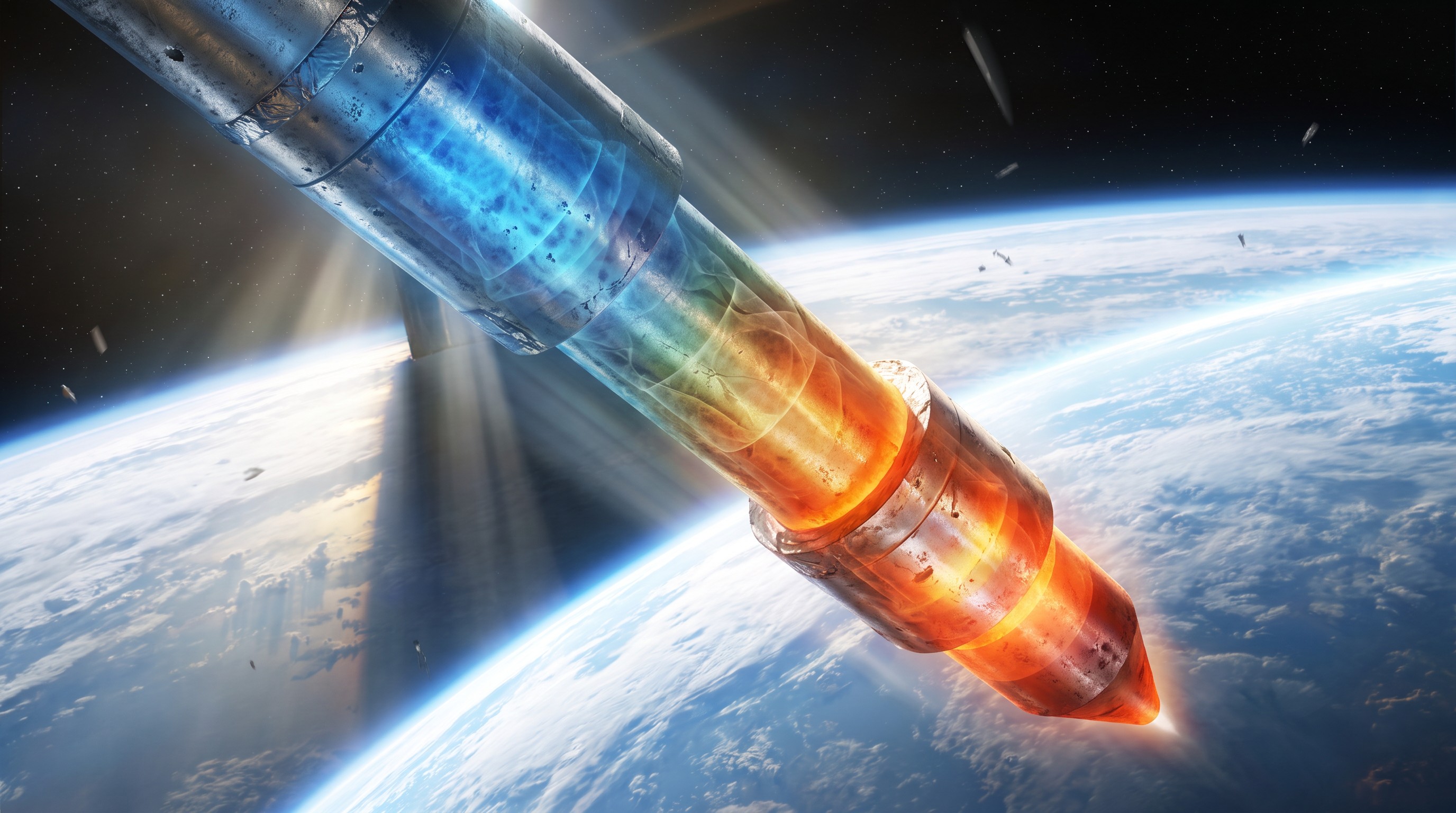
As we scale up, the 'gravity gradient' becomes a problem. The side of a giant station closer to Earth feels a stronger pull than the side further away, creating immense stress.
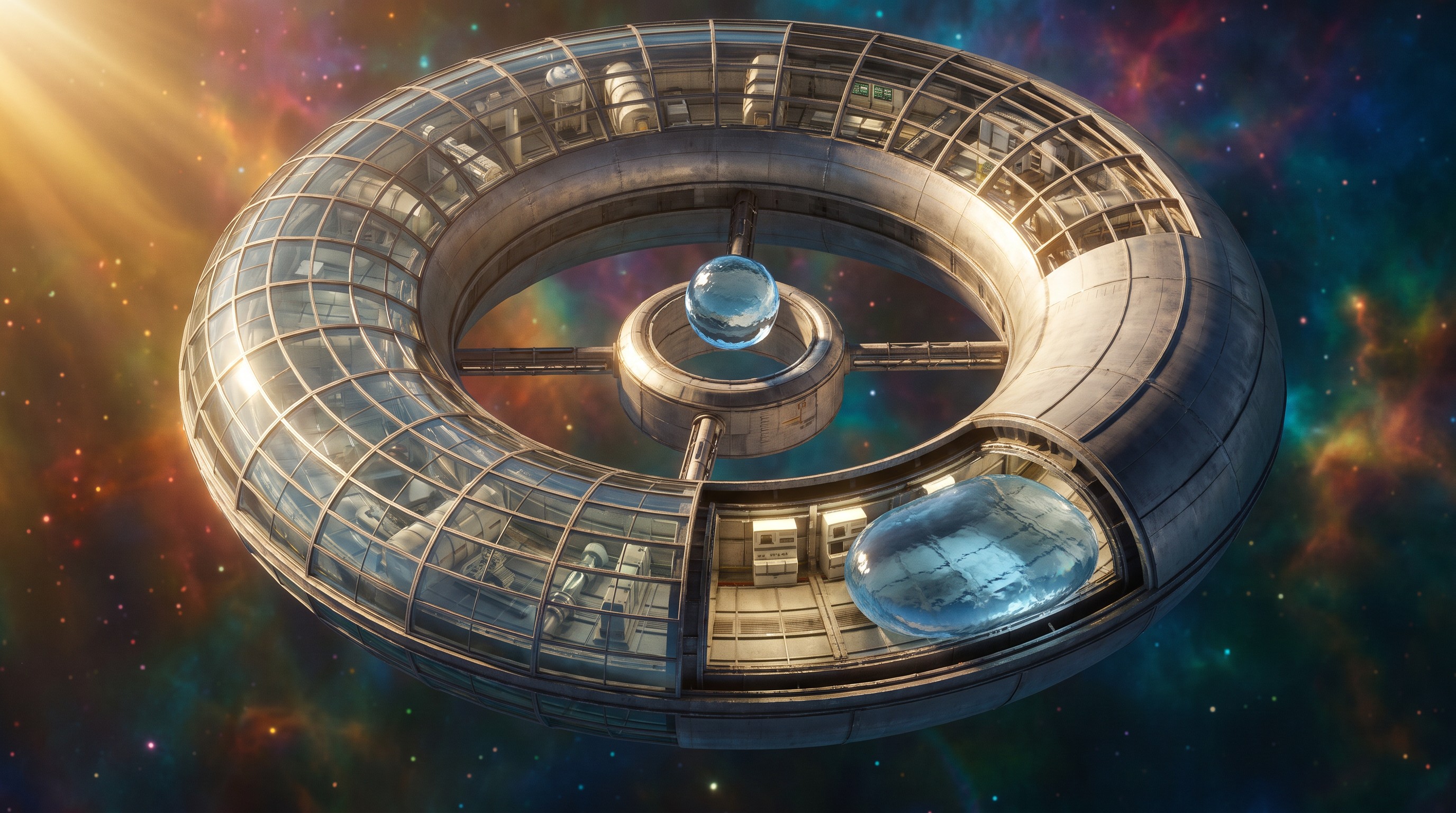
If you were on a rotating station, where would you feel the most 'gravity'? Consider how centripetal force acts differently on the center versus the outer rim of a spinning wheel.
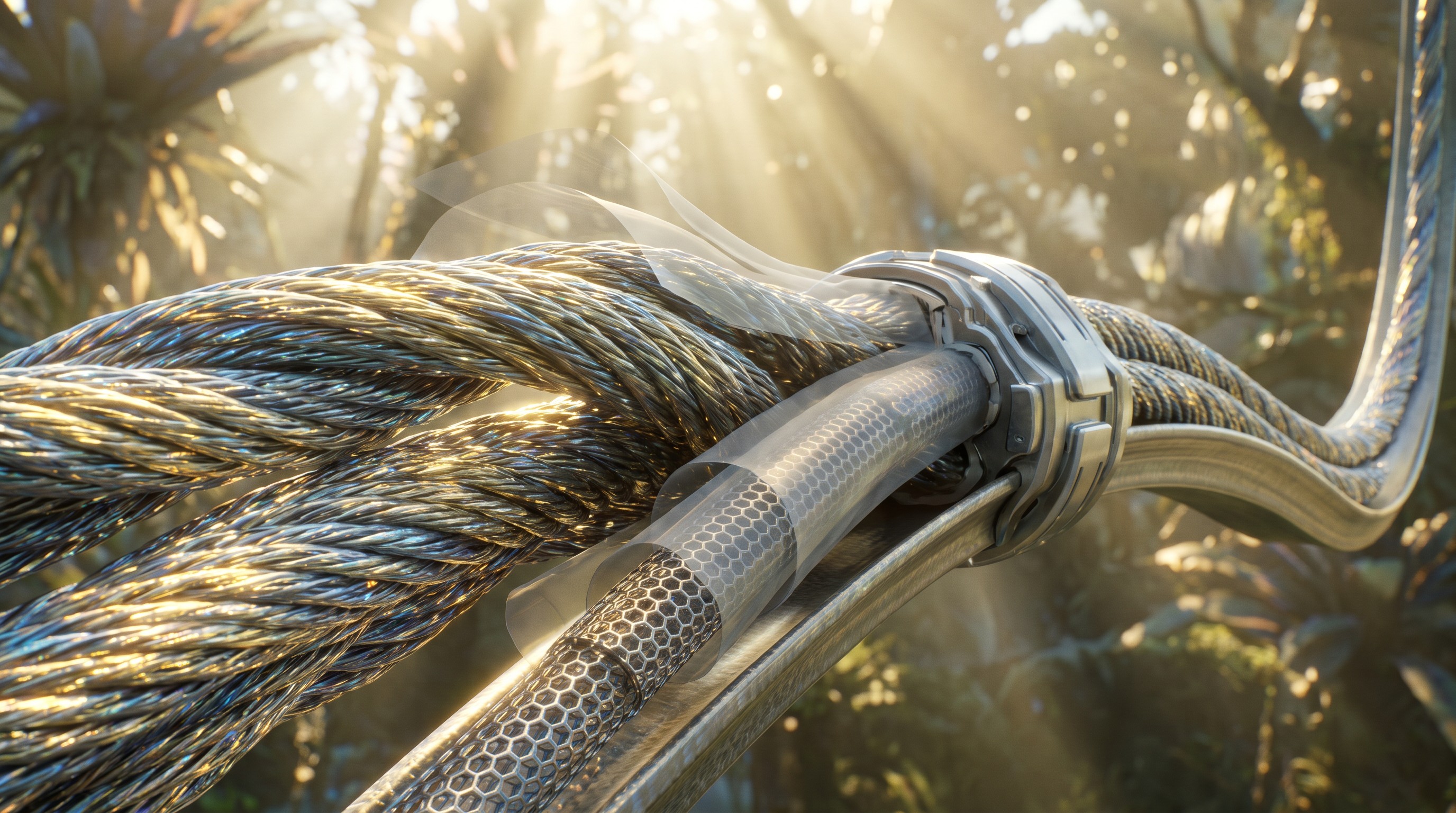
Just like a suspension bridge on Earth, giant space stations require high-tensile materials to prevent them from snapping under their own weight during maneuvers or rotation.
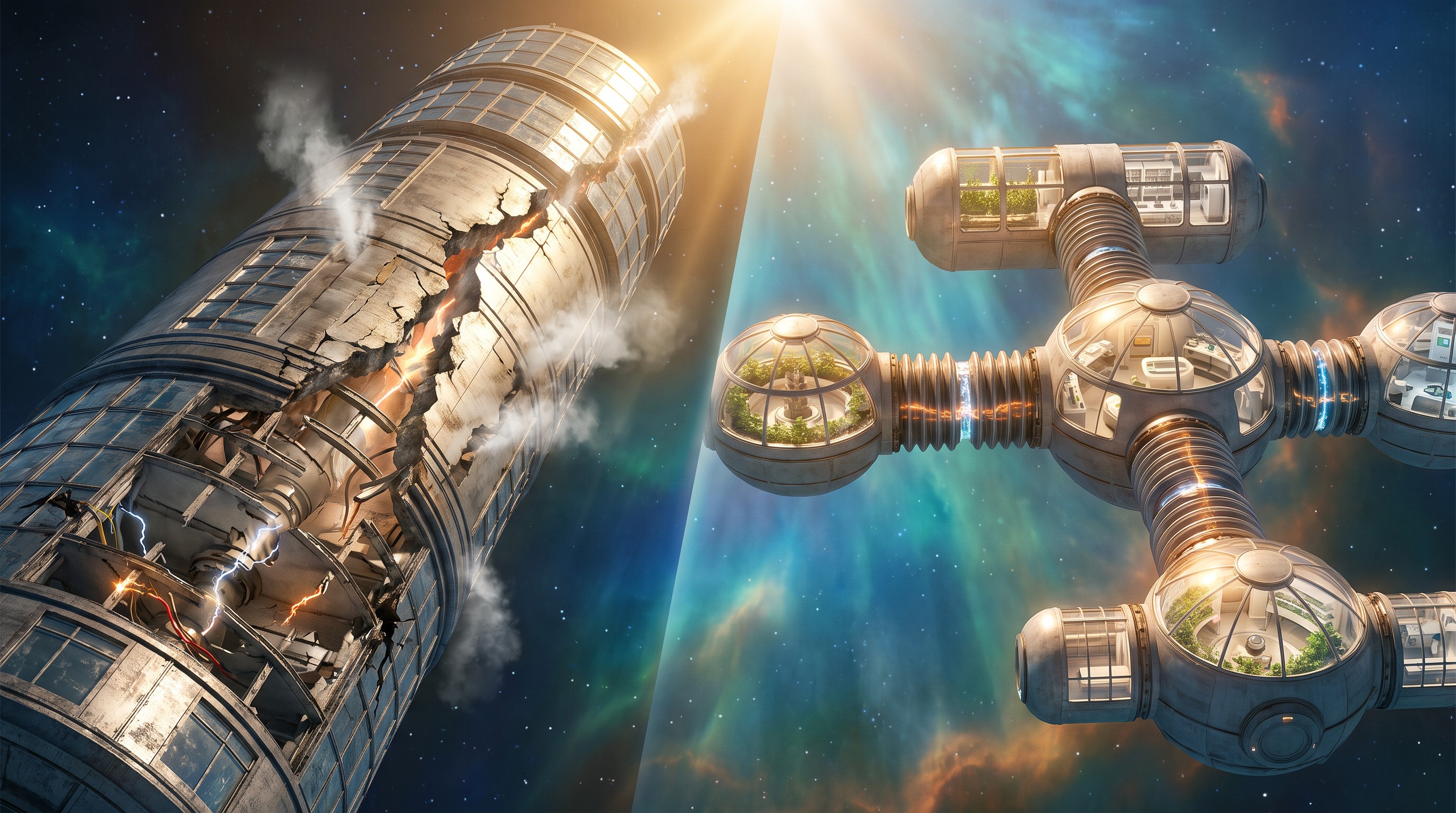
It is a misconception that space stations must be rigid to be big. Flexible, modular designs are actually safer because they can absorb the stresses of orbital movement and docking forces.
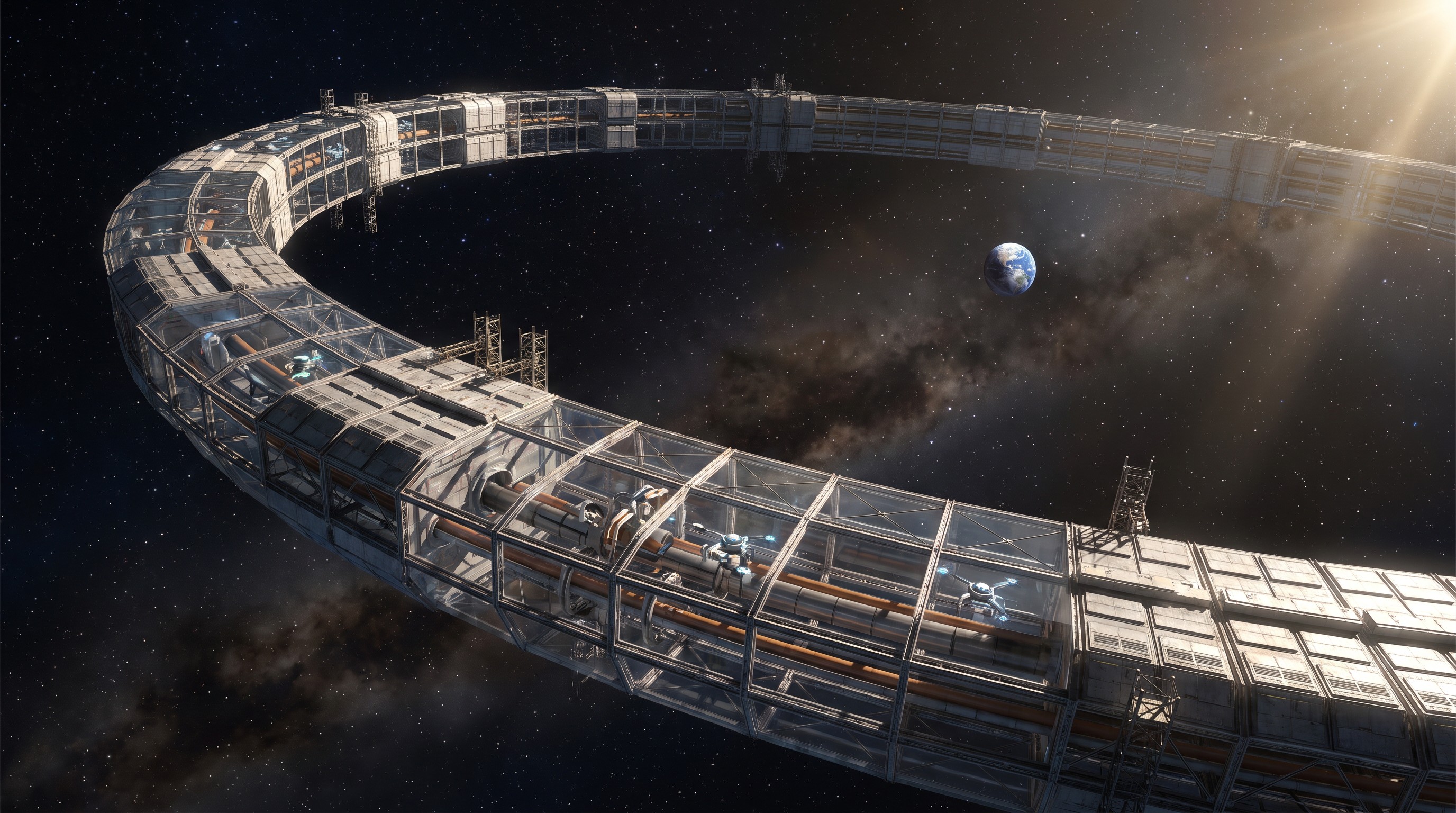
We have explored the physical limits of size, but what if we built stations in deep space instead of orbit? Could gravity-free environments allow for even larger, non-terrestrial structures?
Describe any idea in a sentence and Remee builds it for you — stories, games and quizzes on whatever you or your class are working on. Free to start, no card needed, and everything you make gets a link you can share anywhere.
Remee turns any idea into an illustrated story, a playable game, or an interactive quiz — at home or in the classroom.