 Lesson
This lesson explores the physical hardware shifts, from memory bandwidth to rack-level throughput, that enable today's massive machine learning models.
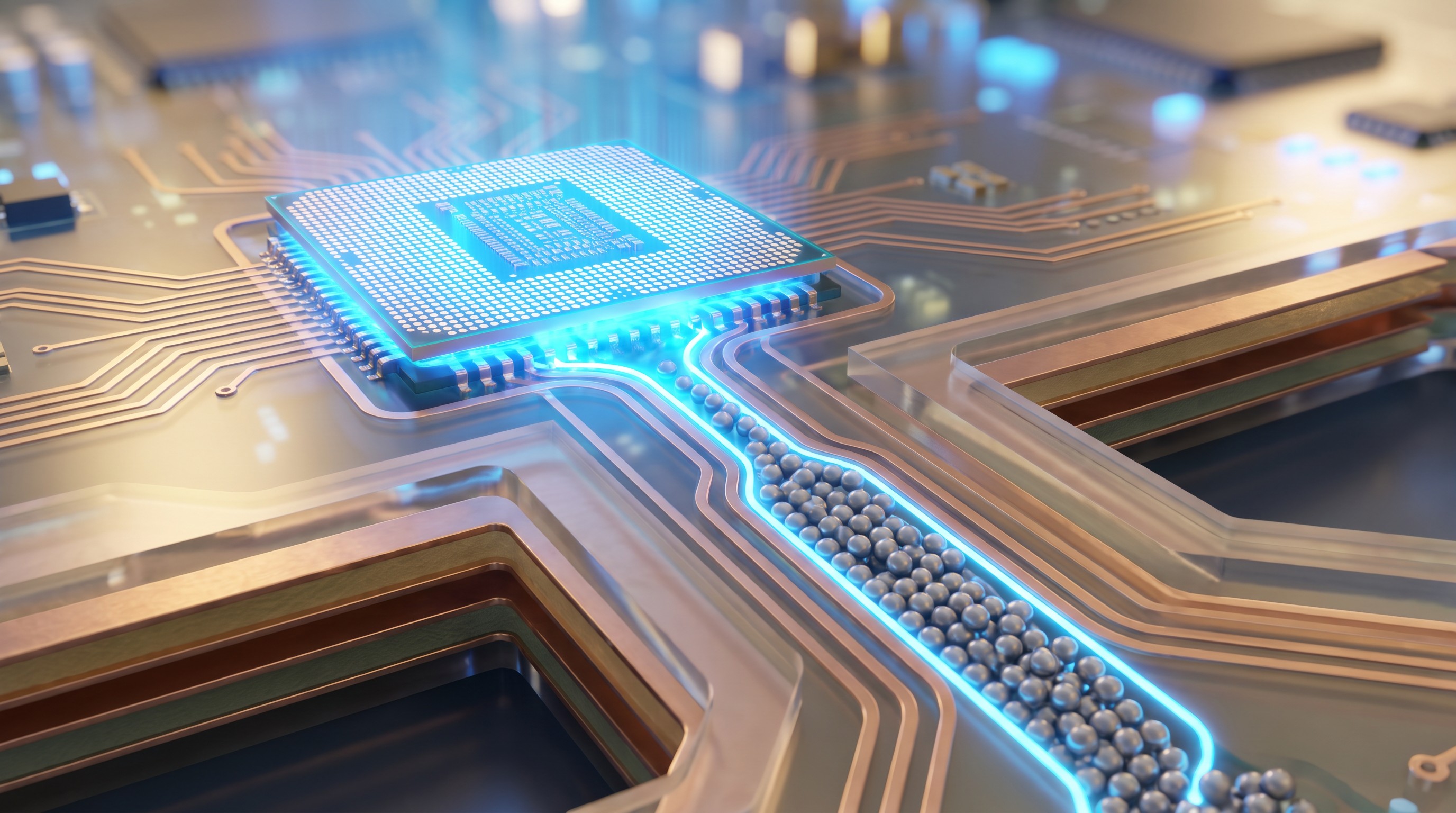
As models grow, the bottleneck shifts from pure computation to data delivery. We must move massive datasets from storage to the processor cores faster than ever before to avoid idle cycles.
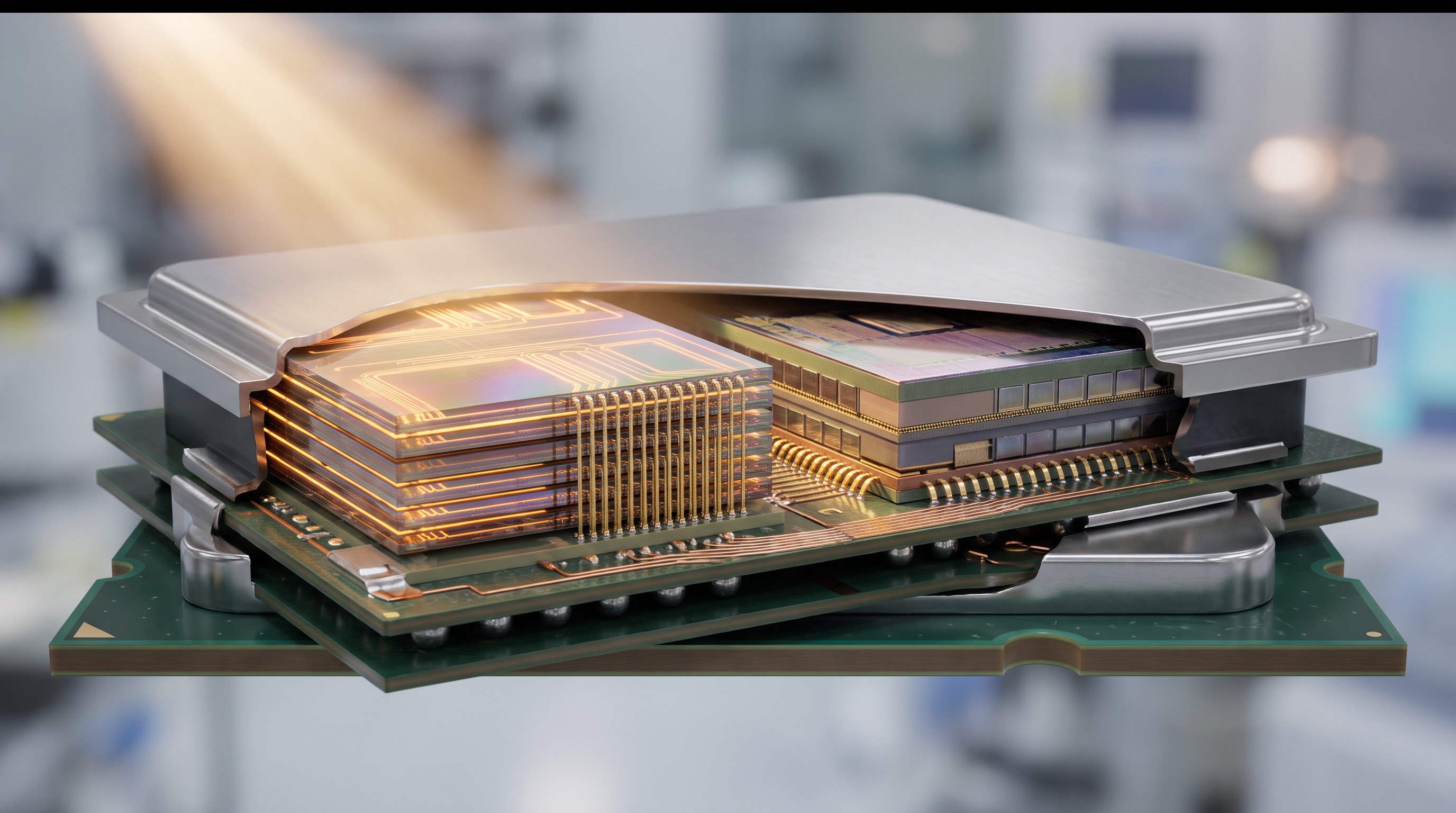
High Bandwidth Memory, or HBM, solves this by stacking memory dies vertically. By placing memory directly on the processor package, we drastically reduce the physical distance data must travel.
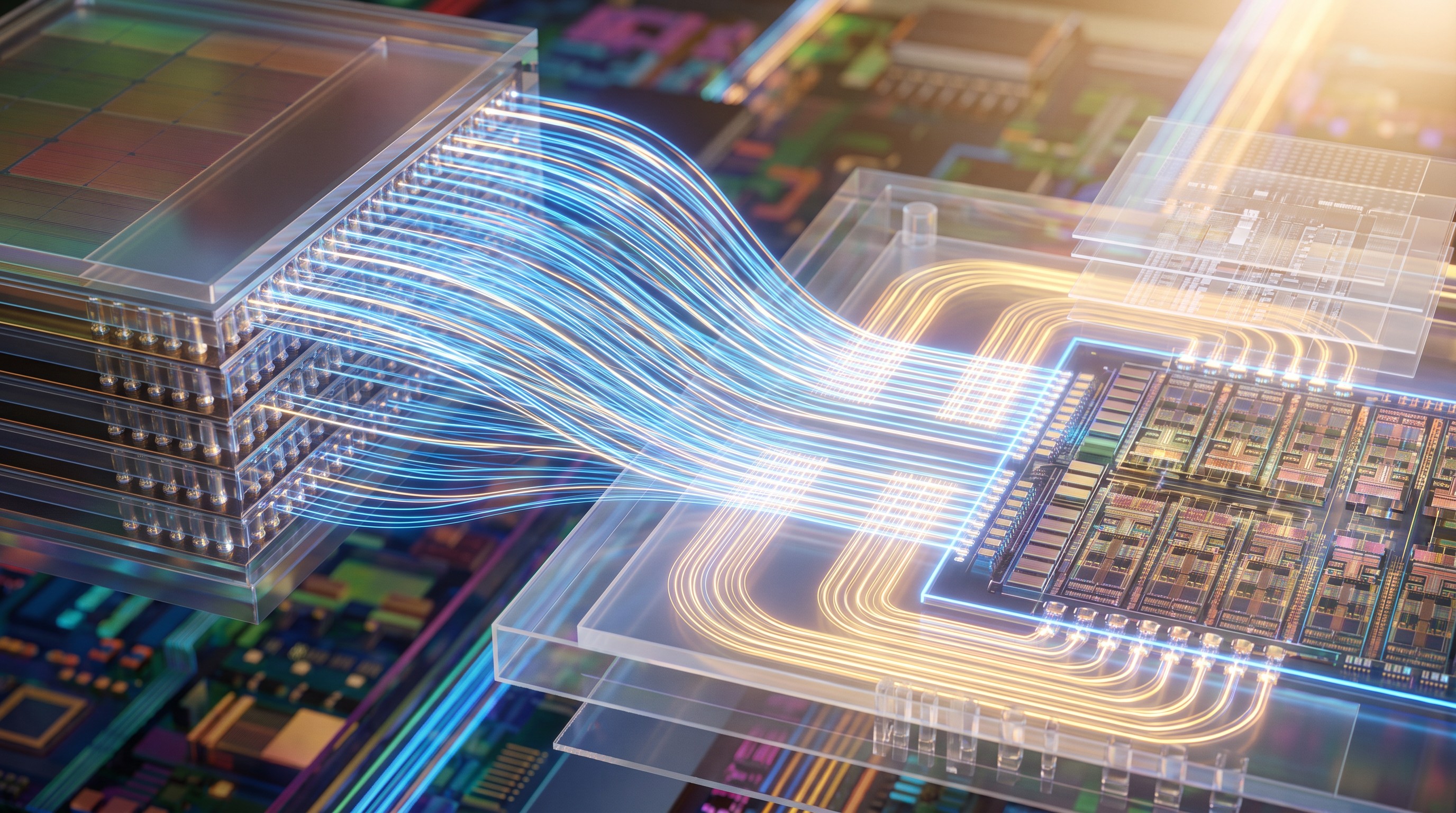
By using wider parallel interfaces, HBM allows thousands of bits to move simultaneously. This is like replacing a single-lane road with a massive, multi-lane superhighway to feed the processor's hungry cores.
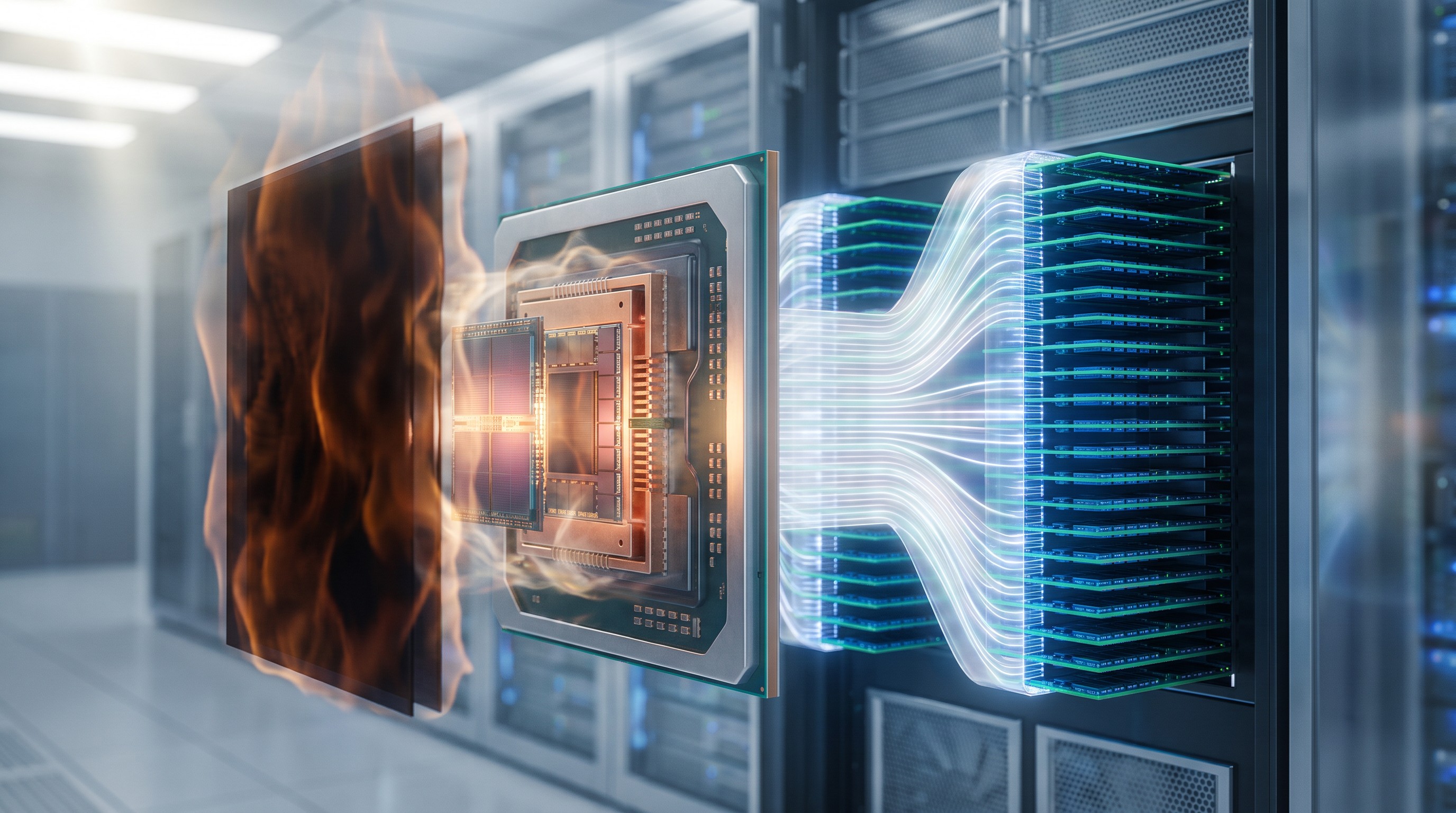
If you doubled the memory bandwidth but kept the processor's clock speed identical, would the total training time for a transformer model decrease proportionally, or would another bottleneck emerge elsewhere?
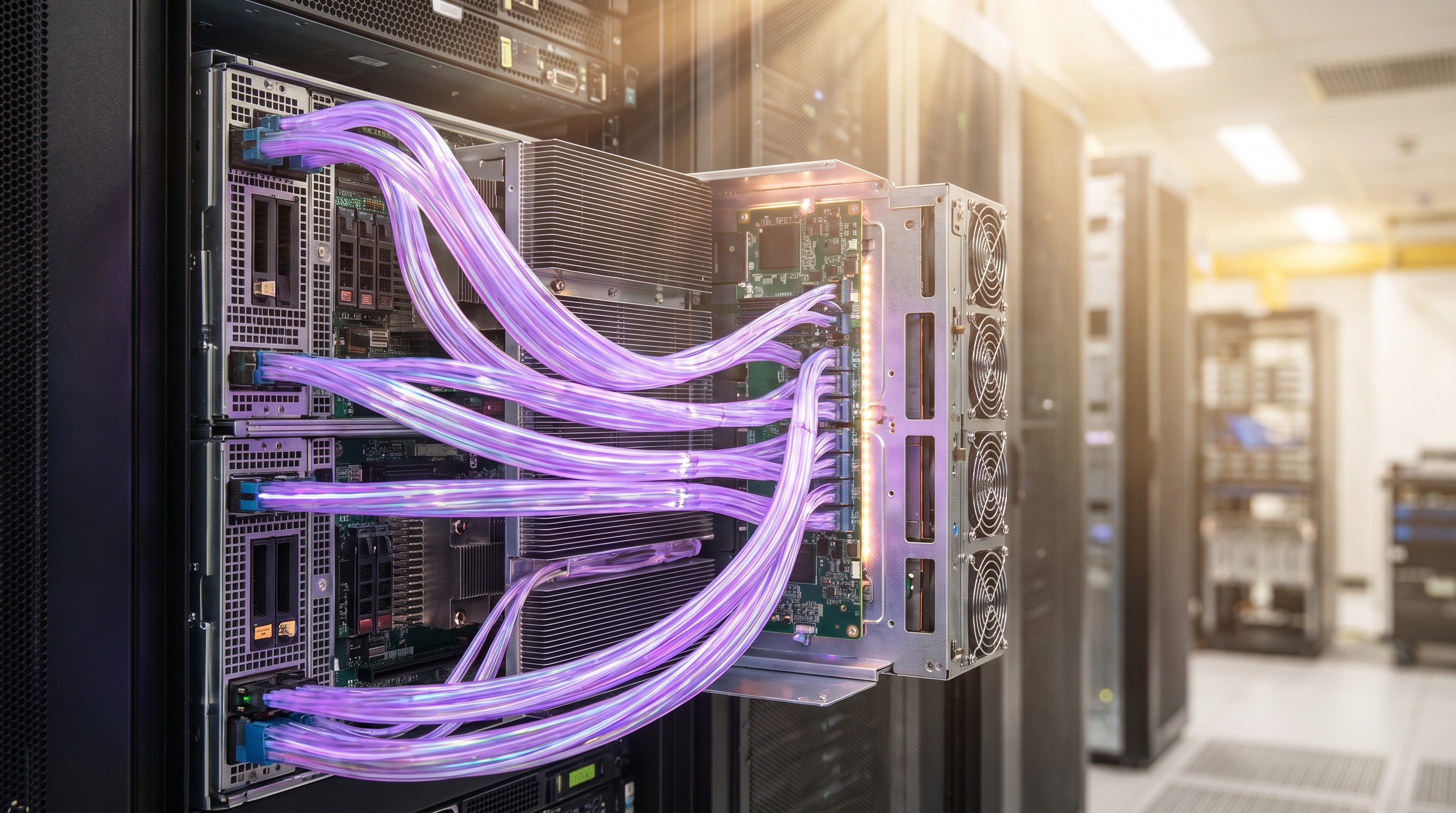
Beyond the individual chip, we scale via rack throughput. Modern data centers use high-speed optical interconnects to link thousands of these processors, effectively turning a rack into one giant computer.
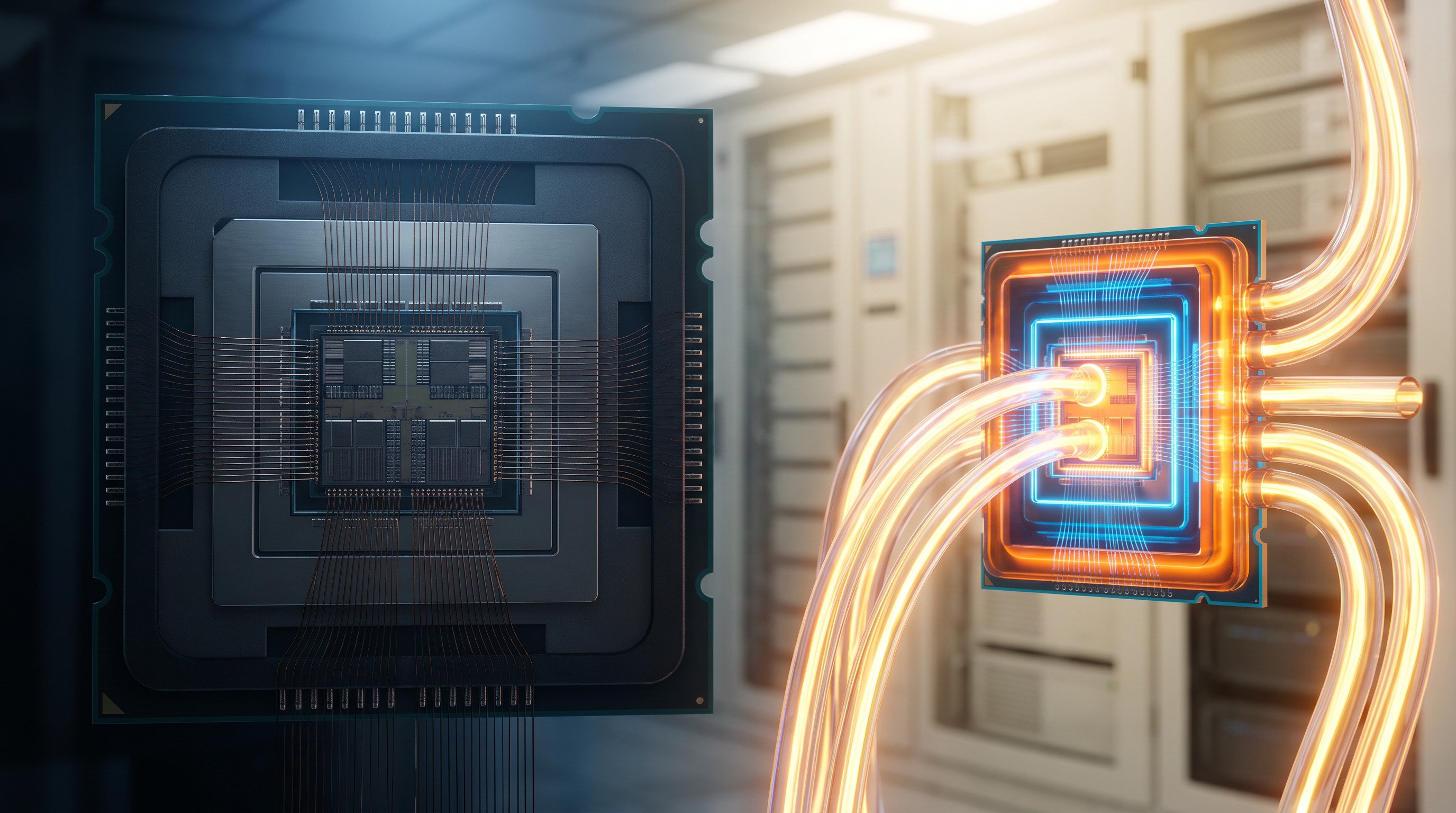
It is a misconception that more FLOPs alone solve intelligence. Without balanced memory bandwidth and rack throughput, those raw floating-point operations remain underutilized, starved by slow data movement.
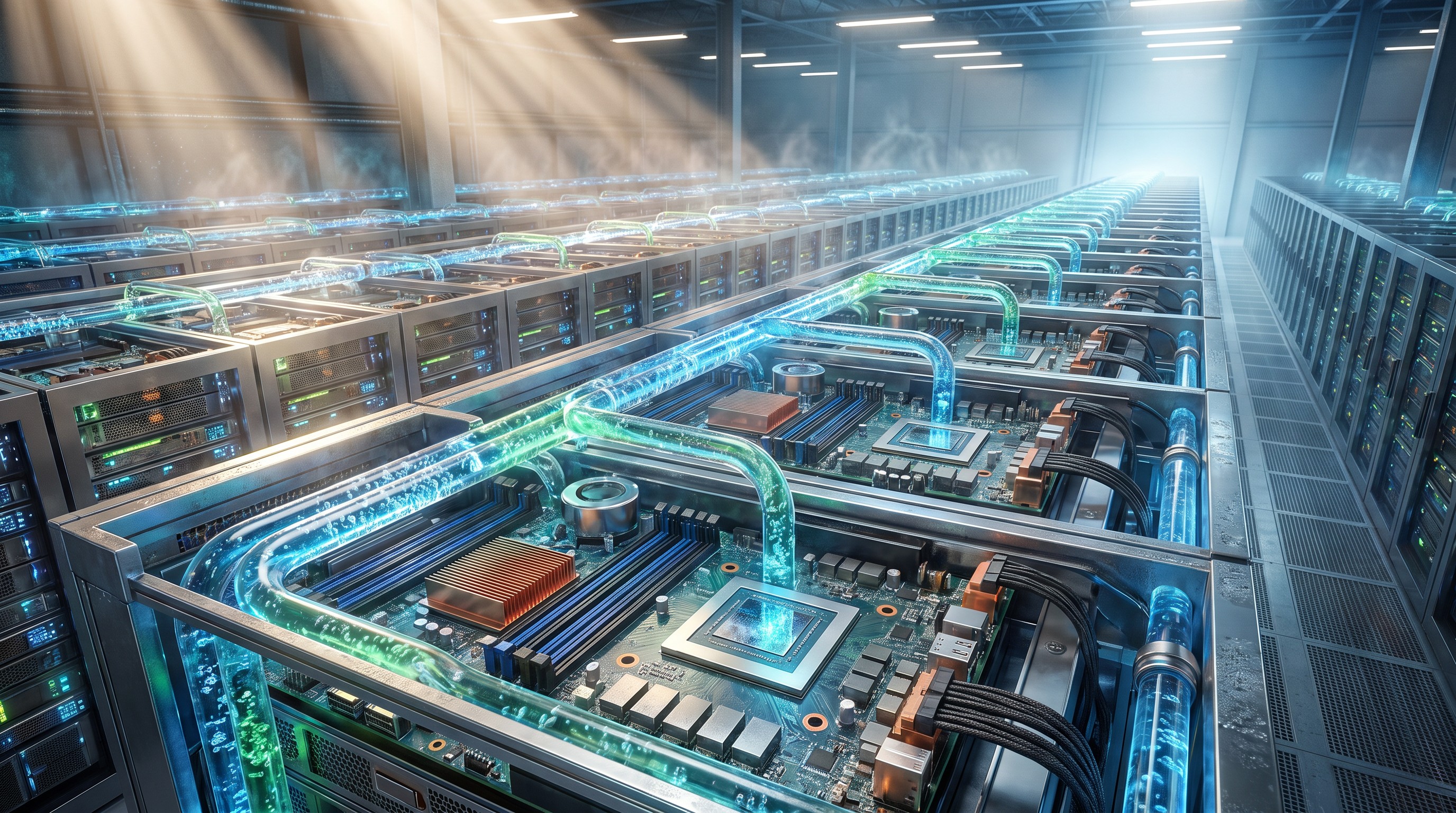
We have optimized the hardware to feed the model, but as we scale to trillion-parameter systems, how do we manage the thermal limits of these dense, high-bandwidth architectures? That is next.
Describe any idea in a sentence and Remee builds it for you — stories, games and quizzes on whatever you or your class are working on. Free to start, no card needed, and everything you make gets a link you can share anywhere.
Remee turns any idea into an illustrated story, a playable game, or an interactive quiz — at home or in the classroom.