 Lesson
This lesson explores the physiological process of the adrenal glands, the effect of adrenaline on muscles, and the recovery period of the nervous system.
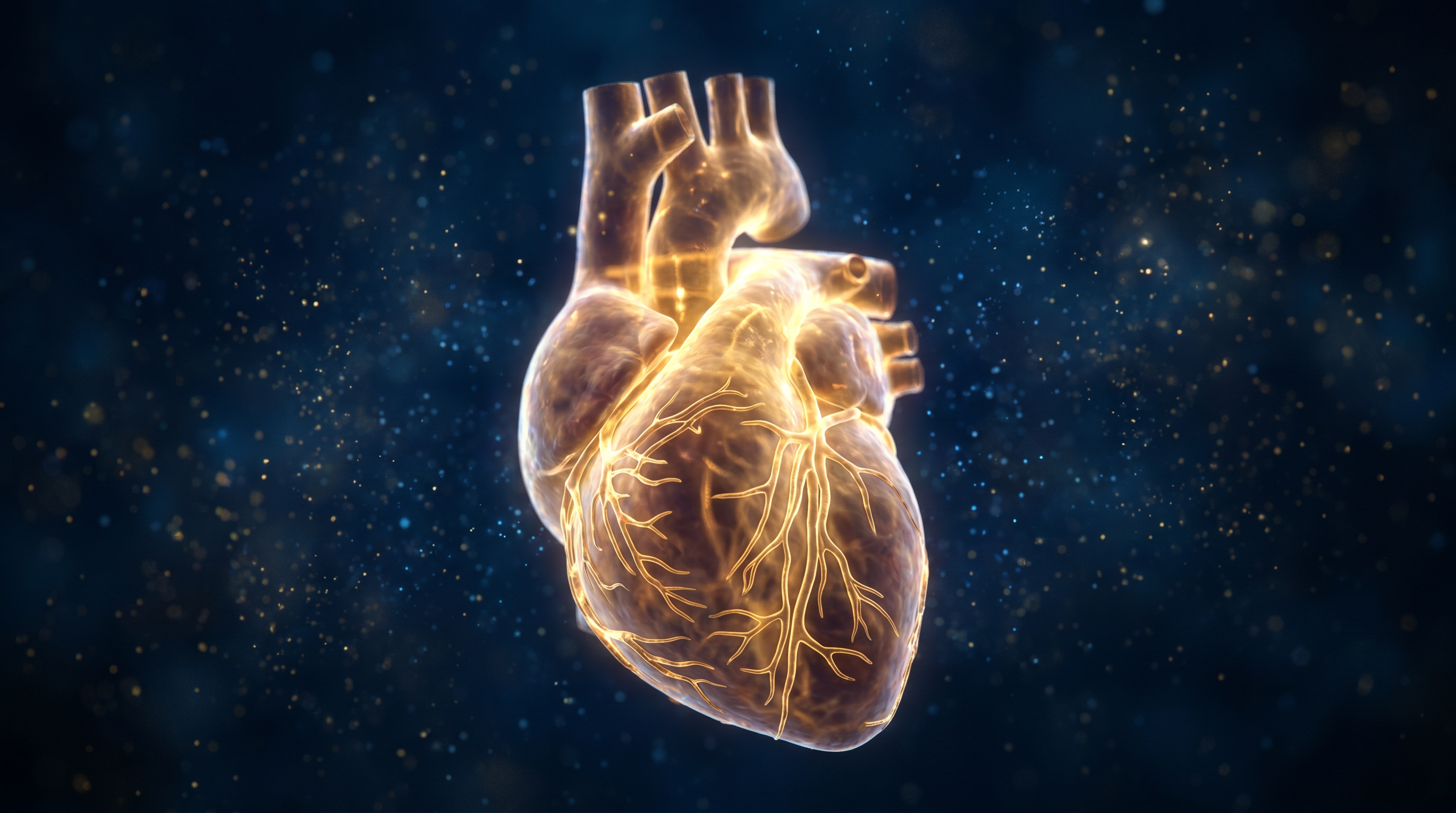
Have you ever felt your heart race when you are suddenly startled? That isn't just nerves; it is your body preparing for a massive burst of energy to keep you safe.
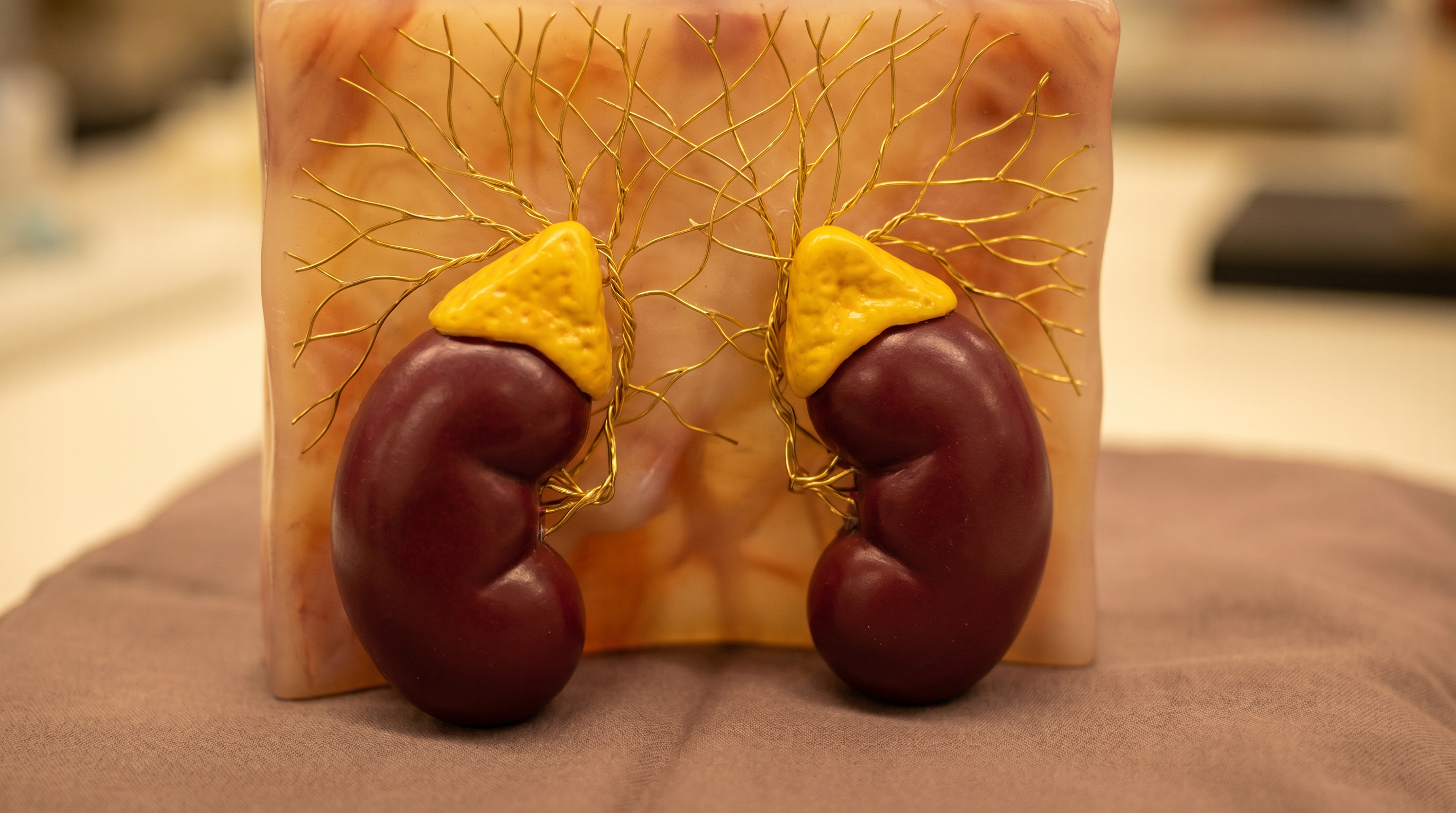
Your adrenal glands, located just above your kidneys, act like internal batteries. When you sense danger, they release adrenaline, a powerful hormone that travels through your bloodstream to every organ.
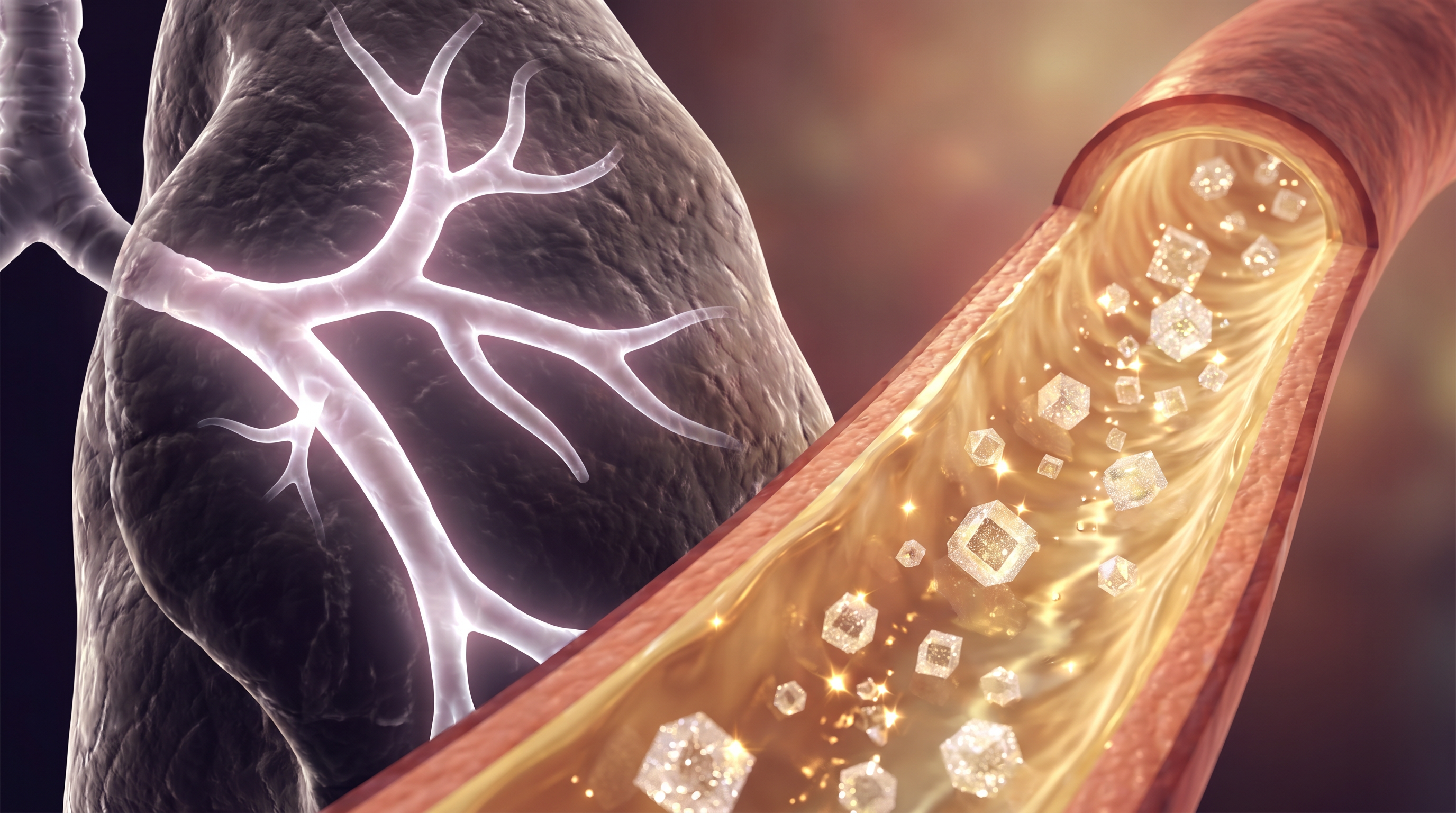
Adrenaline tells your liver to dump stored sugar into your blood for instant fuel. It also opens your airways wider so your muscles get extra oxygen, making you feel incredibly strong.

Think about a time you had to jump away from something quickly. Did you notice your heart rate climbed before you even moved? How does your body know to react so fast?

This system evolved to help us survive physical threats. Whether you are running from a predator or dodging a falling object, your body prioritizes speed and power over everything else.

People think the shaking after danger means you are weak, but it is actually excess energy leaving your muscles. Your nervous system is simply resetting itself after a major surge.
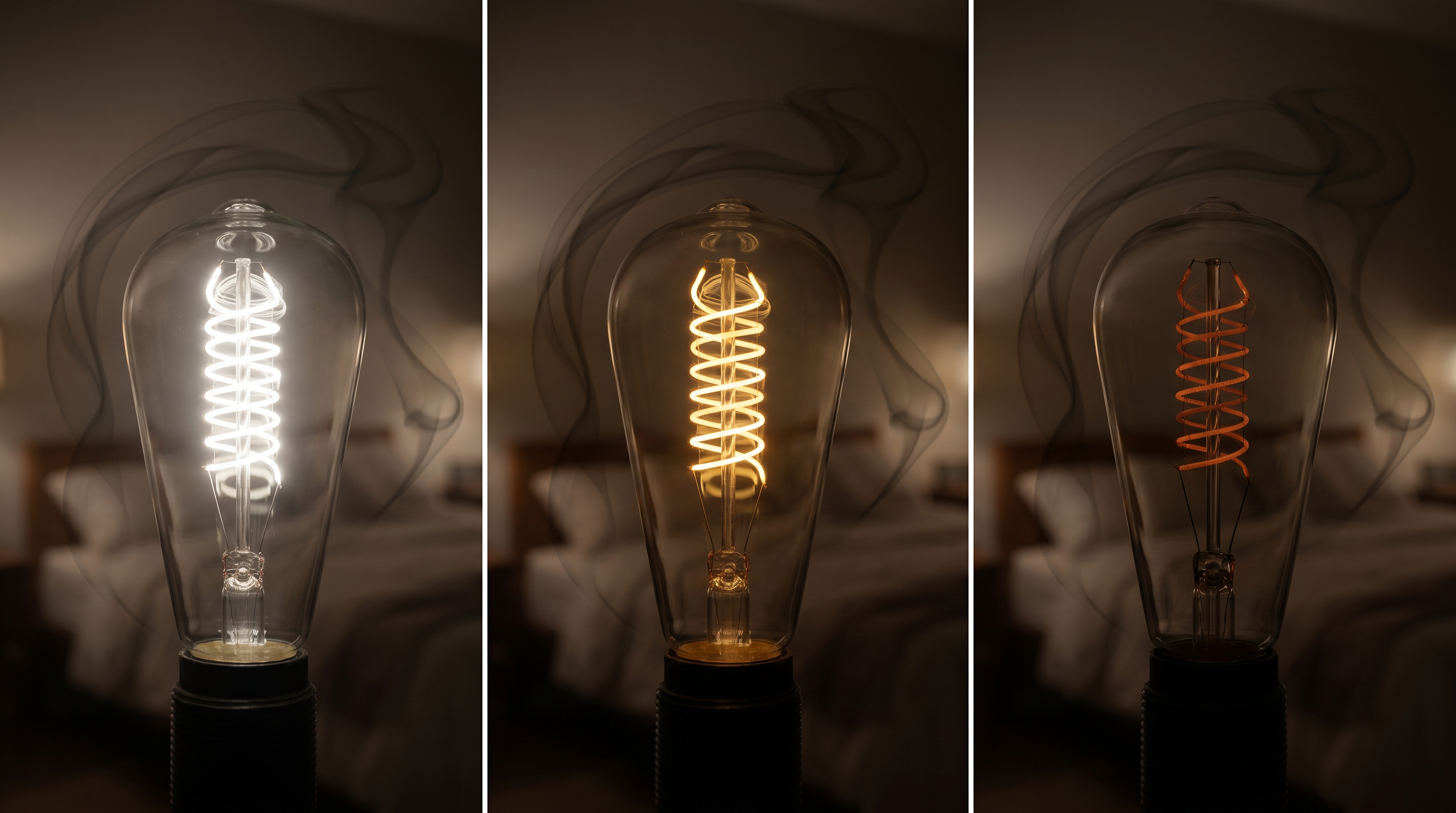
Adrenaline turns your body into a high-performance machine for a few intense minutes. But what happens if this system stays 'on' for too long, and why do our bodies struggle to switch off?
Describe any idea in a sentence and Remee builds it for you — stories, games and quizzes on whatever you or your class are working on. Free to start, no card needed, and everything you make gets a link you can share anywhere.
Remee turns any idea into an illustrated story, a playable game, or an interactive quiz — at home or in the classroom.