 Lesson
This lesson explores the link between data compression and intelligence by showing how finding patterns allows for better predictions.

Have you ever noticed how your brain spots patterns instantly? Scientists are exploring a bold idea: that intelligence is actually the ability to compress information by finding hidden rules everywhere.
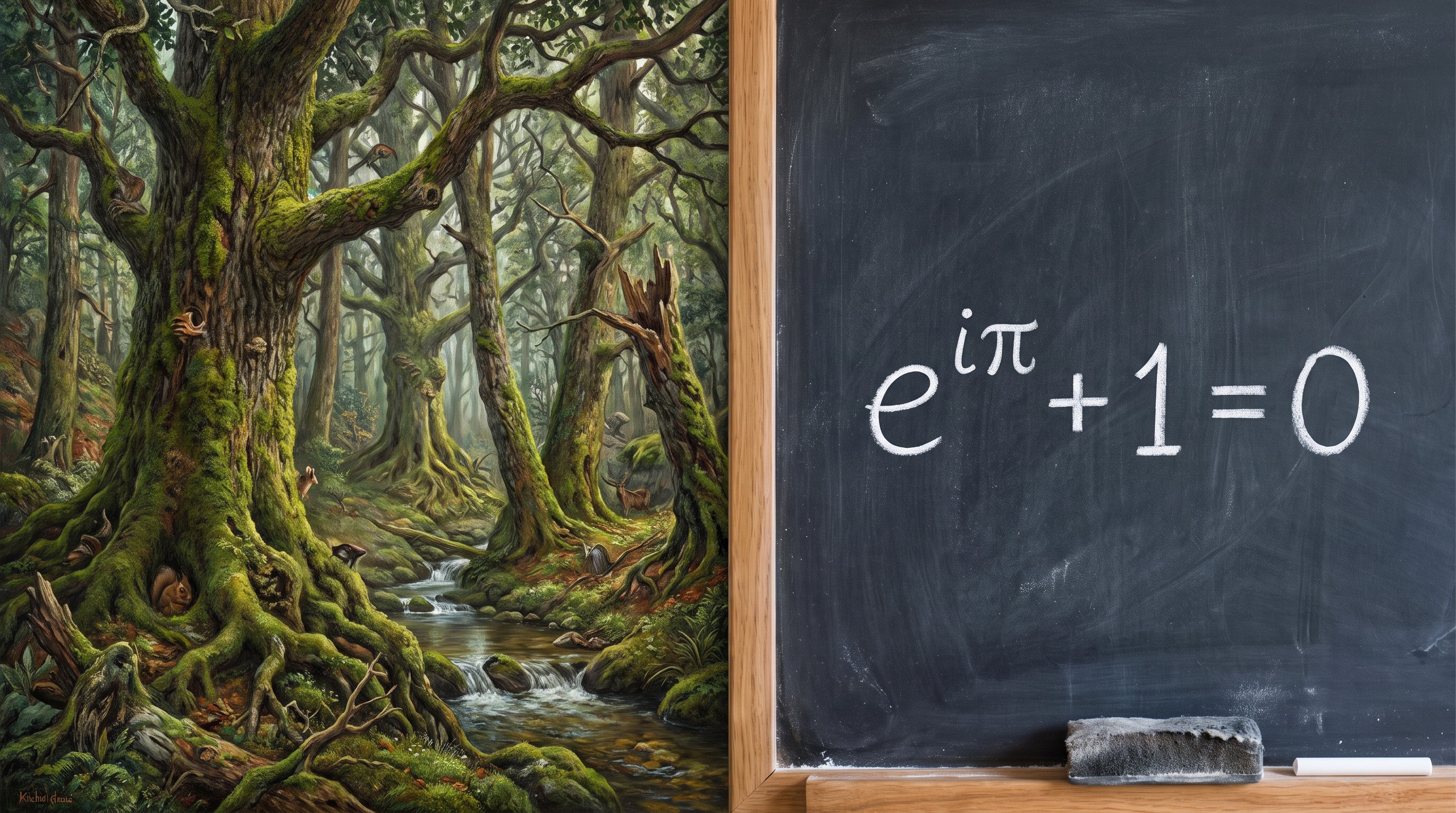
Compression means taking a massive amount of data and finding the simplest way to describe it. If you can describe a complex scene with just a few rules, you understand it.

Think of it like a shortcut. Instead of memorizing every single leaf on a tree, your brain remembers the rule for how branches grow. This saves space and helps you learn faster.

Look at a row of numbers: 2, 4, 6, 8. What comes next? You guessed 10 because you compressed the pattern into a simple rule. How does this help us predict tomorrow?
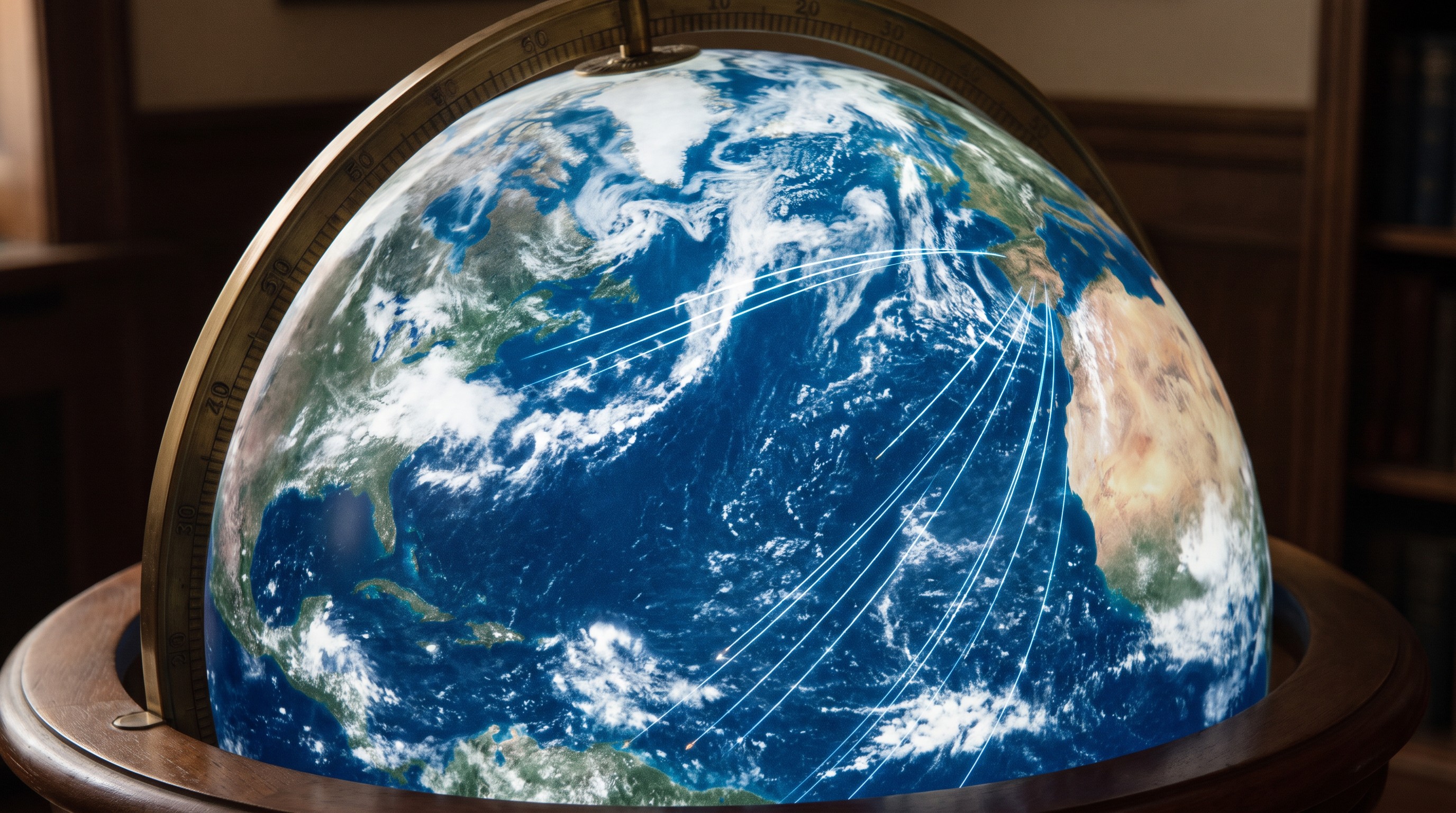
This is how weather forecasting works. By compressing years of climate data into mathematical models, computers identify patterns to predict if it will be sunny or rainy next week.

Some think compression is just 'making files smaller,' but it is actually about finding the truth. It is not just deleting data; it is discovering the underlying logic of reality.

Intelligence uses compression to predict what happens next. You have mastered the basics, but here is the mystery: can a machine ever truly understand, or is it just calculating probabilities?
Describe any idea in a sentence and Remee builds it for you — stories, games and quizzes on whatever you or your class are working on. Free to start, no card needed, and everything you make gets a link you can share anywhere.
Remee turns any idea into an illustrated story, a playable game, or an interactive quiz — at home or in the classroom.