 Lesson
This lesson explores the mechanism of deep brain stimulation, explaining how targeted neural activity can shift mood states in treatment-resistant depression.
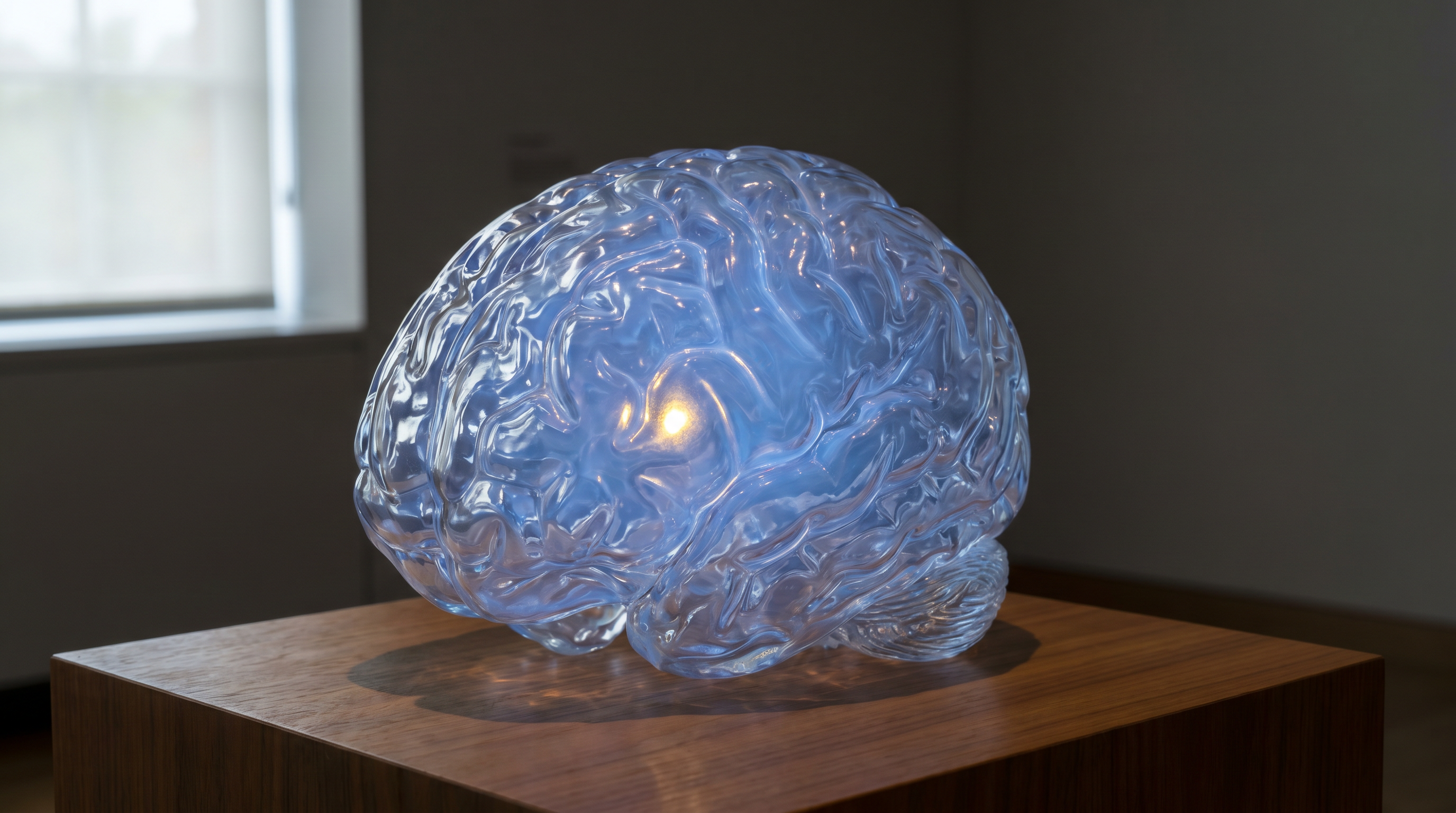
Did you know that in some cases of severe depression, traditional therapies don't work? Scientists are now exploring ways to directly influence neural circuits to help restore healthy brain function.
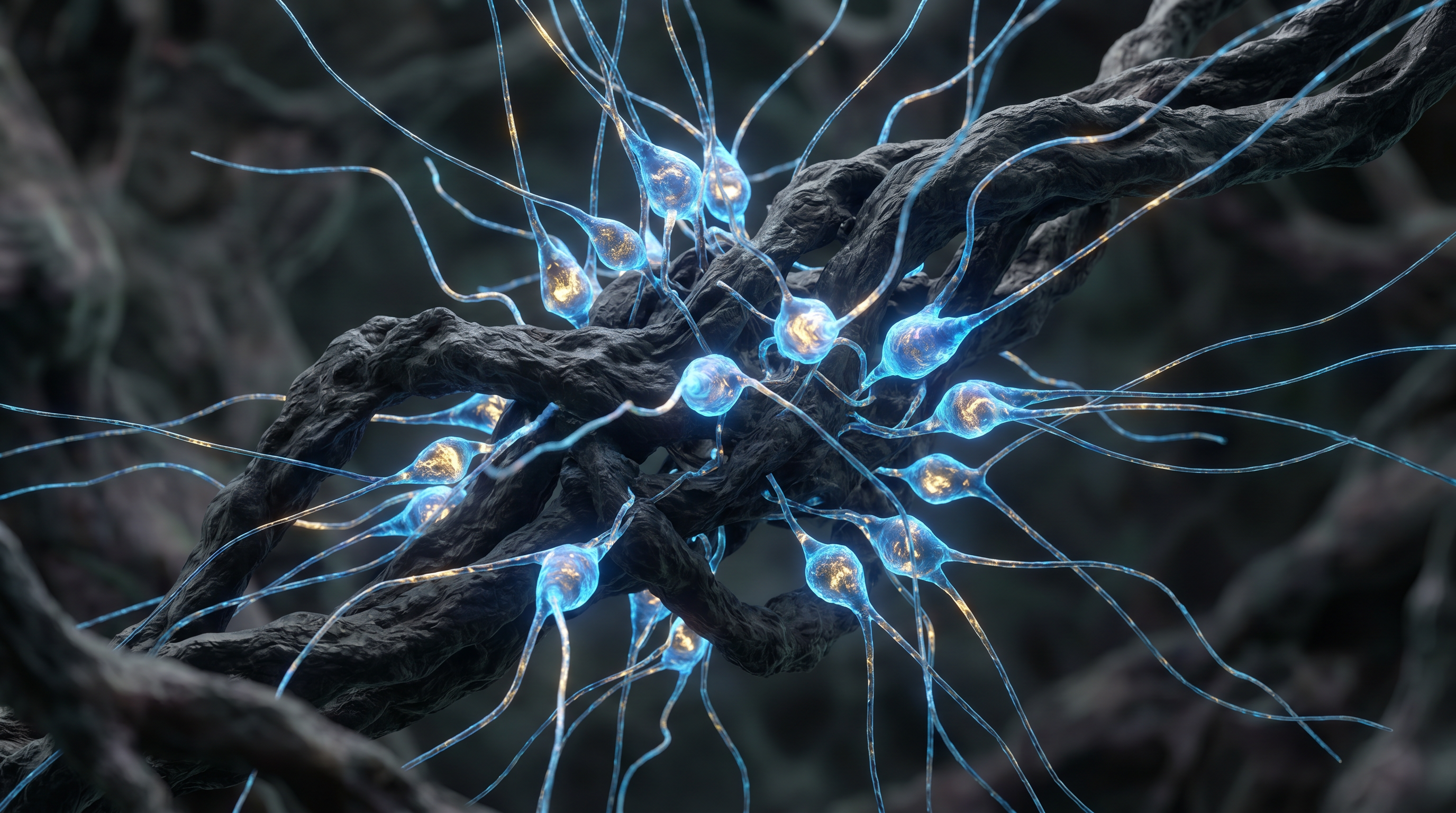
The brain communicates through electrical signals traveling along neural pathways. In certain conditions, these circuits become stuck in unhealthy loops, affecting mood, focus, and physical energy levels significantly.
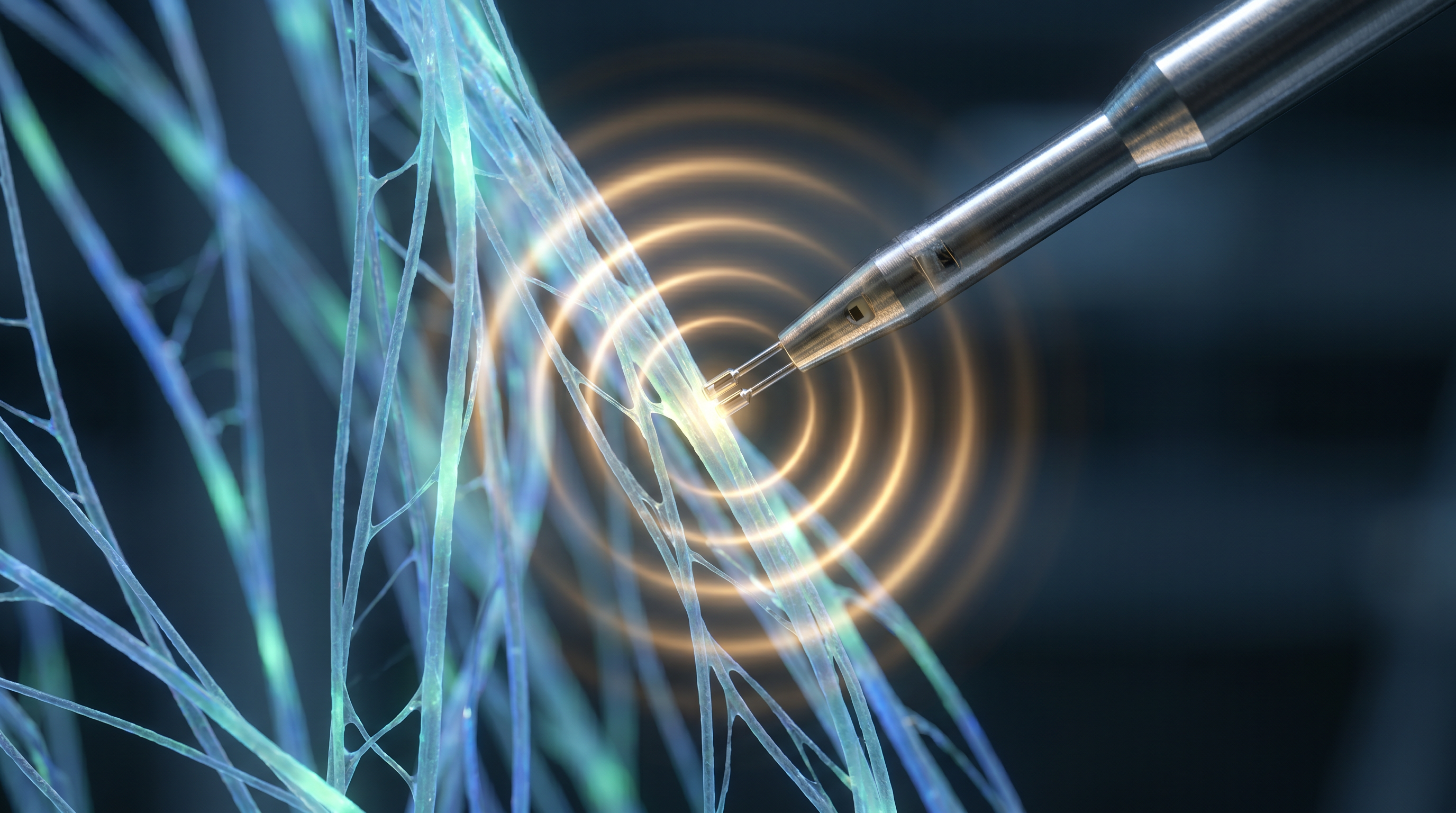
Deep brain stimulation acts like a pacemaker for the mind. By placing tiny electrodes in specific regions, researchers can send precise, gentle pulses to reset these overactive or underactive neural circuits.
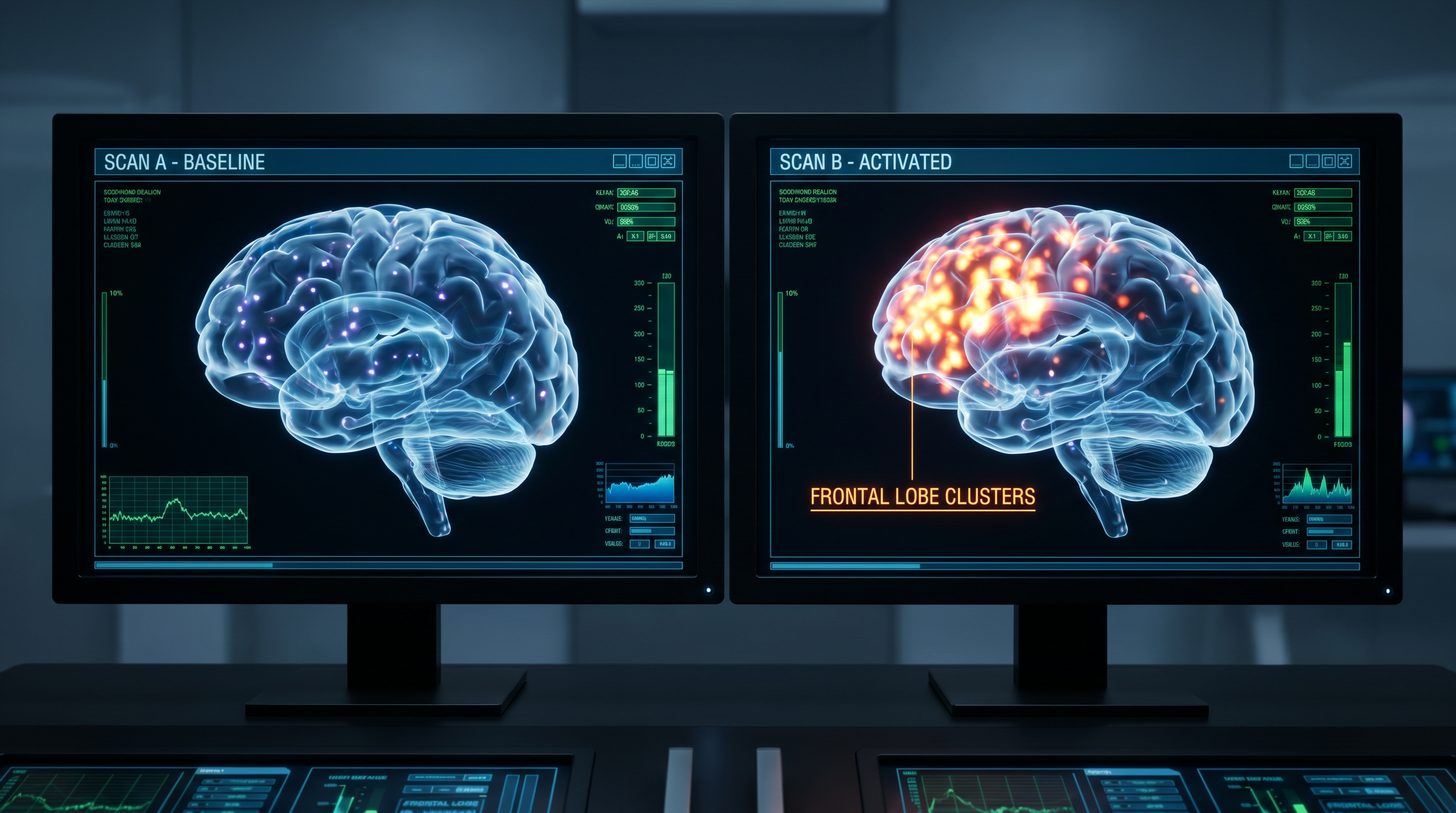
If we could measure your brain's electrical activity while you focus on a task versus when you are resting, what differences in the intensity of light patterns would you expect to see?
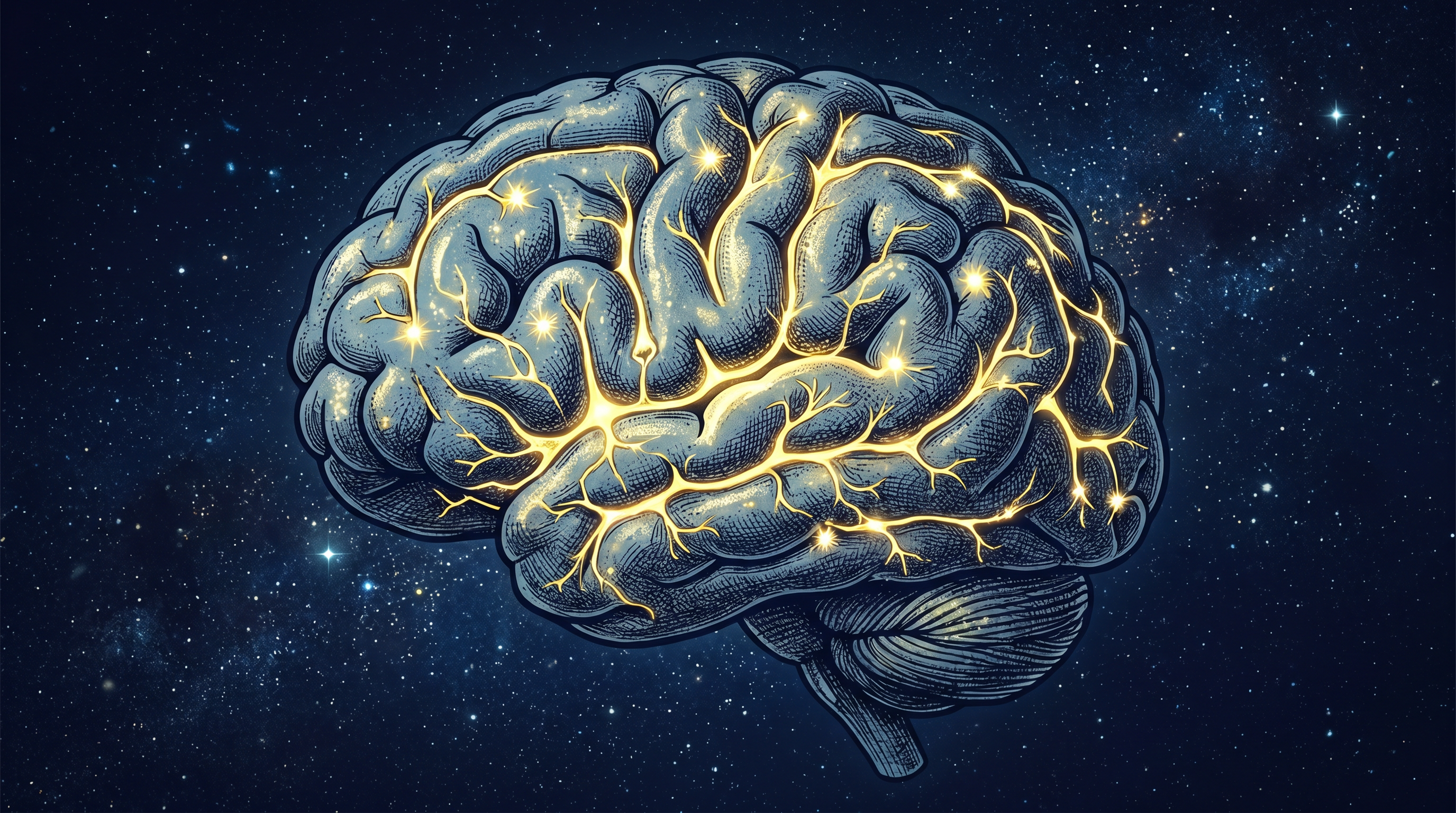
This technology is currently being tested for patients who haven't found relief elsewhere. By targeting the precise nodes of a circuit, doctors aim to lift the heavy symptoms of depression.
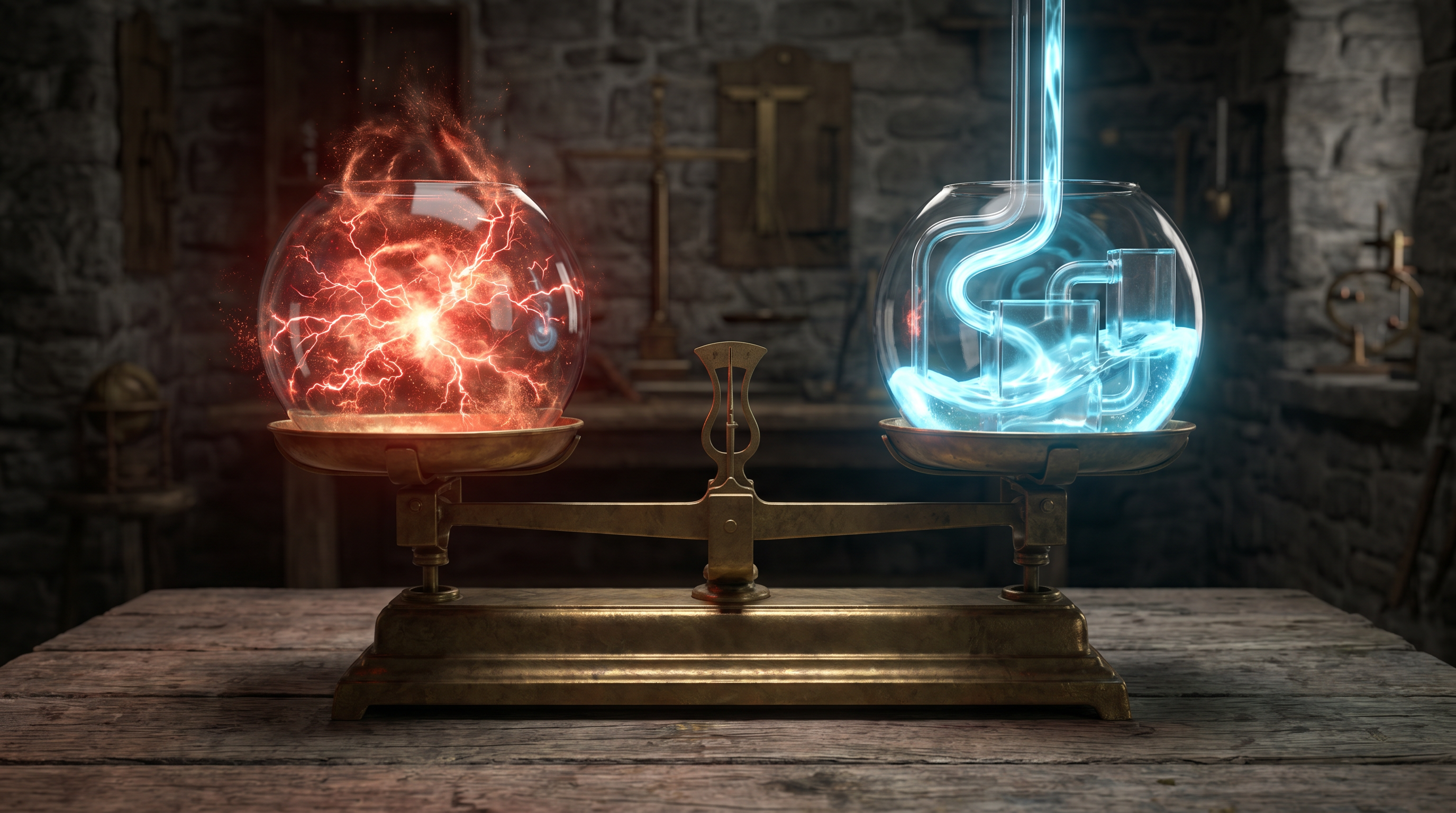
It is a common misconception that this technology rewrites a person's personality. In reality, it simply helps regulate existing neural traffic, allowing the brain to return to its natural equilibrium.
We have learned how electrical pulses can guide neural circuits back to health. But what happens to the brain's long-term plasticity after stimulation stops? That is the next great mystery.
Describe any idea in a sentence and Remee builds it for you — stories, games and quizzes on whatever you or your class are working on. Free to start, no card needed, and everything you make gets a link you can share anywhere.
Remee turns any idea into an illustrated story, a playable game, or an interactive quiz — at home or in the classroom.