 Lesson
This lesson traces the transition of aging research from a fringe concept to a massive, capital-backed industry focused on therapeutic intervention.
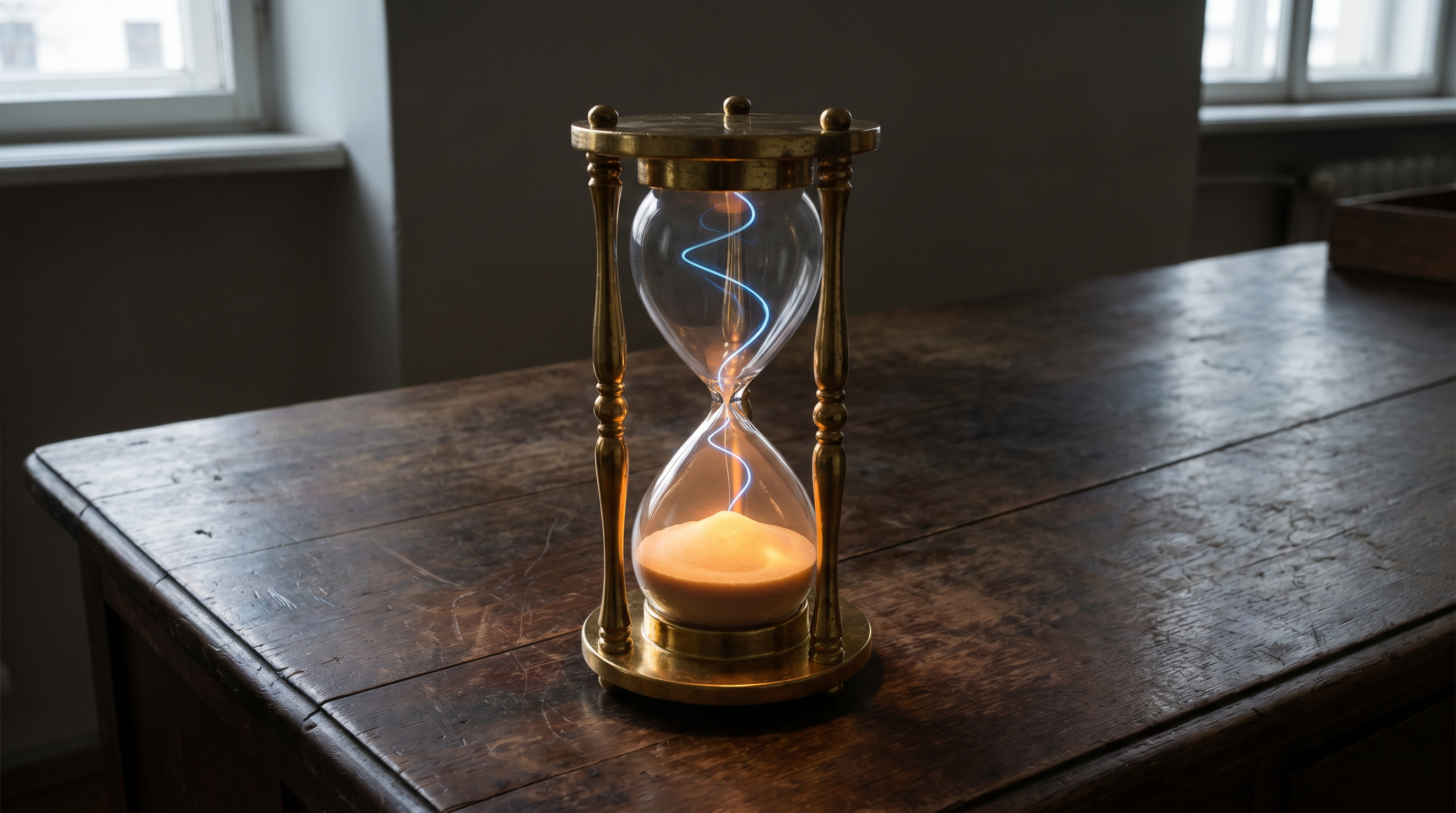
Welcome! For centuries, aging was considered an inevitable decline. Today, science is shifting. We are beginning to view aging as a biological process that can be slowed or managed.
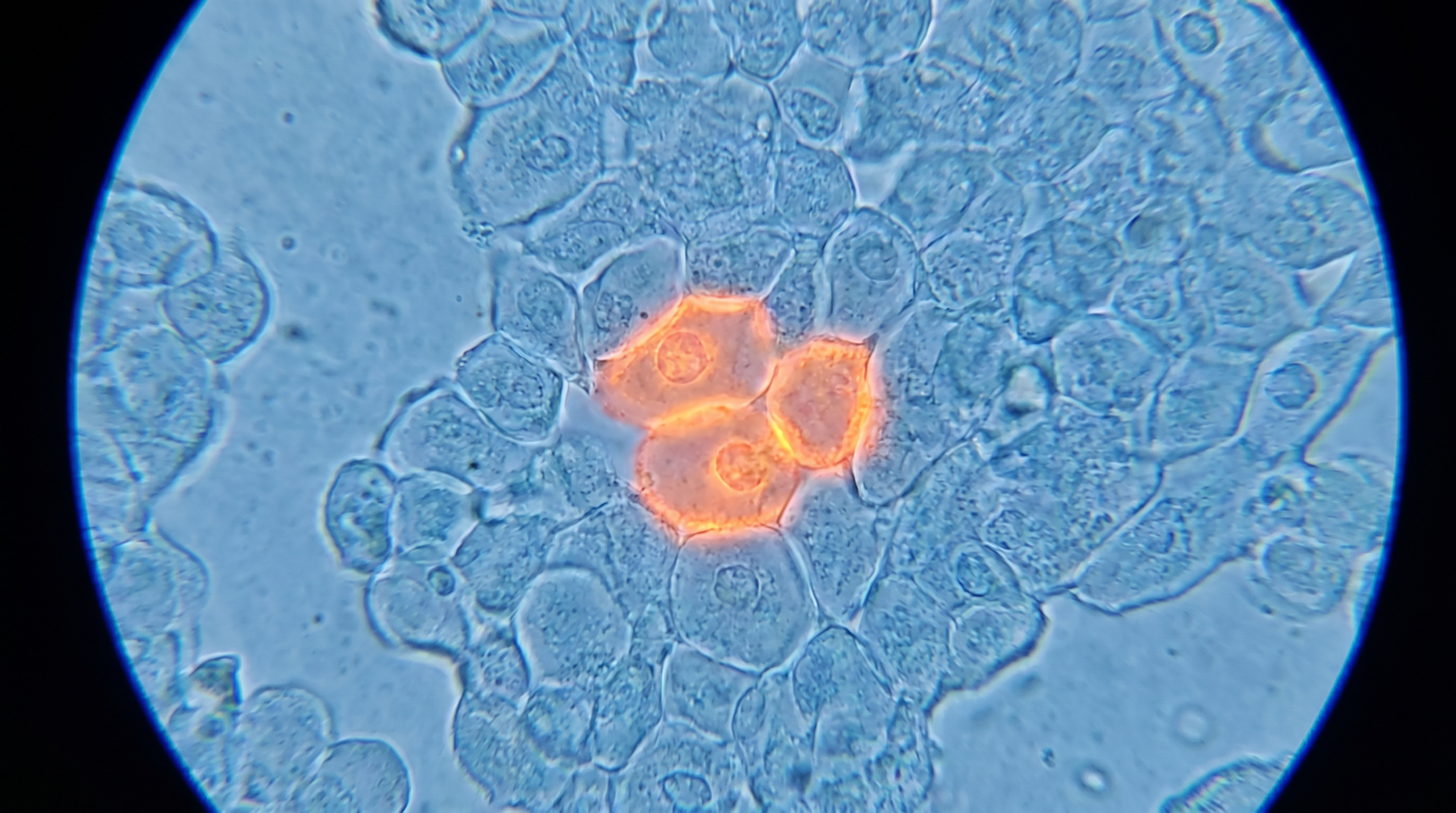
What has changed? Tens of billions of dollars are now flowing into biotechnology. Researchers are targeting the fundamental hallmarks of aging, such as cellular senescence and genomic instability.
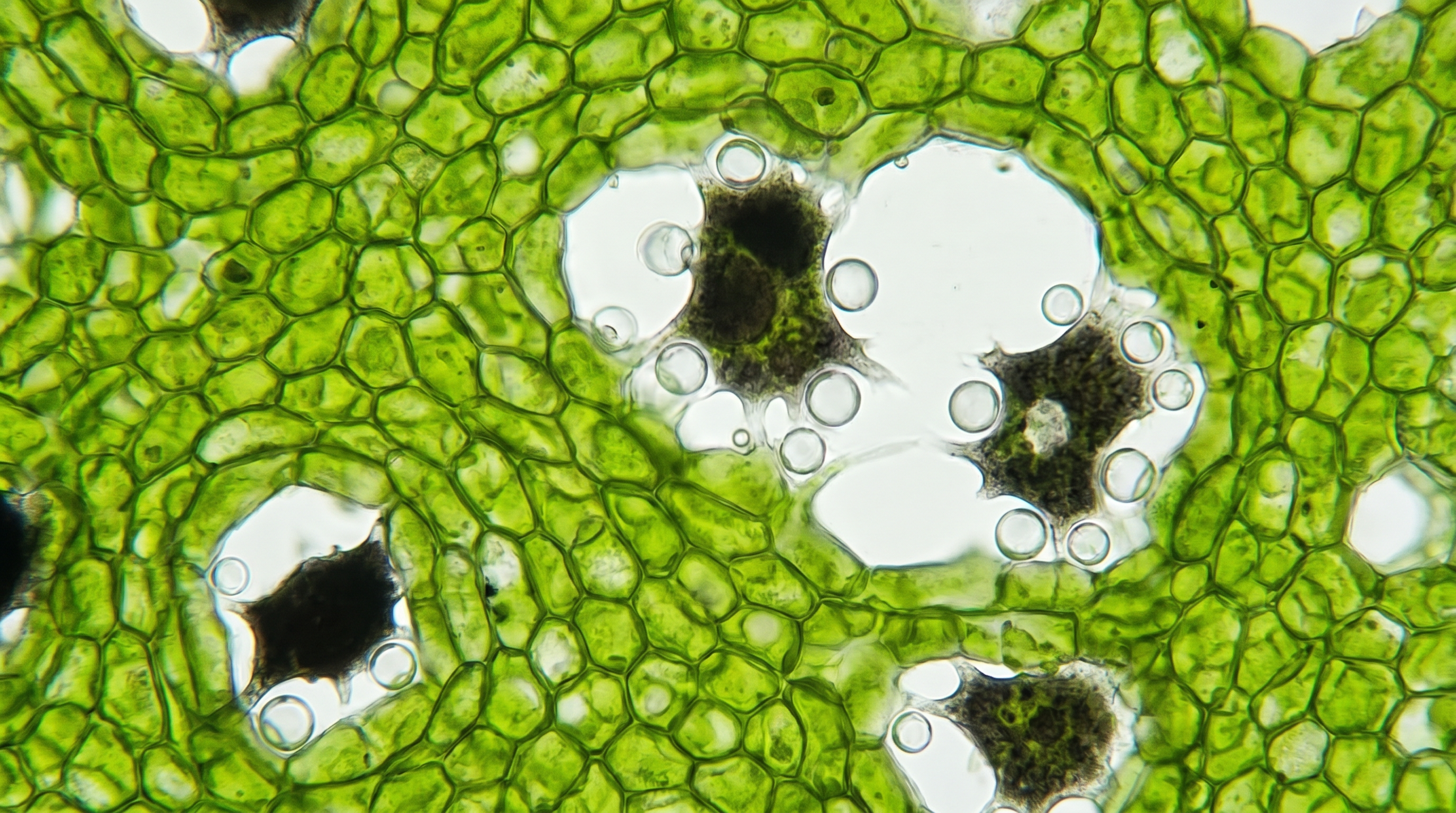
These investments support clinical trials for senolytics—drugs designed to clear out 'zombie' cells. By removing these dysfunctional cells, the goal is to rejuvenate the surrounding healthy tissue environment.

Observe your own skin or the leaves of a plant. As time passes, they lose elasticity or vibrancy. If you could target the specific cellular clock controlling this, what do you think would happen?

The industry is moving rapidly. We are seeing trials targeting metabolic pathways that mimic the effects of caloric restriction, a known method for extending healthy lifespan in many organisms.

A common misconception is that these drugs are 'fountains of youth.' In reality, they are precision medicines aiming to delay the onset of chronic disease and extend our healthy years.

We have moved from theory to clinical trials, backed by historic levels of funding. But if we successfully slow biological aging, how will society redefine the very concept of a lifespan?
Describe any idea in a sentence and Remee builds it for you — stories, games and quizzes on whatever you or your class are working on. Free to start, no card needed, and everything you make gets a link you can share anywhere.
Remee turns any idea into an illustrated story, a playable game, or an interactive quiz — at home or in the classroom.