 Lesson
This lesson explores the microscopic structures of modern batteries, explaining how gels and coated nanoparticles manage energy flow and safety.
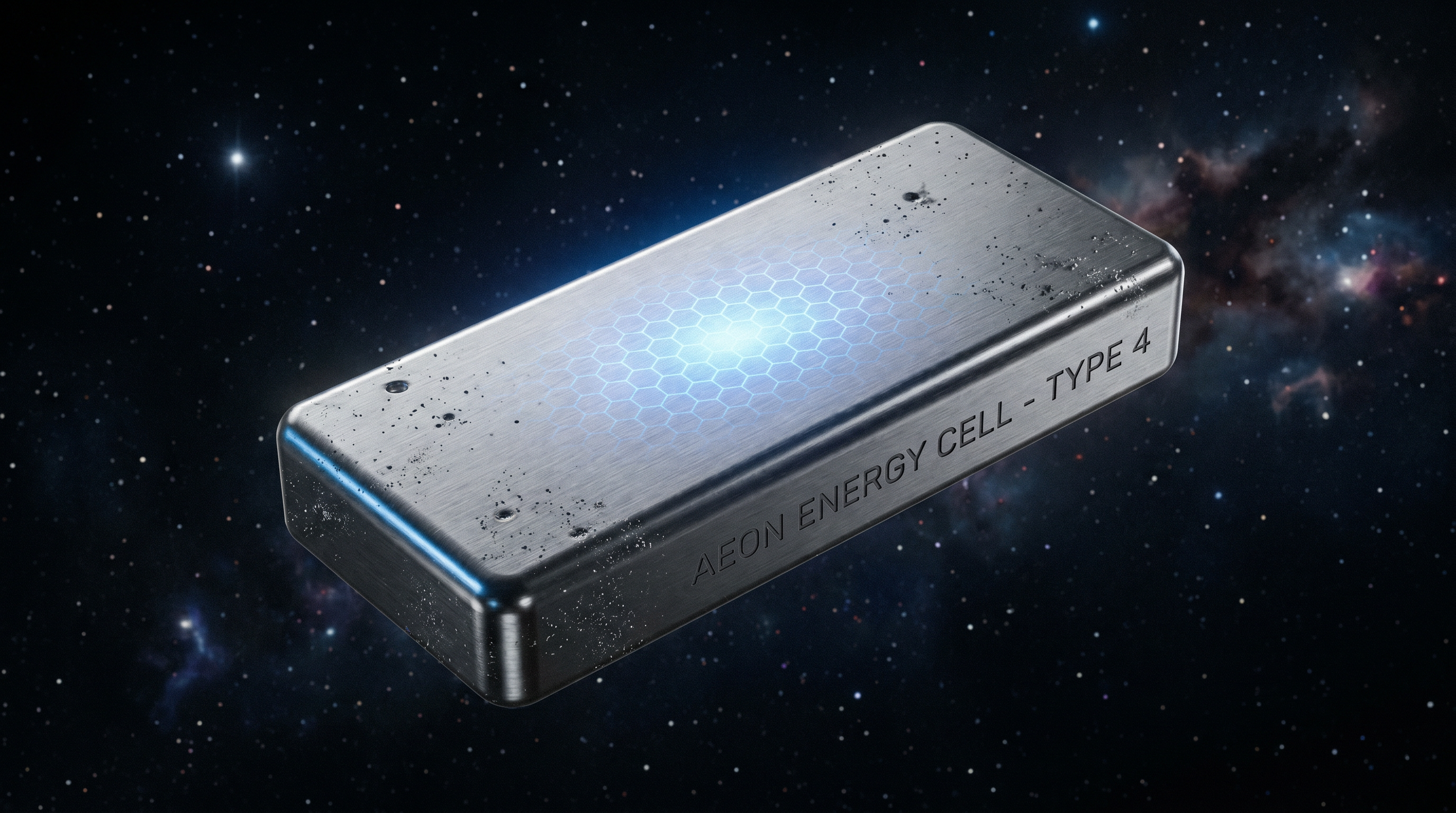
Ever wonder why modern batteries last so much longer and charge faster? It is not just magic; it is a revolution happening at the microscopic level inside the battery casing.
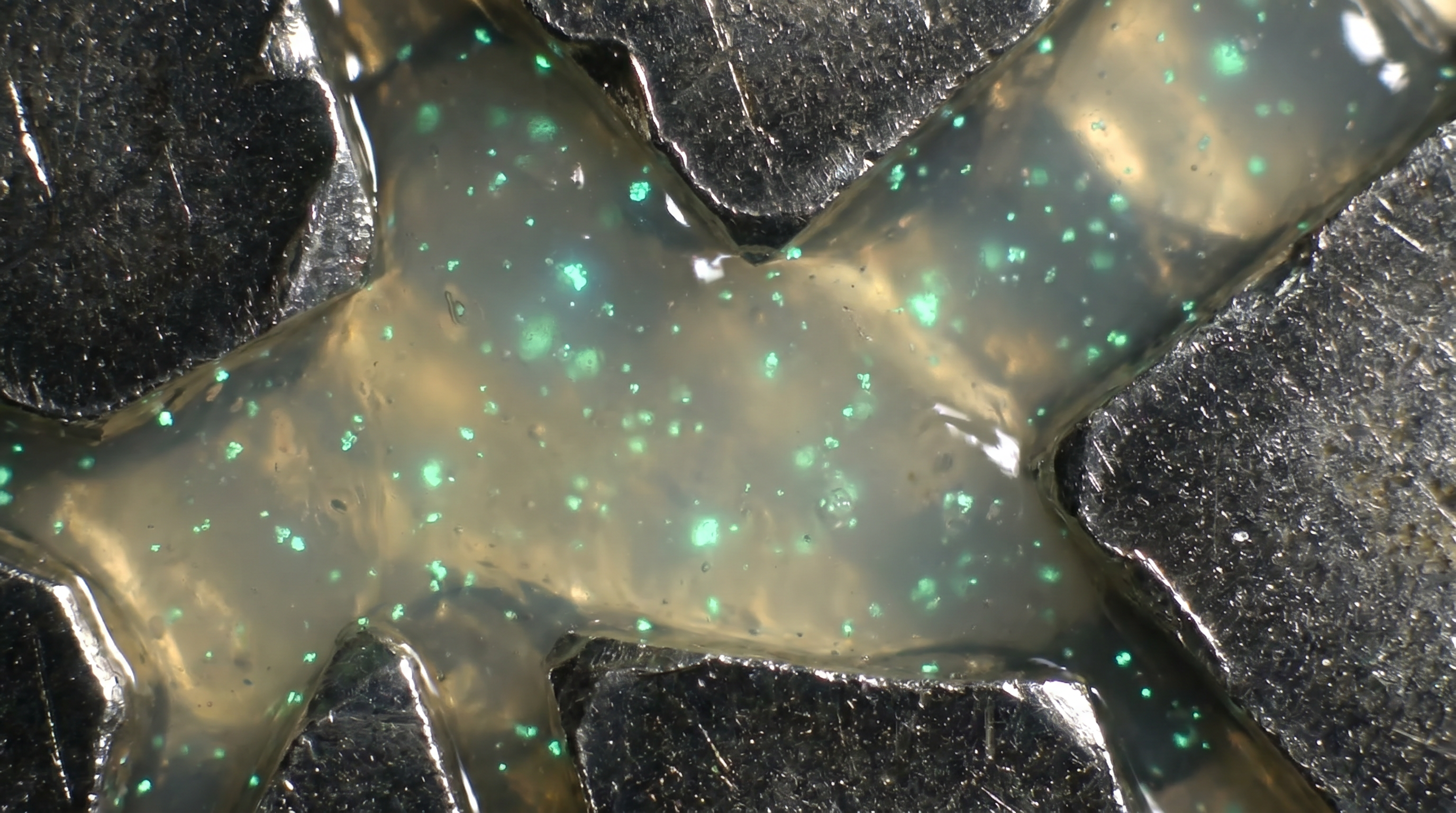
Inside, we find polymers and gels. These materials act like a smart sponge, soaking up liquid electrolytes to keep energy moving smoothly while preventing dangerous leaks or sudden shorts.
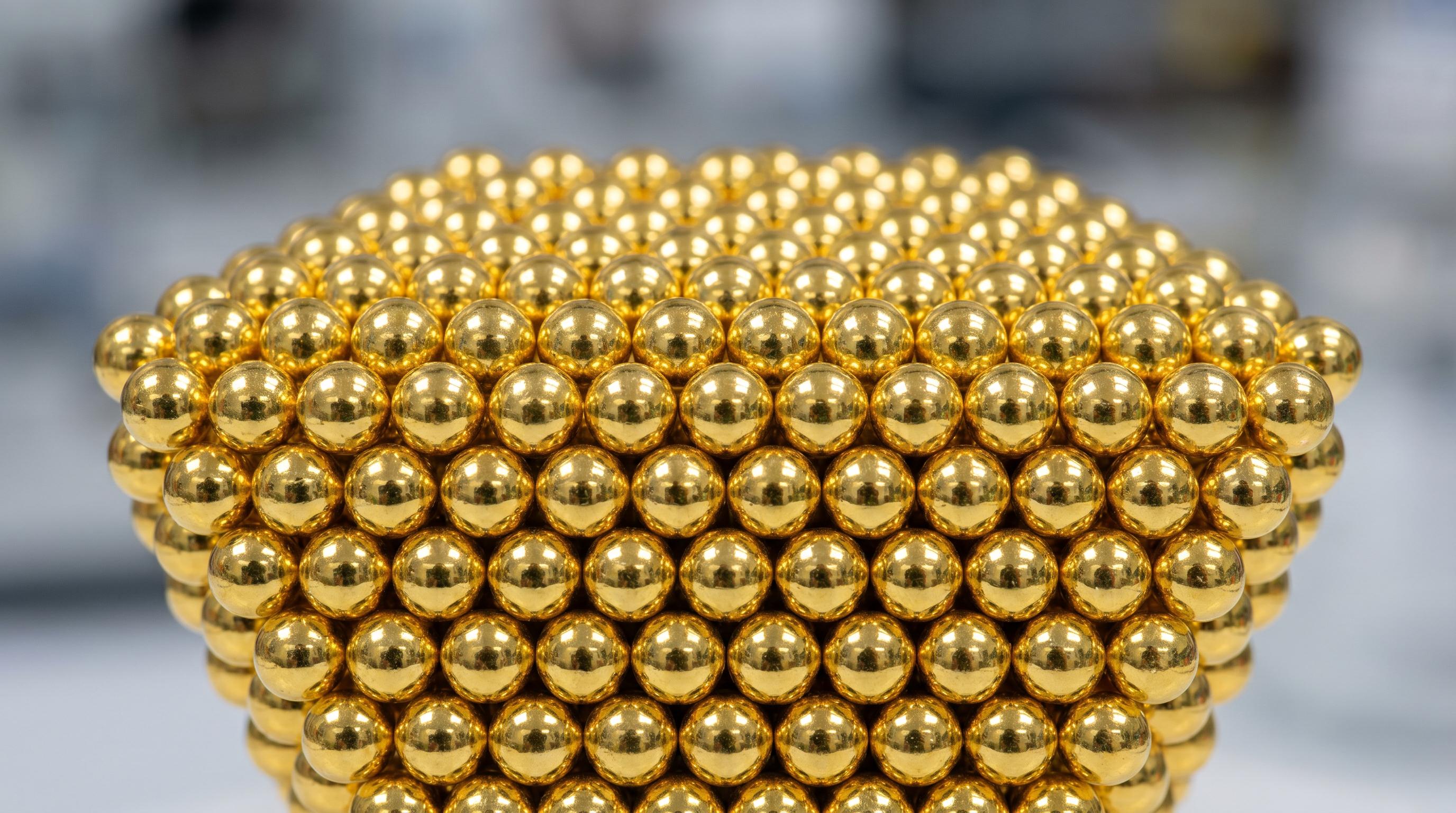
Next are the coated nanoparticles. These tiny, specially treated spheres increase the surface area for energy storage, allowing the battery to hold more power in the same space.
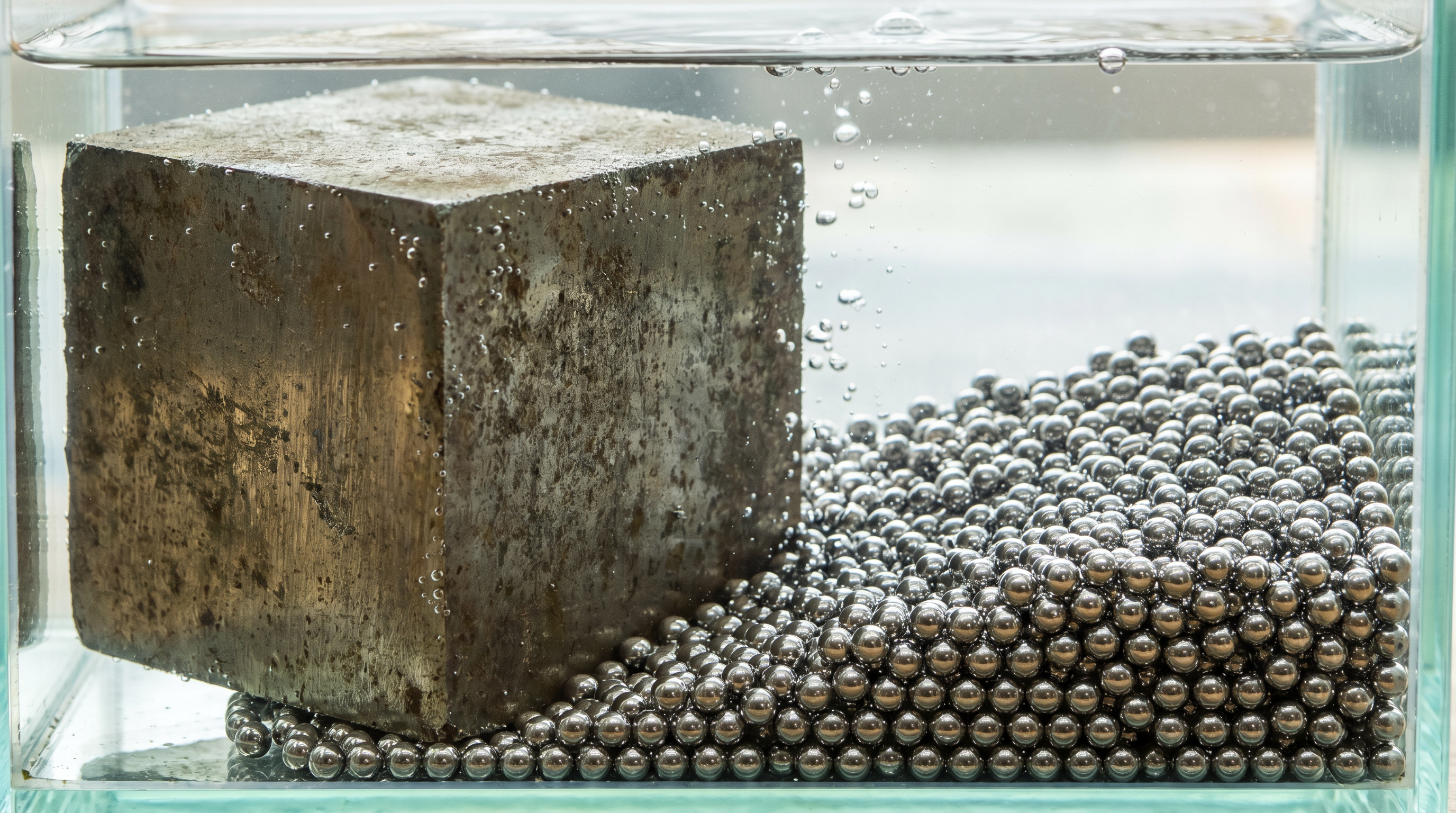
If you could shrink yourself down to look at these particles, how do you think their small size helps them react faster than large, solid chunks of metal during charging?

These technologies are already in your pockets. They power the high-performance devices we use daily, keeping them cool and stable even when you are playing graphics-heavy games for hours.
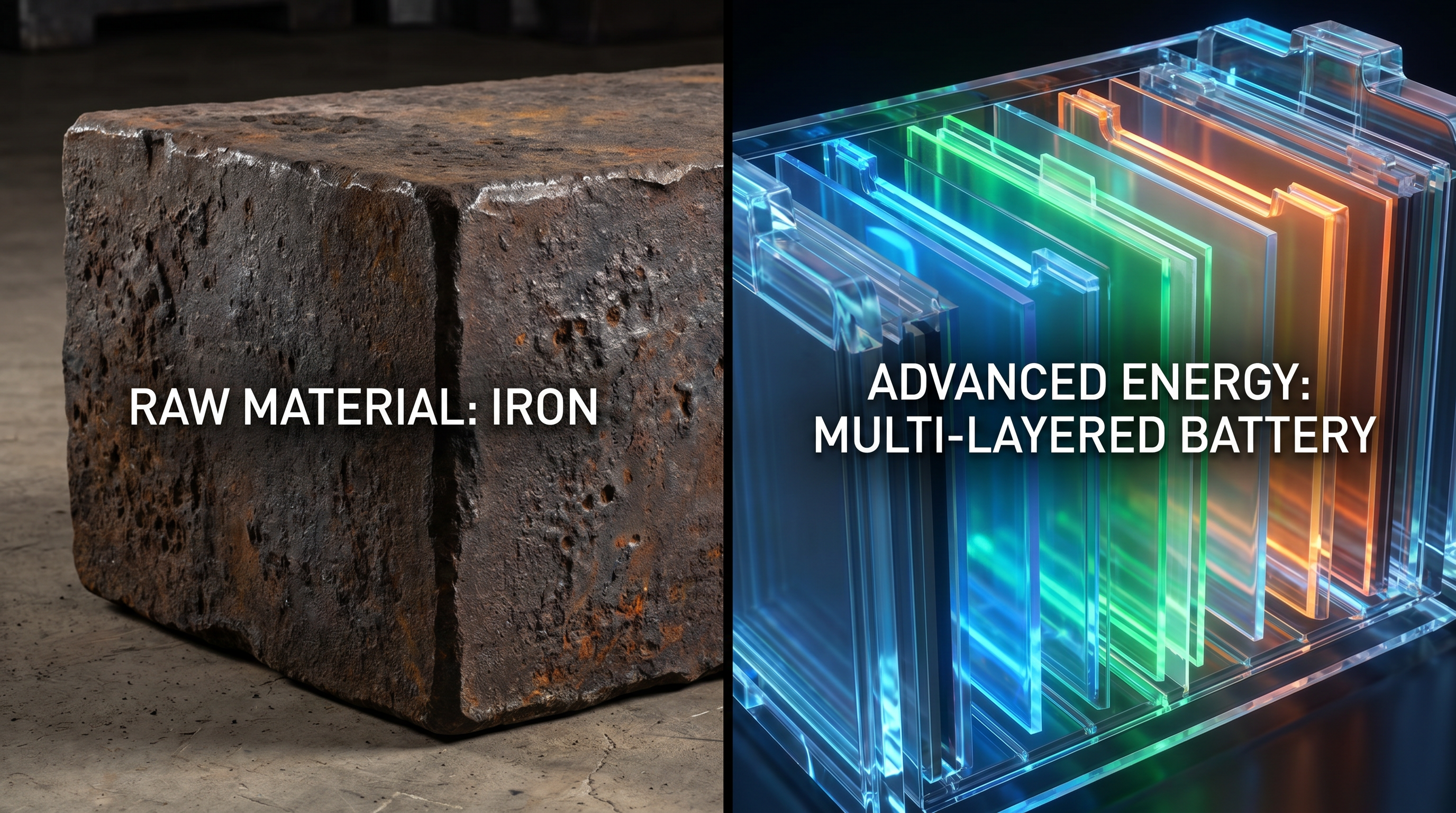
People often think batteries are just solid blocks of metal. In reality, modern batteries are sophisticated, semi-liquid systems designed to manage heat and energy flow with extreme precision.
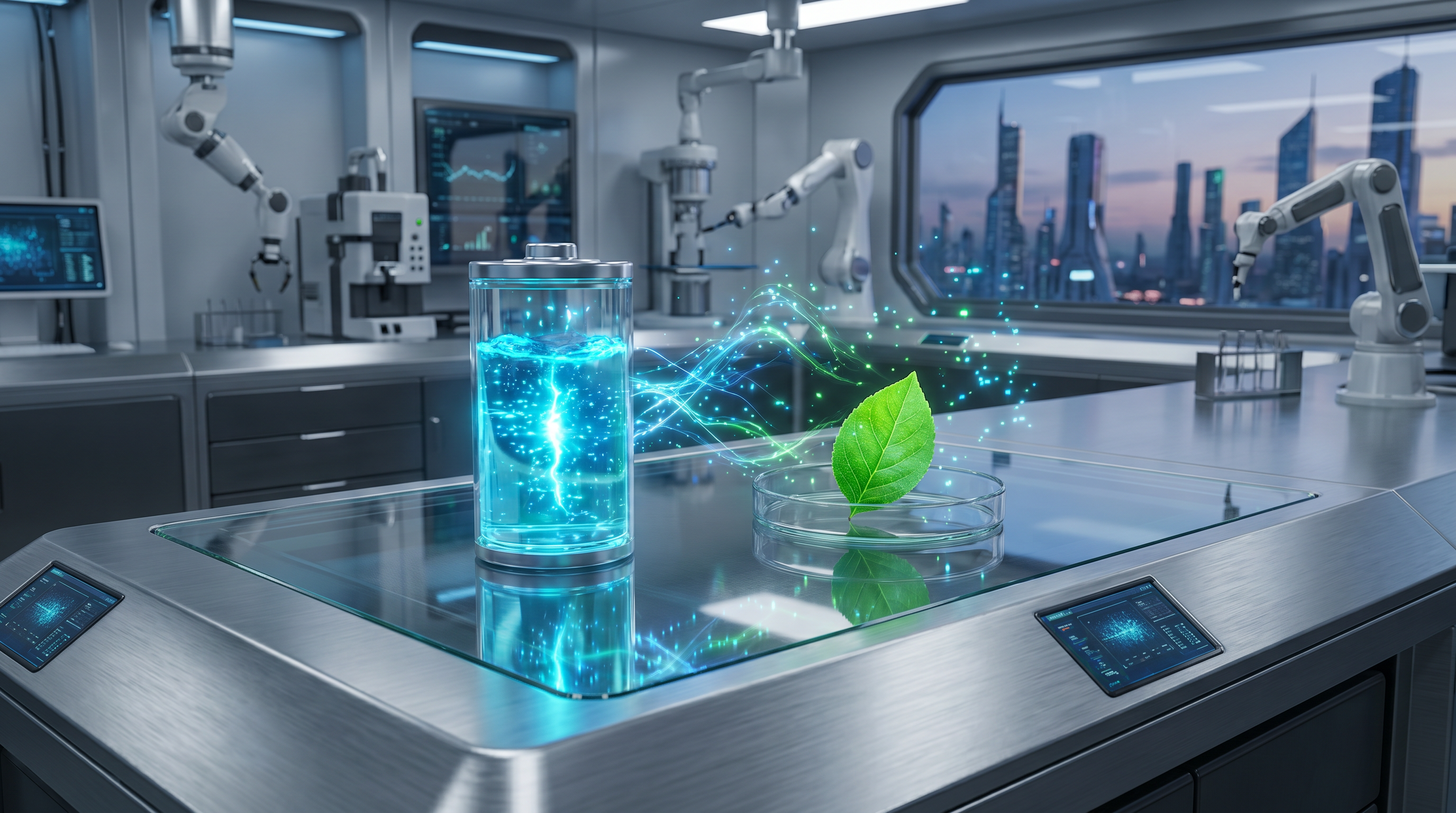
We have learned how polymers and nanoparticles boost battery life and safety. But could we eventually replace these materials with organic, plant-based alternatives? That is a mystery for tomorrow.
Describe any idea in a sentence and Remee builds it for you — stories, games and quizzes on whatever you or your class are working on. Free to start, no card needed, and everything you make gets a link you can share anywhere.
Remee turns any idea into an illustrated story, a playable game, or an interactive quiz — at home or in the classroom.