 Lesson
This lesson explores the xylem's structure and the physics of transpiration, guiding learners from root absorption to the mystery of water movement.

Have you ever wondered how a towering tree gets water to its highest leaves? It does not have a pump; instead, it uses a hidden system of tiny, straw-like pipes.
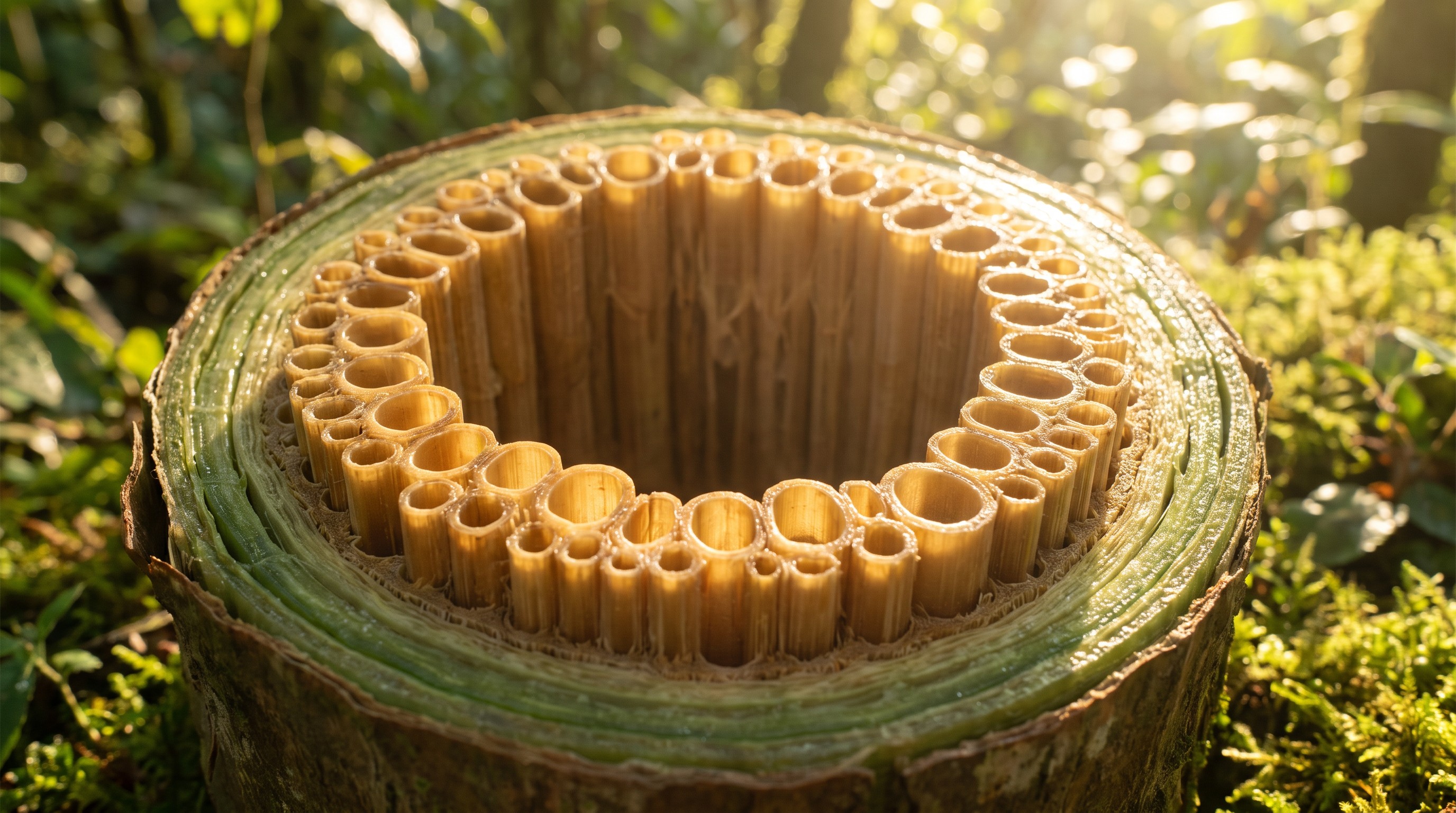
These pipes are called xylem. They are hollow, reinforced tubes that run throughout the entire plant, acting as a continuous, internal highway for water to travel upward toward sunlight.

Water molecules act like a long, thin chain because they love to stick together. As water evaporates from the leaves, it pulls the entire chain up through the xylem.

If you put a celery stalk in water with food coloring, the leaves change color. Why do you think the color travels only in specific lines instead of the whole stem?

This process happens in everything from tiny blades of grass to the tallest redwood trees. Every plant uses this same plumbing network to stay hydrated and reach for the sun.
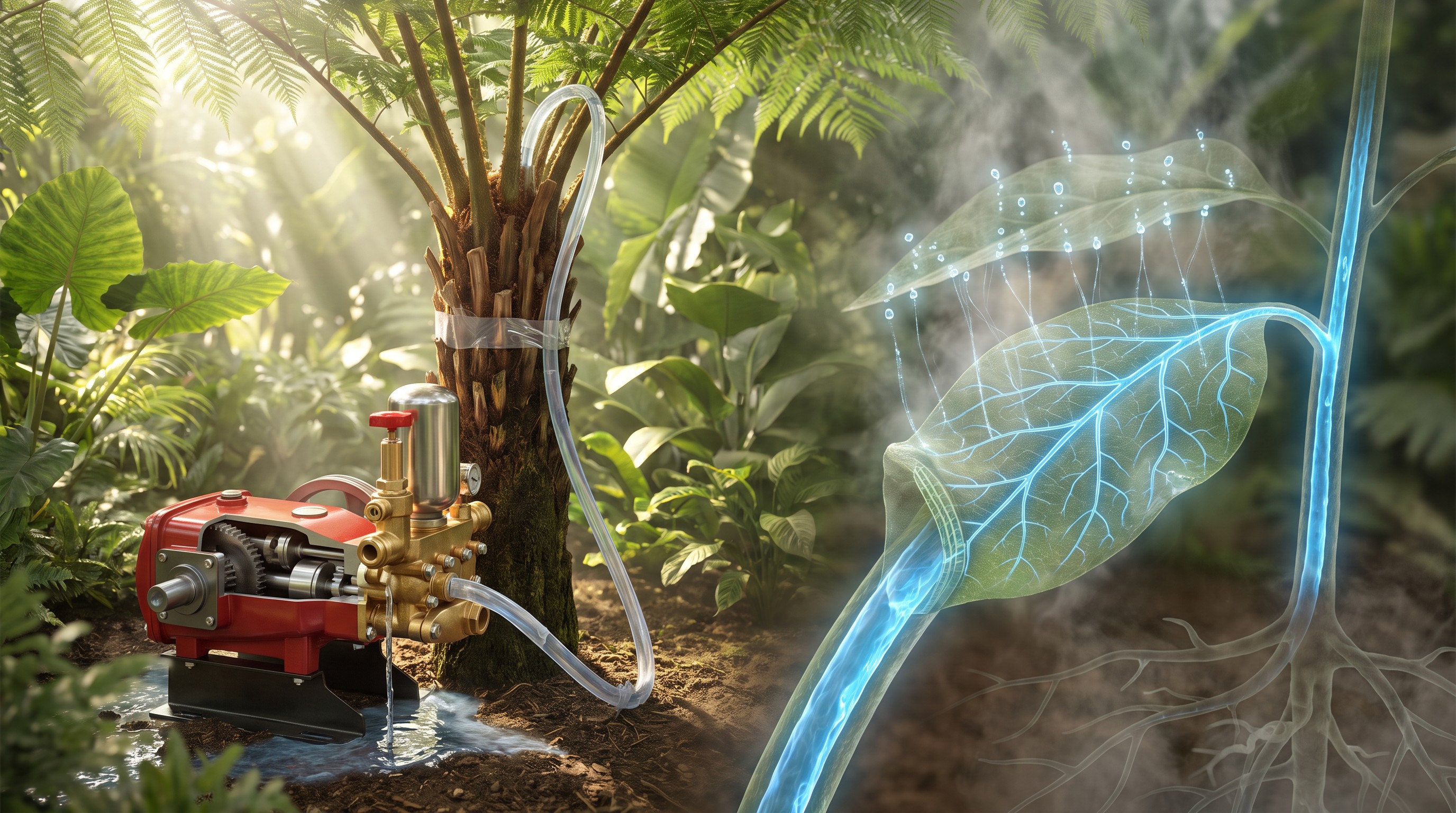
Some think plants use a pump like a heart to push water, but that is incorrect. It is actually the pull of evaporation from the leaves that does the work.

We have learned how xylem uses cohesion to pull water up. But if water is pulled so tightly, what happens when it freezes? That is a mystery for our next adventure.
Describe any idea in a sentence and Remee builds it for you — stories, games and quizzes on whatever you or your class are working on. Free to start, no card needed, and everything you make gets a link you can share anywhere.
Remee turns any idea into an illustrated story, a playable game, or an interactive quiz — at home or in the classroom.